Ferrari's works pair took the win while the faster Maseratis broke down, in a race that closed out the old sportscar championship format.
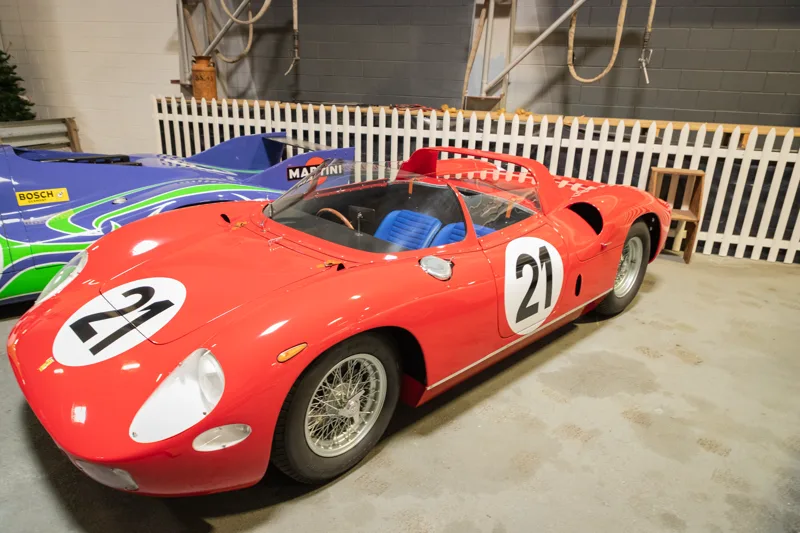
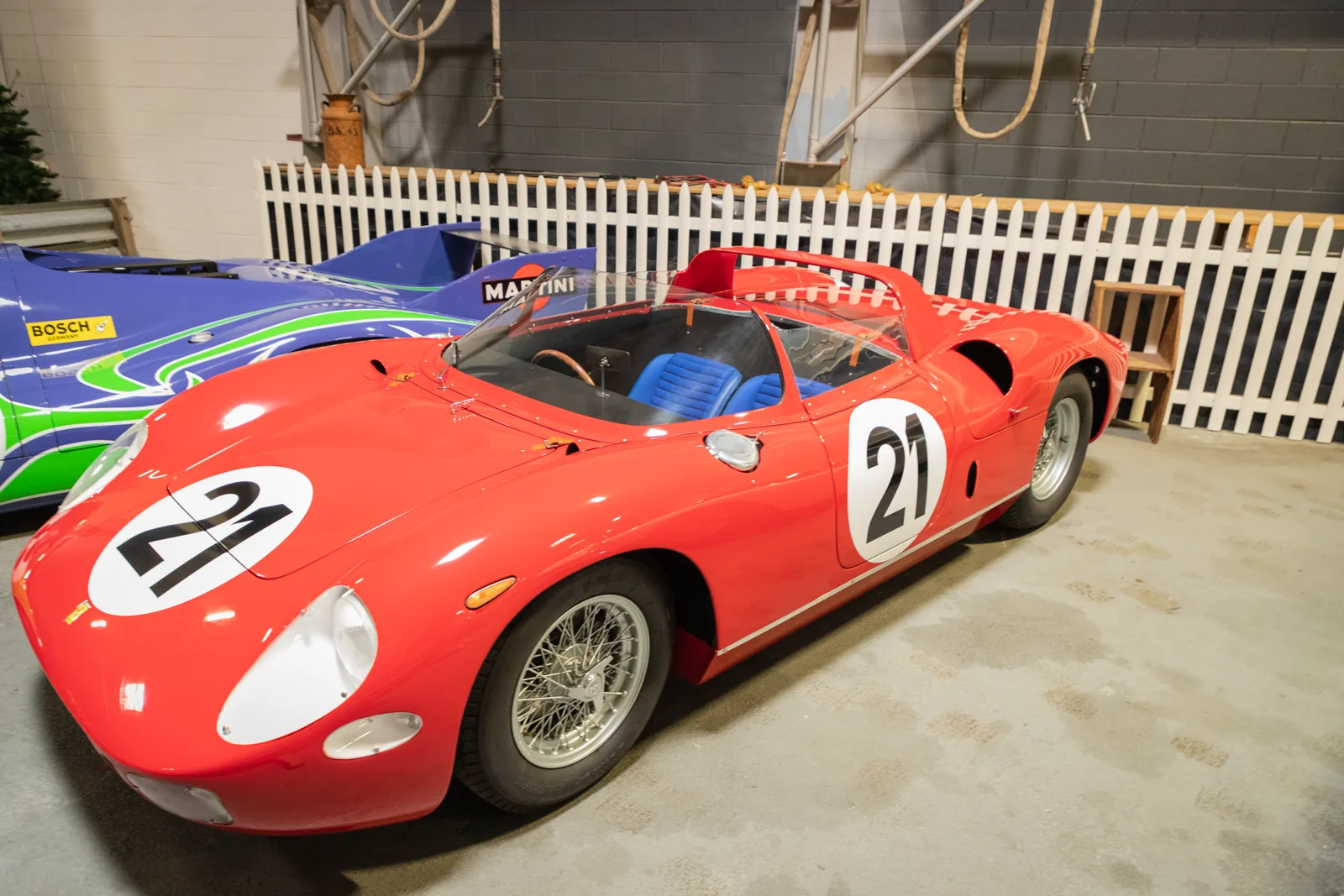
The 1961 24 Hours of Le Mans was won by Olivier Gendebien and Phil Hill in a works Ferrari 250 TRI/61. The race covered 4,476.58 km (2,781.62 mi). Maserati's faster cars broke down, leaving Ferrari to finish one-two, three laps apart.
The 1961 24 Hours of Le Mans ended with a clean Ferrari one-two, as the works pair of Olivier Gendebien and Phil Hill finished three laps clear of their sister car. The Maseratis had been the quickest machines on paper, yet they broke down one after another. It was also the last year the old sportscar championship ran in its familiar form.
Who won the 1961 24 Hours of Le Mans?
Olivier Gendebien and Phil Hill won the 1961 race in a works Ferrari 250 TRI/61, finishing three laps clear of their team-mates Mike Parkes and Willy Mairesse. It was a repeat of their 1958 victory, and it gave Ferrari its fifth overall win at the event.
Ferrari's rivals had their chances on paper. Maserati brought fast Tipo 63s, and Aston Martin was considered an outside chance, but neither could match the Italian cars over 24 hours. By the closing stages the contest had narrowed to the two works Ferraris and a North American Racing Team car driven by the Rodriguez brothers, which retired with two hours still to run.
Through the night the lead changed hands on pit-stop cycles and in close racing between the team cars, which kept the rivalry alive for the crowd.
Ferrari's works cars did the job while the faster Maseratis fell away one by one.
What rule changes shaped the 1961 race?
The second year of the new FIA regulations brought few big changes, though the organisers adjusted several details. The Automobile Club de l'Ouest raised the longest continuous stint from 52 to 60 laps, while the total driving time stayed at 14 hours per driver. The final lap time limit was cut from 30 to 20 minutes to stop slow cars circulating in an attempt to run down the clock.
The windscreen rules were tightened as well. A maximum slope was added to the minimum height and width requirements, which closed the gap Maserati had exploited the year before. Scrutineering moved from the Place des Jacobins in Le Mans city to the circuit itself, and the ACO trialled a new IBM race-timing computer that had a few teething problems.
How big was the 1961 entry list?
Interest in the World Championship had been dropping among manufacturers and fans, and only 65 entries were received. Two were rejected, leaving 55 starters and eight reserves. Some observers regard 1961 as the start of the modern Le Mans, because the grid included significant mid-engined and rear-engined cars for the first time.
Ferrari dominated the list with 11 cars spread across the Sport and GT divisions. The works team, racing as SEFAC, arrived with four cars. Two were the latest Testarossa-based sports cars for Hill and Gendebien and for Parkes and Mairesse. A new, very fast, mid-engined 246 SP V6 developing 270 bhp was driven by von Trips and Ginther, and a GT prototype with a 3-litre V12 completed the works line-up.
Maserati fielded a new model, the Tipo 63, with a mid-mounted 3-litre V12 derived from its 250F Grand Prix engine. Two were entered by Briggs Cunningham, who had raced the car at Sebring, and a third came from the Scuderia Serenissima. Porsche brought three RS61 cars, while Triumph entered three TR4s in the Sports division, and Jaguar was absent for the first time since 1950.
Leading finishers in 1961
| Position | Car | Drivers | Notes |
|---|---|---|---|
| 1 | Ferrari 250 TRI/61 | Gendebien and Hill | Works winners |
| 2 | Ferrari 250 TRI/61 | Parkes and Mairesse | Three laps behind |
| 3 | Ferrari GT 250, privateer | Noblet and Guichet | Thirteen laps behind |
| 4 | Maserati Tipo 63 | American-run entry | 22 laps behind |
| 5 | Porsche RS61 | Gregory and Holbert | Top ten from Saturday night |
| 7 | Porsche RS61 | Herrmann and Barth | Works Porsche |
| 8 | Maserati, 2-litre | Cunningham | Shortest pit time in the field |
| 10 | Porsche GT | Linge and Pon | Class win |
How did the race unfold in the early hours?
The race began under overcast skies that had dried the circuit by 4pm. Ginther's mid-engined 246 SP led the first lap ahead of Hill's Testarossa, and Pedro Rodriguez moved his NART Ferrari to the front within five laps. The first pit stops came after 90 minutes, and the 246 SP could run about 15 minutes longer than its rivals before refuelling, which gave it a useful early cushion.
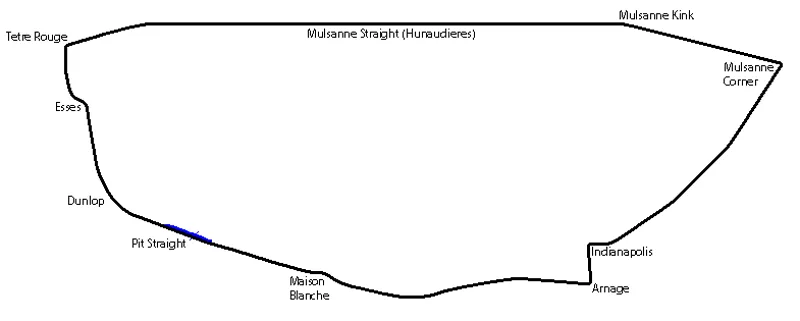
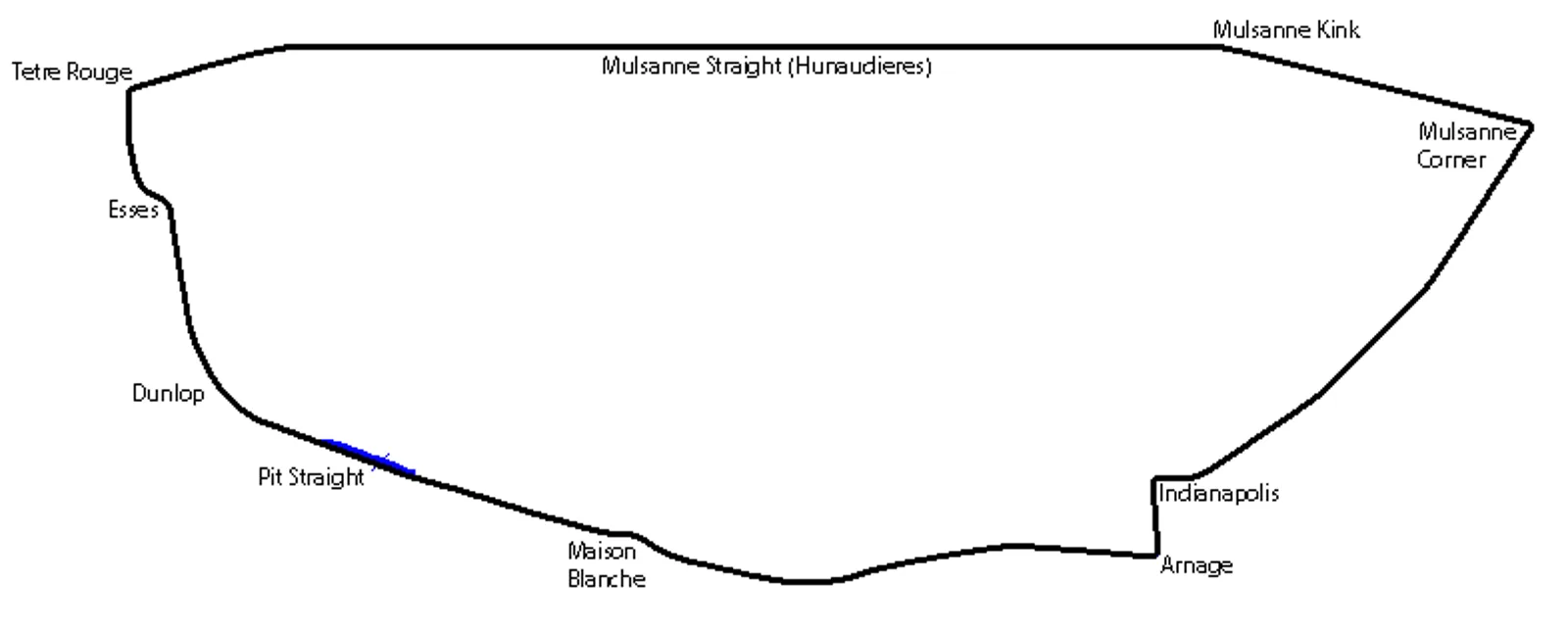
Showers returned around 6pm and made the track very slippery. Walt Hansgen crashed his Maserati at Tertre Rouge while running fourth, breaking an arm and cracking vertebrae. Bill Halford, who had only just taken the wheel of the Ecurie Ecosse Cooper, went off at Dunlop at close to 200 km/h (120 mph) and rolled the car, walking away with scratches and bruises. Shortly after, Bill McKay crashed the Ecosse Sprite at Maison Blanche and broke an arm.
Stirling Moss and Graham Hill had meanwhile been running brilliantly in their Ferrari GT, leading the GT division and sitting ahead of the Aston Martin and Maserati prototypes. Moss set the seventh fastest racing lap ever recorded on the circuit, and by 7pm the pair were running fifth overall.
Why did the Maseratis and Astons fall away?
The Maseratis were fast but fragile, and most of them did not last the distance. The Aston Martins were reliable, but they could not match the pace of the Italian cars. Jim Clark's Aston Martin blew its engine on the Mulsanne straight while running fifth, and the Essex Aston Martin retired mid-morning with a split oil tank.
Engine failures hit the works Porsches too. Bonnier and Gurney had been running a strong fifth before their engine broke after 12.30pm, the first Porsche retirement of the race. The surviving Maserati of the American-run team crossed the line fourth, 22 laps behind the winner, having fought back up the order to finish fourth.
Ferrari, by contrast, had problems of its own. A fan blade cut a radiator hose in the Walker car shortly before 1.30am, and a misfire forced the NART car into the pits in the early morning. A miscalculation by the Ferrari team ran von Trips out of fuel, and the NART car finally crawled into the pits with terminal engine trouble two hours from the finish.
What role did the North American Racing Team play?
The North American Racing Team ran a Ferrari TR61 that had won the Sebring race earlier in the year, and it gave the car to the Rodriguez brothers. For most of the race it was the chief rival to the works Ferraris, and that battle through the damp night made the result feel closer than the final gap suggests.
Pedro and Ricardo Rodriguez were described as very fast and young, and the team's entry put steady pressure on the works cars. The rivalry between the two squads stopped the race from becoming a dull procession, because the lead changed hands repeatedly through the damp night.
The NART challenge ended when its car pulled into the pits at 2pm with two hours to run, its engine terminally damaged. From that point the works Ferraris had the lead battle largely to themselves.
How did the GT class and the Aston Martins race?
Moss and Hill's Ferrari GT easily led the GT division in the early hours, and it was running ahead of both the Aston Martin and Maserati prototypes. Ferrari's privateer entries were a strong part of the story, while the Aston Martin DB4 GT cars carried 3.7-litre engines.
The Essex Racing Team and French privateer Jean Kerguen both entered Aston Martin DB4s, re-styled by Zagato and the biggest cars in the field with their 3.7-litre engines.
The Walker Ferrari's race ended at 1.30am, but Noblet and Guichet's privateer GT Ferrari went on to finish third overall, which underlined the depth of Ferrari's privateer entries.
How did practice set the grid for 1961?
The April test weekend showed Ferrari's pace. The new 246 SP set the fastest time, leaving Hill's Testarossa three seconds behind and the Maserati Tipo 63s nine seconds adrift, while the Ferrari GT was 20 seconds quicker than its Aston Martin rivals.
Race week practice confirmed the order. Ginther was fastest in the 246 SP, and Mike Parkes, who had never driven a Testarossa before, was immediately on the pace in fourth. Jo Schlesser crashed one of the GTs during the April test, breaking his arm and leg and keeping him out of the race.
Which smaller cars stood out in 1961?
The smaller classes produced a few notable results. Two New Zealanders in an Abarth 850 beat the chasing DB cars home by a clear six laps, while Triumph's three cars all reached the finish, with the best placed 9th. Triumph had entered three cars because its TR4 was not yet homologated for GT racing.
The Abarth result came despite a bad break for a rival car. The Foitek and Condrillier Abarth broke an oil pipe on the penultimate lap, which denied the Italian marque a one-two in its class.
Briggs Cunningham's 2-litre Maserati was another quiet success. It never missed a beat on its way to eighth place, and it had the briefest stops of any car in the field.
How did the morning change the order?
By the morning the NART car had recovered from a misfire and was pursuing the works team hard. A miscalculation by the Ferrari team had already run von Trips out of fuel at 8am, and the works cars then held their positions.
The NART car had come into the pits at 7.30am with a bad misfire, and the repair took half an hour. Its drivers then chased to make up the lost time, and by midday the car had overtaken Mairesse's Ferrari to take second place.
The Essex Aston Martin had been lapping consistently and had climbed to fourth when the Ferrari retired. It then dropped out in mid-morning with a split in its oil tank.
The French Aston Martin GT had been running well, third in its class behind the Ferraris and ninth overall. With an hour to go at its last pit stop, a mechanic left a spanner in the engine, and it short-circuited the battery.
What did Porsche's RS61 cars achieve?
Porsche brought three of its new RS61 coupes, each with a different flat-four engine. The 2-litre variant developed 185 bhp and could reach 155 mph (250 km/h).
The three cars were driven by Masten Gregory with Bob Holbert, by Hans Herrmann with Edgar Barth, and by Jo Bonnier with Dan Gurney. Gregory and Holbert had run consistently in the top ten from Saturday night, and they finished fifth.
Herrmann and Barth finished seventh, and Linge and Pon finished tenth, easily winning their class.
What did 1961 mean for Stirling Moss and the championship?
It was Moss's last Le Mans. He had made ten appearances without a win, and a career-ending crash at Goodwood early the following year ended his racing life.
The season ended in a dramatic way for Ferrari. Bandini and Scarfiotti won the final round at the new Pescara circuit and secured the World Championship for the team. Hill and von Trips were the two drivers in the running for the title until von Trips was killed at Monza.
The race also marked the end of the Sportscar World Championship in its current form. The FIA decreed that the championship would be based around GT cars from then on. The Sunbeam coupe that won the Index of Thermal Efficiency was followed by a short production run of the Harrington Le Mans model.