How a Victorian bicycle maker became a car brand, how the Rootes brothers took control in the 1920s and why Chrysler closed the Humber range.
Incorporated in 1887, Humber built bicycles, motorcycles and cars before the Rootes brothers took control in the late 1920s. Chrysler acquired the group in 1967, and the Humber range was then wound down.
Humber was a British maker of bicycles, motorcycles and cars, incorporated and listed on the stock exchange in 1887. Its name came from the reputation of the Humber cycles that Thomas Humber had built, and its motor division eventually overtook the cycle side. Under the Rootes brothers it became the core of the Rootes Group, and after Chrysler took control in 1967 the Humber car range was wound down.
When was Humber founded and who ran it?
Humber was incorporated in 1887 and its shares were then offered publicly. The Humber and Co name was chosen because of the strong reputation of one of the firms Thomas Humber had owned. A financial reconstruction in 1899 moved the business into a new company, Humber Limited.
Thomas Humber agreed to manage the whole enterprise, which had works in Coventry, Wolverhampton and Beeston. He retired in 1892, when his five-year contract came to an end.
A Victorian cycle maker that became a Rootes car brand and then a Chrysler casualty, its Super Snipe a wartime staff favourite.
How did the cycle business expand into Europe?
In 1896 Humber's French subsidiary joined with the Clement and Gladiator cycle makers to form a combine that aimed at one of the largest cycle monopolies in Europe. The directors were keen on the new motor carriage trade, and the monopoly planned works at Levallois Perret to build vehicles.
The venture was not a success. Disputes between the partners ran through the English courts until the turn of the century, and a severe recession in 1899 forced a financial reconstruction that created Humber Limited to carry on the business.
When did Humber start making cars?
Humber's motor interest began in 1896. That year the company built a prototype and nine production motorcars in its new Coventry premises. One car was shown at the Stanley Cycle Show in London in November 1896, and these vehicles are claimed to be the first series-production cars made in England.
The first Humber car, in 1898, was a three-wheeled sociable tricar with a single-cylinder Turrell engine. The first conventional four-wheeled Humber followed in 1901. By then the motor division was growing fast and was becoming more important than the cycle division.
What did the early Humber motor tricycle cost?
In 1899 Humber built a motorised tricycle at its Beeston works. It was based on a licensed De Dion-Bouton tricycle, and its engine was rated 1.75 hp, or 2.25 hp as an option. It had electric ignition where early De Dion engines used hot tube ignition, and it could reach 30 mph (48 km/h). It was priced at 84 pounds in December 1899.
Humber also experimented with motorcycles from the start. In 1899 Bert Yates won the first motorcycle track race in Coventry on a Humber machine. Later models used Minerva engines, but production stopped in 1906 for lack of space in the factory, and it resumed in 1908.
Why did Humber move to the Stoke works?
The Beeston works closed in 1908 when the new works at Stoke opened, just outside Coventry. The opening was formally marked on 12 March 1908. New buildings covered 13.5 acres and provided work for 5,000 people.
The Stoke plant was designed to produce 150 cars and 1,500 cycles a week. Another financial reconstruction followed in 1909, and in 1911 the company took over the Centaur Cycle Company.
How large did Humber become before the First World War?
Humber's profit rose from 16,500 pounds in 1905 to 106,500 pounds in 1906 and 154,400 pounds in 1907. By then the range ran from the 998cc Humberette up to several six-cylinder models of 6 litres.
In 1913 Humber was second only to Wolseley as the largest car manufacturer in the United Kingdom. During the war it returned to making motorcycles and bicycles for the War Office alongside cars.
How did the 1920s change Humber?
The early 1920s brought postwar slumps, and the public was moving from pedal cycles to motorcycles and cars. Several rival makers, including Rover, Singer, Swift, Triumph and Riley, gave up cycle manufacture.
In 1925 Humber moved into commercial vehicles by buying Commer. By 1928 the chairman had reported a loss for the second year running. Commer's turnover rose but it did not return to profit, the bicycle business improved and motorcycles did not, and the chairman described Humber cars as a distinctive, higher-grade product that was more sensitive to conditions than mass-produced cars.
How did the Rootes brothers take control of Humber?
In 1928 Humber's partly owned subsidiary, the Hillman Motor Car Company, came into the Rootes brothers' hands through their involvement there. The Rootes brothers then acquired 60 percent of Humber's ordinary capital, enough for a controlling interest, and joined the Humber board in 1932.
Shareholders approved the amalgamation of Humber and Hillman, and in 1929 Hillman was combined with Humber. William Rootes's marketing skill was put to use at once, since Rootes Limited was appointed World Exporters. By December 1929 Humber had introduced three new models, the 16-50, the Snipe and a seven-seater Pullman.
What changed in the Humber range after the Rootes takeover?
Michael Sedgwick later called this period a levelling process, in which the older Humber engineering gave way to cars that were essentially Rootes designs. Out went uncertain braking and the older engine and finely finished coachwork. In came Bendix brakes, downdraught carburettors, silent third gearboxes and hydraulic shock absorbers.
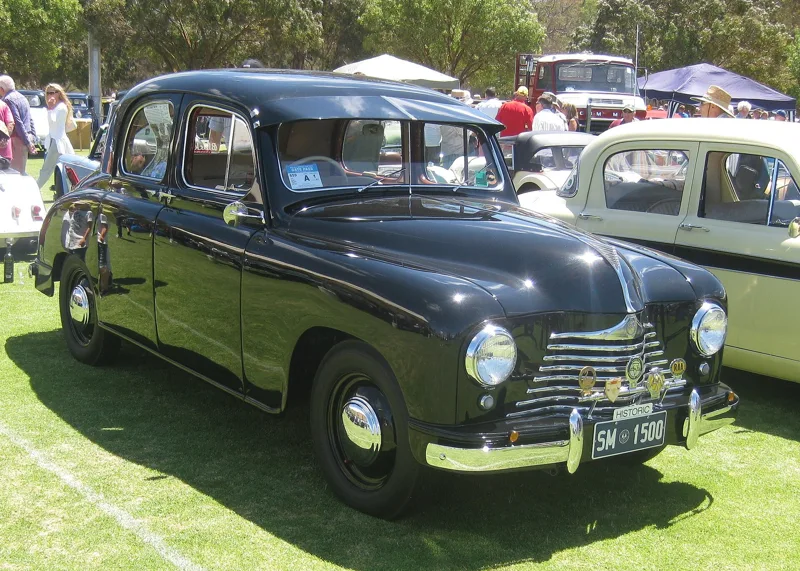
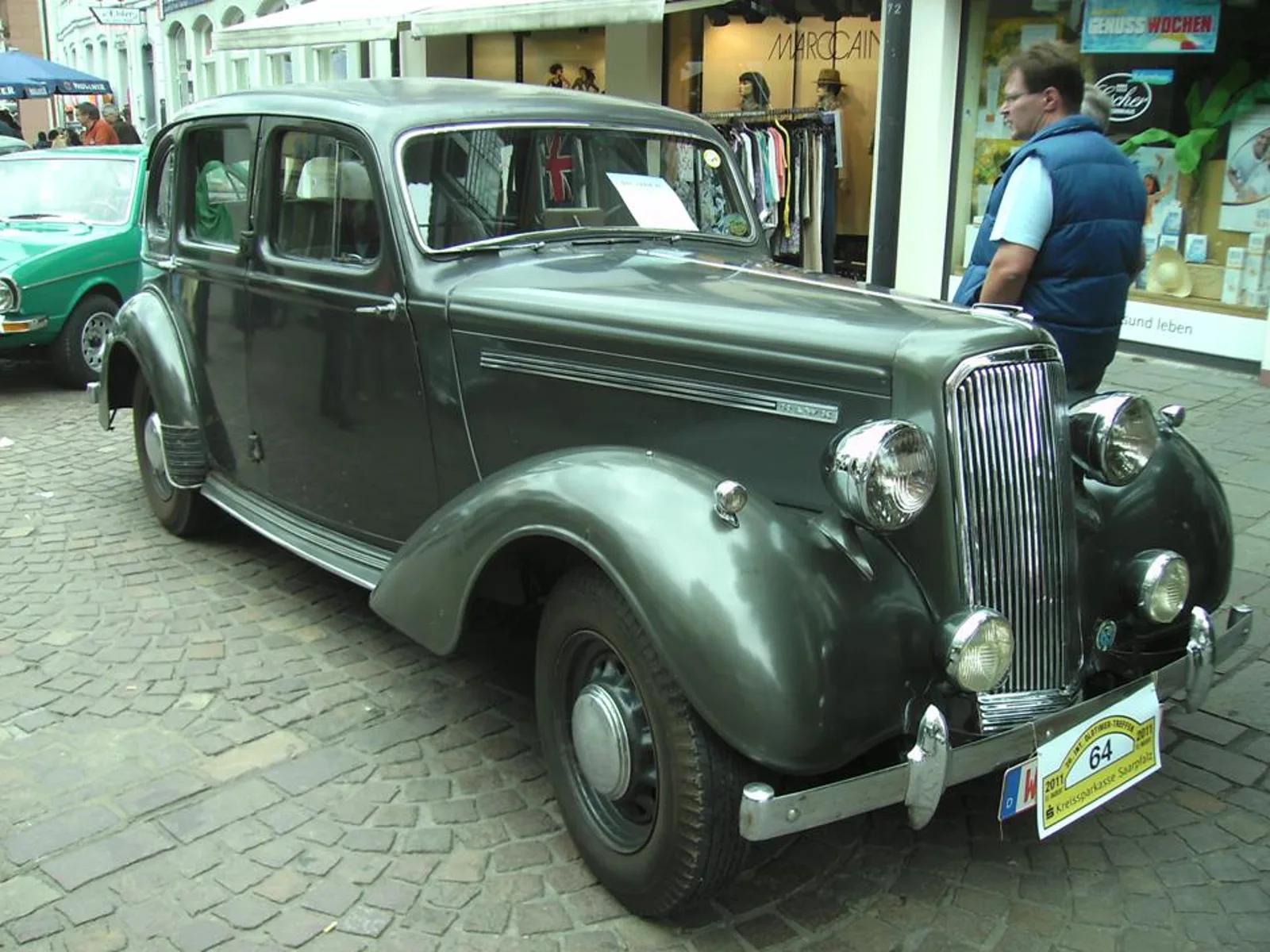
The other cars became slightly larger Hillmans with different engines and longer wheelbases. The Humber Twelve closely resembled the Hillman Minx, though it had its own painted spare wheel cover and hinged quarter lights. Its engine was bored out and later powered Hillman's Fourteen. By the outbreak of war in 1939 the big-engined Super Snipe, with hydraulic brakes, was selling well, and one version became the Army's well-known staff car.
How did Humber contribute to the Second World War?
The Ryton on Dunsmore plant, which closed at the end of 2006, began in 1939 as a shadow factory built to make aero engines. Another shadow factory opened in April 1939 at Speke in Liverpool, where bombers were assembled. Armoured cars, scout cars and staff cars were built in the existing factories alongside much other war material.
General Montgomery, commander of the British and Allied forces in North Africa, had two specially built Humber Super Snipe four-door open tourers. They had larger front wings, mine-proof floors, special fittings and long-range fuel tanks. Known as Old Faithful and the Victory Car, both still survive in English museums, and the Victory Car drove Montgomery and Churchill through London during the VE parades.
How many Humbers were built each year?
Annual production rose steadily across the interwar years and the early postwar period. Output was 9,000 vehicles in 1929-30, 20,000 in 1933-34, 41,000 across 1937-39, 42,000 in 1946-47 and 90,000 in 1949-50.
After the war the Hawk, a four-cylinder model, and the six-cylinder Super Snipe were the mainstays. Businessmen and officials chose them for their well-appointed interiors and solid build. Both models went through several designs, though all carried a transatlantic styling influence.
How big was the Rootes Group by 1960?
In 1960 Rootes ranked as the world's twelfth largest motor corporation by volume, with output close to 200,000 cars, vans and trucks. The group employed some 20,000 people, owned nine assembly plants outside Britain and had around one thousand UK dealers. It also ran car hire, hire purchase, driving schools and an air-conditioner business.
Both Rootes brothers still controlled the group from their offices in Devonshire House on Piccadilly. The Piccadilly showroom has since become an Audi showroom.
Why did the Hillman Imp cause trouble for Rootes?
BMC's Mini pushed Rootes to speed up work on its own small car. Jaguar solved its expansion problem by buying Daimler and its Coventry works, but Rootes chose a greenfield site at Linwood, near Paisley, close to Glasgow airport.
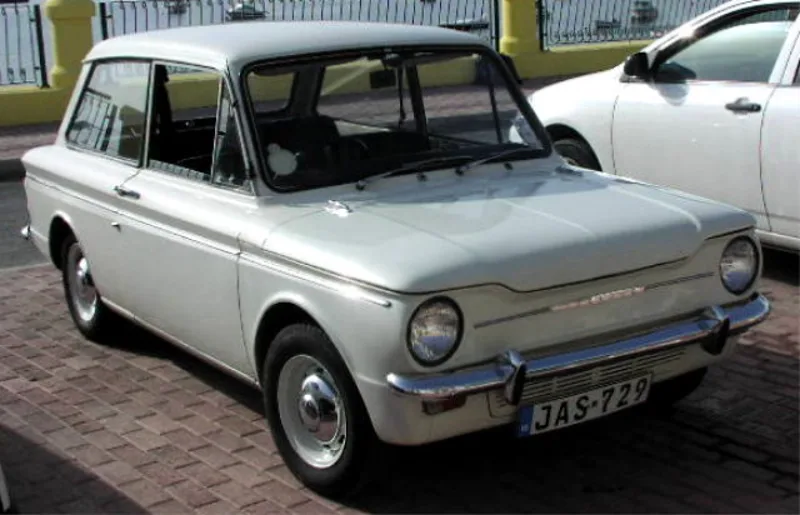
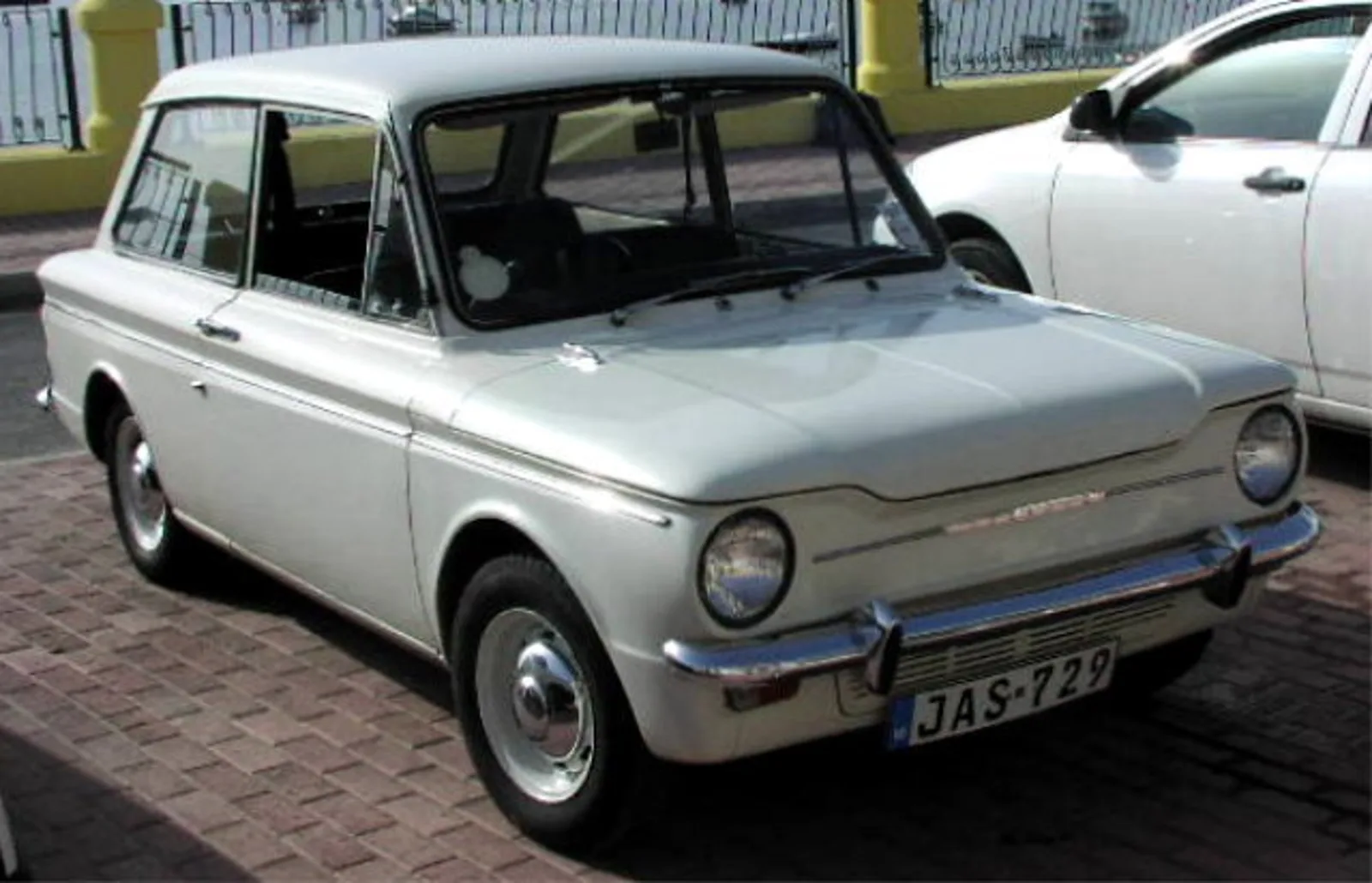
The plant was inaugurated in May 1963, and sales of the rear-engined Hillman Imp began the next day. Industrial relations proved difficult, and the Imp's reliability soon became a problem. Heavy development costs and slackening sales in the United States produced losses in 1962 and 1963.
In February 1964 minority owners of Humber, Tilling-Stevens and Singer Motors swapped their stakes for shares in Rootes Motors Limited, leaving Humber wholly owned. Lord Rootes died in December 1964 after opening talks to sell the group to Chrysler, and Chrysler took control in 1967.
What were the last Humber models?
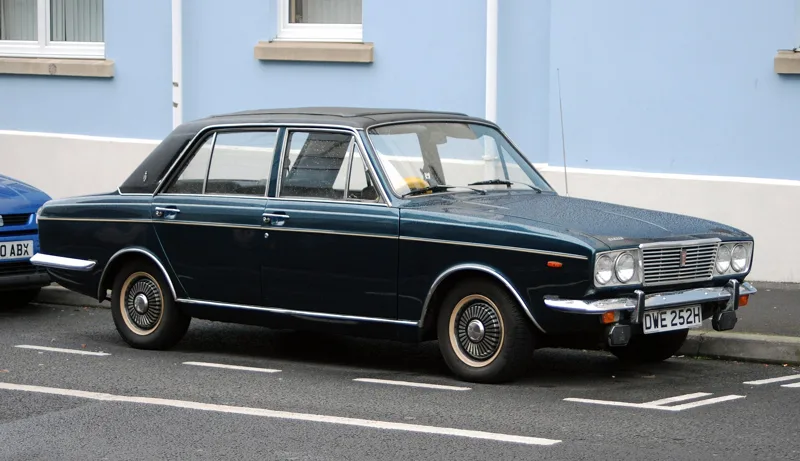
The VA Super Snipe, fitted with twin Stromberg carburettors, was the final large Humber, and it stayed on sale until Chrysler halted output in 1968. V8 models had reached pre-production but never went on sale, and a few test cars survive.
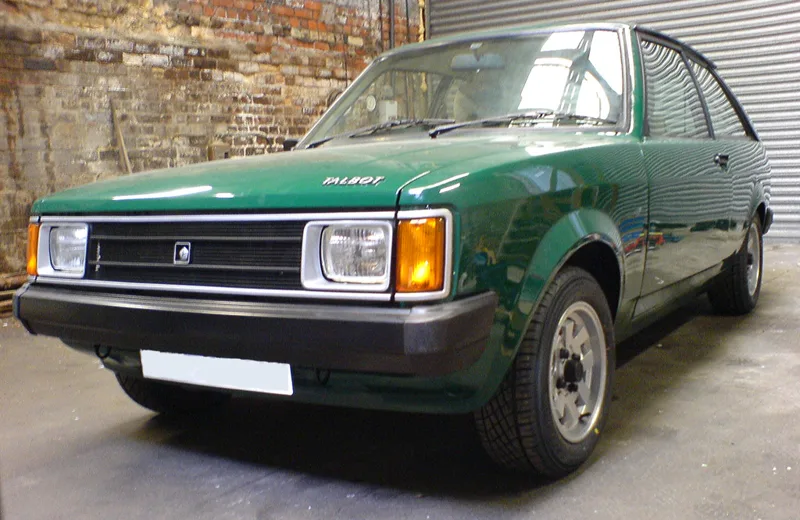
The last new Humber was the second generation of the Sceptre, a variant of the Rootes Arrow. The name was put aside in 1976, once every Hillman carried a Chrysler badge. The Hillman Hunter, another Arrow model, carried the Chrysler badge until 1979, when the European division was sold to Peugeot and renamed Talbot. Talbot passenger cars were dropped at the end of 1986.
Was Humber ever revived after 1976?
In 1986 a private group proposed to revive Humber as a maker of upmarket premium vehicles, using the Bathgate plant in Scotland. BMC had opened that factory in 1961 to make light trucks and tractors. The plan was turned down by local councillors, who preferred a retail scheme, and the Bathgate buildings were later flattened.
The Humber name stayed registered with Peugeot, so a separate company, Humber Motor Company Limited, was set up to pursue the idea. It was registered in Scotland in August 1986 and later re-registered in England, and it renewed the trademarks for Sceptre, Hawk, Super Snipe and Snipe.
Where can Humber cars still be seen?
Enthusiasm for Humber remains strong, and many of the upmarket cars made before the 1930s still survive. Until 2020 the Marshalls Post-Vintage Humber Car Museum in Hull showed the largest group of Rootes-era Humbers, built after 1930. Twenty-one cars were on permanent display, and 24 more were held unrestored.
Did Humber make aircraft?
Yes. Humber agreed in 1909 to make 40 Bleriot XI monoplanes using its own three-cylinder engine. Four of the aircraft appeared at Olympia in 1910, and the BR1 and BR2 engines of the war period were designed by W O Bentley.
Key dates in the Humber story
| Year | Event |
|---|---|
| 1887 | Humber and Co Limited incorporated and listed |
| 1896 | Prototype and nine production cars built in Coventry |
| 1898 | First Humber car, a three-wheeled sociable tricar |
| 1908 | Stoke works opens on 12 March |
| 1913 | Second only to Wolseley among UK car makers |
| 1925 | Commer acquired, bringing commercial vehicles |
| 1929 | Hillman merged with Humber under Rootes control |
| 1939 | Speke and Ryton shadow factories begin production |
| 1963 | Linwood plant opens; Hillman Imp on sale |
| 1967 | Chrysler takes control of Rootes |
| 1968 | Series VA Super Snipe is the last of the large Humbers |
| 1976 | Humber shelved as Hillmans become Chryslers |
| 1986 | Bathgate revival plan is turned down |