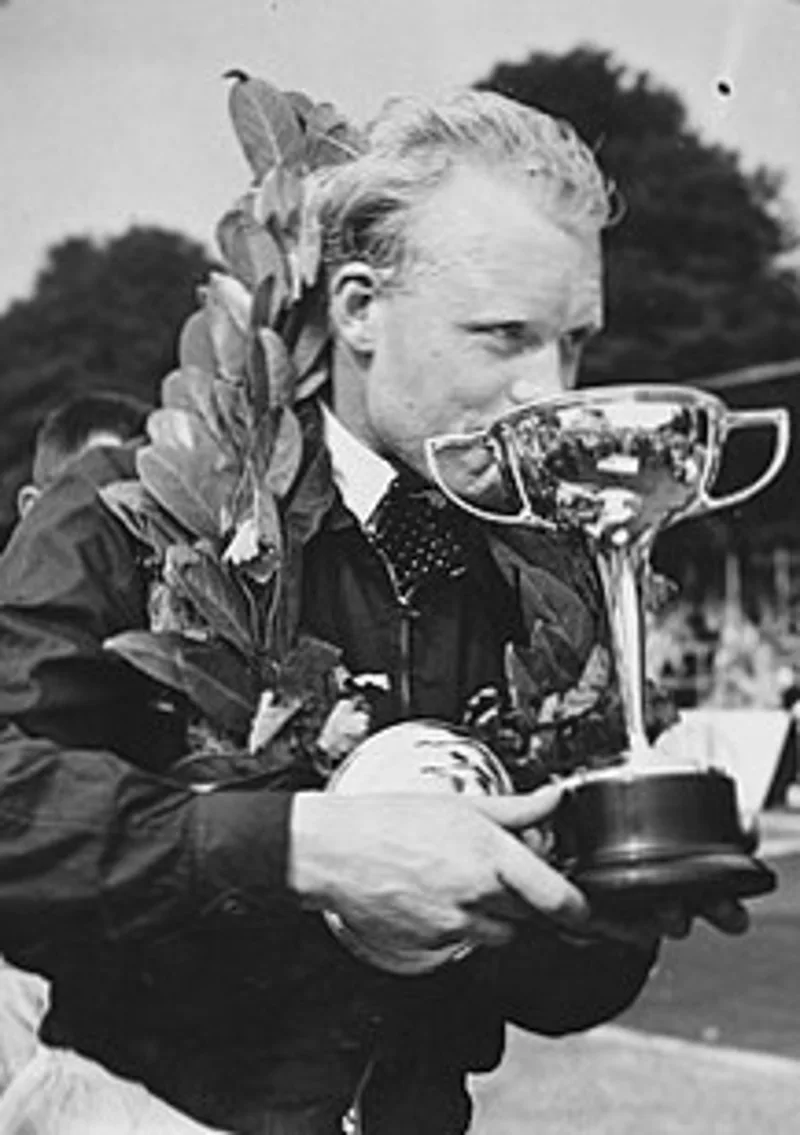
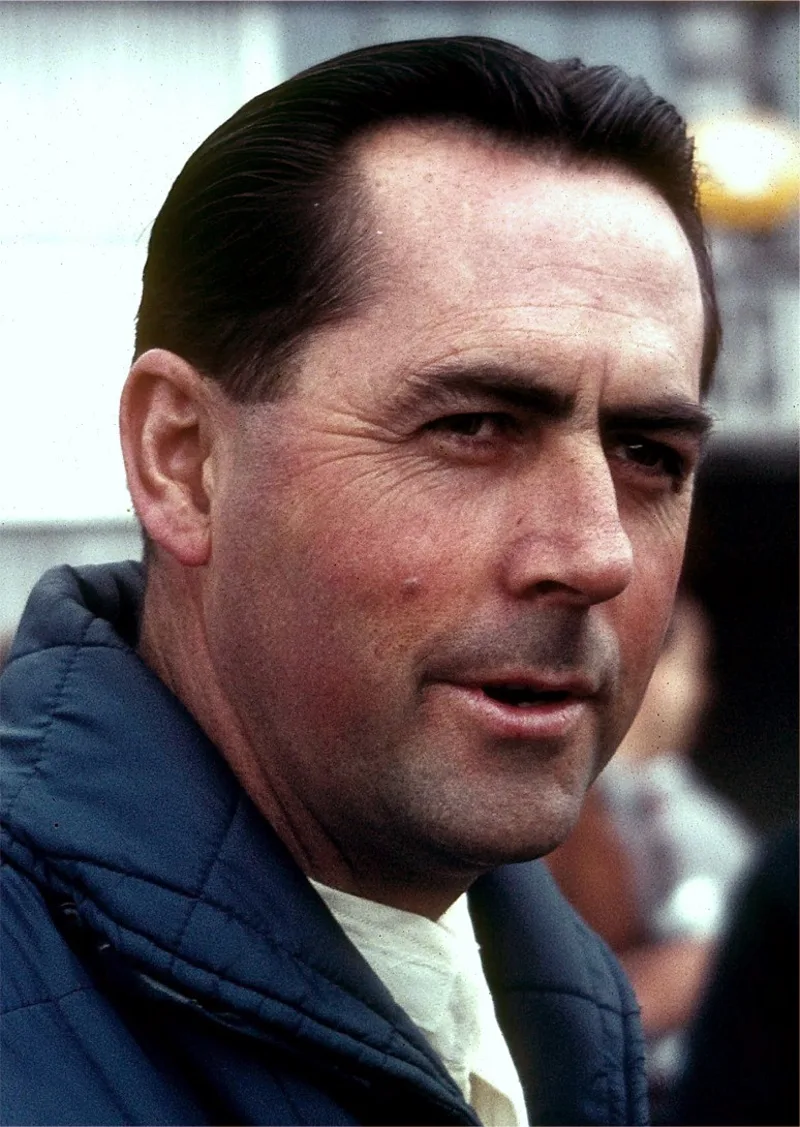
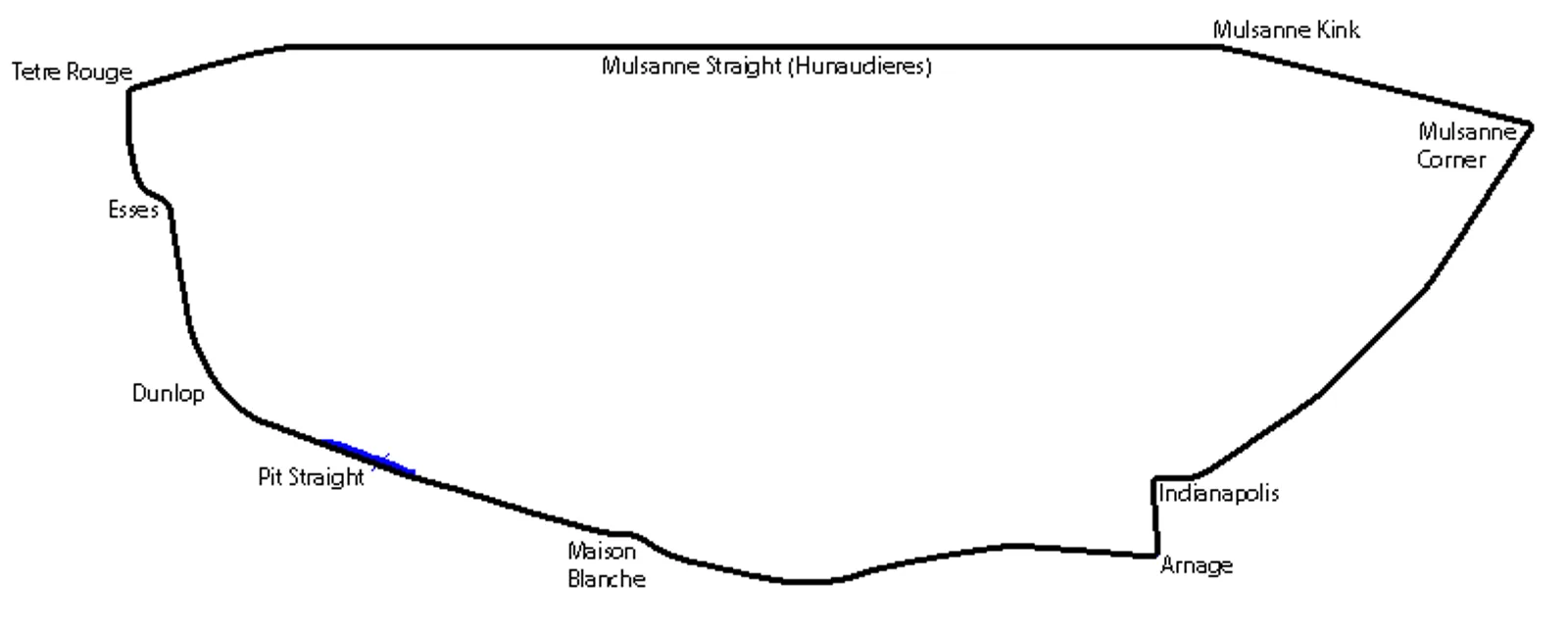
Brooks and Cunningham-Reid in 1957, Moss with Brabham and Fairman in 1958 and 1959, then Moss and Gurney in a Maserati, with crowds growing from 120,000 to 250,000.
Aston Martin won the Nurburgring 1000 Km in 1957, 1958 and 1959, with Brooks, then Moss twice. Maserati won in 1960 with Moss and Gurney in a Tipo 61. All four races were rounds of the World Sports Car Championship on the Nordschleife in West Germany.
Stirling Moss drove 41 of the 44 laps of the 1959 Nurburgring 1000 Km, leaving his co-driver Jack Fairman with just three, and still beat the Ferrari of Phil Hill and Olivier Gendebien by 41 seconds. It was one of the great drives in a four-year run when the Nordschleife belonged first to Aston Martin and then to Maserati.
How did the Nurburgring 1000 Km work?
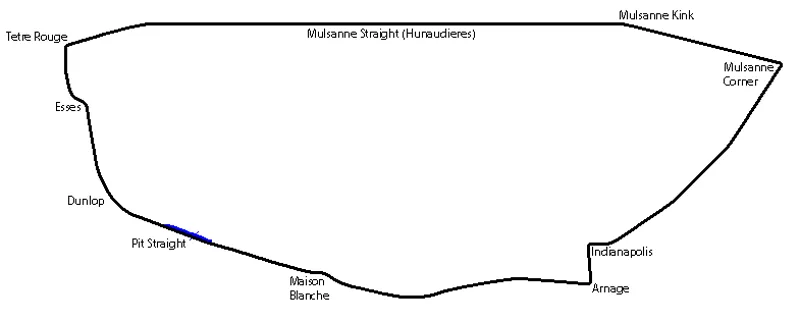
The ADAC 1000 Kilometer Rennen was a long-distance race on the Nurburgring Nordschleife in West Germany, and from 1957 to 1960 it was a round of the FIA World Sports Car Championship. Every edition lasted 44 laps. The circuit is quoted at 14.174 miles, although the 1960 report gives each lap as 14.189 miles, for a race distance of 1,004.739 km (624.316 mi). Drivers had 174 corners to learn on every lap, and Fangio's pole in 1957 was his third at the track, after those of '53 and '56.
The race did not stop when the winner crossed the line. It carried on for another hour so that the other classes and divisions could complete the full 1000 km. Porsche treated it as a home event and sent two cars or two different models to every one of the four races. Qualifying took place over three sessions on the three days before the race, totalling 1,590 minutes in 1957 and 1,710 minutes in 1958 and 1959.
Moss drove 41 of the 44 laps and had to make up for the time lost while Fairman was at the wheel
Who won the 1000 km Nurburgring in 1957?
Tony Brooks and Noel Cunningham-Reid won the 1957 race, held on 26 May, in an Aston Martin DBR1/300. Their time was 7hr 33:38.2 mins, an average of 82.485 mph, and they finished 4 min 13.7s ahead of the Ferrari of Peter Collins and Olivier Gendebien. It was the first world championship win for Aston Martin since the 1953 Tourist Trophy and the marque's first points of the season.
What was the 1957 Nurburgring 1000 Km entry like?
The 3rd edition was the fourth round of the championship, and the first since the Mille Miglia two weeks earlier, where Alfonso de Portago's crash killed him, his co-driver and nine spectators. A total of 79 cars were registered, and 74 arrived for practice and qualifying.
Two works teams came: Scuderia Ferrari and Officine Alfieri Maserati. Ferrari brought a 335 S for Collins and Gendebien and an older 315 S for Mike Hawthorn and Maurice Trintignant. Wolfgang von Trips, a works driver in the Grand Touring class, crashed his Ferrari 250 GT in the Breidscheid section after a change to the pedal layout, and went to hospital with cuts and bruises, unable to take part.
Maserati went into the weekend only 2 points behind Ferrari and brought two 450Ss and a 300S, with Juan Manuel Fangio and Stirling Moss as its stars. Porsche sent two cars, Ecurie Ecosse entered semi-works Jaguar D-Types, and David Brown fielded two works Aston Martin DBR1/300s to challenge the Italians.
How did the 1957 Nurburgring 1000 Km unfold?
Fangio's Maserati 450S took pole at 87.446 mph, and Maserati held the first two grid places. Brooks' Aston Martin was third, ahead of the Ferraris.
The weather was warm, dry and windy, and about 120,000 people watched. The Maserati 450Ss had been expected to dominate, but Brooks led from the start until Moss passed him after 8 laps. On the 10th lap Moss's 450S lost a rear wheel. The team switched Moss and Fangio into Harry Schell's car, which left Hans Herrmann without a drive, but that car developed an oil leak and retired by lap 19. Francisco Godia-Sales then lent his older 300S, and Moss and Fangio shared it with Godia-Sales and his regular co-driver Horace Gould, bringing it home fifth and securing two championship points for Maserati.
Aston Martin's pace was such that it lapped even that fifth-placed Maserati. Porsche took fourth with Umberto Maglioli and Edgar Barth in a 550A RS, almost 17 minutes behind the winners. Hawthorn and Trintignant were 1 min 35.3s behind Collins and Gendebien in the second and third Ferraris. Moss set the fastest lap, 9:49.9secs (86.497 mph).
Who won the 1000 km Nurburgring in 1958?
Stirling Moss and Jack Brabham won on 1 June 1958 in an Aston Martin DBR1/300, taking 7hr 23:32.0 mins and averaging 84.360 mph. The margin over the Ferrari of Hawthorn and Collins was 3 min 44s. It gave Aston Martin its first points of the year and Ferrari its first loss.
What was the 1958 Nurburgring 1000 Km grid like?
The race was the fourth round of a championship run to new regulations introduced at the start of the season. A total of 72 cars were registered, 69 arrived for practice and 54 started.
Ferrari came with a winning streak. It had taken the first three events of the season and had also won the last race of 1957, the Venezuelan Grand Prix, through Hill and Collins, which made four wins in a row. Maserati was on the brink of financial crisis, so Ferrari led the home challenge with four works 250 TR 58s for Hawthorn and Collins, Luigi Musso and Hill, von Trips and Gendebien, and Gino Munaron and Wolfgang Seidel. The opposition would come from Porsche and Aston Martin.
David Brown sent three DBR1s from England, for Moss and Brabham, Brooks and Stuart Lewis-Evans, and Roy Salvadori and Carroll Shelby. Porsche had a 550 RS and a 718 RSK, with Jean Behra and Harry Schell leading its squad. Hawthorn's Ferrari took pole at 87.484 mph.
How did Aston Martin beat Ferrari at the 1958 Nurburgring 1000 Km?
The day was warm and dry, and a crowd of about 150,000 came. Moss and Brabham beat Ferrari by more than three minutes. Von Trips and Gendebien came home a further 5 min 58s behind Hawthorn and Collins, and the works Ferraris took the next two places, so that they finished second, third, fourth and fifth.
Ferrari's second place mattered more than the defeat. It clinched that year's World Sports Car Championship, because with 30 points no other manufacturer could catch it.
Moss's pace was so strong that his fastest lap of the race, 9:43.0secs (87.521 mph), was quicker than Hawthorn's pole lap. Erwin Bauer did not see the chequered flag, kept racing and crashed fatally on what should have been his slowing-down lap.
Who won the 1000 km Nurburgring in 1959?
Moss and Jack Fairman took the 7 June 1959 race for Aston Martin with the DBR1/300, the marque's first points of the season and its third victory in a row at the event. Their time was 7hr 33:18.0 mins. Hill and Gendebien finished 41secs behind in a Ferrari, and Tony Brooks and Jean Behra were 3min 27s adrift of the Aston in another.
What happened in the 1959 Nurburgring 1000 Km?
The third round of the championship drew 77 registered cars, of which 68 arrived for practice and started. David Brown, whose cars had won in 1957 and 1958, sent a single Aston Martin DBR1 for Moss and Fairman. Porsche arrived with a 356A and a 718 RSK, with von Trips and Jo Bonnier leading its drivers. Ferrari had three works 250 TR 59s for Brooks and Behra, Hill and Gendebien, and Dan Gurney and Cliff Allison.
Behra took pole at 88.33 mph. About 200,000 spectators attended despite intermittent rain. Moss drove 41 of the 44 laps and had to make up for the time lost while Fairman was at the wheel, a drive that ranks among his greatest. His fastest lap was 9:32.0secs (89.204 mph), more than five seconds quicker than Behra's pole lap. The first Porsche was fourth, with Maglioli and Herrmann winning their class.
Who won the 1000 km Nurburgring in 1960?
Moss and Gurney won the 1960 race on 22 May in a Maserati Tipo 61, with a time of 7hr 31:40.5 mins and a speed of 82.843 mph. It was the Englishman's third win in a row in the mountains. They finished 2 mins 52secs ahead of the Porsche of Bonnier and Gendebien. The race was the fourth round of the world championship and the third round of the FIA GT Cup.
How did Moss end up in a Maserati in 1960?
Aston Martin, backed by David Brown, had won here in 1957, 1958 and 1959, but had since pulled out of sports car racing. That left their lead driver, Moss, without a works drive. He hoped to complete a hat-trick of wins on the Nordschleife with Camoradi USA, an American outfit, and its Maserati Tipo 61.
The entry was the biggest of the four races: 85 cars registered, 73 arrived for practice and 67 started. Porsche, leading the championship, was at home and arrived with a 356 B and a 718 RS 60 for a squad led by Gendebien and Bonnier. Scuderia Ferrari headed the Italian challenge with four works 250 TR 59/60s, driven among others by Allison, Willy Mairesse, Hill and von Trips. A fleet of privateers ran Alfa Romeos, Porsche 356A Carreras, Oscas and other sports and GT cars.
About 250,000 spectators came despite a day of rain. Moss set the fastest lap at 9:37.0secs (88.431 mph).
How do the four Nurburgring 1000 Km races compare?
| Year | Date | Winners and car | Winning margin | Registered | Crowd |
|---|---|---|---|---|---|
| 1957 | 26 May | Brooks and Cunningham-Reid, Aston Martin DBR1/300 | 4 min 13.7s | 79 | About 120,000 |
| 1958 | 1 June | Moss and Brabham, Aston Martin DBR1/300 | 3 min 44s | 72 | About 150,000 |
| 1959 | 7 June | Moss and Fairman, Aston Martin DBR1/300 | 41secs | 77 | About 200,000 |
| 1960 | 22 May | Moss and Gurney, Maserati Tipo 61 | 2 mins 52secs | 85 | About 250,000 |
What do the numbers show across the four races?
Interest in the race rose steadily. Crowd estimates climbed from about 120,000 in 1957 to 150,000, then 200,000, and finally 250,000 in 1960, even though the last two years were run in rain. Registrations dipped to 72 in 1958 and then rose to 77 and 85, while the number of cars that actually started was 54 in 1958, 68 in 1959 and 67 in 1960.
The cars were getting quicker, too, at least until 1960. Pole position averaged 87.446 mph in 1957, 87.484 mph in 1958 and 88.33 mph in 1959. Moss's fastest laps ran from 86.497 mph in 1957 through 87.521 mph and 89.204 mph to 88.431 mph in 1960. The margins at the finish, meanwhile, shrank from 4 min 13.7s in 1957 to 3 min 44s in 1958 and 41 seconds in 1959, before widening to 2 mins 52secs in 1960.
How were championship points scored?
Points went to the first six places in each race, in the order 8-6-4-3-2-1, with the RAC Tourist Trophy in 1958 awarding 4-3-2-1 to the first four. Manufacturers scored only with their highest finisher. The number of results each could keep changed: the best 4 of 7 in 1957, 4 of 6 in 1958, and 3 of 5 in both 1959 and 1960.