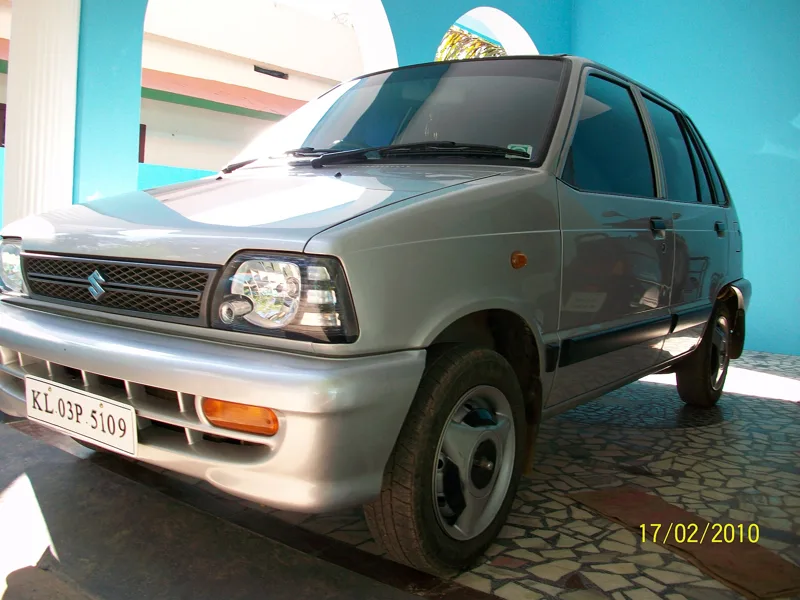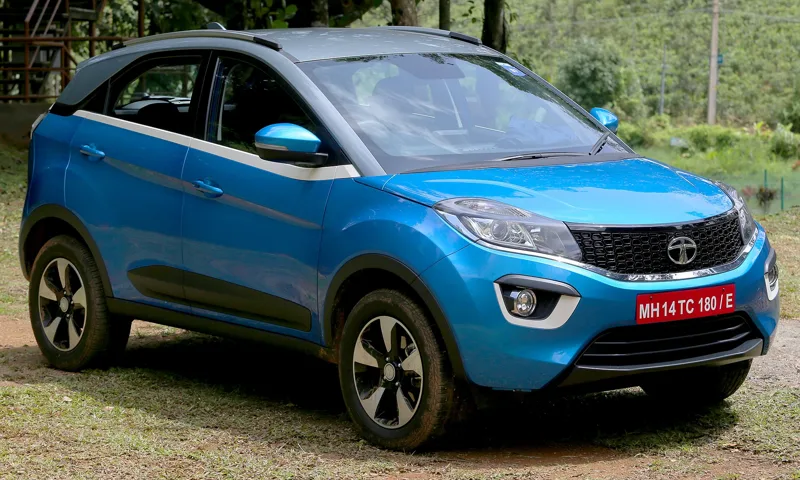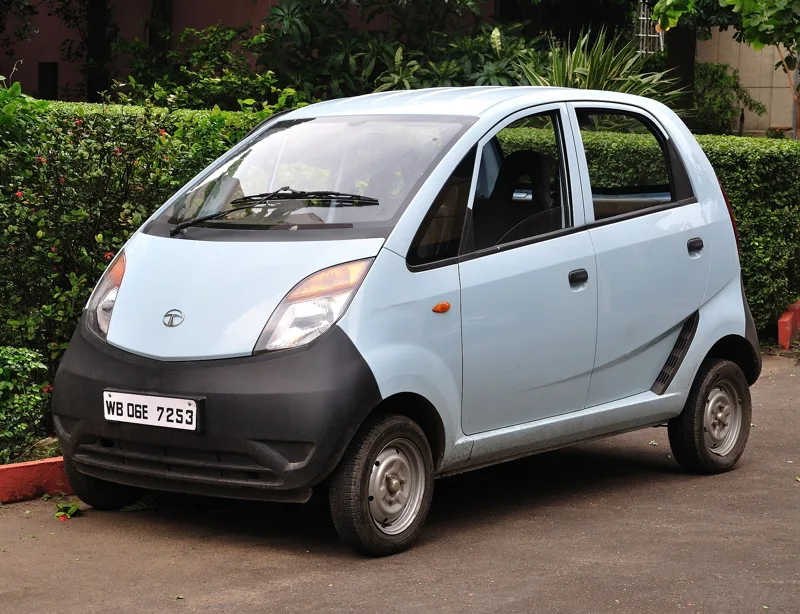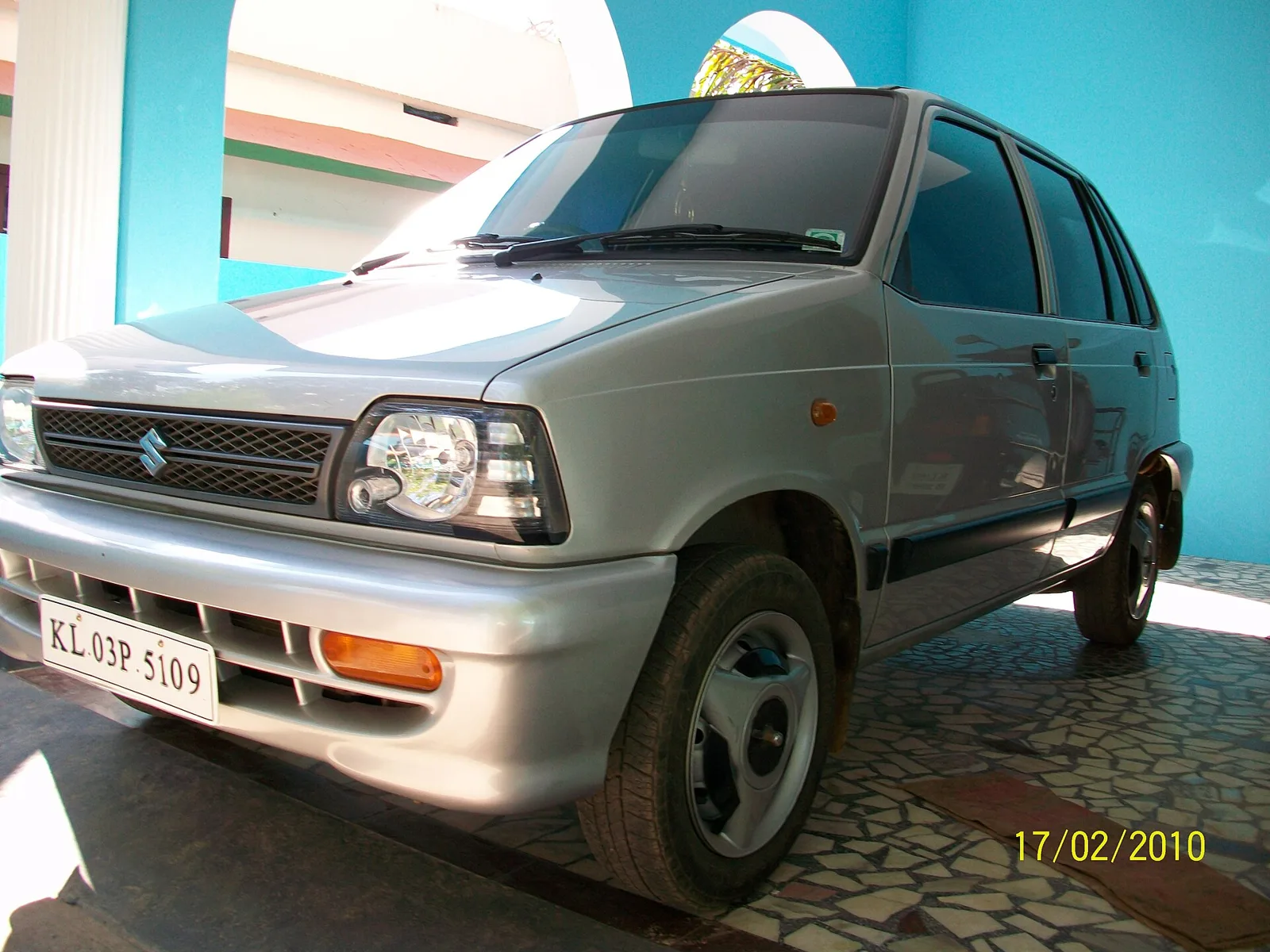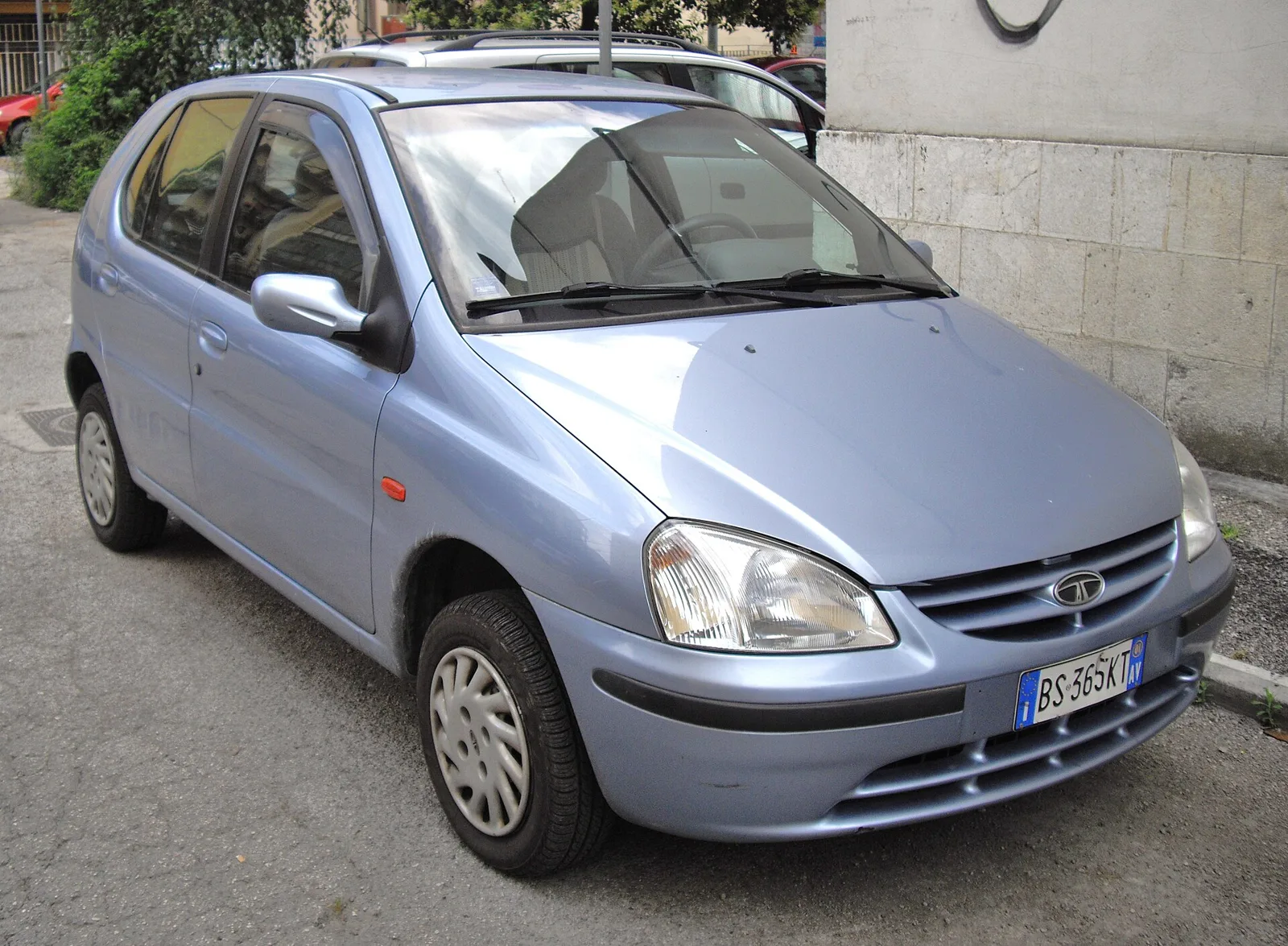
The Ambassador ran for 56 years on a Morris design. The Indica and Scorpio were the cars India built for itself, with a homegrown engine and a supplier-led method.
Hindustan Motors built licensed British designs, with the Ambassador running from 1957 to 2014. Tata launched the Indica in 1998 with a homegrown engine, and Mahindra launched the supplier-engineered Scorpio, its first global model, in 2002. The larger Scorpio-N followed in 2022.
For 56 years one Indian car was built almost unchanged: the Hindustan Ambassador, based on a Morris Oxford of the 1950s, that kept rolling off a line in West Bengal until May 2014. It was a British design that became an Indian institution, and its long run raises an obvious question. When did Indian carmakers start designing and engineering cars of their own?
The answer comes in two steps, 1998 and 2002. In 1998 Tata Motors launched the Indica, which it called the most modern car ever designed by an Indian company, and in 2002 Mahindra & Mahindra launched the Scorpio, built with a method no Indian maker had tried.
Which are the main Indian car brands?
The main Indian brands in this story are Hindustan Motors, Tata Motors and Mahindra & Mahindra. Hindustan was one of the three original car makers in India. Maruti Udyog, which began production in the early 1980s, ended Hindustan's lead in the passenger car market and rewrote the competition.
Each of the three took a different route to the same place. Hindustan built British designs under licence, Tata developed a hatchback with an engine of its own and an Italian studio's styling, and Mahindra assembled an SUV around systems designed by its suppliers.
The Scorpio was built with virtually 100 per cent supplier involvement and sold under the Mahindra badge.
What was Hindustan Motors and the Ambassador?
Hindustan Motors was an Indian car maker based in Kolkata, founded in 1942 by B. M. Birla with the backing of Lord Nuffield of Morris Motors. Its Ambassador, launched in 1957 and derived from the Morris Oxford Series III, was built until 2014 and ranks among the longest-running models in the world.
The company began in a small assembly plant at Port Okha in Gujarat and moved to Uttarpara in West Bengal in 1948, a greenfield plant built after independence. The first car there was the Hindustan 10, based on the Morris 10. The Hindustan 14, from the Morris Oxford MO, and the baby Hindustan, from the Morris Minor, followed, then the Landmaster in 1954. The Ambassador arrived in 1957, and the design later known as Mark-1 stayed basically the same until 2014, picking up power steering, disc brakes and new engines along the way.
Hindustan led Indian passenger car sales until the early 1980s, when the industry opened up from protection. It turned to partners. A technical collaboration with Isuzu from 1983 to 1993 gave it the engine plant at Pithampur and the petrol and diesel engines for the Ambassador and the Contessa, a car based on the British Vauxhall Victor FE. In 1994 it formed a 50-50 joint venture with General Motors to build the Opel Astra, and General Motors India bought the Halol plant in early 1999. A Mitsubishi venture started in 1998 at Tiruvallur near Chennai.
The end was slow. The Ambassador ceased production in May 2014, the Uttarpara plant has been shut since 2015, and on 11 February 2017 Hindustan agreed to sell the Ambassador brand to the PSA Group for 80 crore rupees as part of a tie-up between the groups. The PSA tie-up included a plan to build its cars at the Tiruvallur plant, and Citroen launched the C3 and C5 Aircross in India in 2022.
How did the Tata Indica change Indian cars?
The Tata Indica, launched on 30 December 1998, was Tata's first passenger hatchback and the first diesel-powered hatchback made in India. It brought air conditioning and electric windows, once found only in upmarket imports, to an affordable Indian car, and within two years it was the best seller in its segment.
The name comes from Indian Car, and the advertising line was More car per car. The pitch of roomy interiors at a modest price worked: Tata took 115,000 orders within a week of the unveiling in 1999. Annual sales climbed as high as 144,690 in 2006-2007, and by August 2008 more than 910,000 Indicas had been built, with the platform responsible for close to 1.2 million vehicles. Production ended in April 2018.
The recipe was mixed. The five-door body was styled by the Italian I.DE.A Institute working closely with Tata's own designers, but the 1.4-litre engine was homegrown, derived from Tata's pickup and SUV engine with a shorter stroke. Tata had previously built only station wagons and SUVs.
What went wrong with the first Indica?
Early buyers complained that the car did not deliver the power and mileage promised. Tata Motors reworked the internals and relaunched it as the Indica V2, which solved most of the complaints and turned into a car that Indian buyers actively sought out.
Later versions kept coming: a turbocharged diesel in October 2005, a 1.2-litre petrol in November 2006 and a common-rail Dicor diesel in January 2008. The Xeta petrol delivered 70 PS (51 kW) and about 14 km/L under standard test conditions, dropping to around 10 km/L in Indian cities. A CNG option followed in 2001, and after complaints Tata ran a systematic recall and retrofit of the gas equipment from 28 to 31 May 2007. Criticism of fit and finish against Fiat and Maruti persisted. The Indicab, a stripped-down diesel, was aimed at cab and contract fleets, and the platform also produced the Indigo saloon and the Indigo Marina estate.
Abroad, MG Rover Group sold a badge-engineered Indica as the CityRover in Britain from 2003. It ceased when Rover went bankrupt in 2005 and did not resume even after its Chinese buyer, Nanjing Automobile, started building its own Rover models in 2007.
What replaced the Indica?
The Indica Vista, shown at the ninth Auto Expo in Delhi and launched in August 2008, replaced it. It was not a facelift: it sat on a completely new platform and shared nothing with the old car. It was bigger, at 3,795 mm (149.4 in) long on a 2,470 mm (97.2 in) wheelbase, with two Fiat engines, a 1.3-litre Quadrajet diesel and a 1.2-litre Safire petrol.
Variants included the Vista D90 with a 90 PS Fiat multijet engine, and in 2013 a crossover concept, the Vista D90 Xtreme, with 115 PS tuned jointly by Abarth and Tata engineers and a ride height raised by 25 mm. Tata also showed the Indica Silhouette concept at the 2006 Auto Expo, a rear-wheel-drive car with a 3.5-litre, 330 hp (246 kW) V6 that could reach 100 km/h in 4.5 seconds and 270 km/h (170 mph).
The electric Indica Vista EV had a 55 kW motor and a 26.5 kWh battery, and a claimed range of 200 km and a top speed of 105 km/h. Tata began building 25 for field tests at its Coventry plant in April 2011. The UK launch planned for mid-2011 was postponed in May 2012, and the car was never launched commercially.
How did Mahindra build the Scorpio?
Mahindra built the Scorpio by letting its suppliers do most of the design and engineering. Mahindra set the design, the performance targets and the programme cost, and the suppliers handled testing, validation and materials. The parts were then assembled at a Mahindra plant under the Mahindra badge.
Before the mid-1990s Mahindra & Mahindra was an assembly company making Willys Jeeps with modifications carried out in India. In 1996 it decided to enter the SUV segment with a product able to compete globally. It lacked the know-how, so it hired executives with Western industry experience, among them Pawan Goenka and Alan Durante. With virtually 100 per cent supplier involvement from concept to reality, the company built an entirely new vehicle for 600 crore rupees (about $120 million), including plant improvements. The project took five years from concept to final product.
The Scorpio was launched in India on 20 June 2002 and was Mahindra's first model for the global market. The turbodiesel was an all-new design, the New Engine Family unit, with identical 94.0 mm (3.70 in) bore and stroke, a capacity of 2,609 cc and 109 hp (81 kW) at 3,800 rpm. AVL in Austria later converted it to common rail for the Bharat 3 emissions standards of 2005, lifting output to 115 hp (86 kW). A Renault 2.0-litre petrol of 116 hp (87 kW) was offered too, but customers preferred the torquier diesels.
In Europe the SUV was sold as the Mahindra Goa, reaching Italian buyers in 2003. Many export markets tax engines over 2.5 litres, so a short-stroke 2,498 cc diesel followed in 2004 with 105 hp (78 kW) or 112 hp (84 kW). The Scorpio won three Indian awards, including Business Standard Motoring's Car of the Year and two from BBC World's Wheels.
How has the Scorpio changed since 2002?
It has been facelifted several times and replaced in 2022 by the larger Scorpio-N, while the previous model continues as the Scorpio Classic. The first facelift in April 2006 was marketed as the All-New Scorpio, and a pickup version, the Scorpio Getaway, followed in India in June 2007. A six-speed automatic arrived on 21 September 2008.
In Australia the pickup went on sale in mid-2009 as the Mahindra Pik-Up, and safety additions aimed at a rating of at least three ANCAP stars; the 2012 model got three. At Auto Expo 2006 Mahindra also showed a hybrid Scorpio developed by Arun Juara, said to be the first such vehicle developed in India. The third facelift came on 25 September 2014 and the Scorpio Classic was launched on 19 August 2022, in S and S11 variants.
Safety has been a mixed record. Global NCAP rated the Indian Scorpio with no airbags or ABS at zero stars for adult occupants and two for toddlers in 2016. The Scorpio-N, introduced on 27 June 2022 with a 2.0-litre turbo petrol making 203 PS (149 kW) and diesels of 132 PS (97 kW) and 175 PS (129 kW), was rated five stars for adults and three for children by Global NCAP in the second half of 2022. In 2023 ANCAP gave the Australasian-market Scorpio zero stars because it lacked advanced driver-assistance systems. By February 2024 the Scorpio-N had passed 100,000 units built.
Three Indian cars compared
| Hindustan Ambassador | Tata Indica | Mahindra Scorpio | |
|---|---|---|---|
| Launched | 1957 | 30 December 1998 | 20 June 2002 |
| Basis | Morris Oxford Series III | Tata hatchback, I.DE.A styling | In-house design, supplier engineering |
| Engine | Isuzu petrol and diesel later | 1.4-litre homegrown four | 2,609 cc turbodiesel, 109 hp |
| Body | Saloon | Five-door hatchback | Mid-size SUV |
| Status | Ceased May 2014 | Discontinued April 2018 | Scorpio-N and Classic on sale |
Where this goes next
Mahindra's next plan is a pickup. On 15 August 2026 it unveiled the Scorpio Lifestyler, called the Mahindra Lifestyler in export markets, a pickup built on the Scorpio-N. It will have a 3,500 kg (7,716 lb) towing capacity, a 2.2-litre turbo-diesel engine and is due for release in 2027.
Mahindra had also planned Scorpio-N sales in North America and the Middle East during 2024 alongside the XUV700, with other electric models to follow in 2027. The Scorpio-N went on sale in Australasia in 2023.