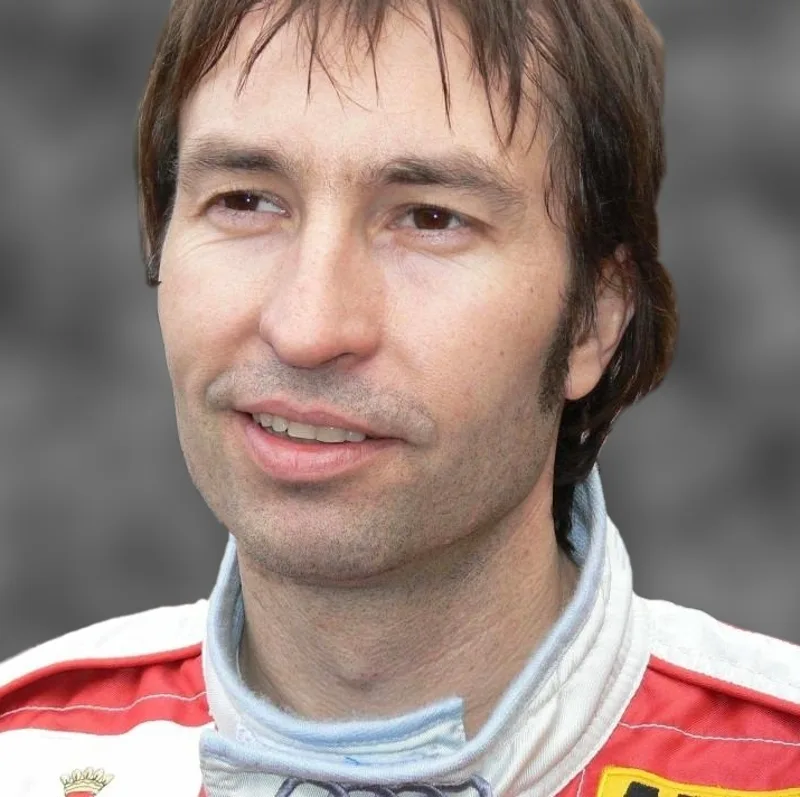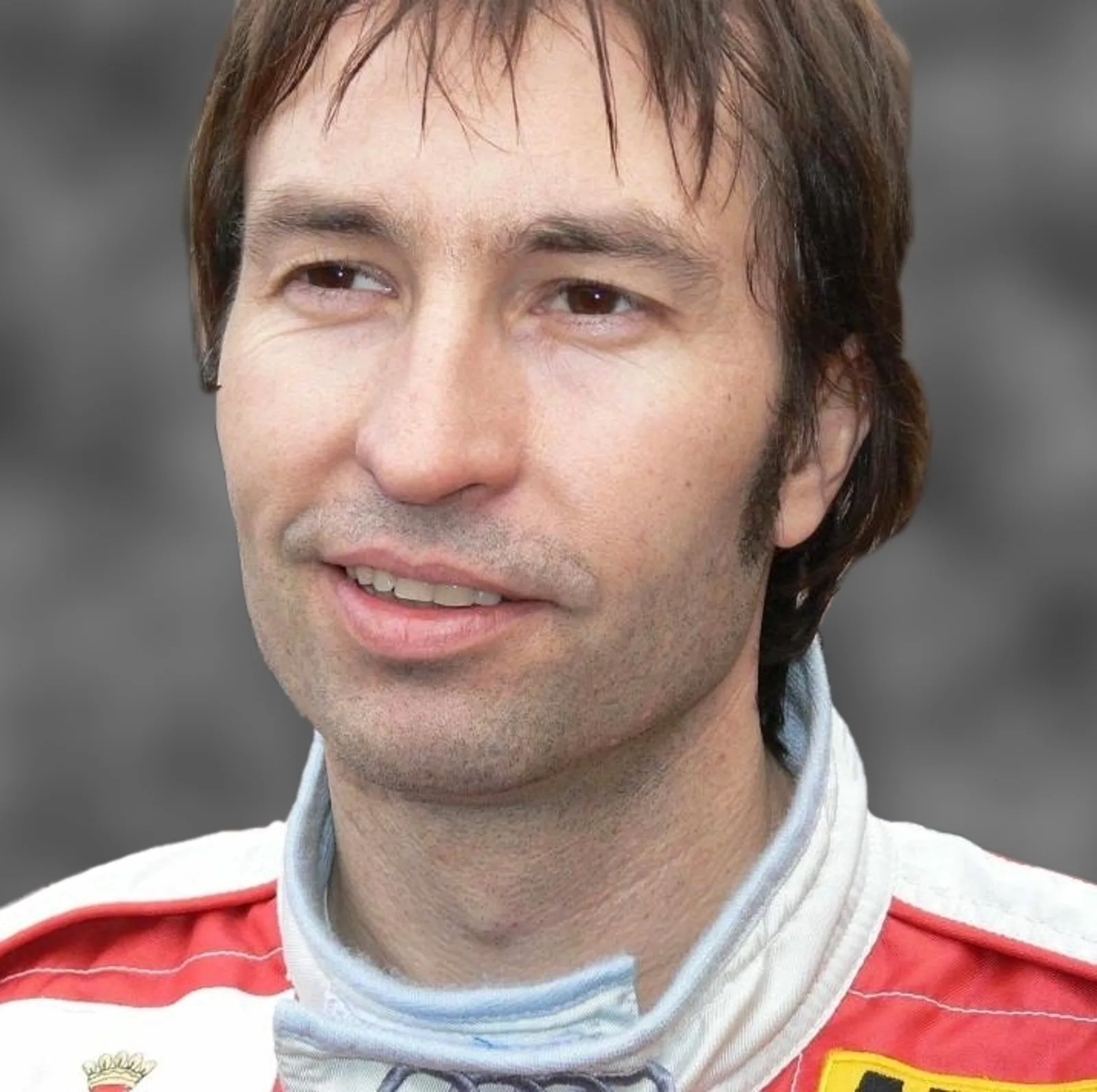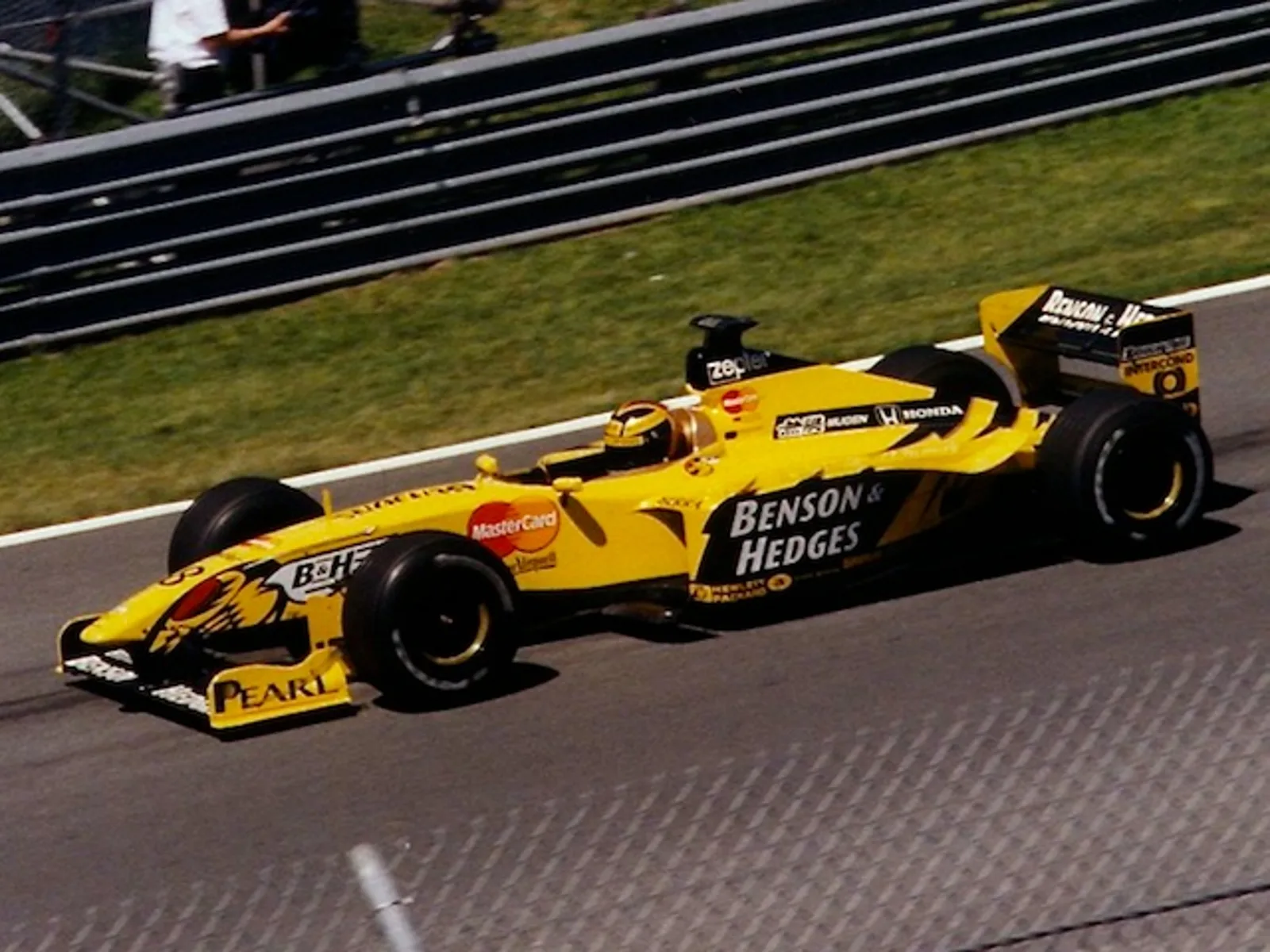
The team's most successful car in fifteen years, with two wins, a pole and a late title chance for Heinz-Harald Frentzen in 1999.
The Jordan 199 was the car Jordan used in the 1999 Formula One season, designed by Mike Gascoyne and Tim Holloway. Power came from a Mugen-Honda V10, and the car delivered two victories, a pole and a third-place finish in the constructors' table. It replaced the 198, which had given the team its first win at Belgium in 1998.
The Jordan 199 was the car Jordan ran in the 1999 Formula One World Championship, and it proved the team's most successful design in fifteen years of racing. Heinz-Harald Frentzen won two races with it and was in the title hunt until late in the year. Damon Hill, the 1996 champion, struggled badly and stepped away before the season ended.
Where did the 199 come from?
The 199 was a development of the 198 rather than a clean-sheet design, refined with extensive wind tunnel work to improve its aerodynamics. Mike Gascoyne, the technical director, and his assistant Tim Holloway led the design. The 198 had given the team its first victory at Spa the year before, and it had finished fourth in the championship, so the 199 was expected to build on that.
The wind tunnel work concentrated on aerodynamic efficiency, and the team hoped that gain would turn into more consistent pace from race to race. The car was therefore a step in a longer programme rather than a single leap, which suited a team that had grown steadily since its early years.
The driver line-up changed too. Frentzen arrived from Williams in a swap that sent Ralf Schumacher the other way, and he turned out to be the team's standard-bearer for the year. Hill was the other driver, and the team also ran test drivers Tomas Enge and Shinji Nakano.
Frentzen had a realistic shot at the drivers' championship, and his season became the best of his career. Hill was comprehensively outperformed by his team-mate across the year, and he could manage only seven points towards the team's eventual total of 61.
The team's most successful car in fifteen years, carrying Frentzen to two wins and a late title push.
How did the engine and chassis work together?
Power came from a Mugen-Honda MF-301HD V10 of 3.0 litres, mounted amidships with no turbo. Elf supplied the fuel and oil, Penske the shock absorbers, Brembo the carbon disc brakes and Bridgestone the tyres. The gearbox was Jordan's own six-speed sequential semi-automatic unit.
The car's livery kept the hornet theme but updated it, with fresh hornet stripes along the back. Benson and Hedges branding ran on most rounds, but at France, Britain and Belgium the hornet artwork changed to Buzzin' Hornets graphics, which matched the bee motif on the nose.
How did the season begin?
The opening race in Australia was promising, with Frentzen second behind Ferrari's Eddie Irvine and ahead of Ralf Schumacher's Williams. Hill was out early after a collision with Jarno Trulli at turn three. Brazil and San Marino followed, with Frentzen on the podium again in Brazil.
In Australia Frentzen qualified fifth and Hill ninth. Hill made a strong start, but he was caught up with Trulli's Prost at turn three. Frentzen was up to fourth after Barrichello's Stewart went up in flames on the grid, and the McLarens fell away with technical problems, which left him second behind Irvine.
Frentzen could have snatched the lead at the stops, but Ferrari's crew moved Irvine ahead first.
In Brazil Hill qualified ahead of Frentzen, but he hit Alexander Wurz's Benetton on the inside of the first corner and both cars were eliminated. Frentzen passed Jean Alesi, took his sixth place back when the Frenchman retired, and then inherited third when Barrichello's engine failed. That second straight podium put Jordan second in both championships.
At Imola the Jordans started seventh and eighth. Frentzen gained a place on the opening lap by getting past Villeneuve's stricken BAR. Frentzen spun on Irvine's oil on lap 47 and his race was over, while Hill recovered to fourth, his first points of the year. That left Frentzen and Jordan third in the standings.
Hill qualified 17th at Monaco and was out after contact with Ralf Schumacher at the chicane. Frentzen, sixth on the grid, benefited from Coulthard's gearbox problem and finished fourth after Barrichello's heavy accident. Frentzen had passed Barrichello for fourth on lap 50, and the Brazilian crashed heavily seven laps from the finish. In Spain both drivers dropped places at the start. Frentzen's car gave out with a differential fault on the 36th lap, and Hill finished seventh, just outside the points.
Earlier in that race Frentzen had run as high as fifth during the pit stops, before Jean Alesi's transmission failure lifted him to eighth. His hopes did not last, because the differential failure followed soon after.
What were the mid-season highlights?
Frentzen won the French and Italian Grands Prix, and both victories came in a season when Jordan had rarely looked so close to the front. The French race was run in wet conditions and Frentzen converted a strong position into his and Jordan's second career victory. The Italian win was his second of the year, and it lifted him back to third in the championship.
The French race had turned on its weather. Track conditions became treacherous, and the leaders pitted for wet tyres. Hakkinen came through from 14th on the grid and passed Frentzen, but Hakkinen and Barrichello both had to pit again, which left Frentzen clear to take the win.
At Monza Frentzen was on the front row, behind Hakkinen. When Hakkinen spun out of the lead on lap 30, Frentzen inherited it and kept it through the pit stops, ahead of Mika Salo and David Coulthard. Hill was overtaken by Alesi with four laps to go and dropped to tenth after Salo passed him too.
The Canadian race is remembered as the first to end under the safety car. Hill was the first victim of the Wall of Champions on lap 15. Frentzen climbed to second after a collision between Irvine and Coulthard, but a brake failure with four laps left ended his race in a heavy impact with the barrier.
At Silverstone the Jordans locked out the third row and finished fourth and fifth. After Michael Schumacher's crash at the first start, the Jordans were fourth and fifth, and Hill was passed by Ralf Schumacher at the second start. Frentzen harried Ralf Schumacher to the flag, but the order did not change. In Austria Frentzen started fourth but dropped back, and Hill fell to thirteenth before a recovery that left the team with fourth and ninth at the flag. In Germany Frentzen shared the front row with polesitter Mika Hakkinen, finished third and collected his fourth podium of the season, while Hill's race ended with a brake failure. Frentzen had been passed by Barrichello on lap 3, although Hill gained a place at the same moment when Fisichella's suspension failed.
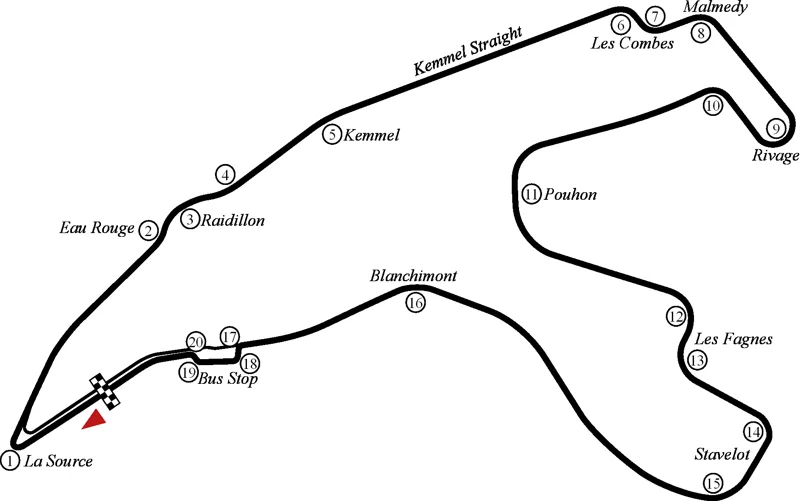
Hungary brought Jordan its first double points finish since Silverstone, with Frentzen fourth and Hill sixth. Belgium brought another double points finish, with Frentzen third and Hill sixth, and Frentzen's form was steady enough to keep him in contention.
At Spa Frentzen qualified third and held that position early on, while Hill qualified at his strongest of the season and lined up alongside his team-mate on row two. Hill made a poor start, but after the stops he jumped both Williams cars to move up to fifth, before settling for sixth at the flag.
By mid-season the 199 had shown it could win, and Frentzen's regular presence near the front kept Jordan in contention for both championships. Hill rarely reached the same level, and the gap between the two team-mates became one of the season's talking points.
Why was the European Grand Prix a turning point?
At the Nurburgring Frentzen took pole, his second in Formula One and his first for Jordan. Hill was caught up in Pedro Diniz's heavy accident at the first corner, and a safety car period gave Frentzen a cushion at the front for six laps. He kept the lead through a single pit stop, and then the rain began to fall. Frentzen was leading comfortably when his electrics failed on lap 33, and ten points went up in smoke.
Frentzen had been only 12 points off Mika Hakkinen before the second-last race, the first Malaysian Grand Prix, so a title was still a theoretical possibility. Hill spun after touching Jacques Villeneuve at the second corner and retired, while Frentzen recovered to sixth and scored one championship point. He was then 19 points behind Eddie Irvine with a race to go, and his challenge was over.
Hill's season was hard from the start, and early trouble became a theme. He was involved in several first-lap collisions, most notably in Brazil and at Monaco, and his lap one problems left him with little to show for his speed.
How did the season end for Jordan?
The team's 61 points were enough for third among the constructors. Frentzen finished third in the drivers' table, having been in the fight for the title for most of the year.
The finale at Suzuka was Hill's last race before he retired. He qualified 12th, while Frentzen was fourth on the grid, and both lost two places on the opening lap. Frentzen gained places through retirements and finished third, while Hill was eleventh. Hill moved up a place once Trulli's retirement with an engine fault came through, and Frentzen moved up when Olivier Panis's electrical failure ended that race. Late on, Frentzen had to hold off Ralf Schumacher, his long-running rival over the year. Hill had complained of fatigue in the pits, and his illustrious career ended without a fanfare.
The 199 was replaced for 2000 by the EJ10, which Gascoyne and Holloway had designed. Hill's seat went to Jarno Trulli, who arrived from Prost, but the EJ10 and its mid-season successor, the EJ10B, were much less successful. Between them they produced two podiums, both for Frentzen, and the team could finish only sixth in the championship.
Specification and results at a glance
| Item | Detail |
|---|---|
| Season | 1999 Formula One World Championship |
| Designers | Mike Gascoyne, with Tim Holloway |
| Engine | Mugen-Honda MF-301HD 3.0 litre V10, naturally aspirated |
| Gearbox | Six-speed sequential semi-automatic |
| Tyres | Bridgestone |
| Wins | Two, both by Heinz-Harald Frentzen |
| Pole positions | One, Frentzen at the European Grand Prix |
| Constructors' result | Third, 61 points |
| Damon Hill's points | Seven |
| Successor | EJ10, used in 2000 |