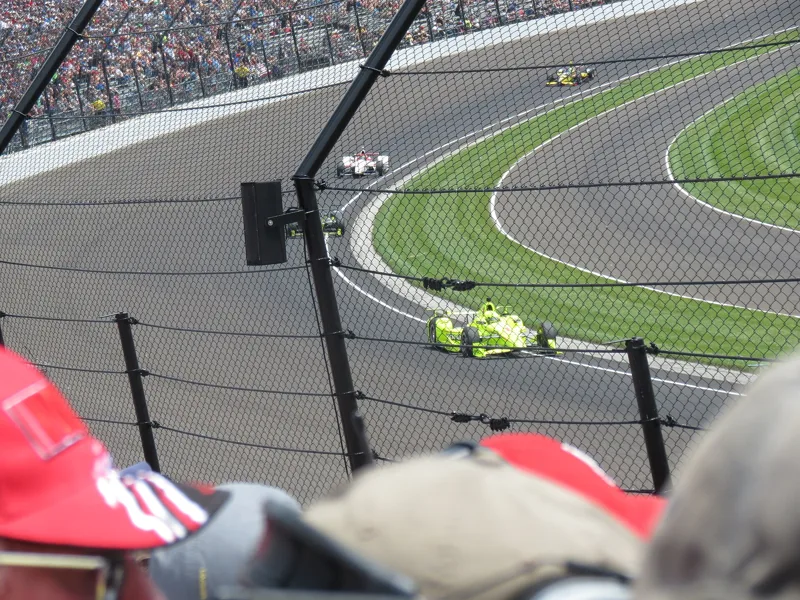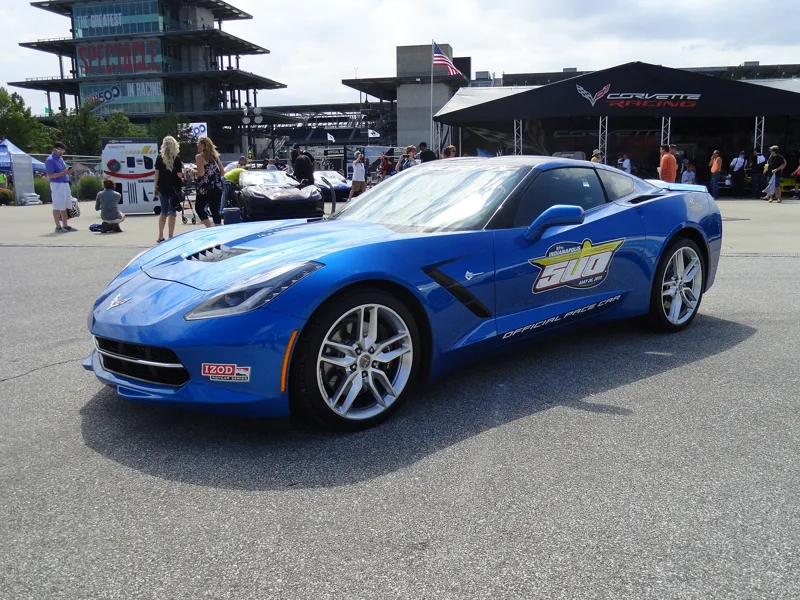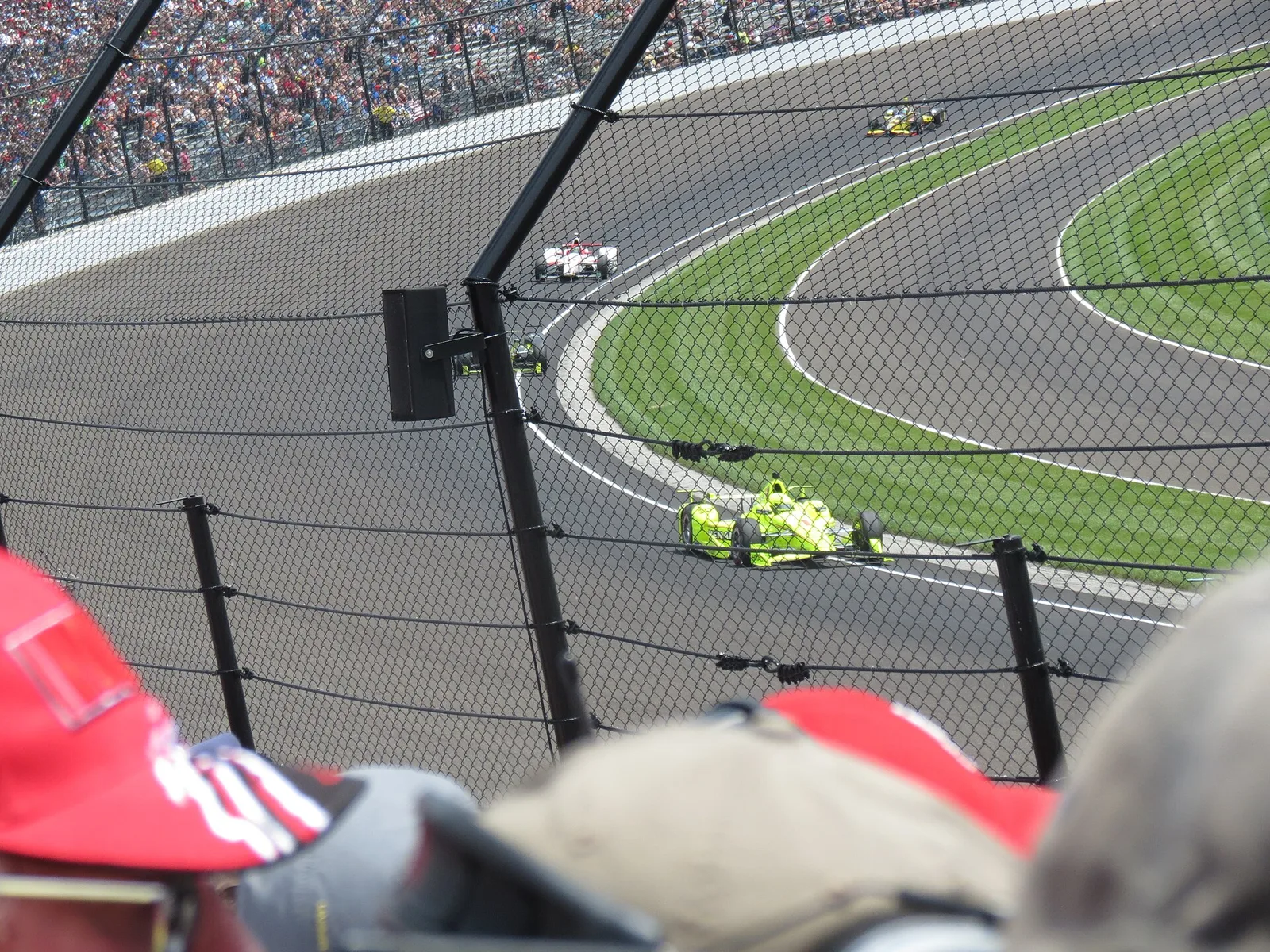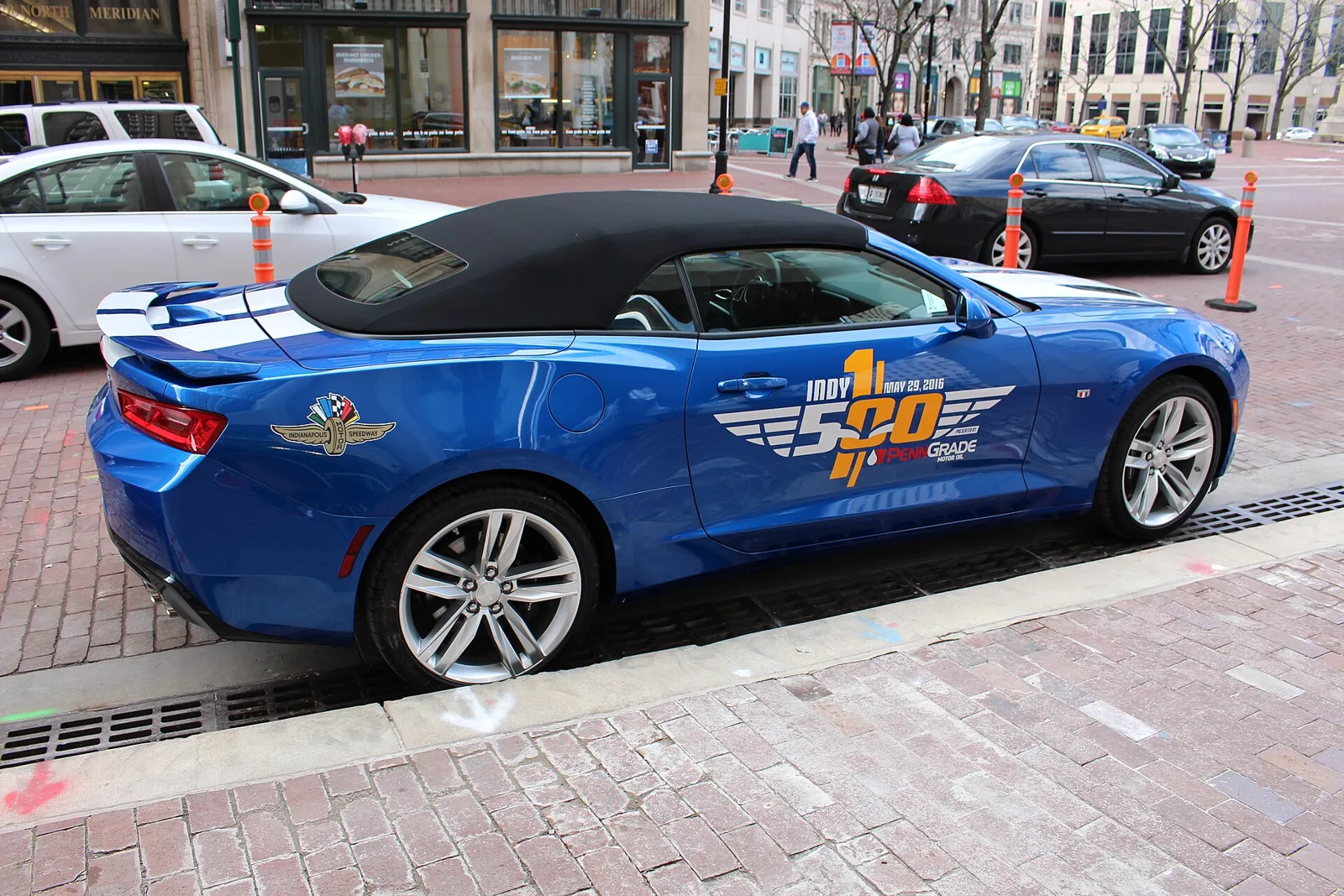
A rookie who ran out of fuel on his cool-down lap won the 100th Indianapolis 500 ahead of Carlos Munoz and Josef Newgarden.
The 2016 Indianapolis 500 was the 100th running of the race, held on 29 May 2016 at the Indianapolis Motor Speedway. Alexander Rossi won for Andretti Herta Autosport after his team had him save fuel, with Carlos Munoz second and Josef Newgarden third.
Alexander Rossi won the 2016 Indianapolis 500 on fuel mileage, taking the 100th running as a 24-year-old rookie for Andretti Herta Autosport. Carlos Munoz finished 4.4975 seconds back, and Rossi ran out of fuel on his cool-down lap, so a tow truck brought him to victory lane.
Why was the 2016 race a milestone?
The 2016 event was the hundredth staging of the Indianapolis 500 and the headline fixture of the Verizon IndyCar Series. Five years earlier, a three-year Centennial Era had marked the opening of the circuit in 1909 and the first running in 1911.
The 1916 race had been planned as a 300-mile event, so 2016 was logged as the ninety-ninth 500-mile contest in the canon. The occasion also honoured the bicentennial of Indiana's statehood.
Demand was unusually strong. Grandstand seats sold out in early May, the first sellout since before 2003, and by 25 May every general admission ticket had gone. The race also stopped being blacked out on local television, a first since 1950.
The race had a presenting sponsor for the first time in its history: PennGrade, a brand of D-A Lubricant based in Lebanon, Indiana. D-A had backed teams at Indianapolis in the late 1950s and remains an associate sponsor of Rahal Letterman Lanigan Racing. The Indianapolis Star reported a three-year contract worth roughly $5 million.
Rossi coasted across the line on fuel mileage, then ran dry on the cool-down lap and was towed into victory lane.
How did the season set up May?
May opened on 14 May with the Indianapolis Grand Prix, now in its third year, and practice for the 500 began on Monday 16 May. He had finished second at St. Petersburg and Phoenix, then took wins at Long Beach, Alabama and the Indianapolis Grand Prix, the third annual edition of that May event.
Engines were the big question, and so were the dome skids. The skids had come in after three major crashes in 2015, when cars flipped and became airborne. Honda teams resisted them after testing showed they unsettled the handling, but the concerns were mostly resolved once practice began, and none of the crashes in practice or qualifying saw a car flip.Chevrolet had taken every pole and all five race wins so far in 2016, and in 2015 it had filled the top five in qualifying and the top four on race day. Practice then turned the tables. Honda teams topped the timesheets on three of the four open days, one day having been lost to rain, and they took pole, Honda's first here since 2011.
What were the rule changes?
Cars had to weigh more. The minimum rose from 1580 pounds to 1610 pounds, a change tied to a revised Suspension Wheel/Wing Energy Management System. Every entry also had to run the same E85 fuel blend, ending the additive Chevrolet had previously been allowed.
Both the domed skid plates and the flaps on the rear wing became compulsory. The skids sit beneath the chassis to limit the chance that a car takes off in a crash, and the flaps spring out during a spin or when a car runs backwards, spoiling airflow and generating downforce.
Teams were allocated 36 sets of Firestone tyres for the whole month, covering practice, time trials and the race, which matched the 2015 total. The special red tyres were not used on ovals.
Turbo boost was tuned through the month. It stood at 130 kPa during practice from May 16 to 20, rose to 140 kPa for Fast Friday and the time trials, then returned to 130 kPa for Carb Day and the race.
Rookie orientation was tougher too. The three phases now required 10 laps at 340 to 346 km/h (210 to 215 mph), 15 laps at 346 to 350 km/h (215 to 220 mph) and 15 laps above 350 km/h (220 mph), a step up of 5 mph on the 2015 figures.
What did the test days show?
On Tuesday 5 April four Chevrolet teams and a single Honda team ran a private session, mostly to assess the dome skids. Marco Andretti was the only Honda driver present, and a new rear wing flap was also being tried. The weather was chilly and the session passed without incident.
The open safety test on Wednesday 6 April had fifteen cars. Andretti set the day's quickest lap at 359.571 km/h (223.427 mph) in a Honda, and Simon Pagenaud was the fastest Chevrolet at 356.137 km/h (221.293 mph). Gusts up to 64 km/h (40 mph) made the conditions difficult, and an afternoon shower kept the track closed for two hours.
One week later IndyCar confirmed the dome skid plates as mandatory and lengthened the optional underwing sidewalls.
How did rookie orientation work?
Five rookies had to complete a 40-lap test on the first day of practice, which examined control, positioning and a steady pattern. Rossi, Chilton and Pigot cleared all three phases. Brabham and Wilson passed the first two, then had to attempt the last during an open session, which they did later that day.
Phase one was 10 laps over 340 km/h (210 mph), phase two 15 laps at 346 km/h (215 mph) and phase three 15 laps above 350 km/h (220 mph). The rookie block ran from noon until 2 p.m., and the track then opened to the whole field.
How did practice unfold?
Monday 16 May saw all 33 entries on track, and they completed 1,474 laps. Andretti Autosport controlled the timesheets, with five of the top six drivers from the team. Marco Andretti's best was 368.504 km/h (228.978 mph), and Townsend Bell's quickest no-tow lap was 360.396 km/h (223.940 mph).
Tuesday was a washout. Rain ruled out the whole day, and the circuit shut at 2:45 p.m., the first practice day lost in full since 2011.
Wednesday's first mishap came when Spencer Pigot slid into the outside wall at turn one. He climbed out unhurt, though the car was badly damaged. Matthew Brabham stopped at turn three with no power, and Mikhail Aleshin's engine failed on the backstretch. Hunter-Reay was quickest that day, at 367.256 km/h (228.202 mph).
Thursday produced 2,563 laps, with brief stoppages when Montoya lost power and Hunter-Reay's engine failed. Gabby Chaves of Dale Coyne Racing led a session for the first time from outside the Andretti stable, at 366.868 km/h (227.961 mph). Pigot returned in a back-up car for a shake-down lap at the end of the day.
Fast Friday brought boost up to 140 kPa. Marco Andretti was first over 370 km/h (230 mph) at 12:30 p.m., and by the end fourteen drivers had broken that barrier. Power posted the best lap of the day at 374.449 km/h (232.672 mph), and Bell's quickest no-tow run was 372.840 km/h (231.672 mph). Light rain then closed the track for about 45 minutes from 4:05 p.m.
What do the practice terms mean?
Fast Friday is the open practice session where teams raise boost for the first time ahead of time trials, so it is the day when the highest speeds of the month usually appear. A no-tow lap is one run without a car ahead drawing in the slipstream, which shows how quick a car is on its own.
The day closed with a session called Happy Hour, which ran after the track reopened following its moisture stoppage. Carb Day, held on 27 May, was the traditional final practice before the race, and it was paired with the annual Pit Stop Challenge.
Notable entries
| Driver | Team | Notes |
|---|---|---|
| Matthew Brabham | KV Racing Technology | Third-generation driver to qualify |
| Buddy Lazier | Lazier Partners Racing | 20th anniversary of his own Indy 500 victory |
| Alex Tagliani | A. J. Foyt Enterprises | No. 35, honouring Foyt's 35 consecutive starts |
| Stefan Wilson | KVSH Racing | No. 25, the number his late brother drove |
Brabham, Geoff Brabham's son and Sir Jack Brabham's grandson, was the third third-generation driver to qualify, after Billy Vukovich III and Marco Andretti. Lazier's entry marked two decades since his own victory in the race.
Stefan Wilson ran the number that Justin Wilson drove in 2015. Justin had died in a racing incident at Pocono in August of that season, and his younger brother carried the tribute into the 500.
How did time trials open?
Qualifying ran across 21 and 22 May, and James Hinchcliffe took the pole, just over a year after the near-fatal practice crash he had suffered in 2015. On Saturday 21 May, morning rain pushed practice back to 12:30 p.m. Tony Kanaan was first to complete a run when qualifying opened at 2:15 p.m., and Josef Newgarden briefly led with 370.518 km/h (230.229 mph).
Roughly an hour after the opening, Townsend Bell pushed the mark to 370.877 km/h (230.452 mph) at 3:40 p.m. At 4:24 p.m. a rear wing end fence failed on Pippa Mann's car. It spun at turn two, struck the outside wall twice and came to rest against the inside wall, but she was unhurt.
Earlier that day Max Chilton had spun at turn two and hit the outside wall, though he was not seriously injured. Rossi had gone quickest in practice at 372.159 km/h (231.249 mph).
The session was extended to 7 p.m. to make up for minutes lost to the weather. The top nine qualifiers were locked in for a shootout on Sunday, and the rest of the grid, positions 10 to 33, would be settled that same day.
How did Rossi win the race?
Rossi won on fuel. Driving for Andretti Herta Autosport with Curb-Agajanian, he had his team's fuel plan to thank, as they had him save fuel while the other leaders made their stops, and he inherited the lead on lap 197. He crossed the line first with Munoz 4.4975 seconds back.
Over the last ten laps, the leaders pitted in turn, since few expected to reach the flag without a fuel stop. Few drivers had pitted since the caution that ended on lap 166, which turned the closing stint into a test of economy.
On the last lap Munoz charged, but Rossi moved to the inside coming out of turn four and coasted home. A tow truck was needed once he ran dry, and that is believed to be the first time a race winner was brought back to victory lane in that manner.
Munoz had now finished runner-up twice at Indianapolis, the earlier occasion being 2013. Newgarden took third. Juan Pablo Montoya, a two-time winner, had arrived as the defending champion.
What did the race mean for the drivers?
This race closed out Alex Tagliani's driving career. It was also Townsend Bell's last after 13 seasons in IndyCar, and Bell turned to sports cars in the IMSA SportsCar Championship. Tagliani planned to focus mainly on NASCAR from 2017.
For Rossi, it was his first start in the race, and the fuel gamble was the story. The race had sold out and was no longer blacked out locally, so the centenary running reached a full house on the day.