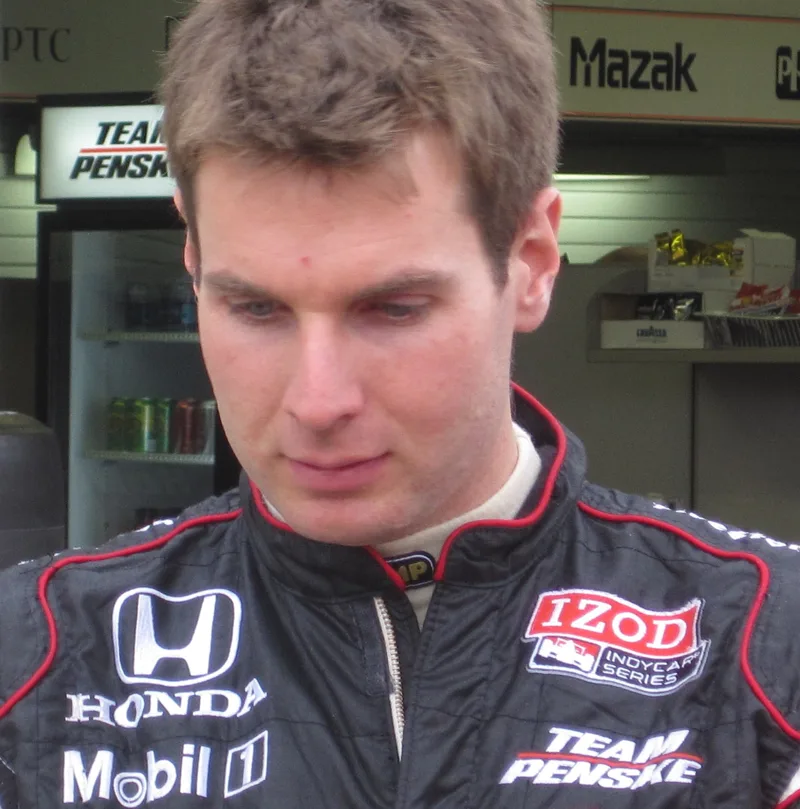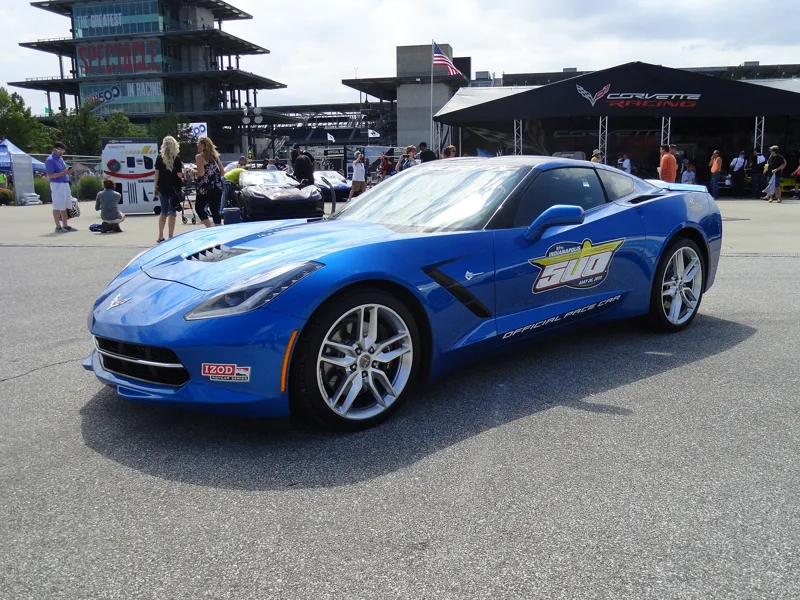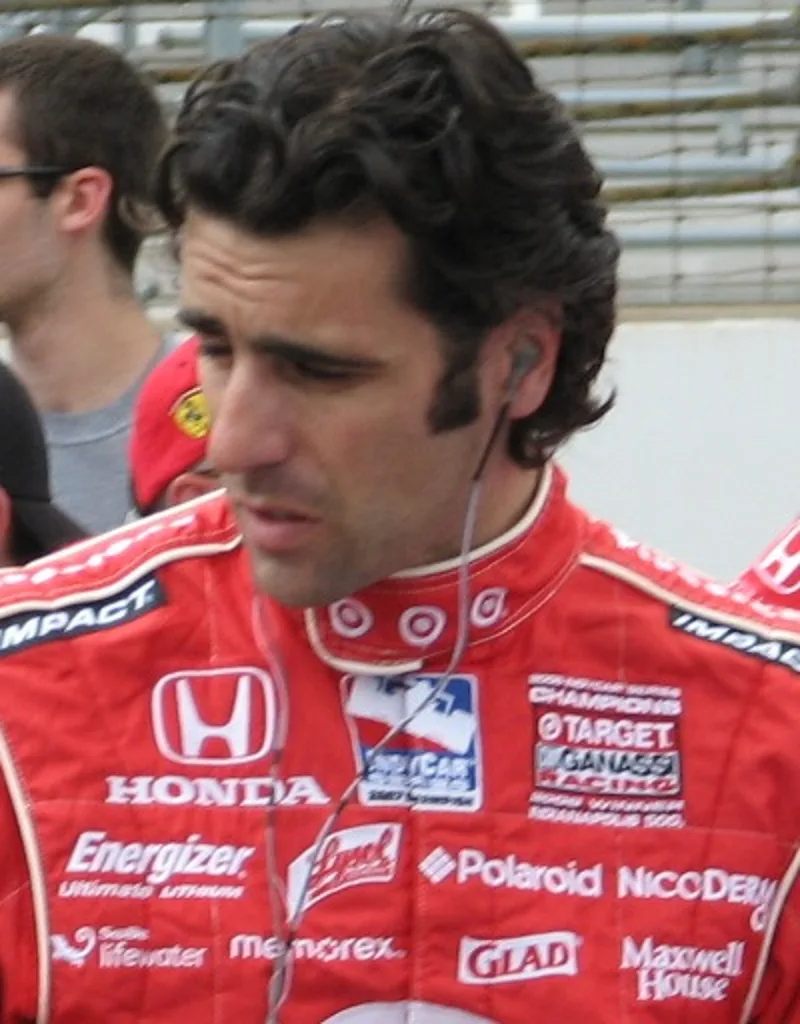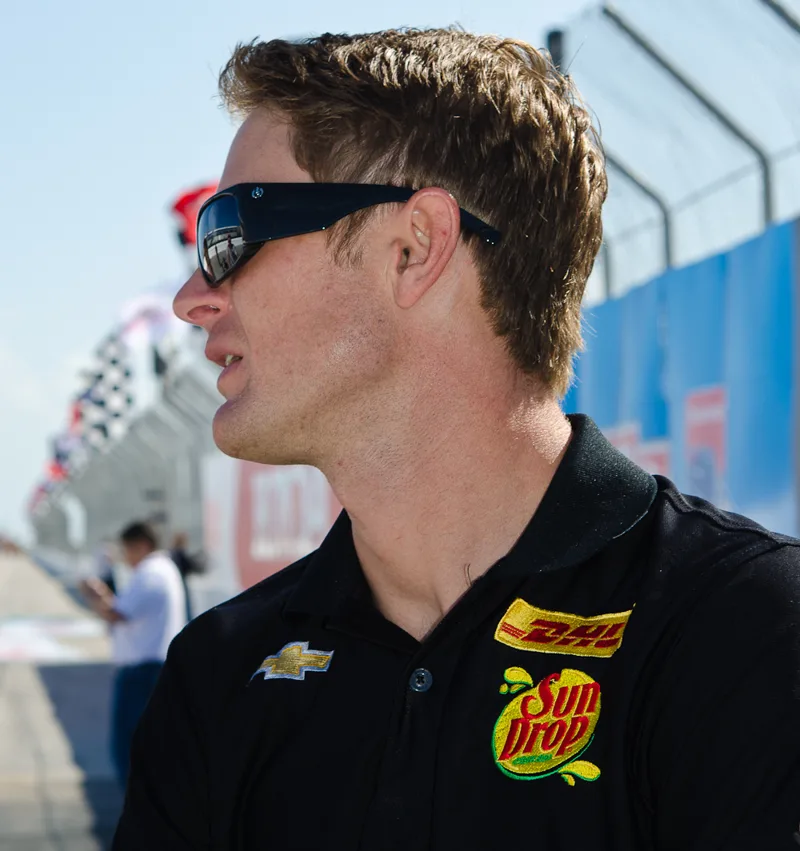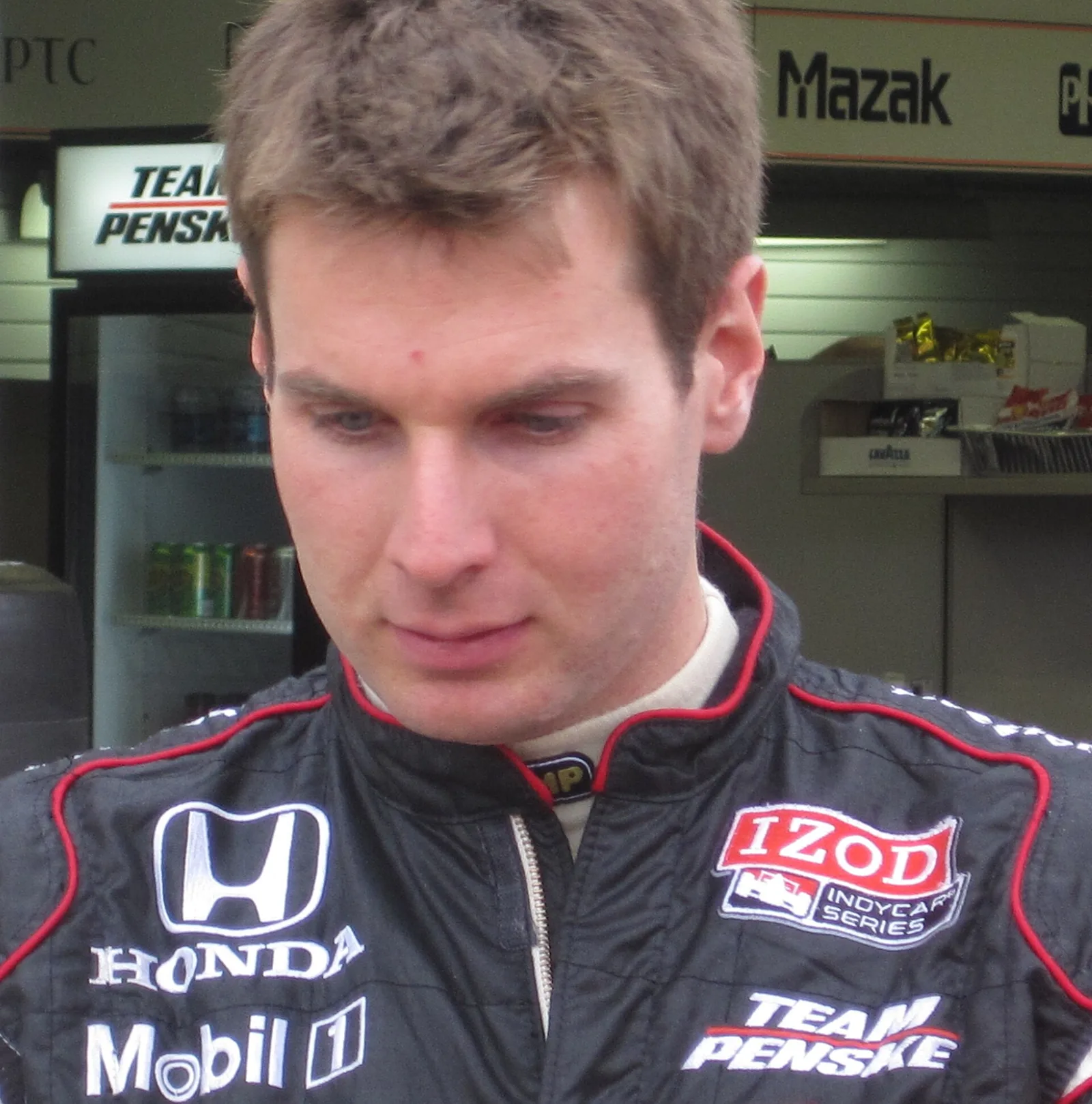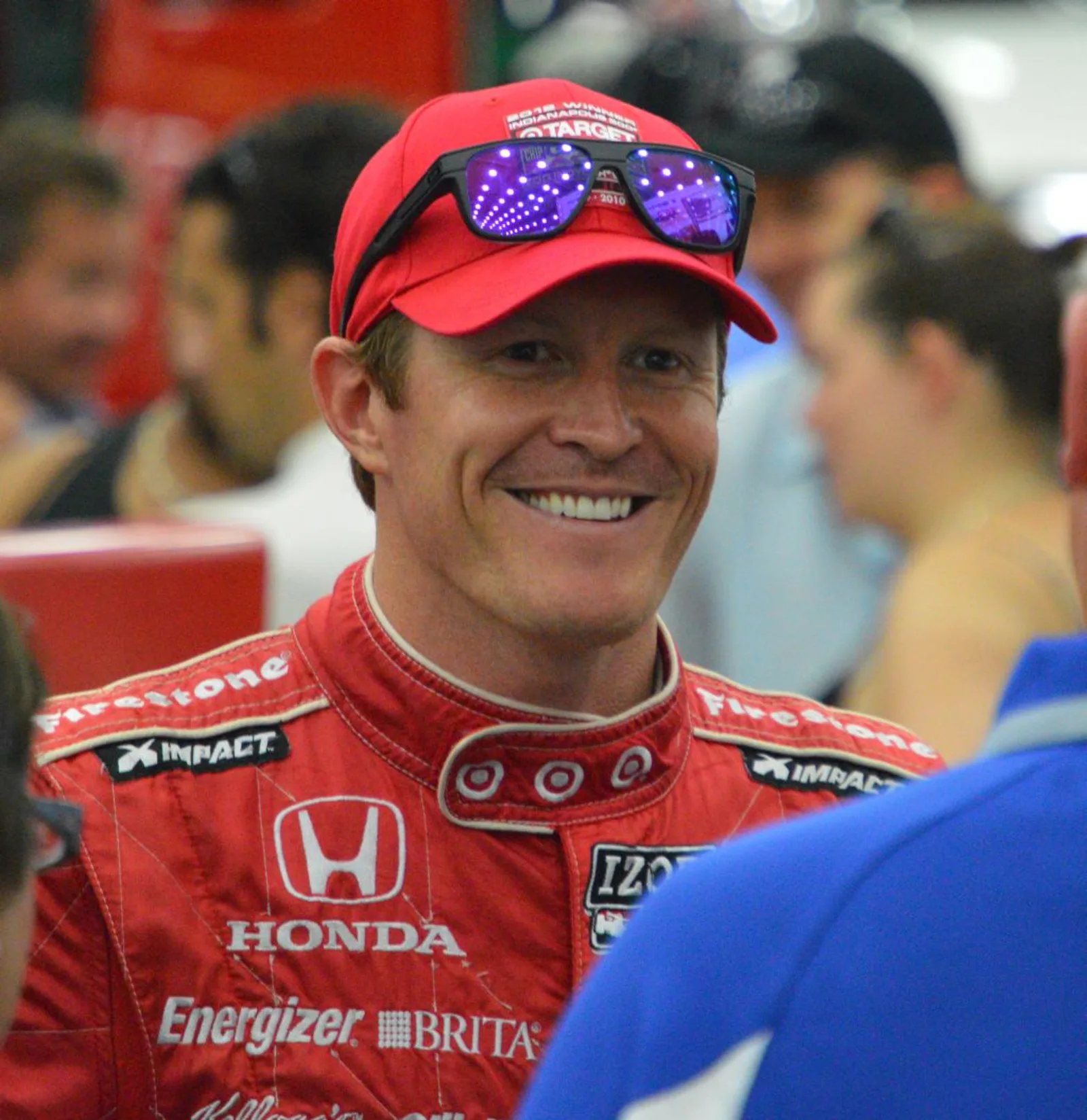
Four first-time winners, a new doubleheader format, a 27-point title win for Scott Dixon and a Houston crash that ended a career.
The 2013 IndyCar Series was won by Scott Dixon, who took his third title by 27 points over Helio Castroneves. The season featured ten different winners, four first-time winners and a 19-race calendar with three doubleheaders.
The 2013 IZOD IndyCar Series was the 18th season of the championship and produced Scott Dixon's third title, won by 27 points over Helio Castroneves. It featured four drivers winning for the first time, a count not matched since 1965, a new doubleheader format and the return of the Triple Crown, and its Houston finale included a last-lap crash that ended Dario Franchitti's career.
What was the 2013 IndyCar Series?
This was the 18th campaign of the IndyCar Series, the 102nd year of American open-wheel racing. The headline race was the 97th Indianapolis 500, run on Sunday 26 May. Ryan Hunter-Reay entered the season as defending drivers' champion, and Chevrolet was the defending Manufacturers' Cup champion.
It was the second season in which every entry used the Dallara DW12, built around an IndyCar Safety Cell base chassis with a Dallara aero kit. Every team ran Firestone tyres, and Firestone had signed a five-year extension with the series on 21 December 2012, making it the official supplier through 2018.
Scott Dixon's third title came by 27 points, after a season of firsts and one crash that ended a career.
How did Dixon win his third title?
Dixon won the championship by 27 points after a two-driver fight with Castroneves that ran into the final weekend. Dixon held a 25-point advantage with one race left, and he finished fifth at Fontana while Castroneves finished sixth. Dixon had previously won titles in 2003 and 2008, which made him a three-time champion.
The margin came from consistency at the right moments. Dixon won four races, including a Toronto doubleheader sweep, and he closed the deficit to 8 points with two events remaining by winning the first Houston race. Castroneves had a rough end to the year, finishing 18th and then 23rd at Houston, which gave Dixon the points lead for the first time.
Which teams and drivers changed in 2013?
Lotus withdrew after a poor 2012 season, so 2013 was the first season since 2002 with only two engine manufacturers. Rubens Barrichello left the series for Brazilian stock car racing after failing to find a sponsor, and A. J. Allmendinger returned to Penske after his release from its NASCAR team.
Allmendinger had been released for violating NASCAR's substance abuse policy, and he took over the No. 2 car vacated by Ryan Briscoe. He tested at Sebring on 18 and 19 February 2013, then drove at Barber, Long Beach, Detroit, the Indianapolis 500 and Fontana. Graham Rahal moved from Chip Ganassi Racing to Rahal Letterman Lanigan, and Takuma Sato left that team for A. J. Foyt Enterprises. James Jakes made the reverse move from Dale Coyne Racing to Rahal Letterman Lanigan.
Simona de Silvestro moved from HVM Racing to KV Racing Technology, and E. J. Viso left KV for a three-team alliance between his own team, Andretti Autosport and HVM Racing. Sebastian Saavedra joined Dragon Racing, replacing Katherine Legge. The mid-season changes were fewer. Panther Racing ended its contract with J. R. Hildebrand on 30 May, and Ryan Briscoe replaced him for Belle Isle. Barracuda Racing asked Alex Tagliani to give up its car on 26 July, and Luca Filippi drove the No. 98 at Mid-Ohio.
How was the 2013 schedule built?
The schedule was formally announced on the evening of 30 September 2012 and consisted of nineteen races at sixteen venues. Three of the weekends were doubleheaders, and one race in each of the Toronto and Houston doubleheaders was planned with a standing start. Belle Isle did not use a standing start because its start-finish area was too narrow.
The Triple Crown returned for the first time since 1989, with races at Indianapolis, Pocono and Fontana. A $1,000,000 prize awaited any driver who won all three of those events, with $250,000 for a driver who won two. The series also returned to the 2.346 mile Belle Isle layout used from 1998 to 2001.
Pocono hosted a 400-mile race on 7 July 2013, the first open-wheel race at the track since 1989, and the contract was signed to run through 2015. Edmonton did not return after its promoter decided not to stage the race. The Grand Prix of Houston came back to American open-wheel racing on 4 to 6 October, under a contract running through 2017 and a four-year title deal with Shell. The event had last run as a Champ Car race in 2007.
A twentieth round in Europe was discussed, with Monza, Imola and Mugello named as candidates, but it did not materialise. The series moved its international focus to a possible return in 2015 at the earliest.
How did the opening rounds unfold?
James Hinchcliffe won the season opener at St. Petersburg for the first time in his IndyCar career, taking the lead from Castroneves on a restart on lap 85 of 110. He held Castroneves off by 1.09 seconds, with Marco Andretti third. Will Power dominated early but dropped to 16th after contact with Hildebrand, and Franchitti finished last after an early crash.
At Barber, Hunter-Reay started from pole and led 53 laps. After a round of pit stops, Castroneves led until Hunter-Reay passed him on lap 76, with Dixon moving into second. Power started second but slid off at the first turn and recovered to fifth.
Takuma Sato led 50 of 80 laps at Long Beach to win his first career IndyCar race. He took control on lap 23 by passing Hunter-Reay in turn one, and he held the lead after the leaders' pit stops. The win was A. J. Foyt Enterprises' first since 2002 and its first on a road or street course in the team's 34th season. The big teams were shut out of the podium, and Hinchcliffe and Hunter-Reay both dropped out early after contact.
At Sao Paulo, Sato was chasing his second consecutive victory. Newgarden and Hinchcliffe pressed him over the closing laps, and Sato blocked aggressively. On the final lap Sato slid high into the last turn, and Hinchcliffe took the win by 0.3463 seconds. Marco Andretti made a similar pass for third.
Who won the 2013 Indianapolis 500?
Tony Kanaan won the 97th Indianapolis 500, his first victory in the race after eleven previous attempts. The race set a record of 68 lead changes among 14 different drivers, which made it the most competitive running in the event's history.
Hunter-Reay led on a restart with three laps to go, ahead of rookie Carlos Munoz, Kanaan and Marco Andretti. At the green flag the top three went three-wide into turn one, and Kanaan took the lead. Seconds later Franchitti hit the outside wall in turn one, which brought out the final caution. Kanaan completed the last two laps under yellow, a popular win.
How did the Detroit and Texas rounds go?
Mike Conway, a part-time driver, dominated the Saturday race at Detroit. The series ran a revised version of the Belle Isle circuit, a layout CART had used from 1998 to 2001. Conway moved ahead on lap 44 and ended up leading 47 laps, at one stage holding a 20-second cushion.
Conway started from pole for the Sunday race and led 31 of the first 45 laps. A pit sequence and a failed tyre strategy dropped him to third, and then a ten-car accident took out several front-runners. The closing stint came down to Simon Pagenaud, James Jakes and Conway. Pagenaud took the lead when Jakes pitted on lap 58 and held off the challenge, winning his first career race and the first victory for Schmidt Hamilton Motorsports.
At Texas, Castroneves led the final 132 laps and beat Hunter-Reay by 4.6919 seconds for his first win of the season and Team Penske's first of 2013. His car then failed post-race inspection for an illegal underwing. The team was fined $35,000, but Castroneves kept the victory.
Hunter-Reay won at Milwaukee for the second year in a row, taking the lead from Sato with 53 laps to go after a daring pass on Castroneves. Andretti started from pole and led 61 laps before an electrical problem ended his race, and Hunter-Reay moved ahead of his Andretti Autosport teammate for second in the championship.
How did the summer races reshape the title fight?
Iowa was dominated by Hinchcliffe, who led 226 of 250 laps. Hunter-Reay mounted a late charge but finished second, and Castroneves took eighth while keeping the points lead. At Pocono, Andretti started from pole and led the first half, but a fuel strategy forced him to conserve and he finished 10th.
The Pocono finish belonged to Ganassi. Sato overshot the pit entrance and hit Hunter-Reay, and in the late stages Dixon, Kimball and Franchitti came through after a well-judged final stop. Dixon led Chip Ganassi's first 1-2-3 sweep, which was also the team's 100th IndyCar win and Honda's 200th victory in the series.
Toronto hosted the second doubleheader of the year. The Saturday standing start was waved off when Newgarden stalled, and Dixon won ahead of Bourdais, whose second place was his first open-wheel podium since 2007. Dixon swept the Sunday race as well, from a standing start, which was the first American IndyCar race to use one in modern times.
Mid-Ohio produced the fourth first-time winner of the year, when Kimball took the lead for good on lap 73 of 90. Kimball had crashed his primary car earlier in the weekend, and he switched to a three-stop run while others tried two stops. Castroneves held off Dixon at the line in sixth place and left with a 31-point lead.
At Sonoma, Lucas Luhr made his IndyCar debut in a Honda for Sarah Fisher Hartman Racing, and J. R. Hildebrand drove for Barracuda Racing. Power and Dixon battled for most of the race, but Dixon struck one of Power's crew members and took a drive-through penalty. Power led the final sixteen laps to win, which made him the tenth different winner of the season. Pagenaud won at Baltimore for his second victory of the year, and Castroneves finished ninth to keep the points lead.
How did the Houston and Fontana rounds finish the year?
At Houston, Dixon won the first race and Castroneves finished 18th after mechanical trouble, which cut Dixon's deficit to 8 points. In the second race Power won and Dixon finished second, while Castroneves suffered gearbox trouble again and finished 23rd. Dixon moved into the points lead for the first time with a 25-point advantage and one race left.
The second Houston race ended in tragedy. On the last lap Franchitti made contact with Sato, and his car went up into the catch fence. Debris injured thirteen spectators. Franchitti was hospitalised with a concussion, a fractured ankle and two spinal fractures, and the injuries forced him to retire. Sato and Viso were not hurt.
At Fontana, Allmendinger returned to the No. 2 Chevrolet for Penske, and Hildebrand drove the No. 98 Honda for Barracuda Racing. Power took the win from pole, with Ed Carpenter and Kanaan behind him. Dixon finished fifth, which was enough to take the title, while Castroneves finished sixth. Only nine of the 25 starters finished the race.
How were points awarded?
A driver leading at least one lap earned one point, and the driver who led the most laps in a race earned two more. Pole earned a point at every track except Indianapolis and Iowa. The fastest qualifier in each group of a doubleheader earned a bonus point, and at Indianapolis drivers who advanced to Q2 earned bonus points. At Iowa, whoever finished third in the first two heats picked up a bonus point.
Ties were broken by number of wins, then second places and third places, then pole positions, then times qualified second. The manufacturers' title was contested in the same season, and Chevrolet kept its crown ahead of Honda.
Who won each round?
Dixon won four races and Power won three, the most of any driver. Hinchcliffe, Hunter-Reay and Pagenaud each won twice or more, and the other winners were Sato, Kanaan, Conway, Castroneves and Kimball. Ten different drivers won at least once.
| Round | Venue | Winner |
|---|---|---|
| 1 | St. Petersburg | James Hinchcliffe |
| 2 | Barber | Ryan Hunter-Reay |
| 3 | Long Beach | Takuma Sato |
| 4 | Sao Paulo | James Hinchcliffe |
| 5 | Indianapolis 500 | Tony Kanaan |
| 6 | Detroit (Saturday) | Mike Conway |
| 7 | Detroit (Sunday) | Simon Pagenaud |
| 8 | Texas | Helio Castroneves |
| 9 | Milwaukee | Ryan Hunter-Reay |
| 10 | Iowa | James Hinchcliffe |
| 11 | Pocono | Scott Dixon |
| 12 | Toronto (Saturday) | Scott Dixon |
| 13 | Toronto (Sunday) | Scott Dixon |
| 14 | Mid-Ohio | Charlie Kimball |
| 15 | Sonoma | Will Power |
| 16 | Baltimore | Simon Pagenaud |
| 17 | Houston (Saturday) | Scott Dixon |
| 18 | Houston (Sunday) | Will Power |
| 19 | Fontana | Will Power |