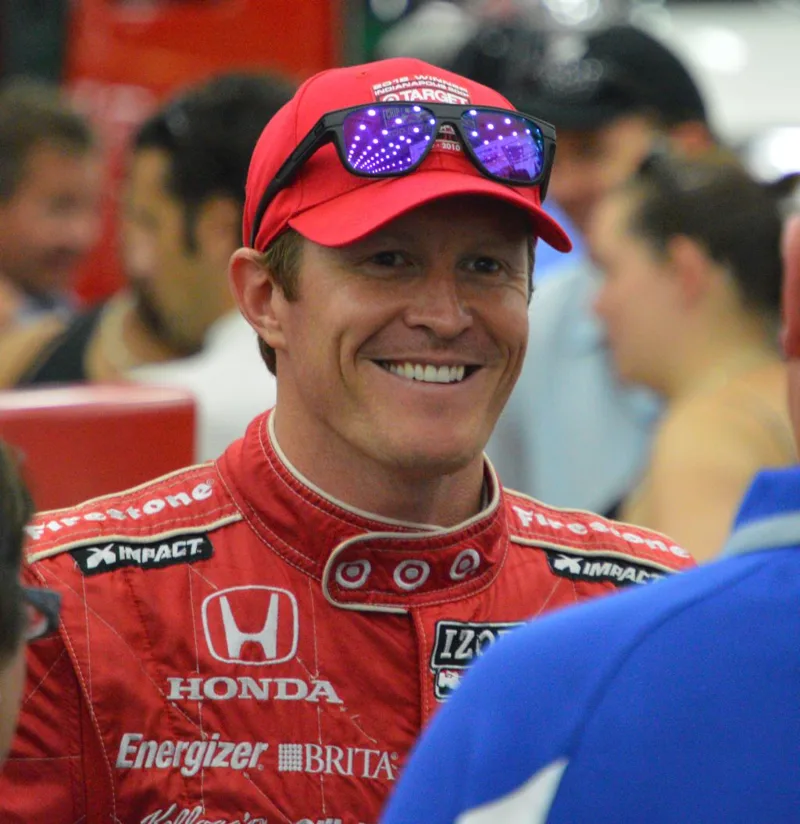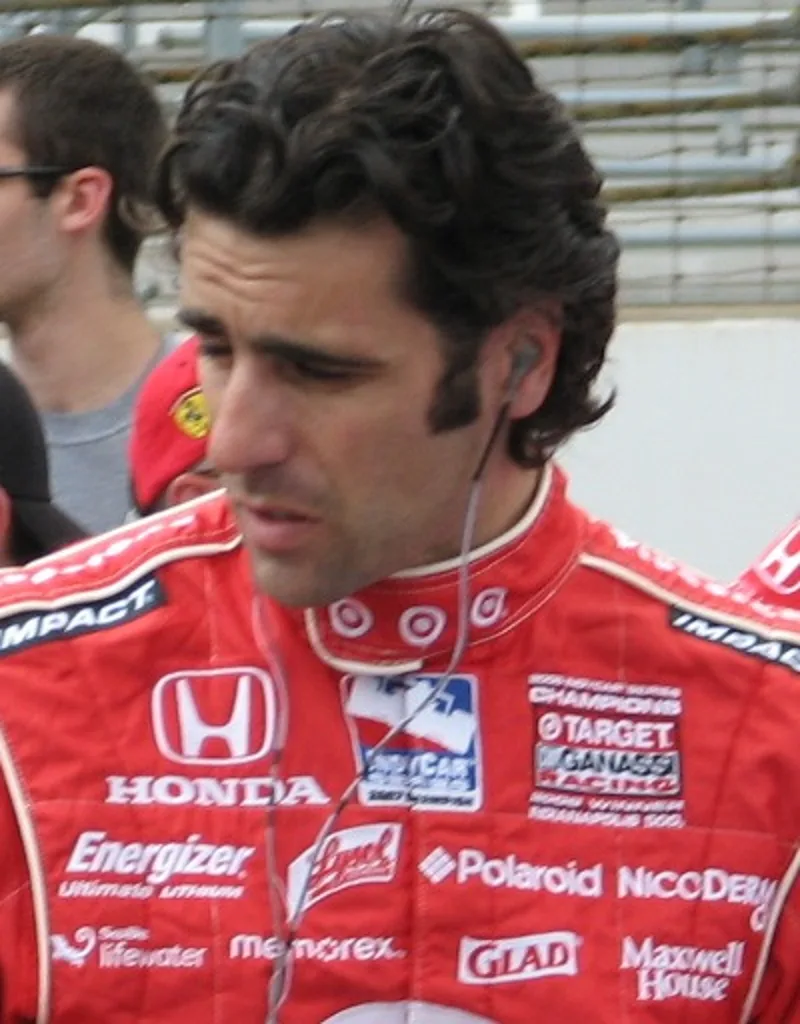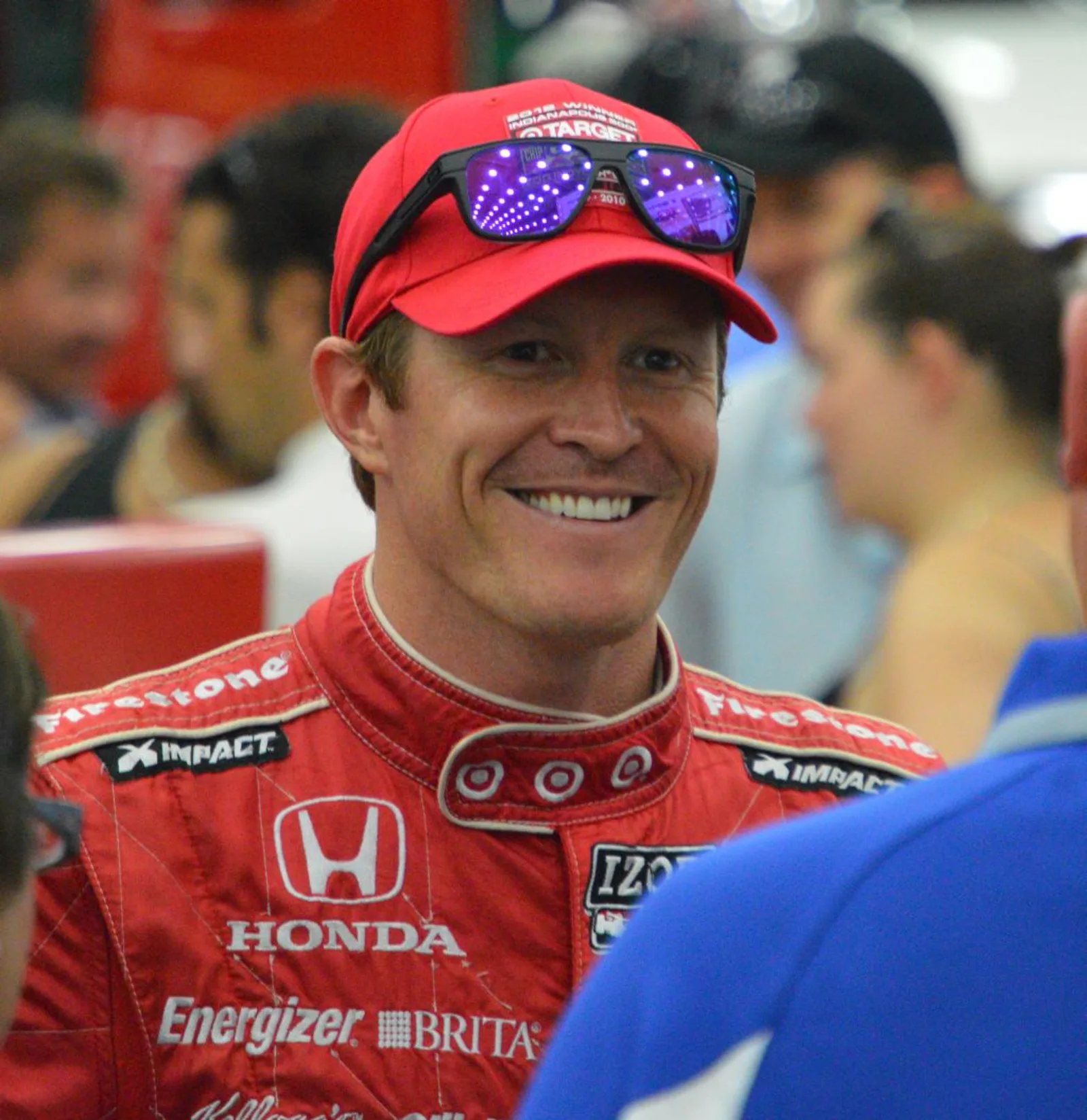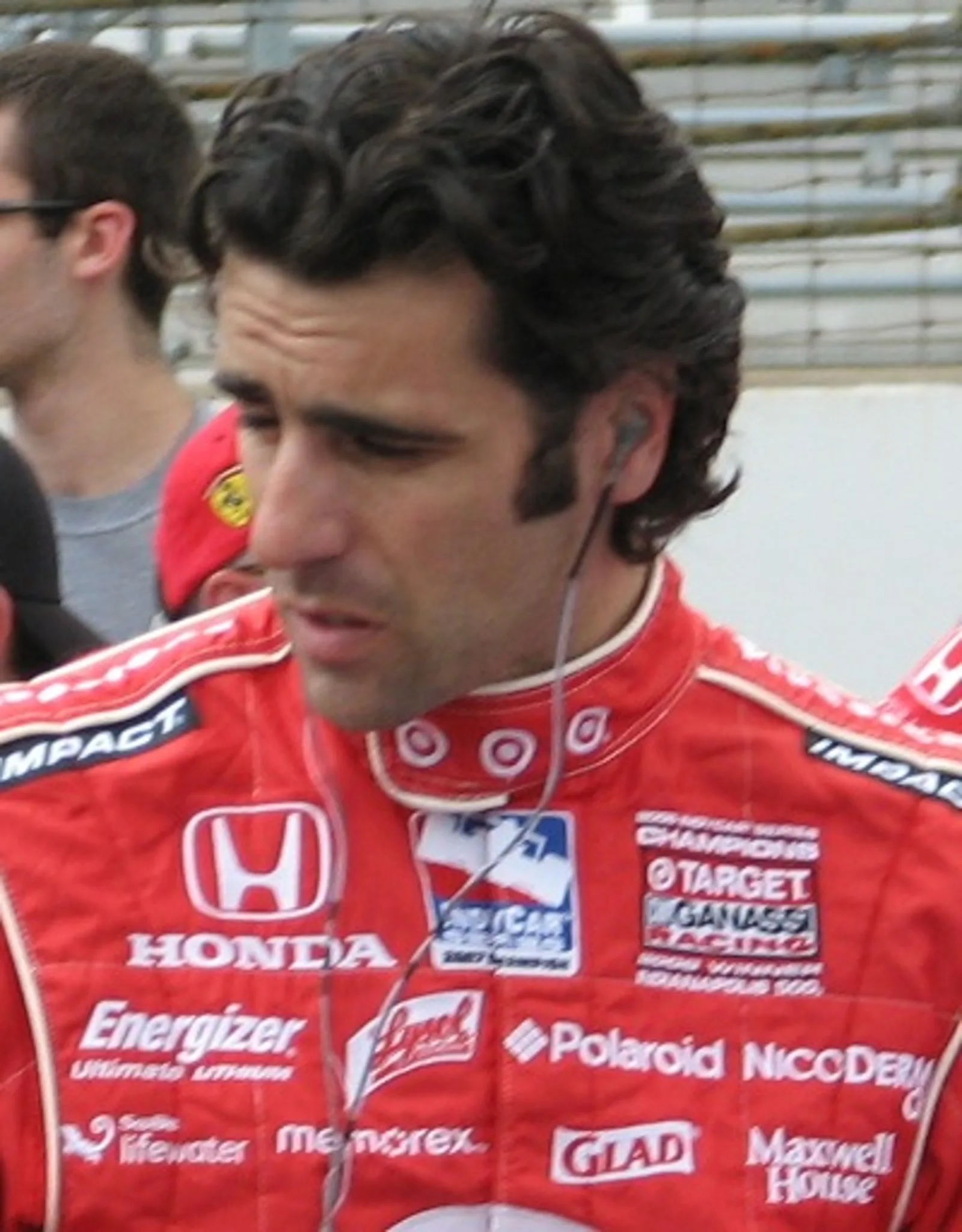
Dario Franchitti won his fourth championship in a season of firsts, centennial racing and a finale at Las Vegas that ended with the death of Dan Wheldon.
Franchitti took the 2011 IndyCar title, his fourth, after a season that ended at Las Vegas. The finale was abandoned after a fatal pile-up, and the title was settled on the points that stood before it.
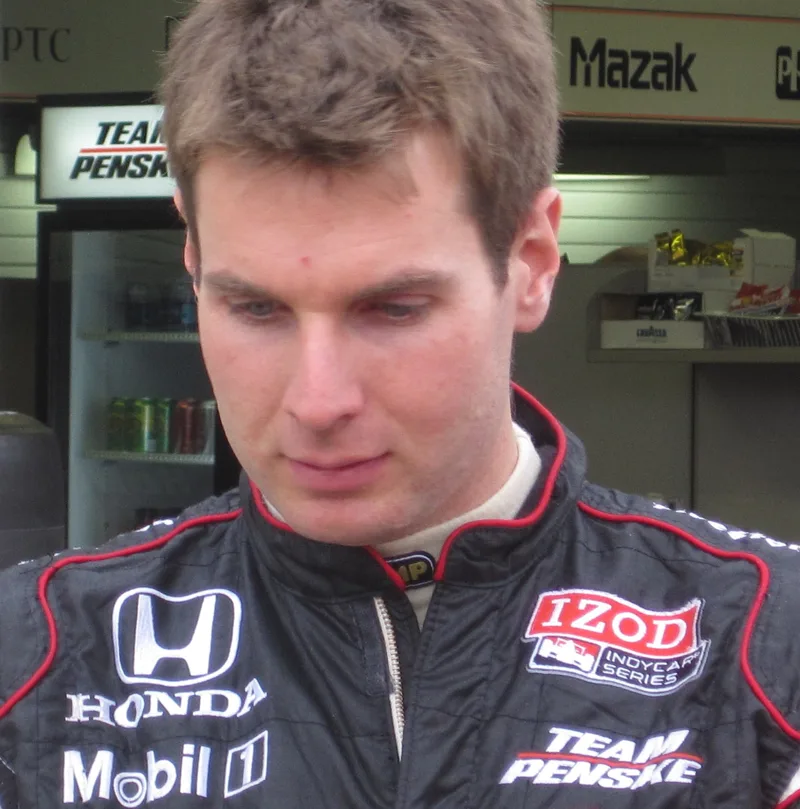
The 2011 IZOD IndyCar Series was the 16th season of the championship and the 100th recognised season of American open-wheel racing. Dario Franchitti won his fourth title, going into the final race 18 points clear of Will Power, but the season ended at Las Vegas Motor Speedway after a 15-car pile-up that killed Dan Wheldon, and the race results were struck from the record.
What was the 2011 IndyCar Series?
In 2011 the IndyCar Series ran its 16th campaign, and the year counted as the 100th of recognised top-level American racing. It was part of the Mazda Road to Indy, ran from March to October and included seventeen events. The series raced in twelve US states, as well as Canada, Brazil and Japan, on a schedule with ten street and road courses and eight ovals.
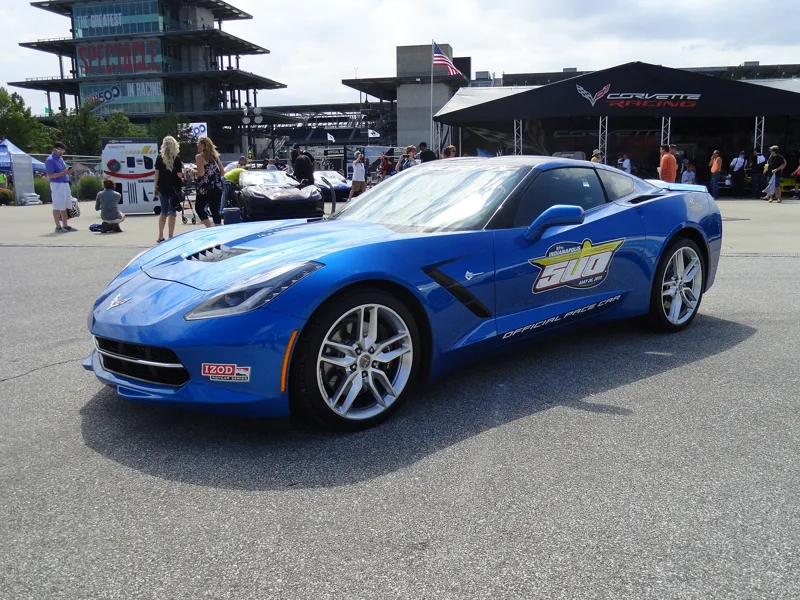
It was also the final year for two of the series' defining technical choices. The Dallara IR-05 chassis had been the sole chassis since 2007, and the naturally aspirated Honda Indy V8, the sole engine since 2006, was used for the last time. The Indianapolis 500 was part of the Centennial era, marking the 100th anniversary of the Speedway and of the first 500-mile race.
A fourth title for Dario Franchitti, a centennial 500 and a finale that ended in tragedy at Las Vegas.
How did Franchitti win the 2011 title?
Franchitti won his fourth IndyCar Series championship. He went into the final race leading Power by 18 points, but the race and the season were both overshadowed by the 15-car pile-up early in the Las Vegas finale. The race was abandoned after 12 completed laps, the final points total reverted to the result of the previous event, and Franchitti was declared champion.
Franchitti's season was built on consistent speed. He won the opener at St. Petersburg, led 161 laps at Milwaukee and won there, took the Toronto win after Power spun out of the lead, and led the first half at New Hampshire before a crash.
Who won the 95th Indianapolis 500?
Dan Wheldon won the 95th Indianapolis 500, which was the third race of the Centennial era. Alex Tagliani took pole at 227.790 mph (366.592 km/h), and the race came down to fuel stops in the final laps. Scott Dixon and Franchitti had led 124 laps between them, but Hildebrand was in front with three laps left and still led at the white flag.
Coming out of the final turn on the last lap, Hildebrand hit the outside wall, and Wheldon drove past to take the victory. It was his last IndyCar win. Hildebrand's second place earned him top rookie honours for the race, and he had also been the rookie standings leader before the final round.
Who was Rookie of the Year?
James Hinchcliffe, a Canadian, was Rookie of the Year. Hinchcliffe held a six-point edge over J. R. Hildebrand in the rookie standings heading into the finale, and Hildebrand's year peaked with his near-win at Indianapolis.
Which drivers ended their careers in 2011?
The season marked the end of several careers. Davey Hamilton retired after 11 seasons, and he later partnered with Sam Schmidt to form Schmidt Hamilton Motorsports, which lasted two seasons before becoming Schmidt Peterson Motorsports from 2014. Vitor Meira also finished, and he holds the record for the most podiums without a win, 15 of them.
Paul Tracy tried to find a car for 2012 but could not, which made 2011 his final season in IndyCar. Bertrand Baguette moved to sports cars for 2012 and the World Endurance Championship. Raphael Matos raced only until the Indianapolis 500 and then switched to Stock Car Brasil. Buddy Rice made 2011 his last season, having won three IndyCar races. Tomas Scheckter made his final starts across several teams before moving to the United Kingdom.
Danica Patrick moved to NASCAR for 2011, which left an open seat at Andretti Autosport. Dan Wheldon had agreed to drive the No. 27 car for Andretti in 2012, replacing Patrick, before his death at Las Vegas.
How did the teams line up for 2011?
Chip Ganassi Racing kept Franchitti and Dixon, and Graham Rahal and Charlie Kimball joined a satellite team run from the shop of Don Prudhomme. Team Penske added Shell and Pennzoil as sponsors for all three cars, and Castroneves signed a multi-year deal that covered the 2011 season. Will Power re-signed in September 2010, and Ryan Briscoe was confirmed in November.
Andretti Autosport lost its 7-Eleven sponsorship, which made Tony Kanaan a free agent for a while, and Ryan Hunter-Reay returned on a deal through 2012 with DHL sponsoring his car. Mike Conway became the team's fourth full-season driver. Sam Schmidt Motorsports bought the assets of FAZZT on 1 March 2011, and Alex Tagliani continued in its car for all seventeen races.
Several smaller teams had a busy year. Dragon Racing nearly shut down in February, but a restructuring brought Paul Tracy back for a limited schedule. Panther Racing signed J. R. Hildebrand for the No. 4 National Guard car. KV Racing Technology ran two cars with Lotus sponsorship, with Takuma Sato, E. J. Viso and later Tony Kanaan. Dale Coyne Racing signed James Jakes for the full season and Sebastien Bourdais for road and street events.
What changed in the rules and series?
The governing body adopted INDYCAR as its trading name on 11 January 2011, although the legal entity remained Indy Racing League, LLC. The oval restart zone moved from turn 3 to just before the start-finish line, and restarts mimicked NASCAR with double-file starts and separate pitting for lap-down cars. The free pass rule was not implemented.
Field sizes were capped at 26 cars for most events, with 33 for the Indianapolis 500 and 34 for the Las Vegas finale. Pit stall selection followed the qualifying order from the previous round at the same type of track. Firestone also extended its contract as sole tyre supplier through 2013.
How did the calendar come together?
The published schedule listed 18 races, while the season itself was recorded as seventeen events. The Sao Paulo race started on Sunday 1 May and was completed on Monday 2 May after torrential rain. The Indy Japan race was shifted from the oval to the road course at Motegi after the 2011 earthquake and tsunami damaged the oval.
Several changes came from new contracts. Edmonton's race was restored after a council vote in November 2010 and was confirmed on 11 January 2011. The Grand Prix of Baltimore made its debut on 2 to 4 September on a 2.4-mile street course around the Inner Harbor, under a contract running through 2015. New Hampshire returned on 14 August, the first IndyCar event there since 1998, and Milwaukee returned to the schedule too.
Some venues left the calendar. Chicagoland, Watkins Glen, Homestead and Kansas, all owned by ISC, were dropped. The season finale was held at Las Vegas, where the IZOD IndyCar World Championship offered a $5 million prize to any driver from another discipline who won the race and was not a regular.
How did the summer races unfold?
Power won the Barber race, leading wire to wire with 90 laps led, and Dixon complained afterwards about Power crowding him on restarts. Conway won the Long Beach race from third with fewer than 20 laps to go, and led the final 14 laps for his first IndyCar win. Power won Sao Paulo after the race resumed on Monday, when Sato had led for a spell after Power pitted for fuel on lap 36.
Franchitti won at Milwaukee, where Castroneves had to pit to change a flat tyre and handed him the lead. At Iowa, Franchitti led 172 laps, but Andretti charged from 17th to second by lap 152 and then took the lead for good on lap 232. Toronto was marked by at least 18 cars in scuffles and contact. Franchitti clipped Power at the hairpin on lap 56, and Power spun out. Franchitti won, and the race-control decision was disputed before being reversed.
Edmonton had a new layout. Power moved ahead on lap 20, and Penske finished 1-2. At Mid-Ohio Dixon won for the third time in five seasons, edging Franchitti down the backstretch on a restart.
What happened at New Hampshire?
Indy car racing returned to New Hampshire after a 13-year break, and Franchitti dominated the first half before touching wheels with Takuma Sato on a restart on lap 118 and crashing into the inside wall. Rain brought out a caution on lap 206, and officials later brought the green flag out with seven laps to go, despite drivers saying the track was too wet. Danica Patrick spun, and a five-car pile-up followed.
The next restart was aborted, and the race was red-flagged. Newman/Haas Racing and Chip Ganassi Racing filed protests within half an hour of the finish, and a hearing held on 23 August upheld the finishing positions.
How did the title race swing in the late rounds?
Power won at Sonoma, leading 71 of 75 laps as Team Penske swept the podium. It was the first 1-2-3 finish for Penske in an IndyCar race since Nazareth in 1994, and Power closed to within 26 points of Franchitti. Power also won at Baltimore, leading 70 of 75 laps and reducing the gap to five points with three races left.
Motegi went to Dixon, who led 62 of 63 laps. Franchitti was penalised after tangling with Briscoe on lap 26, and he recovered to eighth. Power's second place in Japan clinched the Mario Andretti Road Course Trophy and took him five points ahead overall with two races left.
At Kentucky, Power held the championship lead by 11 points over Franchitti and led the first 48 laps. A pit-stop collision with Ana Beatriz tore a gash in his sidepod, and he finished 19th. Carpenter won the race, his first IndyCar victory, after a late side-by-side battle with Franchitti. Franchitti took over the points lead going into the final round.
What happened at the Las Vegas finale?
Kanaan took pole at Las Vegas at 222.078 mph. A 15-car pile-up came on lap 11, and four drivers were taken to hospital: Dan Wheldon, Will Power, J. R. Hildebrand and Pippa Mann. The race was red-flagged and abandoned about two hours later, when the news came that Wheldon had died of his injuries. The remaining drivers completed a five-lap salute in his memory.
Power was released from hospital later, and Mann and Hildebrand were kept under observation before also being released. Mann suffered a burn to her hand and Hildebrand a bruised sternum. IndyCar does not use the FIA Code's rule on race stoppages, and used its own 50 per cent plus one lap rule, which meant 101 laps in this case. The results were wiped from the record book and their statistics were not counted, so the title was settled by the points before the final race.
Who won each race?
| Race | Winner | Note |
|---|---|---|
| St. Petersburg | Dario Franchitti | Led 94 laps after the new double-file restarts |
| Barber | Will Power | Led wire to wire |
| Long Beach | Mike Conway | First IndyCar win, leading the final 14 laps |
| Indianapolis 500 | Dan Wheldon | His last IndyCar win after Hildebrand hit the wall |
| Texas (race one) | Dario Franchitti | Starting from 28th after the blind draw |
| Texas (race two) | Will Power | Won from the third grid slot |
| Mid-Ohio | Scott Dixon | Third Mid-Ohio win in five seasons |
| Sonoma | Will Power | Penske's first 1-2-3 since 1994 |
| Baltimore | Will Power | Led 70 of 75 laps |
| Motegi | Scott Dixon | Led 62 of 63 laps |
| Kentucky | Ed Carpenter | First IndyCar win, ahead of Franchitti |
| Las Vegas | Abandoned | Results struck from the record after the crash |