A championship settled at Homestead, a new IZOD sponsor, a record number of women drivers and a split season between ovals and road courses.
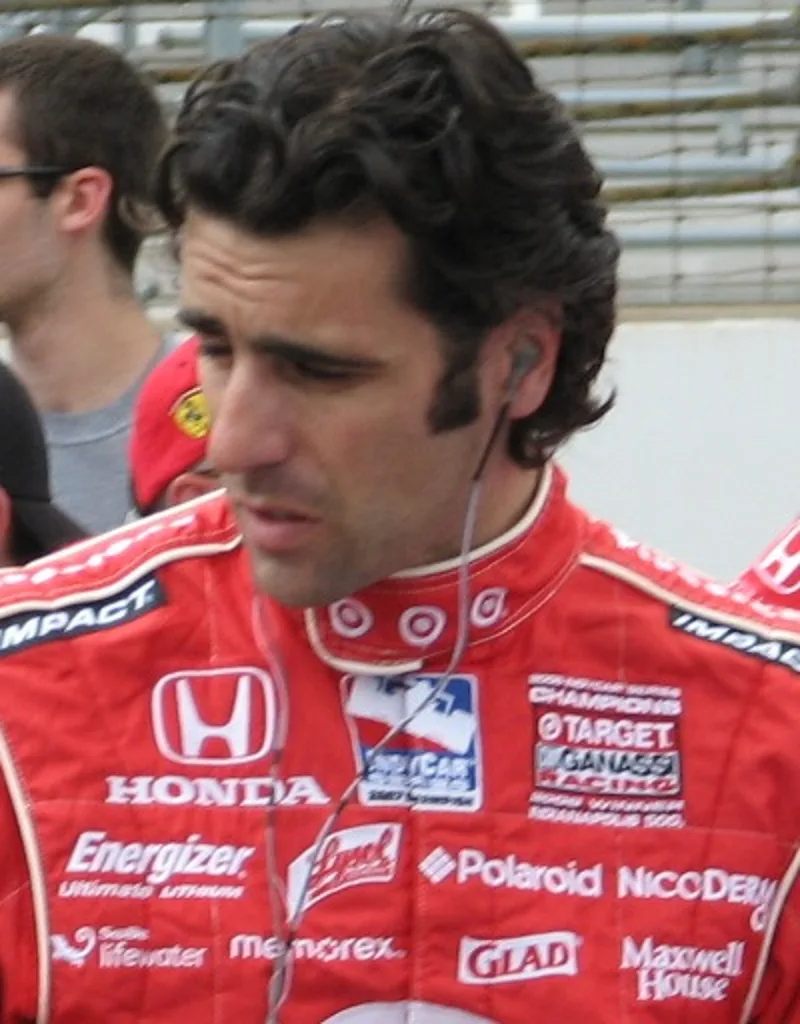
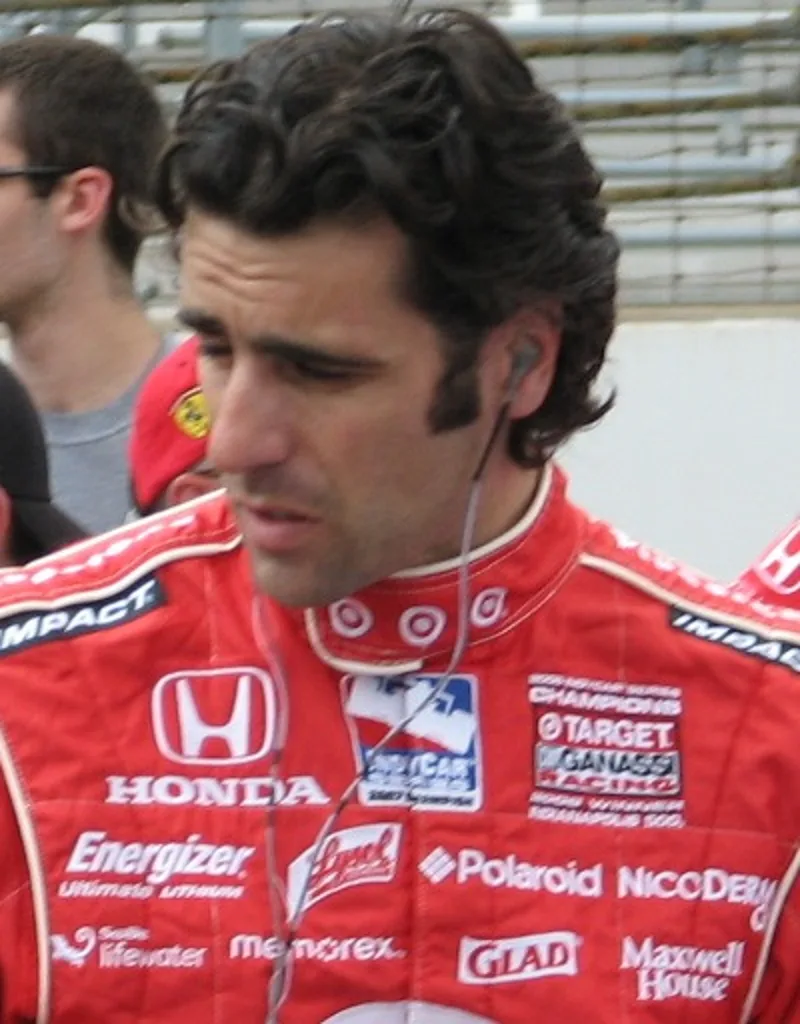
Dario Franchitti retained the 2010 IndyCar title by five points over Will Power. The season was the first under IZOD sponsorship, and it introduced separate oval and road course championships.
The 2010 IZOD IndyCar Series was the 15th season of the championship and the first of six planned under IZOD title sponsorship. Dario Franchitti retained his title by five points over Team Penske's Will Power, after a final-race finish at Homestead-Miami Speedway that the points system rewarded with maximum bonus points.
What was the 2010 IndyCar Series?
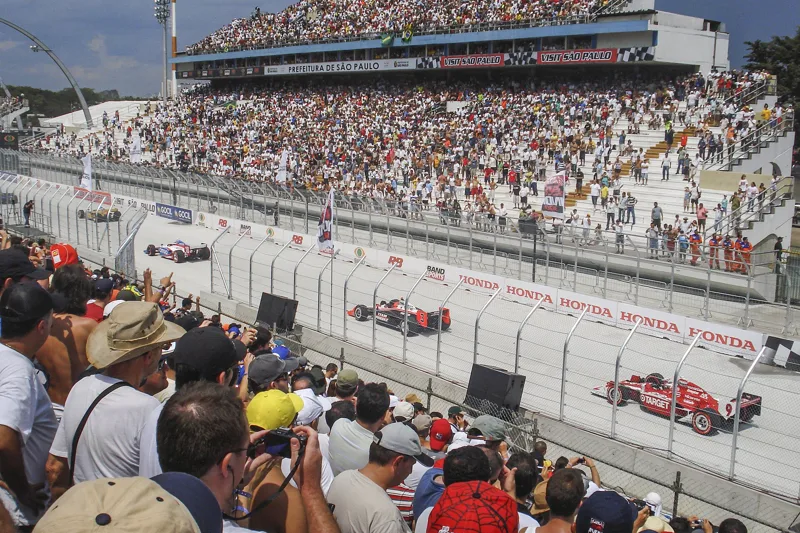
The 2010 season was the 15th of the IndyCar Series and the 99th recognised season of top-level American open-wheel racing. It opened in Sao Paulo, ran through the oval and road course calendar and ended at Homestead-Miami Speedway, with the 94th Indianapolis 500 held on Sunday 30 May as its premier event.
Franchitti won the Indianapolis 500 and the championship in the same year, a double that was not repeated until Alex Palou did it in 2025. Franchitti won his third title in four seasons.
A final race at Homestead settled it by five points, and a sponsor arrived with the biggest deal in the series' history.
How did the title fight end?
Power had led the championship for most of the season and went into Homestead twelve points ahead of Franchitti. The final race turned against him. Power hit the wall during the race and finished 25th, while Franchitti finished eighth and took maximum bonus points, which was enough to win the title by five points.
Franchitti and Power each took one of the two new sub-championships introduced for 2010. Franchitti won the oval title with six top-five finishes from eight races, including wins at the Indianapolis 500 and Chicagoland, and he also won the Mid-Ohio road course event. Power won the road course title by finishing all nine road races in the top three, and he won five of them: Sao Paulo, St. Petersburg, Watkins Glen, Toronto and Sonoma.
Who finished behind the leaders?
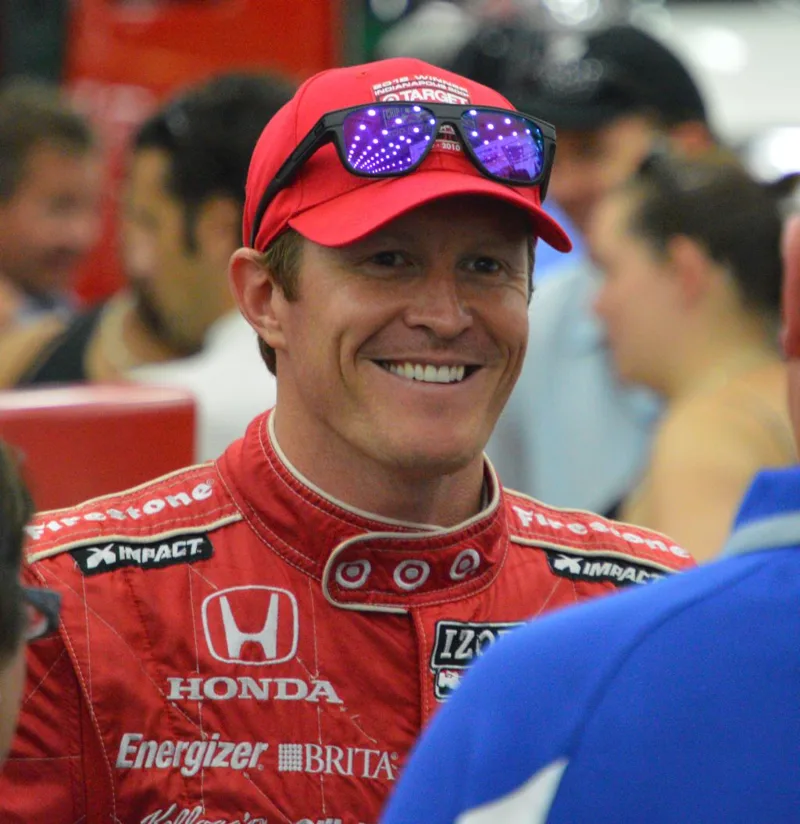
Scott Dixon finished third in the standings and Ryan Briscoe fifth, with Helio Castroneves fourth between them. Dixon won at Kansas, Edmonton and Homestead-Miami, and his Florida result helped him overhaul Castroneves for third place. Castroneves won the inaugural race at Barber Motorsports Park and then took back-to-back wins at Kentucky and Twin Ring Motegi, finishing 16 points behind Dixon.
Briscoe finished more than 100 points behind Franchitti and won once, at Texas. Tony Kanaan and Ryan Hunter-Reay were the only other race winners that season, and they finished sixth and seventh in the championship. Alex Lloyd, who drove for Dale Coyne Racing, was Rookie of the Year after only three earlier races, and he finished 24 points ahead of Simona de Silvestro.
How did IZOD come to sponsor the series?
IZOD, a clothing brand, took over as title sponsor for 2010, with a deal running to 2015 and an option for two more years. The deal was announced at a press conference at Indianapolis Motor Speedway on 5 November 2009. According to Robin Miller, it was worth $10 million a year, with at least $5 million for promotion and marketing.
The sponsorship also carried a payout of $100,000 per car, per year, to teams in the TEAM revenue-sharing programme, and it may have partly funded a full-time car for Ryan Hunter-Reay, who had been backed by the brand in 2009. It was the third title sponsorship in the series' history, after Pep Boys in 1998 and 1999 and Northern Light in 2000 and 2001.
What were the big series decisions?
Honda extended its role as the series' single engine supplier by two more years, to the end of 2011. The season opener in Sao Paulo was confirmed by city authorities and the Indy Racing League on 25 November 2009. The race used a 2.3-mile temporary street course, and organisers were said to be paying each team a six-figure sum on top of expenses.
Milwaukee did not host a race in 2010. Its promoter, Historic Mile LLC, announced it was going out of business, and on 16 December it was reported that no national series would race at the Milwaukee Mile that year. The Edmonton race did go ahead on 25 July, although organisers had lost $9.2 million on it over the previous two seasons.
Tony George resigned from the Indianapolis Motor Speedway on 19 January 2010, and Randy Bernard, a former chief executive of the Professional Bull Riders, was named the IRL's new chief executive on 2 February. A carriage dispute between Comcast's Versus channel and DirecTV was resolved on 15 March, and Versus was restored to nearly sixteen million customers.
What rule changes came in 2010?
Rule changes were announced on 12 January 2010. The four-position fuel mixture switch was removed, so cars ran only on full rich or yellow settings. The Honda Overtake assist returned with roughly double the power boost of the year before, and cars were given a reverse gear for road and street courses. The development freeze from 2009 stayed in place for 2010 and 2011.
Indianapolis 500 qualifying awarded points to each of the 33 qualifiers, with 15 for the pole and 13 and 12 for the rest of the front row. Each qualifier earned at least three points. Two new championships were introduced, an oval title and a road or street course title, and fans chose the names, honouring A. J. Foyt for the oval title and Mario Andretti for the road course title.
Sunoco became the official fuel of the series from mid-2010 through 2018, and it worked with APEX-Brasil and UNICA to provide ethanol. Every entry ran identical Honda HI10R V8 engines in Dallara IR-05 chassis, on Firestone Firehawk tyres.
How did the teams line up?
Penske ran three full-time cars with Castroneves, Briscoe and Power. It shut down its Grand-Am operation to make room for a No. 12 car, and two long-standing sponsors, Philip Morris International's Marlboro and Hugo Boss, ended their deals with the team after nineteen and twenty-three years.
Before 2010 Andretti Green Racing split into Andretti Autosport and a separate promotion company. Michael Andretti fully owned the race team, and Ryan Hunter-Reay joined as the fourth driver in the No. 37 car. Chip Ganassi Racing kept Dixon and Franchitti. Dan Wheldon returned to Panther Racing, while Vitor Meira came back from injury to the No. 14 car at A. J. Foyt Enterprises.
New faces appeared too. The FAZZT Race Team bought the Roth Racing equipment and signed Alex Tagliani for four years. KV Racing Technology expanded from one car to three, and Takuma Sato was confirmed there on 18 February. Simona de Silvestro was signed full-time at HVM Racing, and Dale Coyne Racing ran Milka Duno alongside J. R. Hildebrand.
Some teams did not reach the grid as planned. Vision Racing suspended operations on 28 January 2010, Walker Racing said it would return only if sponsorship was found, and Newman Wachs Racing chose to move into sports car racing. Rahal Letterman Racing entered Indianapolis with Graham Rahal, but no full-time programme materialised.
Several other entries were still taking shape in early 2010. Dale Coyne Racing said it would field two cars, but after Justin Wilson signed with Dreyer and Reinbold on a sponsorship package, the team's plans were left open. Graham Rahal was among the drivers it targeted, and J. R. Hildebrand tested at Sebring on 15 February. Robin Miller reported that Milka Duno was the likely teammate, and the team confirmed her on 4 March.
Bryan Herta Autosport was set up in 2009 alongside Vision Racing, and it aimed to enter at Indianapolis. On 23 February 2010 Curt Cavin wrote that Sebastian Saavedra had signed full-time for Firestone Indy Lights and would also run the Indianapolis 500. Chip Ganassi Racing also looked at a third car for Rahal, but that plan did not materialise.
How did the season run on track?
The 2010 calendar opened in Sao Paulo, where Franchitti took pole and led 29 laps, and St. Petersburg followed a day late after torrential rain. Power took pole at St. Petersburg and led 50 laps, and at Barber's new Alabama Grand Prix he took pole again while Marco Andretti led 58 laps. Long Beach brought another Power pole, with Hunter-Reay leading 64 laps.
At Kansas Briscoe took pole and Dixon led 167 laps. Castroneves took pole for the Indianapolis 500, and Franchitti led 155 laps on the way to the win. Texas was split into two half-distance races, and Briscoe took pole and led 102 laps of the 228-lap event.
Iowa, Watkins Glen, Toronto, Edmonton, Mid-Ohio and Sonoma were all shaped by Power's pace on the road and short ovals. He took pole at Iowa, Watkins Glen, Edmonton, Mid-Ohio and Sonoma, and he led 76 laps at Edmonton and 73 at Sonoma. The Toronto pole went to Justin Wilson, who led 32 laps.
Chicagoland was Briscoe's, with a pole and 113 laps led. Kentucky's pole went to Ed Carpenter, and Dan Wheldon led 93 laps. At Motegi Castroneves took pole and led 153 laps, and the season closed at Homestead-Miami, where Franchitti took pole and led 128 laps.
Who led the laps and took the poles?
| Round | Venue | Pole | Most laps led |
|---|---|---|---|
| 1 | Sao Paulo | Dario Franchitti | Dario Franchitti (29) |
| 2 | St. Petersburg | Will Power | Will Power (50) |
| 3 | Barber | Will Power | Marco Andretti (58) |
| 4 | Long Beach | Will Power | Ryan Hunter-Reay (64) |
| 5 | Kansas | Ryan Briscoe | Scott Dixon (167) |
| 6 | Indianapolis 500 | Helio Castroneves | Dario Franchitti (155) |
| 7 | Texas | Ryan Briscoe | Ryan Briscoe (102) |
| 8 | Iowa | Will Power | Dario Franchitti (69) |
| 9 | Watkins Glen | Will Power | Will Power (45) |
| 10 | Toronto | Justin Wilson | Justin Wilson (32) |
| 11 | Edmonton | Will Power | Will Power (76) |
| 12 | Mid-Ohio | Will Power | Alex Tagliani (30) |
| 13 | Sonoma | Will Power | Will Power (73) |
| 14 | Chicagoland | Ryan Briscoe | Ryan Briscoe (113) |
| 15 | Kentucky | Ed Carpenter | Dan Wheldon (93) |
| 16 | Motegi | Helio Castroneves | Helio Castroneves (153) |
| 17 | Homestead-Miami | Dario Franchitti | Dario Franchitti (128) |
How did the points system work?
A driver who led at least one lap earned one point, and the driver who led the most laps earned two more. Pole earned one point at every track except Indianapolis, where drivers who advanced to Q2 earned bonus points and the remaining qualifiers earned three or four.
Texas was run as two half-distance races on the same day, each awarding half points, and the grid for the second race was set by a draw with no pole bonus. Ties in points were broken by wins, then second places, third places and so on, then by pole positions.