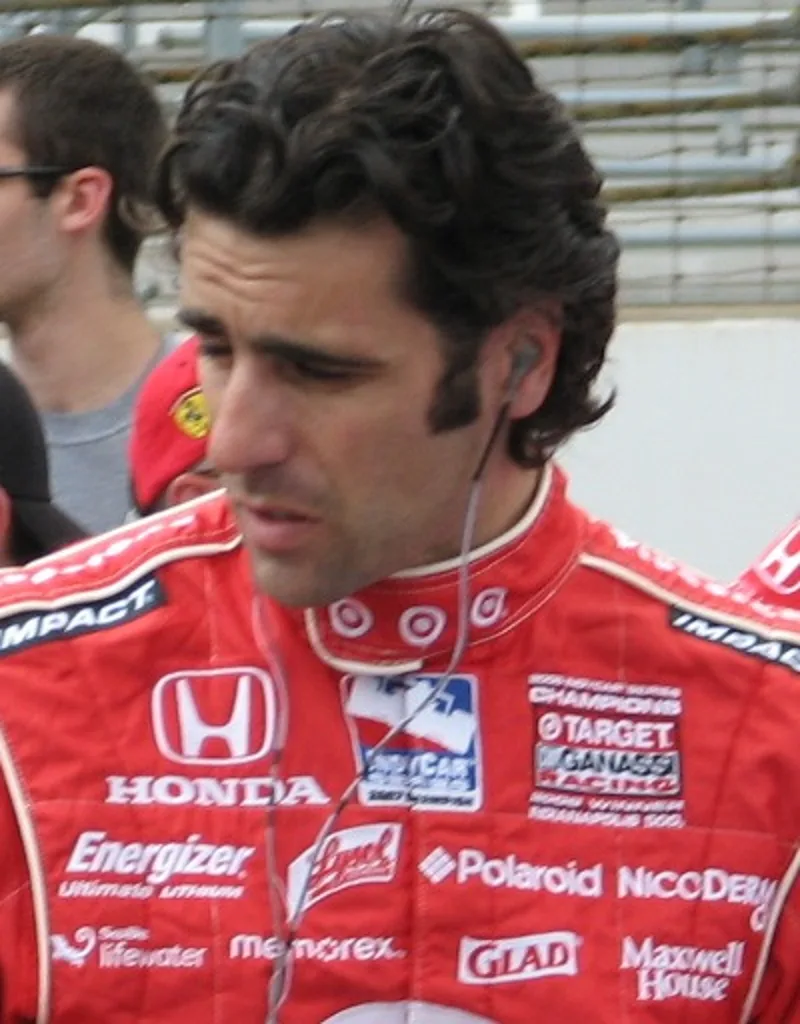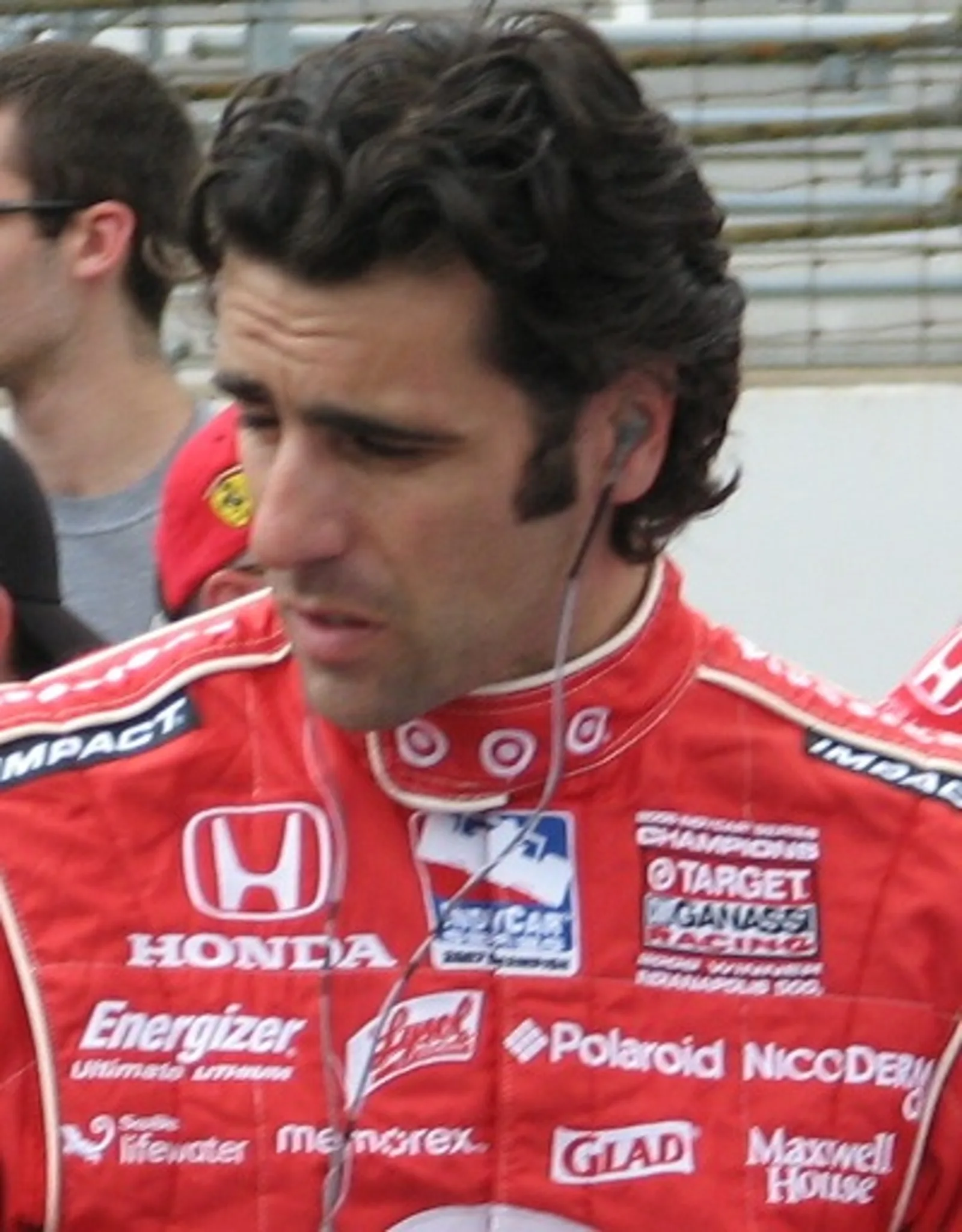
Dario Franchitti took his second championship by eleven points after a Homestead finale, with Chip Ganassi and Penske sharing almost every win.
Dario Franchitti took the 2009 IndyCar title by eleven points, sealed in the final round at Homestead-Miami. Most of the season's victories went to the Ganassi and Penske teams.
The 2009 IndyCar Series was the 14th season of the championship and produced Dario Franchitti's second title, won by eleven points after the Homestead-Miami finale. The series ran 17 races from 5 April, and Chip Ganassi Racing and Team Penske shared almost every win between them, with Scott Dixon and Ryan Briscoe chasing Franchitti to the last lap.
What was the 2009 IndyCar Series?
The 2009 season was the 14th of the IndyCar Series and the 98th recognised season of top-level American open-wheel racing. It opened at St. Petersburg on 5 April, and its premier event was the 93rd Indianapolis 500, held on 24 May. Every race was broadcast in high definition on ABC or on Versus.
The schedule was released on 30 July 2008. It added Long Beach and Toronto, and Nashville was removed to make room for them. The Detroit Indy Grand Prix was cancelled for 2009, which left the calendar at 17 races across street, oval and road-course venues.
An eleven-point title, a fuel-stop finale and a season in which two teams shared almost every win.
How did Franchitti win the title?
Franchitti won his second IndyCar Series championship after a disappointing 2008 spent in NASCAR. He drove his Chip Ganassi Racing Dallara-Honda to victories at Long Beach, Iowa Speedway, Toronto and Infineon Raceway, and he won the finale at Homestead to finish eleven points clear.
The fight was a season-long battle with his Ganassi teammate Scott Dixon and Team Penske's Ryan Briscoe. Dixon led the series heading into the final round, but Franchitti's Homestead win turned the table. Dixon took five wins over the season and finished second, one point ahead of Briscoe. Briscoe won three races and had his best season leading Team Penske, which had been without its full-time driver for part of the year.
At Homestead the title was settled by fuel. Franchitti began the race five points behind Dixon and eight behind Briscoe. In the final 50 laps Dixon and Briscoe ran first and second, but both had to pit for fuel in the last eight laps. Franchitti, about 25 seconds back in third, stretched his fuel to the flag.
What happened to Helio Castroneves in 2009?
Castroneves began the year away from the team. On 2 October 2008 he had been charged with six counts of tax evasion, and he took leave from Penske during the trial. Will Power drove the No. 3 car at St. Petersburg, and Castroneves returned to it at Long Beach after being acquitted on all charges later in the month.
The Brazilian then recovered strongly. He won his third Indianapolis 500 in May and took a win at Texas Motor Speedway a month later, which put him back in the title race. Penske ran a third car for Will Power at Long Beach and the Indianapolis 500, and Roger Penske later confirmed a third car for Power at further races that season.
Who won the 2009 Indianapolis 500?
Castroneves won the 93rd Indianapolis 500 from pole, with a pole speed of 224.864 mph. Franchitti led the early laps after passing Briscoe on the first lap, and the race went through several rounds of pit stops under caution.
Dixon took the lead from Franchitti on lap 91, using his slipstream, and Kanaan crashed into the wall at Turn 3 after a mechanical failure. Briscoe, who had led from lap 53, lost many places after a bad set of tyres and rejoined 24th after a second stop. Castroneves took the lead from Dixon at the restart on lap 142 and was on the front before the first turn. Power passed Dixon for second on lap 159, and the final restart saw Castroneves pull clear, with Wheldon, Patrick, Bell and Power completing the top five.
How did the Ganassi and Penske teams dominate?
The Ganassi and Penske teams dominated the season. Only two race wins went to drivers outside the four regulars from those teams. One was Will Power's win at Edmonton, where he drove as a part-time Penske driver, and the other was Justin Wilson's win at Watkins Glen for Dale Coyne Racing.
Wilson's victory was Dale Coyne Racing's first in the series. He dominated most of the event, and in the final sprint after a late caution he got the jump on the restart and pulled out to a lead of over four seconds. It was the first race of the season in which neither team won, and the first such result since the 2008 Detroit event.
Penske's form at Edmonton was striking. Its cars started 1-2-3 for the first time since Mid-Ohio in 1994, with Power on pole.
Pole positions were spread across the field more than the race wins were. Franchitti took pole at Texas, Toronto, Sonoma and Homestead. Briscoe took the top spot at Milwaukee, Watkins Glen, Mid-Ohio and Chicagoland, while Power started first at Long Beach and Edmonton. Castroneves claimed the Indianapolis 500 pole, and Dixon took poles at Motegi and at Kentucky, where the grid was set by owner points because qualifying was cancelled. Rahal took the St. Petersburg and Kansas poles.
The Motegi round was decided as much by a mistake as by speed. Dixon took pole, but Briscoe's solo incident with the pit road wall kept the championship alive for the Homestead finale, with the title still open between Franchitti, Dixon and Briscoe.
How did Andretti Green Racing fare?
Andretti Green Racing had its first season without a win. All four of its drivers returned for 2009, and the team fielded a fifth car for Franck Montagny at Sonoma. Danica Patrick, Tony Kanaan and Hideki Mutoh each scored podiums, and Patrick finished fifth in the points, a new record for the highest points finish by a female driver.
Brazilian racer Raphael Matos was rookie of the year for Luczo-Dragon Racing. He finished 13th in the points, 29 points clear of Robert Doornbos, and his best result was sixth at Milwaukee.
What were the big races of 2009?
| Round | Race | Winner | Story |
|---|---|---|---|
| 1 | St. Petersburg | Ryan Briscoe | Pole for Graham Rahal; Dixon crashed out with 20 laps to go |
| 2 | Long Beach | Dario Franchitti | Pole for Will Power; Franchitti's first IndyCar win since 2007 |
| 4 | Indianapolis 500 | Helio Castroneves | Pole for Castroneves; Briscoe fell back after bad tyres |
| 5 | Milwaukee | Scott Dixon | Briscoe led until lap 200 before Dixon passed him |
| 6 | Texas | Helio Castroneves | Franchitti on pole; Castroneves passed Briscoe late |
| 9 | Watkins Glen | Justin Wilson | Briscoe on pole; Coyne's first IndyCar win |
| 11 | Edmonton | Will Power | Penske started 1-2-3 with Power on pole |
| 12 | Kentucky | Ryan Briscoe | Briscoe edged Ed Carpenter by 0.0162 seconds |
| 17 | Homestead-Miami | Dario Franchitti | Franchitti stretched fuel to clinch the title |
Kentucky stood out for its competitiveness. The rules change on oval races had encouraged more competition, and the race became the most competitive oval event on the circuit in almost two years. Carpenter led the final 50 laps and raced Briscoe side by side over the last ten, and the average speed of over 200 mph made it the second fastest IndyCar race held.
Homestead was the other decider. It became the first oval race in the series to run the full distance without a caution, and the three title contenders were the only cars on the lead lap at the flag.
What rules and equipment defined 2009?
Every entrant used the Dallara IR-05 chassis, powered by a Honda HI9R V8, with Firestone Firehawk tyres. The chassis choice was not a formality. Several teams had opted for the IR-05, and Panoz discontinued its IndyCar involvement after the 2008 season. A development freeze ran until 2011, so teams carried over their chassis and engines from 2008, modified for a new exhaust design introduced on 26 December 2008 to reduce noise.
Optional 118 and 120 inch wheelbases were banned, and every team had to run a 122 inch wheelbase. Officials said this would save teams money and improve oval racing. From 28 July 2009 the IRL approved push-to-pass buttons on all cars, giving a 20 horsepower boost for 12 seconds with a 10-second recharge. The button could be used 20 times in a race and first appeared at Kentucky on 1 August.
Firestone supplied two tyre compounds for road and street courses. The alternate tyres had red sidewalls and a softer compound, each team received six sets of the regular tyres and three of the alternates for a race weekend, and cars had to run at least two green flag laps on the alternates. Oval races used the primary tyre only.
How did testing and points work?
Private testing was limited under a policy for teams in the TEAM revenue-sharing programme. A team could run 800 miles or six days of testing, whichever came first, with eight sets of tyres. Two-car teams could test 1,200 miles with 26 sets, and each extra car gained 200 miles and four sets. No testing was allowed at any track within seven days of a race.
Bonus practice time was added from Long Beach for rookies and teams outside the top ten in points. The session lasted 30 to 45 minutes before the first practice of the day. The aim was to let smaller teams close the gap without costly private tests. Open tests were held at Homestead on 24 and 25 February and at Barber Motorsports Park on 22 and 23 March.
The points system changed slightly. The points for leading the most laps fell from three to two, and a point was awarded for winning pole for each race. Ties were broken by wins, then second places, and then pole positions.
How was the 2009 series broadcast?
2009 began a 10-year television deal with Versus, which agreed to broadcast at least twelve IndyCar events a year in high definition. The coverage included pre-race shows, a one-hour preview on the day before each race, qualifying for the Indianapolis 500 and a weekly Firestone Indy Lights telecast. Bob Jenkins, Robbie Buhl and Jon Beekhuis anchored the broadcasts, with Jack Arute, Robbie Floyd and Lindy Thackston in the pits, and Terry Lingner produced the coverage.
Versus was renamed NBC Sports Network in 2011.