A new Dallara chassis, turbocharged engines from three makers and a title decided by three points after Will Power's final-race crash.
Ryan Hunter-Reay won the 2012 IndyCar title by three points after Will Power's final-race crash. The series adopted the Dallara DW12 chassis and a turbocharged engine formula with three manufacturers.
The 2012 IZOD IndyCar Series was the 17th season of the championship and the first to use the new Dallara DW12 chassis. Ryan Hunter-Reay won the title by three points after Will Power wrecked on lap 55 of the final race. The year also brought a new chassis, turbocharged engines and three engine makers.
What was the 2012 IndyCar Series?
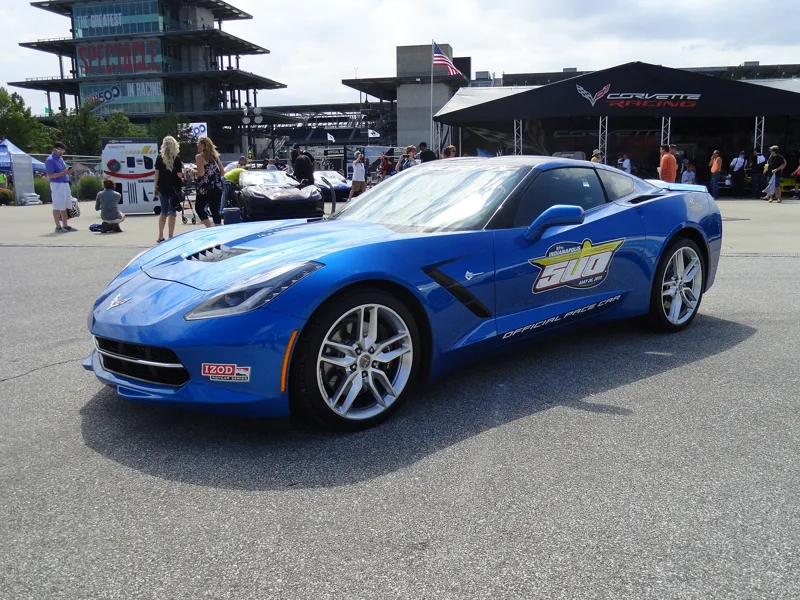
This was the 17th campaign for the IndyCar Series and the 101st year of American open-wheel racing. The headline race was the 96th Indianapolis 500, run on Sunday 27 May. The series took place in three countries on two continents, and it was the year when the sport's new technical era began.
The year is also remembered for a change of engine supplier. Chevrolet returned to the series for the first time since 2005, after a six-year absence, and it ended Honda's nine-year run at the top of the engine standings. Lotus debuted as a third manufacturer but left after the season because of poor performance.
A three-point title, a brand-new chassis and turbo engines from three makers made 2012 a year of changes.
How was the 2012 title decided?
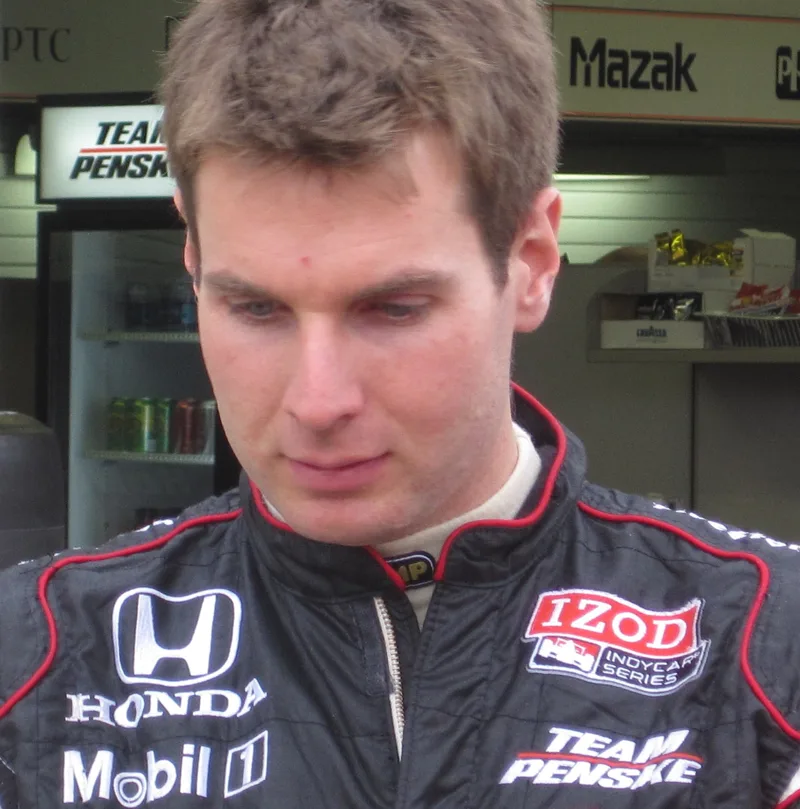
Power led Hunter-Reay by 17 points heading into the final race, in a two-driver fight for the championship. Power wrecked on lap 55, and Hunter-Reay was able to finish fourth. That result was enough to claim the title by three points.
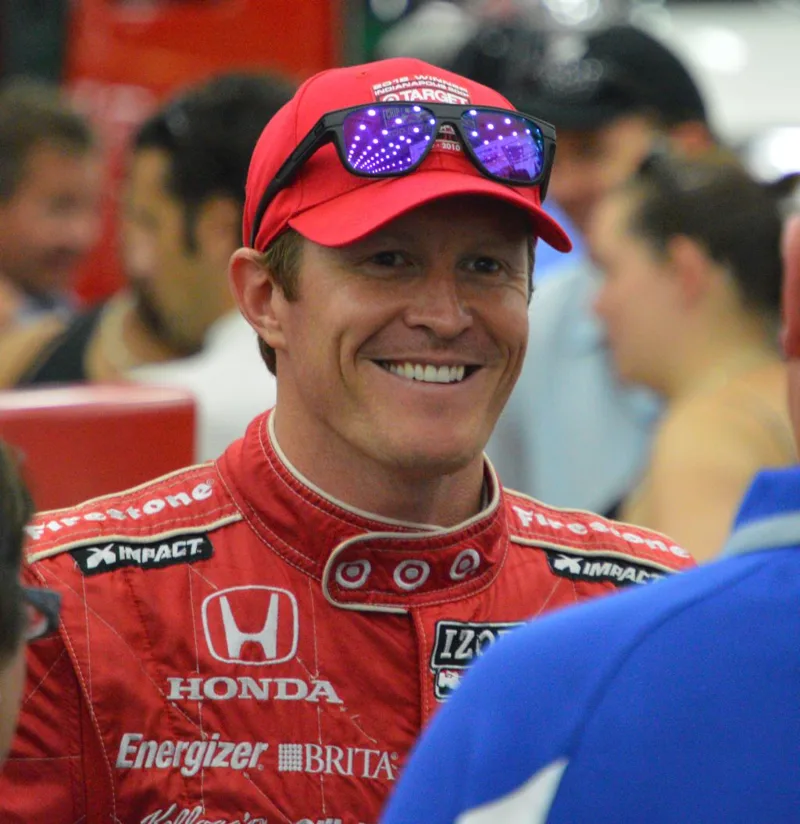
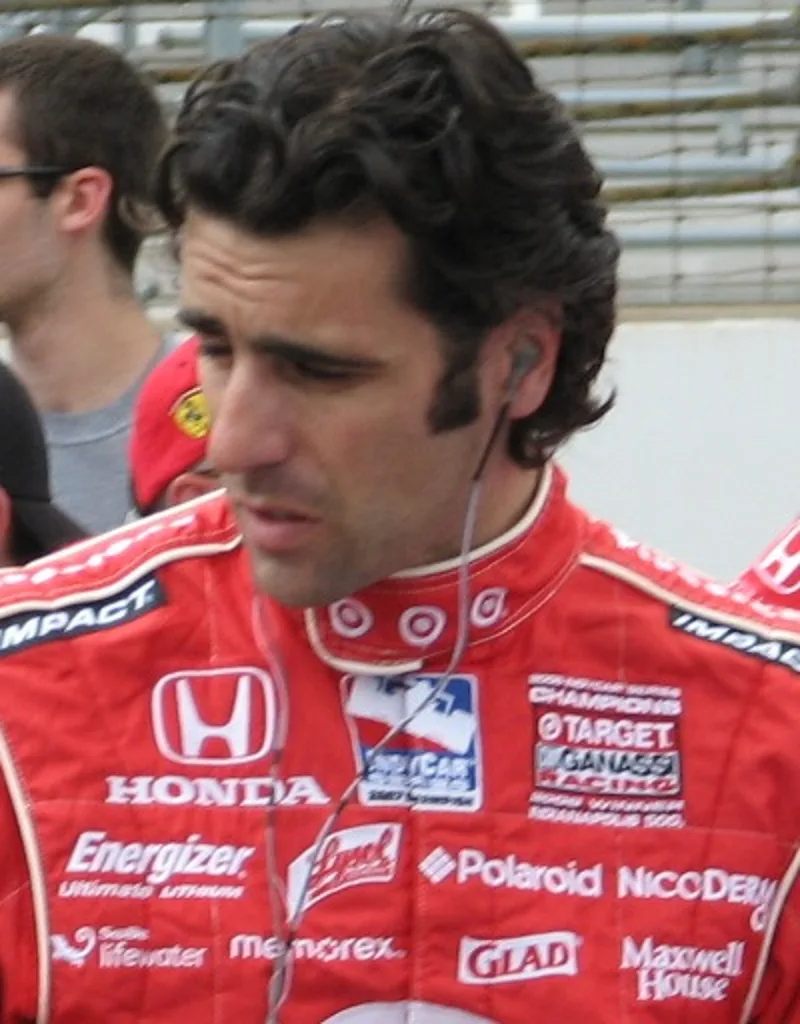
Power was the two-time runner-up who had sought his first title. Three-time defending champion Dario Franchitti had entered the year seeking a fourth straight title and fifth overall, but he was not part of the final fight.
Who joined and left the series?
Danica Patrick left IndyCar to compete in the NASCAR Nationwide Series, one of the storylines going into the season. Former Formula One driver Rubens Barrichello joined the series with KV Racing Technology, and the full-season programme was confirmed at a press conference in Brazil on 1 March.
The season also carried the weight of Dan Wheldon's death. Wheldon had won the 2011 Indianapolis 500 and was killed at the season-ending race in Las Vegas. Las Vegas was removed from the calendar in the aftermath, and Dallara named the new chassis the DW12 in his honour. James Hinchcliffe then drove the No. 27 GoDaddy car for Andretti Autosport, the number switched from No. 7 for that season.
The schedule was also reshaped by losses. The inaugural Indy Qingdao 600 in China was cancelled by its promoter on 13 June, and the series had hoped to visit China for the first time. Detroit and Fontana came back into the calendar, with Detroit's Belle Isle Grand Prix returning after being removed following 2008.
Which teams changed for 2012?
Team Penske ran full-works Chevrolet engines from 2012, which gave it free engines and official road vehicles from the manufacturer. The whole three-car team returned full-time, and Briscoe switched from No. 6 to No. 2. Chip Ganassi Racing kept its four-car team on Honda engines, and the team stayed with Honda through the season.
Andretti Autosport ran customer Chevrolet engines and kept Hunter-Reay on a deal through the 2012 season. Marco Andretti began the third year of a four-year contract. Ed Carpenter left the Sarah Fisher Hartman team to form Ed Carpenter Racing with his stepfather Tony George, and the new team ran Carpenter full-time. Josef Newgarden drove for Sarah Fisher Hartman Racing, which ran Honda engines.
Several smaller teams were less stable. Newman/Haas Racing announced on 1 December 2011 that it would not contest a full season. Sam Schmidt Motorsports ran Honda engines with Simon Pagenaud as its lone entry. A. J. Foyt Enterprises used Honda engines with Mike Conway, who replaced Vitor Meira, and Panther Racing kept J. R. Hildebrand in the No. 4 National Guard car.
Dragon Racing had planned two full-time cars with Sebastien Bourdais and Katherine Legge on Lotus engines. After switching to Chevrolet, the team was forced to a single entry after the Indianapolis 500. MSR Indy, owned by Mike Shank, A. J. Allmendinger and Brian Bailey, bought a DW12 but never secured funding to start the season.
What was IndyCar's overhaul plan?
The 2012 season introduced IndyCar's ICONIC plan, an acronym for Innovative, Competitive, Open-wheel, New, Industry-relevant and Cost-effective. It was the biggest change to the sport in recent history, and it retired the Dallara IR-03 that had been used through 2011, along with the normally aspirated V8 engines that had been required since 1997.
The committee behind the plan included Randy Bernard, Brian Barnhart and Gil de Ferran, along with other racing and technical experts. IndyCar accepted chassis proposals from BAT Engineering, Dallara, DeltaWing, Lola and Swift, and on 14 July 2010 organisers chose the Dallara proposal.
How did the new chassis work?
All teams used a core rolling chassis called the IndyCar Safety Cell, developed by Dallara. Teams then fitted separate body work known as Aero Kits, made up of front and rear wings, sidepods and engine cowlings. The Safety Cell was capped at $349,000 and assembled at a new Dallara facility in Speedway, Indiana, while Aero Kits were capped at $70,000.
Multiple Aero Kits had been planned, but in April 2011 owners voted 15-0 to reject them for 2012, citing cost. The introduction of several kits was then delayed to 2013 for economic reasons, and then delayed again. Chevrolet and Lotus had already said they intended to build kits, so the Dallara package was used by all entries in 2012.
Dan Wheldon was the first driver to put the Dallara chassis through its paces, at Mid-Ohio in August 2011. The fuel cell shrank from 22 US gallons (83 litres) to 18.5 US gallons (70 litres) to improve efficiency. Despite the new chassis and engines, the wheel rim and Firestone tyre sizes stayed the same.
What were the new engines?
Turbochargers returned to IndyCar, which had last used them in the IRL's 1996 season and in Champ Car in 2007. The third-generation engines were single or twin-turbocharged units tuned to produce between 550 and 700 horsepower, with a 12,000 rpm limit. Displacement fell from 3.5 litres to 2.2 litres, and the number of cylinders dropped from eight to six, with a V-shaped layout kept.
Every engine ran E85 fuel, where the series had used 100% ethanol from 2007 to 2011. The turbochargers were supplied by BorgWarner, and the third generation was planned to remain in use until the 2027 season.
Chevrolet was confirmed in November 2010 as a supplier with a twin-turbo V6 built with Ilmor, a partner it had worked with before. Honda's 2.2-litre turbo V6 was developed fully by Honda Performance Development. Lotus announced a twin-turbo V6 developed with John Judd and Jack Brabham at its Engine Developments partnership, a unit that the company later struggled with in power and delivery before it left the sport.
Which rules changed during 2012?
Any engine change for an engine that had covered less than 1,850 miles brought a 10-place grid penalty at the next race. Full-time entries were limited to five engines a season. An engine that failed during a race could be replaced without penalty, and at Indianapolis engine penalties were served at the next Detroit race.
From Long Beach the pits stayed open during non-emergency full-course cautions, which the series hoped would shorten caution periods to as few as two laps. Cars that were not on the lead lap for a restart in the final 20 laps were moved through the pit lane on the speed limiter, and the rule was later extended to ovals, where lead-lap cars moved to the front in position order. Restarts reverted to single file at Indianapolis, Texas and California for safety reasons.
How was the 2012 calendar built?
The 2012 schedule included 15 races, and a fifteen-race calendar had been announced in December 2011. In January the series was reported to need sixteen races to meet its sponsor obligations, but on 25 June IndyCar confirmed the schedule would remain at 15 races after the China race was dropped.
| Venue | Contract position |
|---|---|
| St. Petersburg | Honda Grand Prix continuing through 2013, with an extension sought to 2014 |
| Barber | Three-year deal through 2012 |
| Long Beach | Extended to 2015, with an option through 2020 |
| Sao Paulo | Contract through 2019 |
| Toronto | Contracts renewed through 2014 |
| Edmonton | Contract in place through 2013 |
| Baltimore | Five-year agreement between Race On and Andretti Sports Marketing and the city, May 2012 |
| Milwaukee | Michael Andretti named promoter; announced 10 February 2012 |
| Fontana | 500-mile night race on Saturday 15 September 2012 |
Some venues dropped out of the calendar. The series did not return to New Hampshire Motor Speedway, the Indy Japan 300 did not return, and the Kentucky Speedway deal fell through. Las Vegas Motor Speedway left the schedule after Wheldon's death.
How did testing go?
The first official test of the Dallara DW12 was carried out by Wheldon at Mid-Ohio on 8 August 2011. Phase I involved three road courses and three ovals over about twelve days, with further tests at Barber on 18 August and at the USGP road course at Indianapolis on 1 September. Oval tests followed in September at Iowa and Indianapolis.
Phase II began at Mid-Ohio in October, with Honda's Scott Dixon and Chevrolet's Will Power on track. A planned test at Las Vegas was cancelled after Wheldon's death. Testing resumed in late October and ran into February at several venues. Lotus first ran on 12 January at Palm Beach, and a full-field official open test took place at Sebring on 5-6 and 8-9 March 2012.
How was the season broadcast?
Coverage was split between ESPN on ABC and NBC Sports Network, which had been the traditional arrangement. The season finale moved back to NBC Sports Network after airing on ABC in 2011. A scheduling clash meant NBC aired 2012 Summer Olympics coverage during a race weekend, and ESPN's crew was busy with a NASCAR race, so an August race at Mid-Ohio aired on ABC with the NBC crew.
NBC Sports Network also aired IndyCar 36, a 30-minute documentary series that followed a driver's race weekend in each episode. The subjects included Tony Kanaan at St. Petersburg, Graham Rahal at Barber, Ryan Hunter-Reay at Long Beach and Simon Pagenaud at Mid-Ohio. Will Power was featured at Sonoma and Josef Newgarden at Fontana.