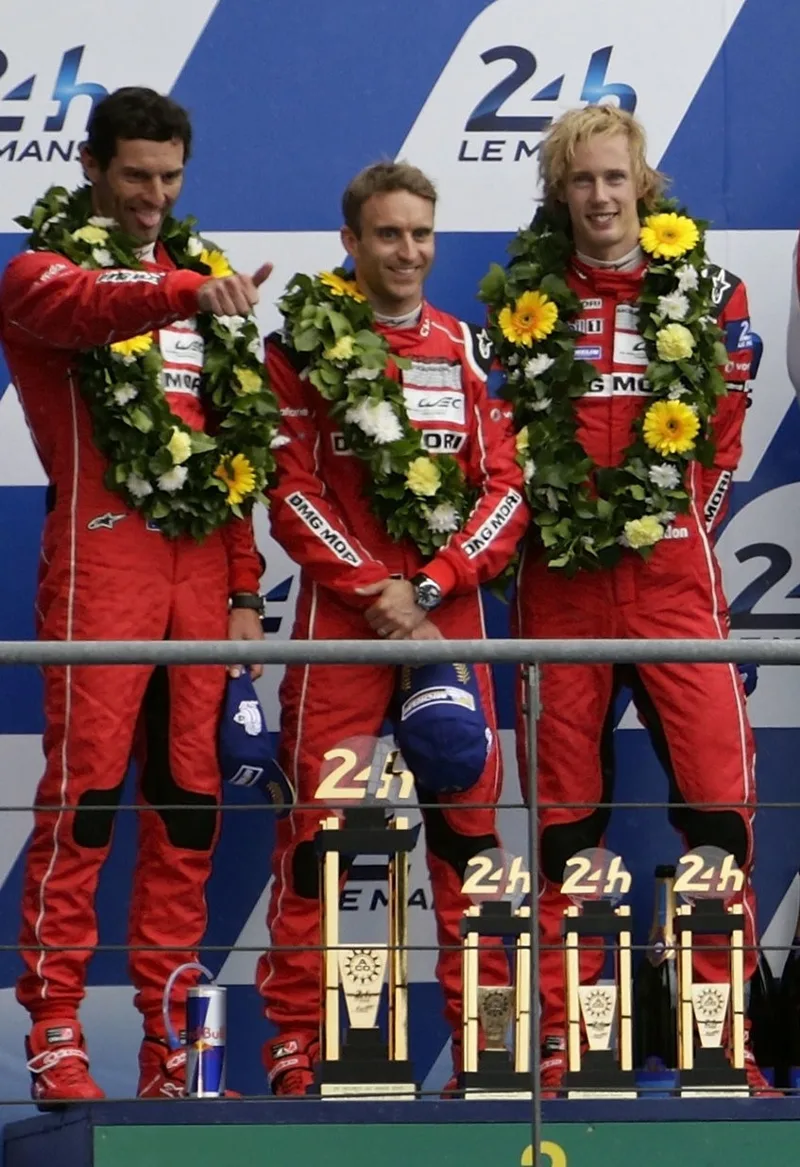
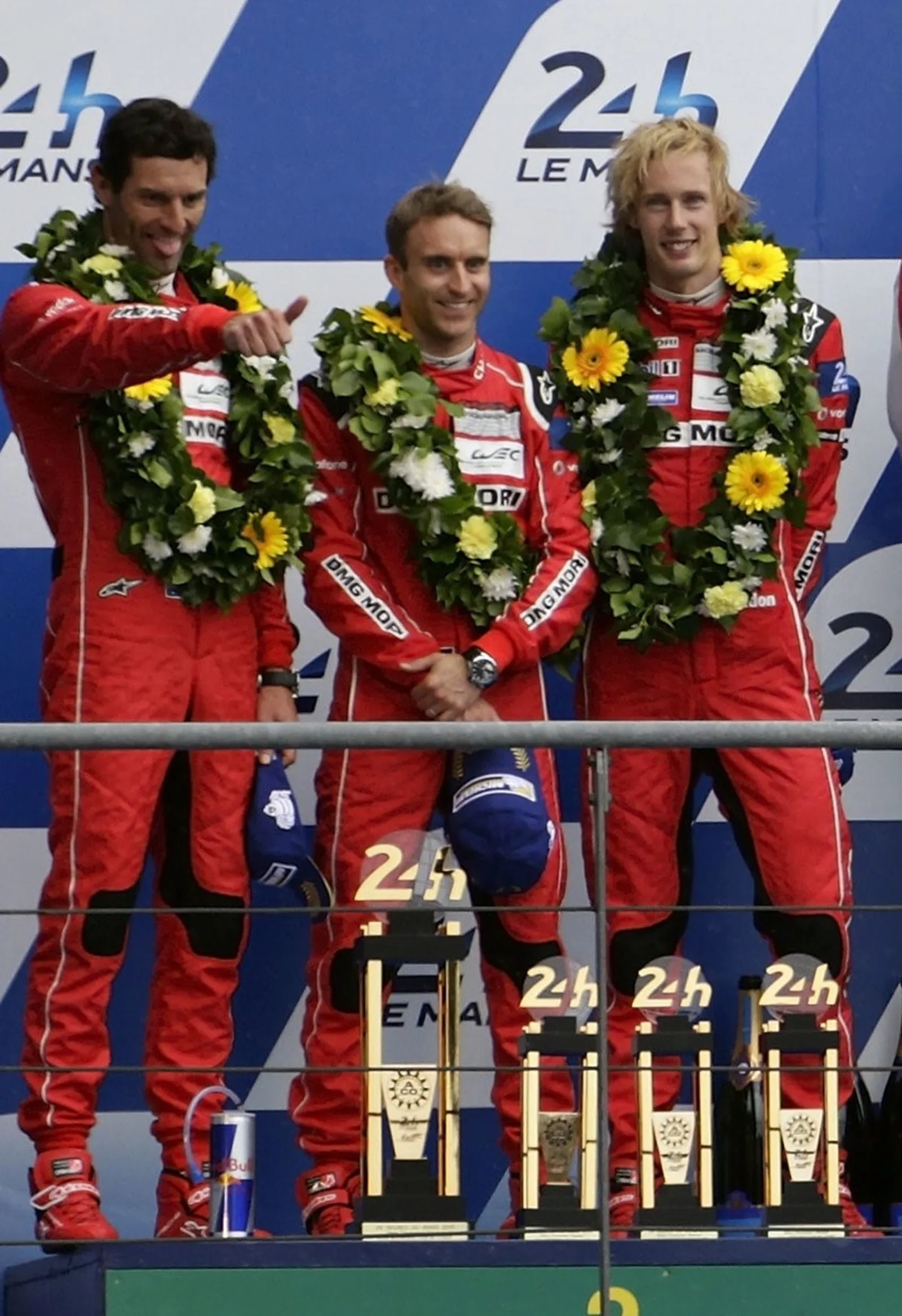
Timo Bernhard took the No. 1 Porsche to victory after a race of pit stops, five full course yellows and a drive-through penalty.
The 2016 6 Hours of Nurburgring was the fourth round of the FIA World Endurance Championship, held on 24 July 2016. The race ran for six hours and drew 58,000 spectators. Porsche took the win in its No. 1 car, ahead of two Audi entries.
Porsche's No. 1 car won the 2016 6 Hours of Nurburgring on 24 July 2016, its first win of the season. Timo Bernhard took the flag after Mark Webber handed over the driving, and the race was shaped by pit stops, five full course yellows and a drive-through penalty that returned the lead to Webber.
Who won the 2016 6 Hours of Nurburgring?
The No. 1 Porsche of Timo Bernhard, Mark Webber and Brendon Hartley won outright. Loic Duval, Lucas di Grassi and Oliver Jarvis took second in the No. 8 Audi, and the sister No. 7 Audi of Andre Lotterer and Marcel Fassler finished third.
Porsche's first win of 2016 came from a race of pit stops, five full course yellows and one penalty that handed the lead back.
What was the field for the race?
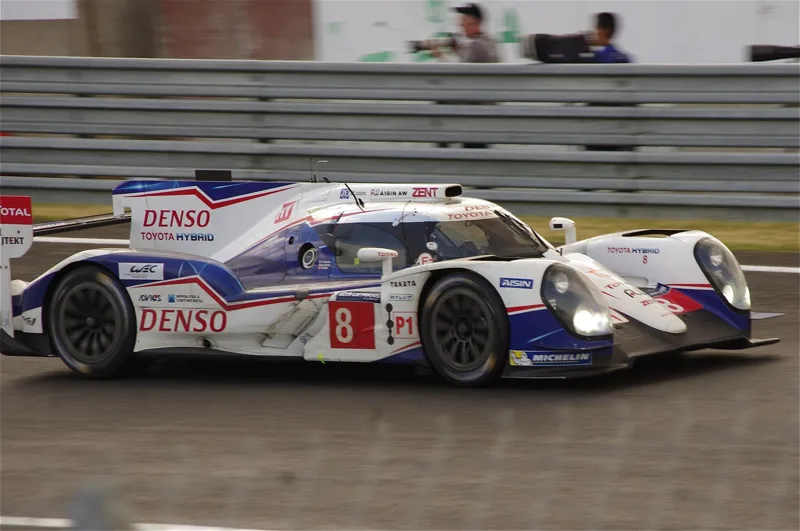
33 cars were officially entered for the race, mostly in LMP1 and LMP2. Porsche, Toyota and Audi each ran two LMP1 cars, with Rebellion Racing and ByKolles Racing as the privateers. The 2015 race winners, Porsche, returned to defend their title.
Benoit Treluyer missed the race after a spinal injury from a mountain bike fall in training, and Audi chose not to replace him, so the No. 7 car ran with two drivers. Mathias Beche returned to the series full-time, while Nelson Piquet Jr. was under contract for the first three races in Rebellion's No. 12 car.
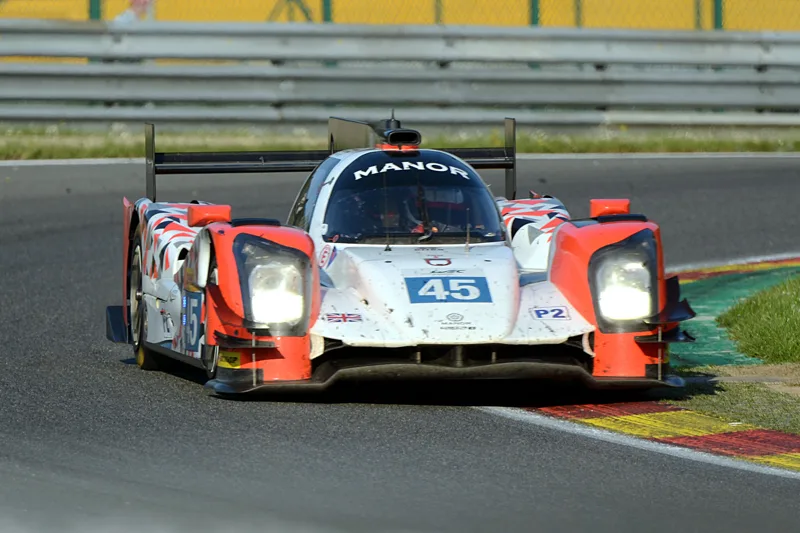
Alex Brundle joined G-Drive's No. 26 Oreca 05 for the rest of the season, and Lewis Williamson made his WEC debut with Strakka Racing. LMGTE Pro had Aston Martin, Ford, Ferrari and Porsche, and LMGTE Am had six teams, including Gulf Racing and Abu Dhabi-Proton Racing.
Porsche tested a third and final aerodynamic setup at Barcelona before the race. Its 911 RSR had 15 kilograms (33 lb) taken from its weight. Toyota brought an ultra-high downforce specification for the tight track.
How did the race start?
Maria Hofl-Riesch, a three-time Olympic gold medallist skier, waved the green flag at 13:00 CEST. Bernhard's No. 1 Porsche passed the No. 8 Audi around the outside for second at the second corner, while Fassler held the lead early on despite pressure.
Mucke's Ford GT took the LMGTE Pro lead at turn one, but he made an error on lap two and both Aston Martins passed him. The stewards investigated the start and took no further action.
Jani locked his front tyres at turn one and made contact with Mucke. The stewards took no action over that incident either.
How did the race unfold?
The pole-sitting Audi of Lotterer and Fassler set the early pace, but both Audis made slow pit stops, and Porsche gained ground when slower cars delayed them. Five full course yellows bunched the field during the race, and Bernhard took the car to the flag after Webber handed over the driving.
Brendon Hartley then took over the lead and held it until Marc Lieb passed him in the sister Porsche. Hartley later pitted for dive plane repairs.
Mark Webber then held first place until Neel Jani closed in and passed him in the No. 2 Porsche. Jani was given a drive-through penalty, which returned the lead to Webber, and Bernhard later relieved him in the No. 1 car and held the lead to the flag.
The race also produced a flash fire. Fuel spilled onto the hot exhaust of the No. 66 Ford GT, and Andy Priaulx, who had taken over from Harry Tincknell, was in the car when the fire broke out. The fire damaged the Ford's turbocharger, and the car slowed for the rest of its stint.
Marc Lieb hit Khaled Al Qubaisi while lapping him, and that incident triggered the fourth full course yellow. The No. 88 Abu Dhabi-Proton Racing Porsche had caught fire under an earlier full course yellow, but it was able to rejoin the race.
Five full course yellows were shown in total. The last one cleared debris from Jani's car after an LMP2 BR01 had hit it at the rear at the NGK chicane.
Why did the Veedol Chicane matter?
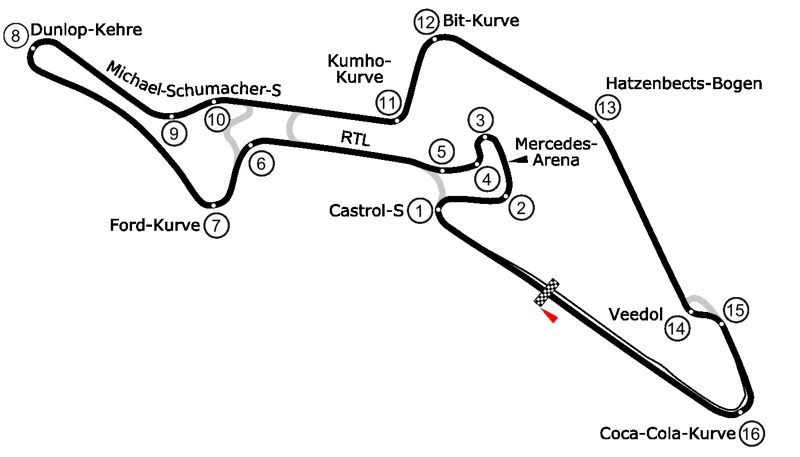
The tighter Veedol Chicane on the back straight was used for the first time in a WEC race, and Nurburgring lap times could not be compared with 2015 because of it. The chicane had been used in Formula One before it arrived in the WEC.
The corner was slower than the layout the teams had used before, so the weekend's timesheets read differently from the previous year's.
How did qualifying set the grid?
Lotterer and Fassler took pole in the No. 7 Audi at 1:39.444, and the No. 8 Audi of di Grassi, Jarvis and Duval joined it on the front row. Porsche's No. 1 car started third with Webber and Bernhard, the No. 2 Porsche of Lieb and Jani was fourth, and both Toyotas qualified fifth and sixth.
Qualifying ran as two 25-minute groups on Friday afternoon, with the LMGTE cars going first. Light rain sent teams onto intermediate tyres, and more rain later stopped anyone improving on their fastest times. Webber had misjudged his braking point at the NGK chicane, and Jarvis lost a fast lap for track limits after spinning at the same corner.
The LMP2 pole went to Rast and Rusinov in the No. 26 G-Drive Oreca, the fourth consecutive class pole for the team this season. Williamson set 1:49.924 in his first WEC qualifying session. In LMGTE Pro, Thiim and Sorensen took pole in the No. 97 Aston Martin at 2:01.712, and in LMGTE Am, Long and Al Qubaisi qualified the No. 88 Porsche first at 2:06.011.
What happened in practice?
Lieb's No. 2 Porsche led the first 90-minute session at 1:41.703, and Webber set the fastest lap of the second session at 1:40.997. Dumas suffered a brake disc failure and hit the turn one barriers, which left him unable to take further part in practice.
Brundle led LMP2 at 1:50.748 in the opening session, and Lapierre's Signatech Alpine failed at the turn one gravel trap. Rast was fastest in LMP2 in the second session at 1:48.965, and Webber's 1:41.002 with 20 minutes of the third session left was the quickest timed lap of that final practice.
Which cars retired or lost serious time?
Brundle's LMP2 lead ended in the garage with a gearbox problem, and Webb's car retired with smoke billowing from it at turn 11. Several other cars lost time to pit-lane penalties and damage, and Toyota's No. 6 needed an engine component repaired.
Brundle had been in the LMP2 lead when he drove slowly with the gearbox fault. He made a pit stop before he was pushed into the garage to retire. G-Drive suspected a dog-ring failure, which affected the bevel gears built into the gearbox casing.
Webb stopped on the outside of the eleventh turn with smoke billowing from his car, and his retirement prompted the third full course yellow. Toyota's No. 6 car was taken into the garage to fix a loose engine part.
The No. 83 AF Corse Ferrari received a 20-second penalty for speeding in the pit lane under a full course yellow, and the car lost time as a result.
What did the balance of performance changes mean on track?
The Porsche 911 RSR's weight was cut by 15 kilograms (33 lb), and its air restrictor was reduced by two millimetres (0.079 in). The Aston Martin Vantage GTE returned to the larger diameter restrictor it had run at Spa-Francorchamps.
Toyota's ultra-high downforce specification was developed at the team's wind tunnel in Cologne, with updated front and rear bodywork for the short, tight track.
Porsche's third and final aerodynamic configuration had been tested over four days at the Circuit de Barcelona-Catalunya. Most of the car's modifications sat under its bodywork, giving it a new front-end look.
How did the GTE classes battle for the lead?
Mucke's Ford GT had led LMGTE Pro early on before the Aston Martins moved ahead. Later in the race Bruni took the class lead from Nicki Thiim's Aston Martin, and Joel Camathias's KCMG Porsche briefly led LMGTE Am.
The No. 95 Aston Martin continued to lead LMGTE Pro for a time. The team's No. 98 car then needed a door change after losing one of its wing mirrors, which dropped it to sixth in class.
Pierre Ragues became the LMGTE Am leader after moving in front of Perrodo and the KCMG Porsche. The first full course yellow came when Perrodo spun his car into the NGK chicane gravel trap.
Class results
| Class | Winning crew and car | Second place |
|---|---|---|
| Overall (LMP1) | Bernhard, Webber and Hartley, No. 1 Porsche | Duval, di Grassi and Jarvis, No. 8 Audi |
| LMP2 | Menezes, Lapierre and Richelmi, No. 36 Signatech Alpine | Gonzalez, Albuquerque and Senna, RGR Sport |
| LMGTE Pro | Bruni and Calado, No. 51 AF Corse Ferrari | Bird and Rigon, No. 71 AF Corse Ferrari |
| LMGTE Am | Lamy, Lauda and Dalla Lana | Perrodo, Collard and Aguas, No. 83 AF Corse Ferrari |
KCMG's No. 78 Porsche was disqualified for a non-compliant ride height, which left the No. 83 AF Corse Ferrari as the LMGTE Am runner-up.
The top three finishers of each category appeared on the podium and at a later press conference.
How did the GT classes race?
LMGTE Pro went to the No. 51 AF Corse Ferrari of Bruni and Calado, their first win of the 2016 season. The sister No. 71 Ferrari of Bird and Rigon finished 47 seconds behind. LMGTE Am was won by Lamy, Lauda and Dalla Lana, who led the final 48 laps.
Lamy, Lauda and Dalla Lana were untroubled at the front, and the win was their second of the 2016 season. The Am class ended with the AF Corse Ferrari of Perrodo, Collard and Aguas in second.
What did the result mean for the championship?
Lieb, Jani and Dumas kept the drivers' lead with 106 points, 33 ahead of the Duval, di Grassi and Jarvis crew. Porsche extended its manufacturers' lead to 164 points, 35 ahead of Audi, with Toyota a further 32 points back and five races left in the season.
The result was Porsche's first win since the 2015 6 Hours of Shanghai, and its first of the 2016 season. Lotterer said Audi looked forward to the 6 Hours of Mexico, the next race on the calendar.
How did the drivers react to the win?
Bernhard called the win especially sweet, because Porsche's success had been hard fought and it eased the effect of his teammates' poor form in the first three races. Di Grassi said Audi made no mistakes and drove at the limit, but lacked fortune, while Duval said Porsche had been simply fortunate.
Webber said he was happy for Porsche and called it an exceptional performance against strong competition. Hartley said the circuit suited his car's balance during his second stint. Jarvis described second place as a little victory, and Fassler said Audi were pleased with third and would push harder at the next race.