Anthony Davidson and Sebastien Buemi won the drivers' championship for Toyota by 39 points, while Audi, Porsche and Aston Martin fought over the other prizes across eight races.
The 2014 WEC drivers' title went to Toyota's Davidson and Buemi, who finished 39 points clear of Audi's Fassler, Lotterer and Treluyer. Toyota also took the manufacturers' title, with Audi second, across a season of eight races that ran from Silverstone to Sao Paulo.
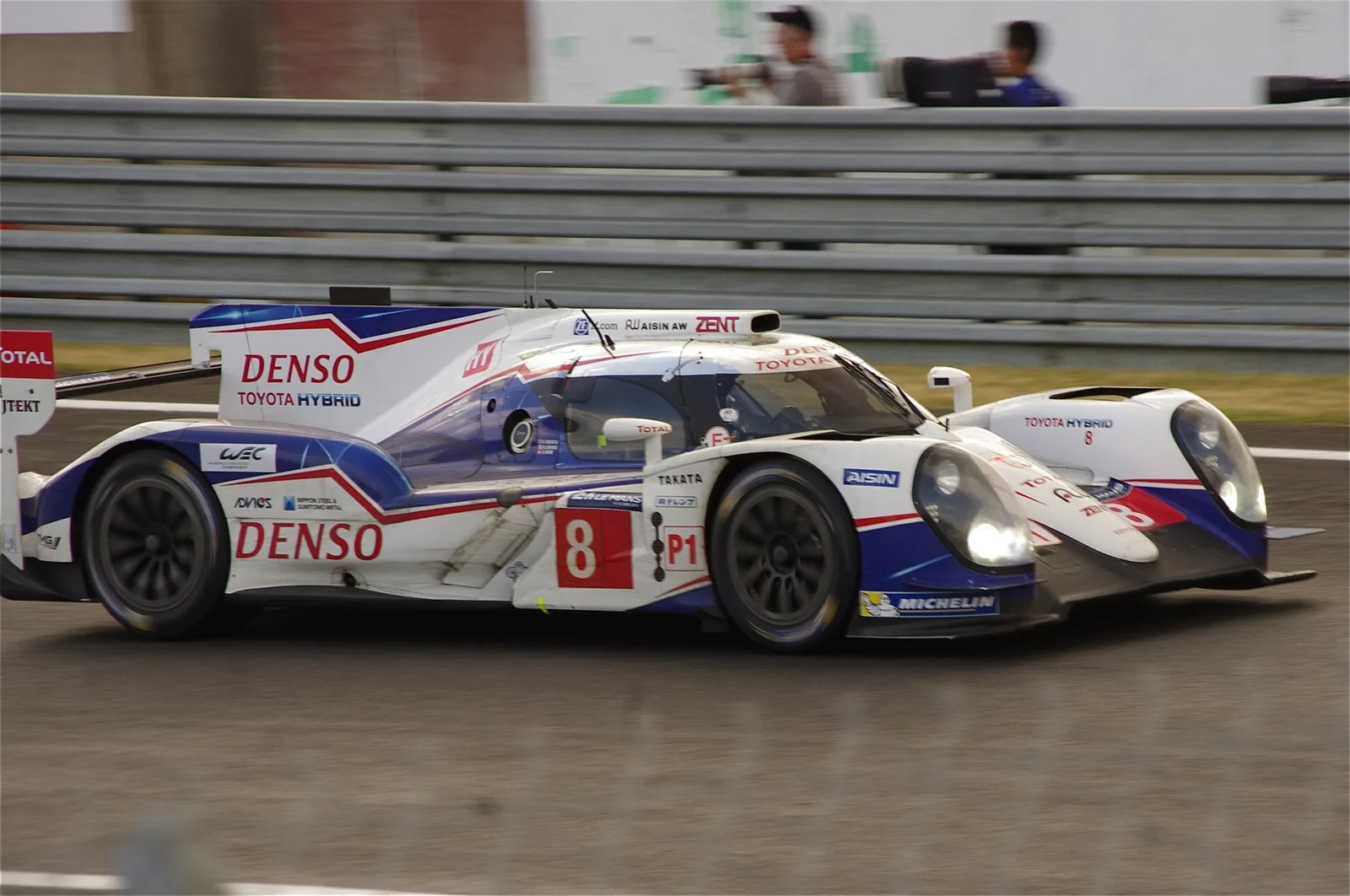
The 2014 FIA World Endurance Championship was the third season of the series, co-organised by the FIA and the Automobile Club de l'Ouest. Anthony Davidson and Sebastien Buemi won the drivers' title for Toyota, winning four of the eight races and finishing 39 points clear of the Audi trio, while Toyota also took the manufacturers' championship by 45 points.
The eight-round season ran from Silverstone in April to Sao Paulo in November. It mixed prototypes and grand tourers across several classes, and Toyota, Audi, Porsche, Aston Martin and AF Corse all won races in different categories.
How did the 2014 calendar come together?
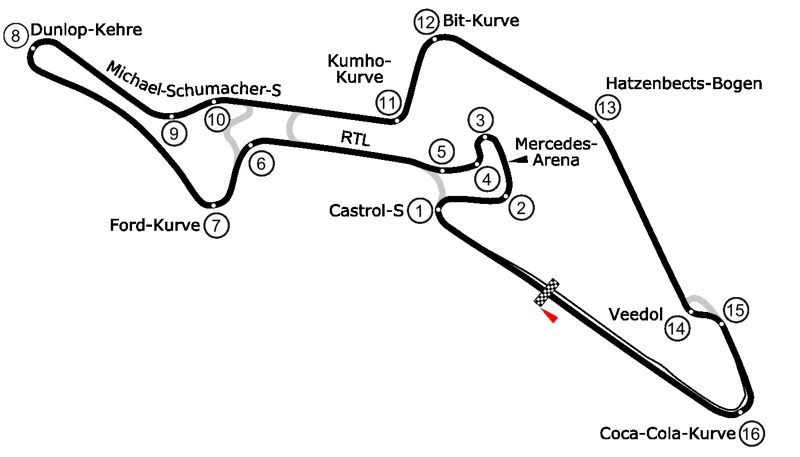
A provisional calendar was published on 20 September 2013, and all eight races from the 2013 schedule remained. The calendar was revised on 18 October 2013 to avoid clashes with Formula One races. The World Motor Sport Council confirmed the schedule on 4 December 2013, and the Fuji Speedway round was held on 12 October to avoid a clash with the United SportsCar Petit Le Mans.
The Sao Paulo round was moved to 30 November on 31 January 2014, again to avoid Formula One. The schedule therefore kept most of the 2013 venues and changed only the dates of several rounds. Two rounds, at the Circuit of the Americas and in Bahrain, ended after dark.
Toyota's double came from four wins and consistent finishes, while Audi and Porsche fought for every point behind it.
Which cars and teams were in the 2014 field?
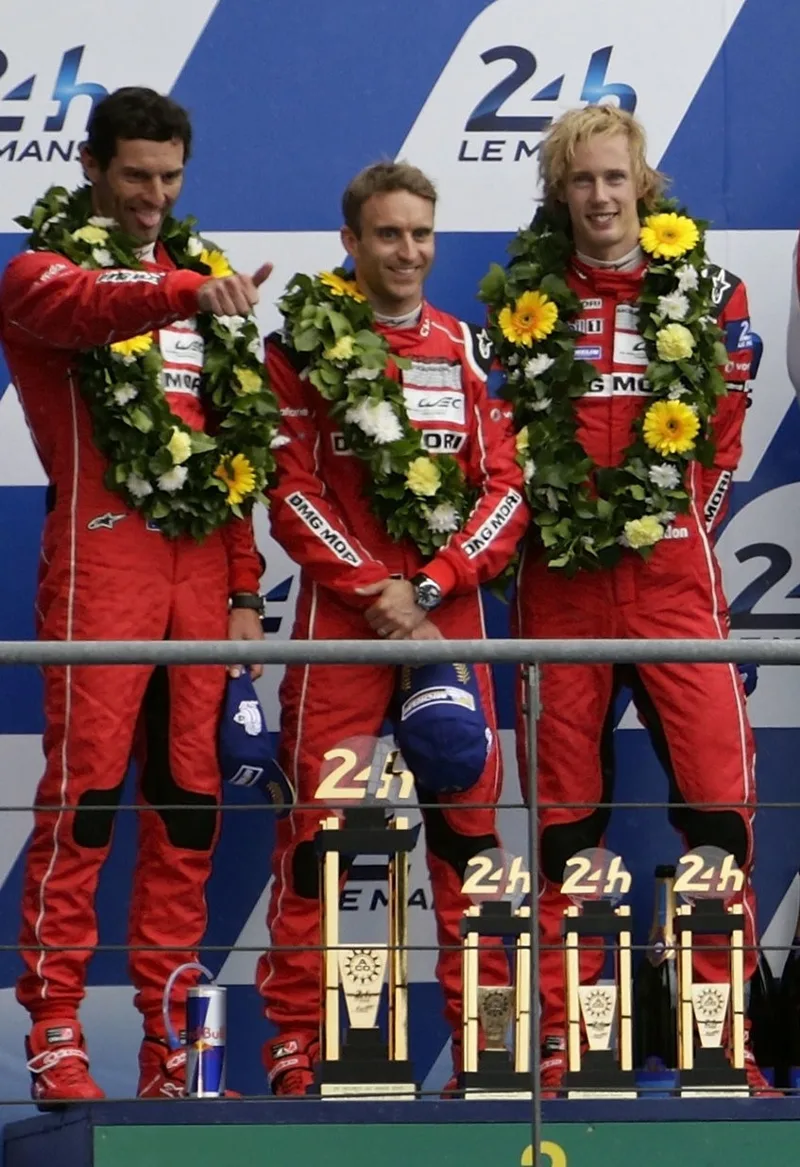
The FIA unveiled an entry of 31 cars, divided into five categories: LMP1-H, LMP1-L, LMP2, and the LMGTE Pro and Amateur classes. LMP1-H became the single category for factory prototype teams after the LMP1 class was split in two, with Audi returning with a revised R18, Toyota with an all-new TS040 and Porsche with an all-new 919. Porsche brought in Mark Webber and the newcomer Brendon Hartley to join its factory drivers.
LMP1-L was designed for privateers without hybrid systems. Rebellion Racing, two-time winners of the privateer trophy, started the season with its older Lolas while its new Toyota-powered R-One chassis were completed. Lotus, with its new CLM P1/01 and an engine from Advanced Engine Research, missed the first three races because its car was not ready.
LMP2 shrank to its smallest size in the series' history, with OAK Racing downsizing to a single Morgan entry and Strakka Racing cancelling its 2014 programme after development problems. Millennium Racing withdrew before the first round. In LMGTE Pro, Porsche, Aston Martin and AF Corse each ran two full-season cars, and Ram Racing withdrew from the series after Le Mans.
In LMGTE Pro, Davide Rigon was promoted within AF Corse after Giancarlo Fisichella and Kamui Kobayashi left, Frederic Makowiecki moved from Aston Martin to Porsche, and Fernando Rees joined the Bamboo Engineering entry associated with Aston Martin. Defending LMGTE Am champions 8 Star returned with a Ferrari, while Proton Competition upgraded its Porsche to a 2013-specification 911 RSR.
In LMP2, the Russian team SMP Racing, working with AF Corse, moved over from the European Le Mans Series with two Orecas, and Hong Kong-based KCMG brought a solo Oreca. Greaves Motorsport went back to the European Le Mans Series, and PeCom Racing ended its LMP2 operation. Strakka planned to co-develop an LMP2 coupe with Dome, the S103, but the programme was cancelled after development problems.
How did the points system work?
Entries had to complete the timed race and cover at least 70% of the winning car's race distance to earn points. A single bonus point went to the pole-winning car in each category, and points for the 24 Hours of Le Mans were doubled. A race also needed three laps under green flag conditions before any points could be awarded.
The series awarded five drivers' titles. A World Championship was reserved for LMP1 and LMP2 drivers, and a World Cup was available to the LMGTE classes. Three FIA Endurance Trophies went to drivers in the LMP1-L, LMP2 and LMGTE Am classes, and two manufacturers' championships were held, one for prototypes and one for grand tourers.
Who won the drivers' title?
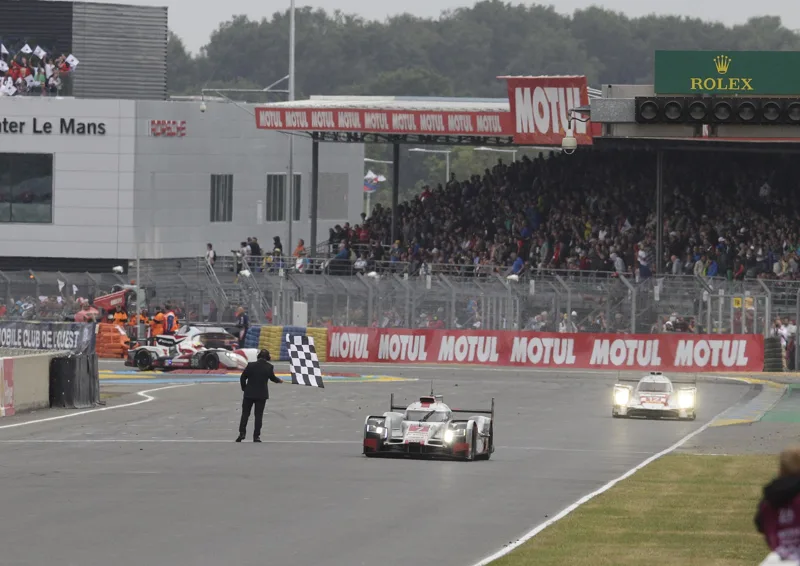
Audi's trio had a strong run of its own, taking back-to-back wins at Le Mans and at the Circuit of the Americas. Toyota kept the drivers from its previous two seasons, which gave its line-up continuity. Davidson and Buemi won four of the eight races for Toyota, and they finished 39 points clear of Audi's Marcel Fassler, Andre Lotterer and Benoit Treluyer. Porsche's Romain Dumas, Neel Jani and Marc Lieb were third, ten points further behind. Their victory in Sao Paulo gave them the tiebreak over Lucas di Grassi and Tom Kristensen of Audi, which made the final round decisive for the podium.
Toyota's sister car of Mike Conway, Stephane Sarrazin and Alexander Wurz won the Bahrain race, while Nicolas Lapierre shared Toyota's winning car at Silverstone and Spa alongside Davidson and Buemi. Toyota took five wins in total and won the manufacturers' championship by 45 points over Audi.
| Class or title | Champion | Notable detail |
|---|---|---|
| World Endurance Drivers' Championship | Anthony Davidson and Sebastien Buemi | Four wins, 39 points clear |
| World Endurance Manufacturers' Championship | Toyota | Five wins, 45 points clear of Audi |
| LMP1 Private Teams | Rebellion Racing | Won all eight races |
| LMP2 drivers | Sergey Zlobin | Won by nine points |
| GT drivers | Gianmaria Bruni and Toni Vilander | Four wins, 33.5 points clear |
| LMGTE Am drivers | David Heinemeier Hansson and Kristian Poulsen | Four wins and four second places |
What happened in the privateer and LMP2 classes?
Rebellion won both privateer trophies after winning all eight races. Beche, Heidfeld and Prost shared the No. 12 car, which won five races, while the No. 13 car, driven by Andrea Belicchi, Dominik Kraihamer and Fabio Leimer, won three.
In LMP2, Sergey Zlobin won the drivers' championship by nine points. He won only at Le Mans, where he shared the car with Anton Ladygin and Mika Salo, but he achieved six podium finishes with four different teammates, so his title came from consistency rather than wins. G-Drive Racing won four races, but retirements at Le Mans and Sao Paulo cost it the title, and KCMG finished seven points further back in the standings after three wins by Richard Bradley and Matthew Howson.
How did the GT classes finish?
In the GT category AF Corse and its drivers Gianmaria Bruni and Toni Vilander won the World Endurance Cup, taking four victories and finishing 33.5 points clear of Frederic Makowiecki of Porsche Team Manthey. Makowiecki won twice, and Richard Lietz and Patrick Pilet finished third and fourth.
Aston Martin Racing won at Circuit of the Americas and Sao Paulo with Stefan Mucke and Darren Turner, and it took seven of the eight LMGTE Am races, giving it a 1-2 in the teams' championship. In the amateur drivers' title, David Heinemeier Hansson and Kristian Poulsen won with four wins and four second places, finishing 34 points clear of the second Aston Martin crew, Paul Dalla Lana, Pedro Lamy and Christoffer Nygaard.
What were the final standings?
The final standings showed a championship decided by consistency and by the ability to finish races. Toyota's drivers won the main title by 39 points, Audi was second in both the drivers' and manufacturers' contests, and Porsche's trio finished third. In the GT ranks AF Corse finished 20 points clear of Porsche Team Manthey in the LMGTE Pro team trophy, and Nicki Thiim was third in the amateur standings, 20 points further back.
Why does the 2014 season matter?
The 2014 season showed how much the calendar and the entry list were still in flux. The schedule was rebuilt around Formula One dates, the LMP2 field shrank to a handful of entries, and Toyota's double was the headline, and Audi's second place in both contests kept the fight close. Porsche's Dumas, Jani and Lieb finished third in the drivers' table. The GT and privateer results gave the championship interest beyond that headline.