The son of a three-time world champion, Piquet raced for Renault in 2008 and 2009, was at the centre of the Crashgate affair, then won the first Formula E title.
Nelson Piquet Jr. raced for Renault in Formula One in 2008 and 2009, finishing second at the German Grand Prix in 2008. He later won NASCAR national races and the inaugural Formula E championship in 2014-15. His career also included the Crashgate affair, which ended his Formula One seat.
Nelson Piquet Jr. is a Brazilian racing driver who raced in Formula One for Renault in 2008 and 2009. His Formula One career ended after the Crashgate affair, when he was dropped by the team, and he then moved into NASCAR and Formula E. He won the first Formula E championship in 2014-15 and remains a full-time competitor in Brazilian stock car racing.
Who is Nelson Piquet Jr.?
Nelson Piquet Jr. was born on 25 July 1985 in Heidelberg, West Germany. He is the son of Nelson Piquet, who won three Formula One world championships, and he has raced under the names Nelson Piquet Jr. and Nelsinho Piquet. His career has spanned single-seaters, touring cars, NASCAR, rallycross and electric racing.
Piquet's racing started in Brazilian karting in 1993. He moved to Formula Three Sudamericana in 2001 and won that championship in 2002 with four races to go. His father's wealth allowed him to run his own team for much of this period, a practice he kept up until he left the GP2 Series.
His Formula One exit came in the middle of the Crashgate affair, which the FIA investigated and which is often described as one of the most significant scandals in motor sport.
A champion's son, a deliberate crash and a title that came in electric cars: few careers have taken Nelson Piquet Jr. in such different directions.
How did Piquet rise through the junior ranks?
In 2003 Piquet moved to Britain, joined the British Formula 3 Championship and ran his own Piquet Sports team. His 2003 campaign ended third overall, with six victories, five podium finishes and eight poles. That season also brought a test with Williams.
The 2004 British Formula 3 crown followed, and at 19 years and two months he became its youngest ever winner. He also did further running for Williams.
In 2005 he drove for A1 Team Brazil in A1 Grand Prix and took victory in both races at the opening round at Brands Hatch. He also drove for Hitech Piquet Sports in GP2, where he took his first win at Spa-Francorchamps. He also tested for BAR-Honda that year.
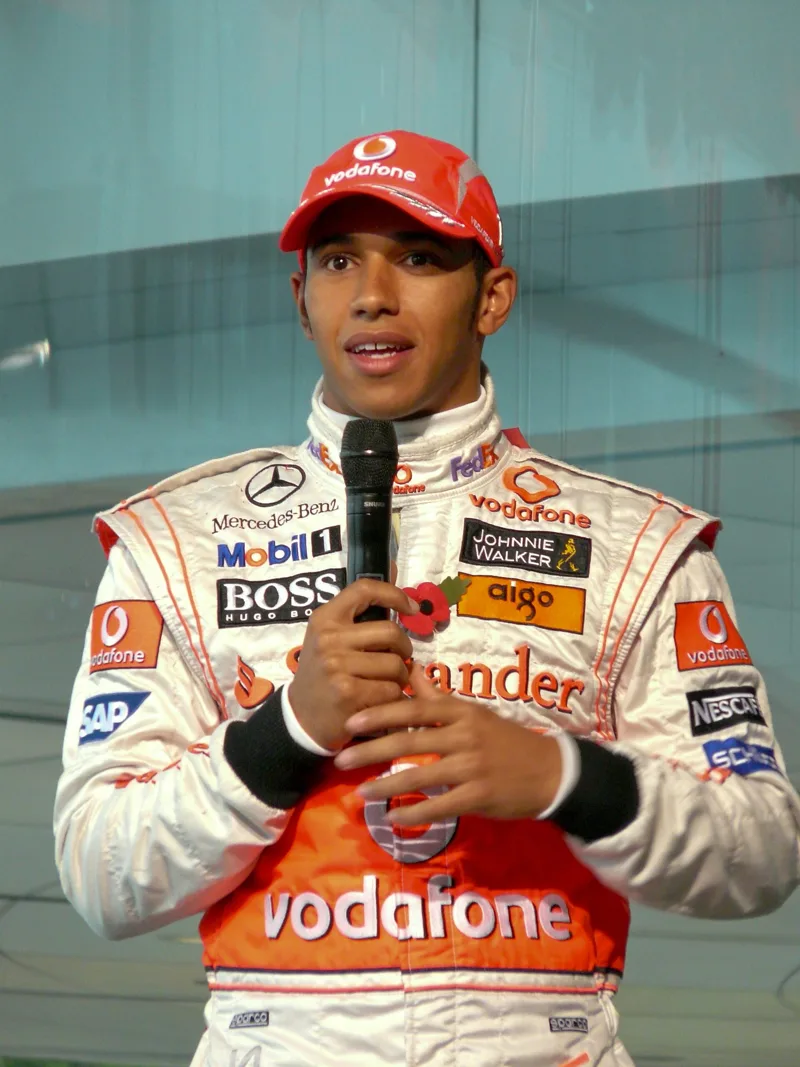
In 2006 he finished second in the GP2 Series behind the British driver Lewis Hamilton, in only his second season in the category. He was later signed as Renault's test driver for 2007.
How did Piquet's 2008 Formula One season go?
In 2008 Piquet moved from test driver to the Renault race team, partnering double world champion Fernando Alonso. Reports said he beat Heikki Kovalainen to the seat, since Kovalainen was viewed as a possible threat to Alonso. The season was difficult at first, with retirements and collisions in the opening rounds.
His first Grand Prix in 2008 was in Australia, where he started 21st and was involved in an opening-lap collision before retiring on lap 31. He finished eleventh in Malaysia after starting 13th. A gearbox fault stopped him in Bahrain after a second pitstop. In Spain he reached the top ten in qualifying for the first time, but a clash with Sebastien Bourdais ended his race on lap seven.
Pressure grew as the season went on. Renault publicly urged him to improve after Turkey, where he qualified 17th and finished 15th. At Monaco he crashed out in damp conditions, and in Canada he retired on lap 42 with brake failure after a spin while chasing Alonso.
His breakthrough came at the French Grand Prix, where he finished seventh and scored his first Formula One points by passing Alonso in the final laps. At Silverstone he was running fourth on his teammate's old tyres before aquaplaning and spinning on lap 36 in the wet.
The German Grand Prix produced his best result. Running a one-stop plan alone, and helped by a safety car period, he climbed several places to take second behind McLaren's Lewis Hamilton. That gave him his first podium, and he finished ahead of Felipe Massa's Ferrari. He finished fourth in Japan later that year.
Why did Renault drop Piquet in 2009?
Renault kept Piquet for 2009 on a one-year contract, with Alonso still his teammate. He had a poor start to the season and failed to get past the first qualifying session in his first three races. The team's frustrations grew during the year, and the decision to drop him came on 3 August 2009.
His 2009 results were mixed. He retired in Australia on lap 24 with brake failure and finished thirteenth in Malaysia, two places behind Alonso. In China he spun several times, needed two new nose cones and finished sixteenth, two laps down. He came tenth in Bahrain and twelfth in Spain, and at the German Grand Prix he out-qualified Alonso for the first time.
Piquet had not scored a point in 2009 by the time Renault announced its decision. He publicly criticised team boss Flavio Briatore, who had also been his manager, and questioned Briatore's knowledge of Formula One. The reserve driver Romain Grosjean replaced him for the rest of the season.
Piquet was also linked with Ferrari as a stand-in for the injured Felipe Massa, but Ferrari signed Giancarlo Fisichella instead, the driver Piquet had replaced at Renault in 2008. His Formula One career was over.
What was the Crashgate scandal?
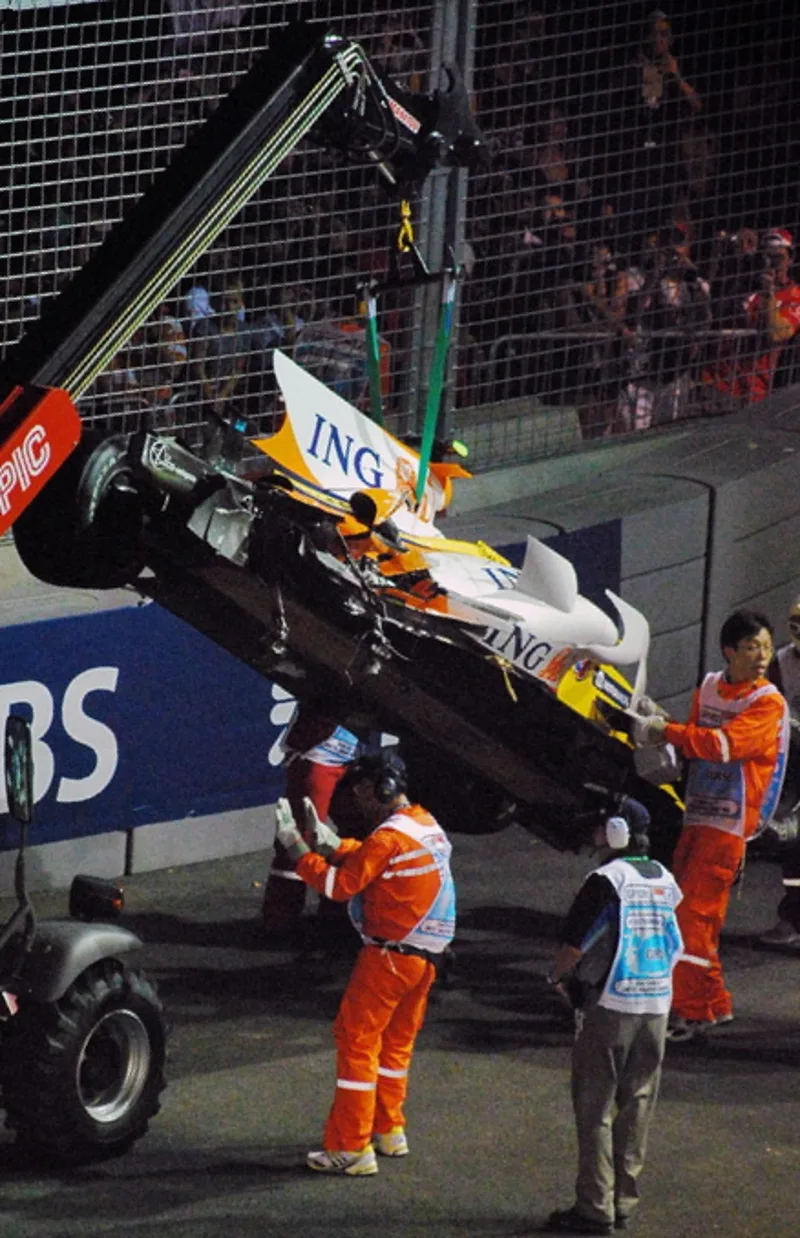
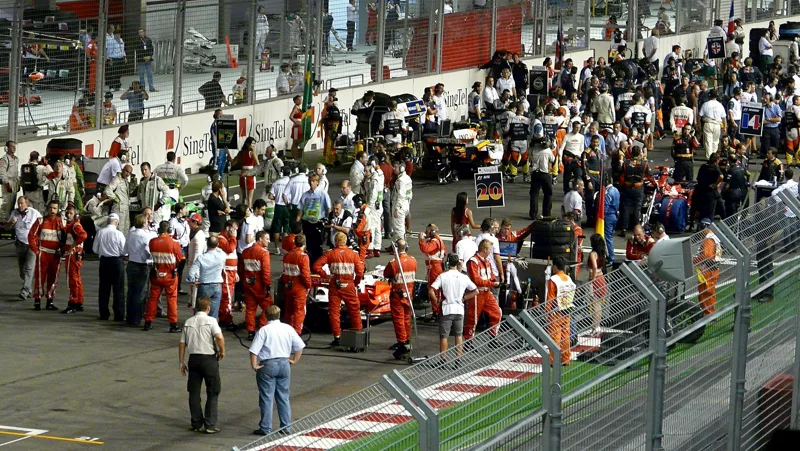
Crashgate is the name given to claims that Piquet staged a crash in Singapore in 2008 to help Alonso win. The claims surfaced in August 2009, after Piquet had left Renault. At the time he described the crash as a simple mistake, which was the account he first gave to the team and the public.
Piquet later changed his account and told the FIA that the crash was deliberate. He said that Briatore and engineer Pat Symonds had asked him to stage it. The FIA granted him immunity in return for his evidence, and he was 23 at the time of that Singapore race.
The affair widened quickly. On 4 September 2009 Renault's principals faced charges of conspiracy and race rigging, and a hearing was set for Paris on 21 September 2009. The allegations placed Renault's most senior figures in the spotlight during the 2009 season.
Piquet's account became the centre of the case, and the team's response shaped the rest of the year. Renault and Briatore said they would take criminal action against Piquet, accusing him of making false allegations and blackmail.
How did the Crashgate case end?
On 16 September 2009 Renault said it would not contest the charges, and both Briatore and Symonds left the team. The FIA hearings then concluded, and Piquet publicly expressed regret for following the orders he had been given, while describing the pressure he felt inside the team.
The dispute reached the High Court in December 2010, where the Piquets succeeded in a libel action against Renault. Renault apologised for defaming Piquet and paid substantial damages. The team also accepted that the allegations made by Piquet were not false, and that he and his father had not invented them in order to blackmail the team.
The case remains one of the most cited episodes in Formula One's modern history. For Piquet, it closed the door on a regular Formula One career, although he went on to win races and titles elsewhere. The legal outcome is part of the public record and is often used when the sport discusses team governance.
Why did Piquet move to NASCAR?
Piquet began looking for a new route after Formula One. In October 2009 he took a Red Horse Racing truck out for a test session at Rockingham Speedway in North Carolina. He then announced in early 2010 that he would race in NASCAR that year.
His first season in the Truck Series with Red Horse Racing brought a sixth-place finish, the first top-ten result by a Brazilian driver in the series. His ARCA debut came at Daytona with Eddie Sharp Racing, and in August he came seventh in his first Nationwide start, at Watkins Glen. The results were promising, and they opened the door to a full season.
In December 2010 Kevin Harvick Inc. announced that he would run a third truck for the full 2011 season. He ended the season tenth in points, and Rookie of the Year went to Joey Coulter, with Piquet second.
What did Piquet achieve in NASCAR?
Piquet signed with Turner Motorsports for 2012, driving a Chevrolet for the full Truck Series season and part of the Nationwide Series schedule. He won his first race in the K&N Pro Series East at Bristol in March, then scored his first NASCAR national series win at Road America in June.
That June win, in the Nationwide Series race at Road America, was the first by a Brazilian in a NASCAR national touring series. Later in 2012 he won his first Truck Series race at Michigan in August, after a restart and a fuel strategy that helped the team. In September he won his second Truck race at Las Vegas Motor Speedway, passing Matt Crafton on the last lap.
For 2013 he moved to full-time Nationwide Series racing with Turner Scott Motorsports, with a Rookie of the Year bid in mind. Late that season NASCAR fined him 10,000 dollars and placed him on probation for social media remarks that were described as homophobic. He was released by Turner Scott Motorsports after the 2013 season, due to a lack of sponsorship.
In 2014 he made his Sprint Cup Series debut at Watkins Glen with Randy Humphrey Racing. Two years later he returned to the Nationwide Series, now called the Xfinity Series, driving for Biagi-DenBeste at Mid-Ohio. In 2026 he returned to racing in the NASCAR Euro Series with Alumitec Racing.
How did Piquet win the first Formula E championship?
Piquet tested with China Racing at Donington Park in August 2014 and was hired by the team on 21 August. He won the inaugural Formula E Championship in 2014-15, finishing ahead of Sebastien Buemi by a single point. His consistency across the season was the key to the title.
Piquet took podium finishes at Punta del Este and Buenos Aires early in the season. He then won his first Formula E race at Long Beach and his second in Moscow. Those two victories, combined with steady results in the other rounds, carried him to the title.
He joined Panasonic Jaguar Racing in 2017 after two frustrating seasons with NextEV. In 2018-19 he was outmatched by his teammate Mitch Evans in nearly every ePrix and collected a single point that season. He quit the team after the Sanya ePrix, and Alex Lynn took over for the remainder of the campaign.
What has Piquet done since Formula E?
Piquet's rallycross career began in 2014 with SH Racing in the Global RallyCross Championship. Turner Scott Motorsports had released him in early 2014 due to a lack of sponsorship. In a Ford Fiesta ST he earned four podiums in nine rounds and ended the year fourth overall.
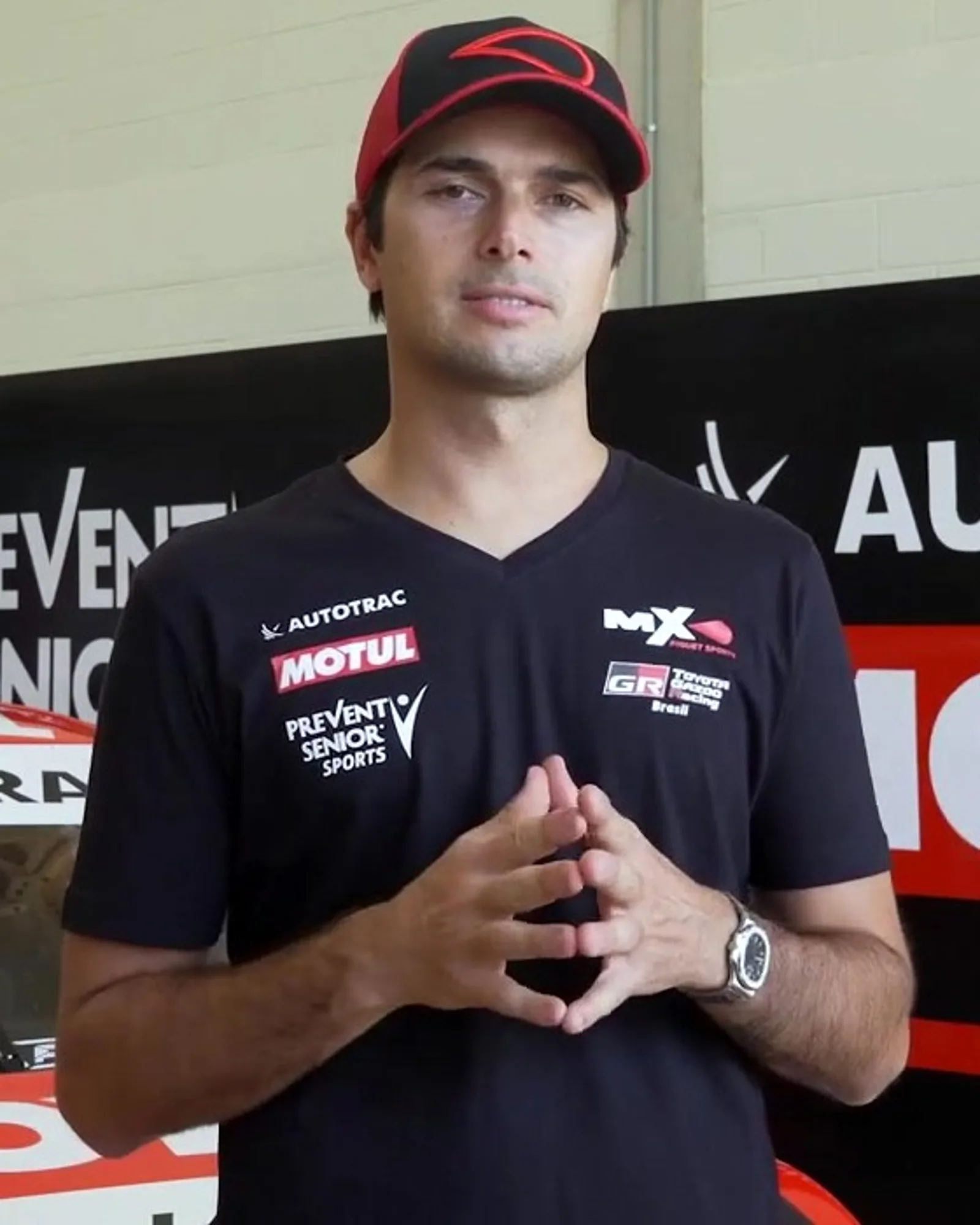
Sportscar racing is also on his schedule: he drives an ORECA 07 in the LMP2 Pro/Am category for Team Virage in Europe's Le Mans Series. He now races full-time in Brazil's Stock Car Pro Series, in a Toyota Corolla run by Motul TMG Racing.
His career continues to span several categories and countries. From karting to Formula One, from NASCAR to electric racing, Piquet's record reflects a driver who has moved between series as opportunities arose.
What is Piquet's legacy in motorsport?
Piquet's legacy is shaped by two things: his early success in junior formulae and the Crashgate affair. He won the British Formula 3 title as a teenager and the first Formula E championship. The Crashgate affair, on the other hand, is one of the most significant episodes in the sport's history.
He also holds the distinction of being the first Brazilian to win in a NASCAR national touring series, at Road America in 2012. In Truck Series racing he was the first Brazilian to finish in the top ten.
Career summary by series
| Series | Years | Key results |
|---|---|---|
| Formula Three Sudamericana | 2001 to 2002 | Champion in 2002 with four races to go |
| British Formula 3 | 2003 to 2004 | Third in 2003 with six wins; champion in 2004 |
| A1 Grand Prix | 2005 | Won both races at the first event at Brands Hatch |
| GP2 Series | 2005 to 2006 | First win at Spa-Francorchamps; second in 2006 |
| Formula One | 2008 to 2009 | Second at the German Grand Prix in 2008; seventh at the French Grand Prix for first points |
| NASCAR | 2010 to 2016, 2026 | First national win at Road America in 2012; two Truck Series wins in 2012 |
| Formula E | 2014 to 2019 | Champion in 2014-15 by one point; two race wins |
| Global RallyCross | 2014 | Four podiums in nine races; fourth in the championship |