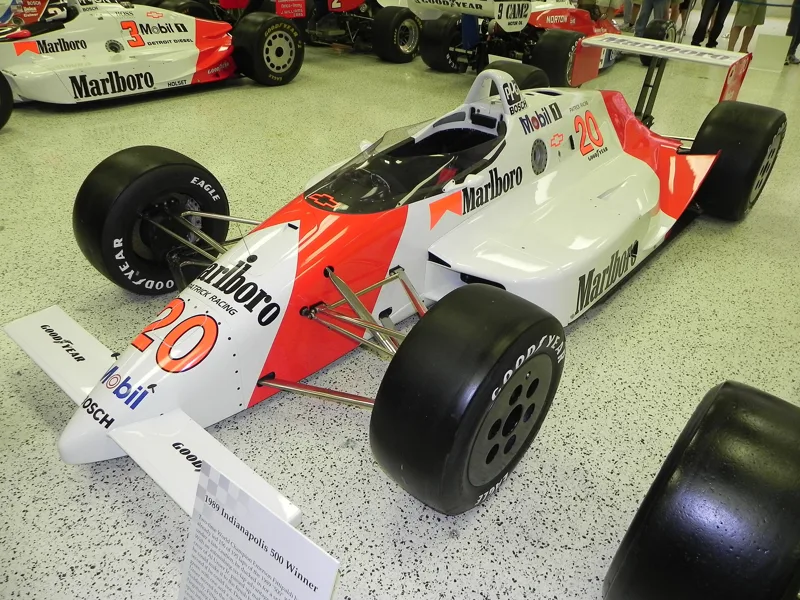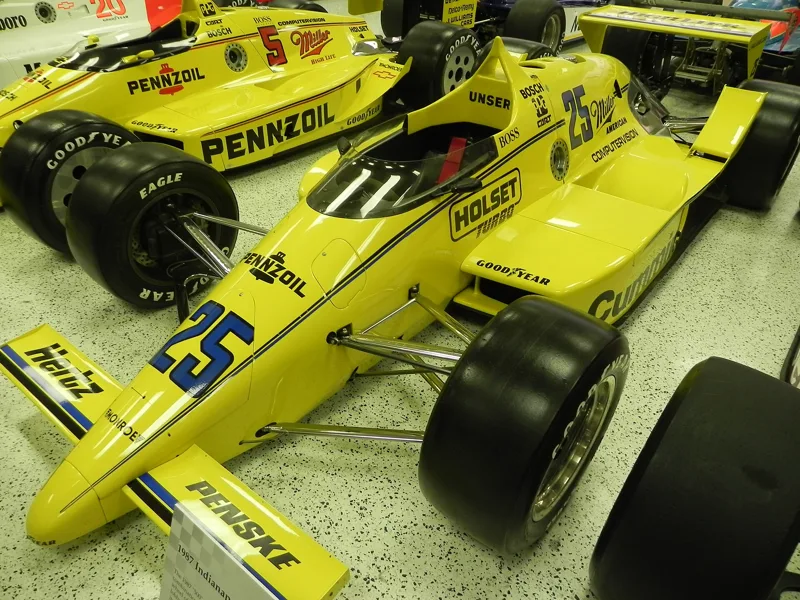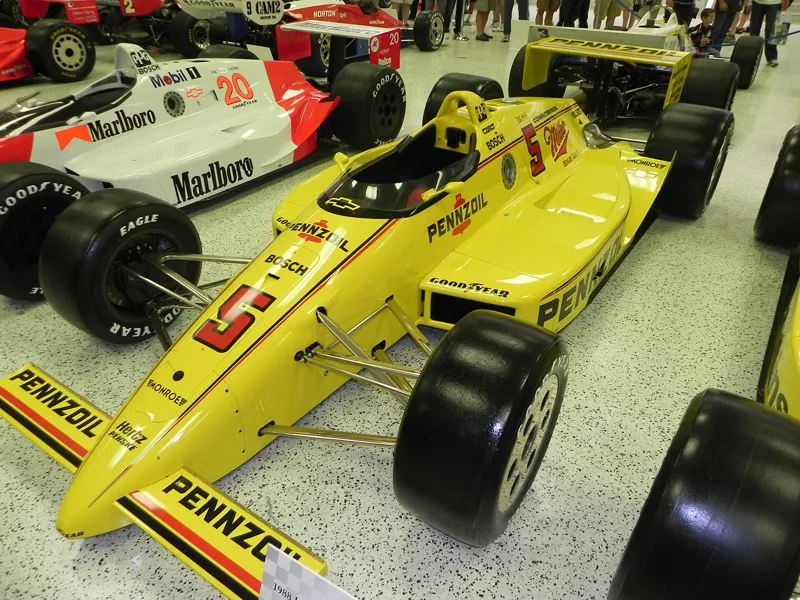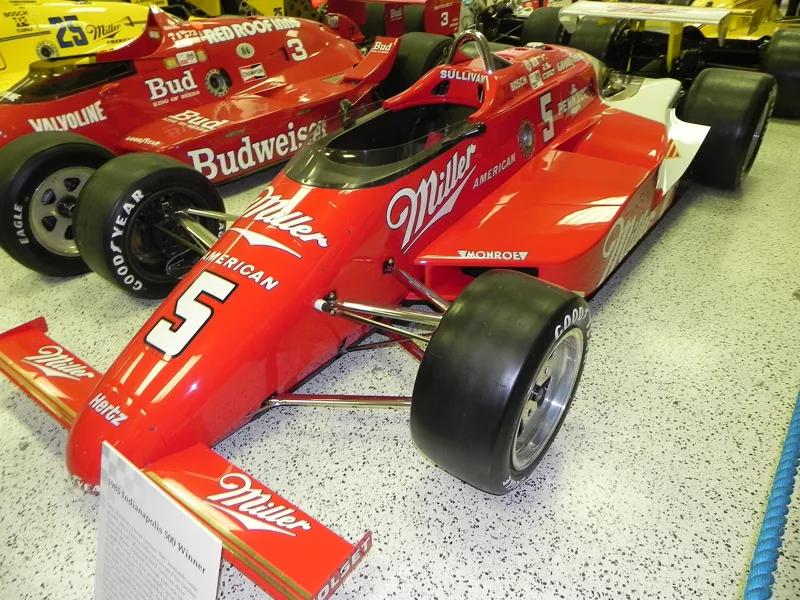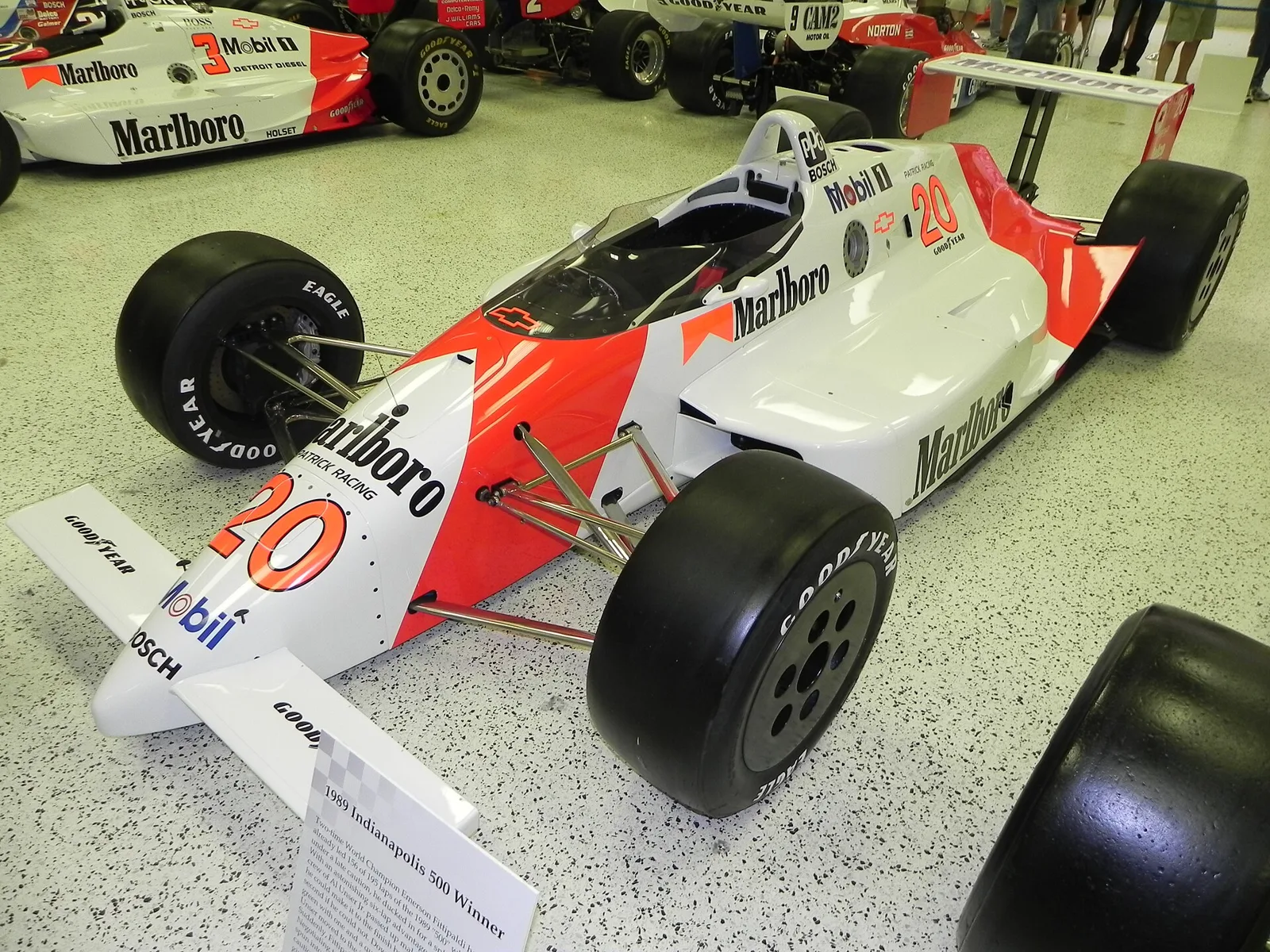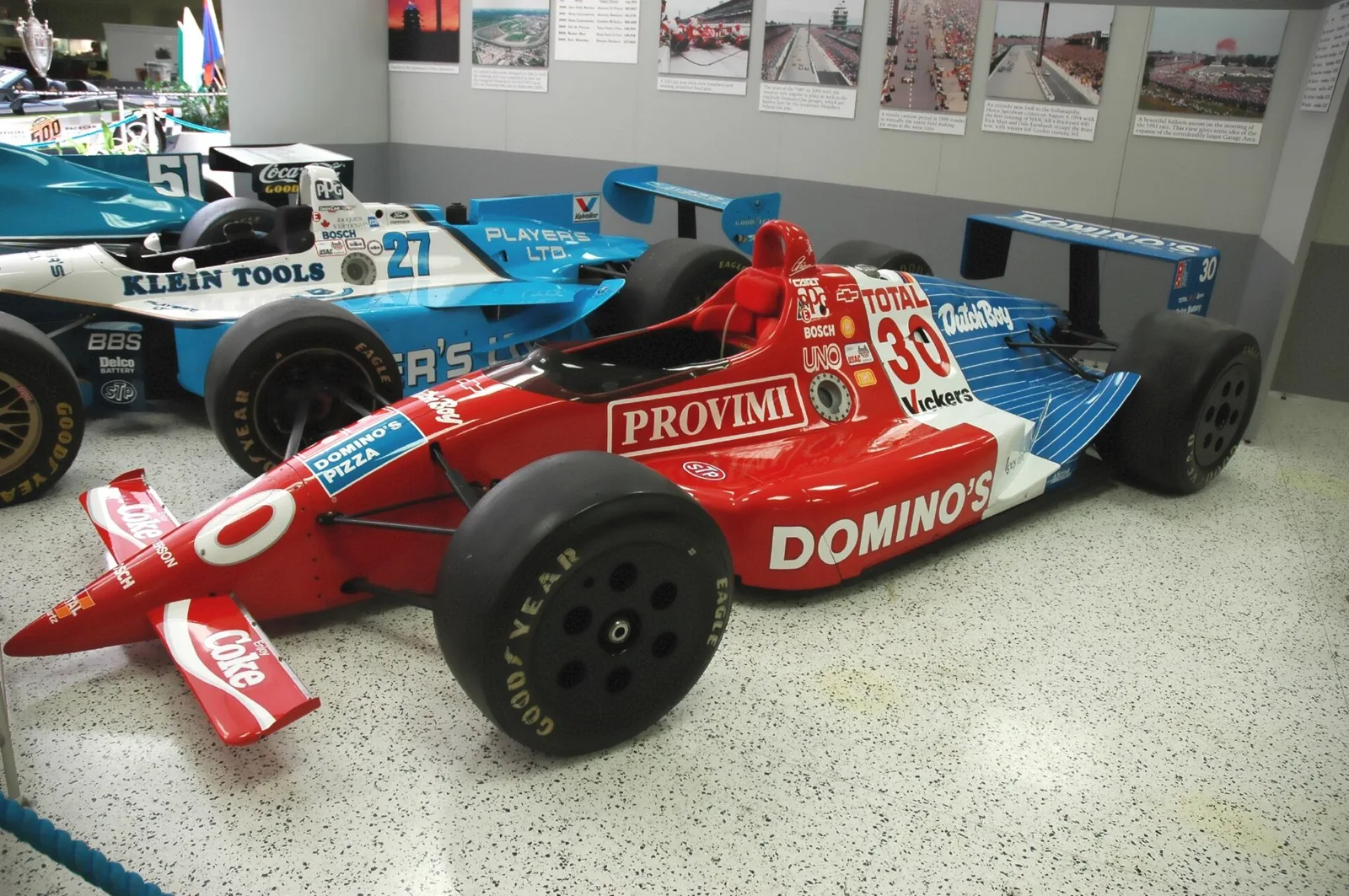
Arie Luyendyk took his first championship-level win at a record average of 185.981 mph after Emerson Fittipaldi's tyres faded.
Arie Luyendyk won the 1990 Indianapolis 500 on May 27, 1990, at an average speed of 185.981 mph (299.307 km/h), a record that stood until 2013. Emerson Fittipaldi led 92 consecutive laps but faded with blistered tyres and finished third.
The 1990 Indianapolis 500 was the 74th running of the race, held on Sunday, May 27, 1990. Arie Luyendyk, a Dutchman, took the lead with 32 laps to go and won his first championship-level race.
Why was the 1990 race called the Fastest 500?
Arie Luyendyk's average of 185.981 mph (299.307 km/h) was the fastest the Indianapolis 500 had produced to that date, and it was also the fastest 500-mile Indy car race to date. That speed gave the race its nickname, and it was widely known as The Fastest 500 for many years.
The record was not left unchallenged for long. The 500-mile speed record was broken later the same year at the Michigan 500, while the Indianapolis average stood until 2013, a span of 23 years.
A record 185.981 mph average, a lap-93 lead handed back on tyres, and a Dutch first win that set the benchmark for years.
Who was Arie Luyendyk?
Arie Luyendyk was a Dutchman who had never led a lap at Indianapolis and had never won an Indy car race before the 1990 event. He won the race and became the second consecutive foreign-born winner, a run last seen in 1965 and 1966.
Luyendyk moved from Dick Simon Racing to Doug Shierson's team, where he took the wheel of the number 30 Domino's Pizza Chevrolet. Shierson also received a lease for the Chevy Ilmor engine, after two years of Judd power.
Luyendyk also won the 1989-90 USAC Championship. The winner of the Indianapolis 500 was the de facto Gold Crown champion, because the race was the only points-paying event that season.
What rule changes did the teams face?
Teams with 1989 or older chassis had to fit a diffuser to the underbody ground effects tunnels, reducing their depth by 2 inches. The aim was to cut downforce and curb speeds, and it applied to every team using an older chassis.
Competitors complained that the diffusers made their cars unstable and unbalanced, and that they were behind the rise in practice crashes involving older cars. Despite the complaints and meetings with officials, the rules were not changed.
No major crashes involving the older cars happened in the race itself. Some teams went further and refabricated the whole undertray to meet the new specifications.
Why did Porsche have to use a March chassis?
Porsche planned to field a new March chassis in 1990, the first all-carbon fibre monocoque in Indy cars. The team had won at Mid-Ohio in September 1989 with Teo Fabi, and it interpreted the rules as allowing the all-carbon car for 1990 if it was granted a waiver.
A January vote by the board barred the chassis from racing in 1990. Porsche therefore ran a March with an aluminium floor, and carbon monocoques had to wait until 1991.
How did the team and driver line-up change for 1990?
Emerson Fittipaldi left Patrick Racing for Penske Racing, bringing his sponsor Marlboro with him. Penske ran three cars in 1990, with Fittipaldi, Rick Mears and Danny Sullivan.
Chip Ganassi bought the assets of the former Patrick Racing, creating Chip Ganassi Racing. Eddie Cheever, a former Formula One driver, moved to CART and took a seat, and Target signed on as sponsor.
KRACO Racing, run by Bobby Rahal and owned by Maurice Kraines, merged with the Rick Galles team to form Galles-KRACO Racing. Al Unser Jr. returned in the Valvoline entry, and Rahal used the Chevy Ilmor V-8 for the first time.
Scott Pruett suffered serious leg injuries in a crash at West Palm Beach during preseason testing, and Raul Boesel was hired as a substitute. Patrick Racing was re-booted to run the Alfa Romeo effort, with Roberto Guerrero kept on and Al Unser Sr. brought in for a second car.
What did the first practice days look like?
Tero Palmroth of Dick Simon Racing was the first car out on opening day, Saturday May 5. Tom Sneva, in a Buick-powered entry, set the fastest lap of the day at 215.646 mph, and several drivers were absent because of the first round of IROC XIV at Talladega.
On Sunday May 6, four members of the same family were on the track together. Mario, Michael, John and Jeff Andretti were all out at 3:35 p.m., and Emerson Fittipaldi topped the speed chart at 222.607 mph that day.
Monday May 7 brought three crashes, including Bill Vukovich III, who suffered a concussion. Rick Mears posted the best time of Monday at 224.398 mph, with Luyendyk second and Fittipaldi third.
Johnny Rutherford had a second crash of the month on Wednesday May 9, when he spun in turn three and hit the outside wall. Al Unser Jr. was the fastest that day at 220.507 mph.
How did the speeds climb in the final week of practice?
A cold, windy Thursday May 10 kept most cars off the track. Jim Crawford was the fastest at only 208.686 mph, and the track closed 51 minutes early after just 74 laps.
Friday May 11 was the final day of practice before time trials, and the speeds climbed. At least 40 drivers completed 1,517 laps, and Fittipaldi ran 227.101 mph and 227.181 mph, which were the fastest unofficial laps in Indy history.
Shortly afterwards Al Unser Jr. set 228.502 mph, the fastest practice lap ever run at Indianapolis. Jim Crawford had a much more dramatic accident that afternoon.
Crawford spun in turn one and hit the outside wall, and debris then lifted the car into the air. It flew 15-20 feet off the ground for as much as 280 feet, landed upright and slid another 360 feet before stopping against the inside wall, and Crawford was not seriously injured.
How did pole day unfold?
Pole day was scheduled for Saturday May 12, but rain washed out the whole day. Qualifying moved to Sunday May 13, when persistent showers and chilly air kept cars off the track until after 2:30 p.m.
Emerson Fittipaldi was the first driver to make a qualifying attempt, and he set new one-lap and four-lap records to take the provisional pole. He became the first driver to break 225 mph officially at Indianapolis, with each lap faster than the one before.
His laps climbed to 225.575 mph on the fourth lap, and his four-lap total of 2:39.786 averaged 225.302 mph, which was a new four-lap track record.
The session was hectic and short, with 16 attempts before the 6 p.m. close. Mears (224.215 mph) and Rahal (222.694 mph) were the provisional front-row pair, and Rich Vogler wrecked in turn two on his third lap.
Scott Brayton lost his opportunity to qualify in the pole round when his crew forgot to wave the green flag. Danny Sullivan, Al Unser Jr., Arie Luyendyk and A. J. Foyt were left in line at the 6 o'clock gun and had to wait until the following Saturday.
What happened on the second weekend of time trials?
Pole qualifying resumed on Saturday May 19 at 11 a.m., and Arie Luyendyk squeezed onto the front row at 223.304 mph, bumping Bobby Rahal back to row two. Emerson Fittipaldi officially won the pole, and Penske Racing took first and second on the grid.
Al Unser Jr. managed only 220.920 mph and started seventh. Rick Mears qualified on the front row for a record tenth time, holding on to the second starting position.
The field was filled to 33 cars at 5:45 p.m. Johnny Rutherford, who had been on the bubble at 204.801 mph, was bumped by Stan Fox, and for the second year in a row he was in a position to miss the race.
Bump day on Sunday May 20 opened in rain, and the track did not open until 2:30 p.m. John Paul Jr. bumped Buddy Lazier, and Salt Walther then bumped Jeff Andretti at 210.558 mph. Rocky Moran took the last spot at 211.076 mph at the 6 o'clock gun.
Who failed to make the 1990 field?
Johnny Rutherford, Mike Groff and Buddy Lazier were all bumped out of the field. Jeff Andretti was also bumped on the final day, so the Andretti family did not add a fourth member to the field that year.
Several drivers were lost to practice crashes, including Steve Chassey, Jeff Wood and Bernard Jourdain. Rich Vogler wrecked during qualifying, and Salt Walther was the first alternate before being bumped.
Rutherford was a three-time winner, and it was his second straight failure to qualify.
How did the final practice and the pit contest go?
Rick Mears was the fastest driver in the final practice session at 222.750 mph, and all 33 qualifiers took laps along with the first alternate. No major incidents were reported, although several drivers had mechanical problems.
Engine failures ended the day early for Rahal and Scott Goodyear. Water leaks affected Dean Hall and John Paul Jr., Billy Vukovich III lost his brakes, and Gary Bettenhausen had gearbox trouble.
The 14th annual Miller Pit Stop Contest was held on May 24. Al Unser Jr. defeated Emerson Fittipaldi in the first semifinal, and Bobby Rahal beat Michael Andretti in the second.
In the final, Unser Jr. won comfortably when Rahal's crew cross-threaded a wheel nut on the left rear. That was Unser Jr.'s second straight win in the contest.
How did the race start?
Race day dawned sunny and warm after rain on Saturday. The higher temperatures led to poor chassis set-ups and handling problems for many drivers,.
Fittipaldi grabbed the lead at the green and controlled the early laps. The start was clean, and the first caution did not come until 19 laps had been run.
In turn one, Danny Sullivan broke a suspension piece, spun and crashed hard into the outside wall. That was the incident that brought out the early caution.
Who led the first half of the race?
Fittipaldi led 98 laps at the halfway point, averaging 174.192 mph, which was just shy of the race record. He had set a new Indy record by leading the first 92 consecutive laps, and he lost the lead on lap 93 when he pitted.
Luyendyk then took the lead for two laps before handing it back to Fittipaldi when he pitted himself. Bobby Rahal, Al Unser Jr. and Luyendyk battled for the top five behind him.
Mears slipped back with handling trouble and found himself a lap down. Tony Bettenhausen Jr. stalled on lap 45 and brought out the second caution, and was towed back to the pits.
Lap 63 brought engine failures for Mario Andretti and Raul Boesel, and oil on the circuit. Pancho Carter broke a CV joint, spun in turn four and tagged the wall, but he was uninjured.
How did tyres shape the second half?
Blistering tyres became a problem for several drivers, as the fast pace and changing weather both took their toll. On lap 136 Fittipaldi made an unscheduled stop for a blistered right rear tyre, and Rahal took the lead and began to pull away.
On lap 140 John Andretti brushed the wall in turn four, and the final caution of the day came out. Rahal pitted under caution for fuel and only two tyres, the right sides, while Luyendyk took four tyres and fuel.
On lap 153 Fittipaldi was forced into another stop for a blistered tyre and fell a lap down, dropping to fourth before Unser Jr. passed him for third.
Rahal's handling was slowing him, partly because he had taken only two tyres and a wing adjuster was damaged. Luyendyk closed on him and got by in turn three on lap 168. He had never led a lap at Indianapolis before, and now he was in front.
How did the finish unfold?
Both Luyendyk and Rahal needed a final stop to reach the finish. Rahal pitted first on lap 171, and Luyendyk followed two laps later and rejoined ahead of him. Unser Jr. was 30 seconds behind in third, and Fittipaldi was a lap down in fourth.
Al Unser Jr. was forced to pit for fuel on lap 187, and Fittipaldi moved past him for third and then aimed at Luyendyk, hoping to recover his lap. Luyendyk's tyres had started to blister slightly, though not enough to alarm him.
With three laps to go Luyendyk led Rahal by 13.3 seconds. Fittipaldi caught the leader and made his attempt on the main straight with one lap to go. That move distracted Luyendyk, who did not see the white flag.
Luyendyk won by 11.878 seconds, the first Indy car race victory of his career. He was emotional in victory lane and described the win as unbelievable, saying that the margin did not matter because first place was what counted.
How did Fittipaldi react to finishing third?
Fittipaldi had led the race for much of the day and believed the car had been under control. Finishing third, a lap down, was a disappointing result after a race he had dominated for most of its length.
Rahal finished second after his handling problems, and the two leaders were the only cars in contention at the end.
What did the 1990 race leave behind?
That mark held until 2013. The triple crown of 500-mile races disappeared when the Pocono 500 was disbanded after 1989, and it did not return until 2013.
Eddie Cheever finished 8th as the highest-placed rookie, and he was named rookie of the year. Luyendyk's win was the first Lola victory at Indianapolis since 1978, when Al Unser Sr. won in a modified Lola Chaparral.
Lola ceased its participation at the 500 after 1996, as the race came under the purview of the Indy Racing League. The new engine and chassis formula introduced in 1997 was completely incompatible with CART.
How was the 1990 race broadcast?
ABC Sports carried the race flag to flag, with Paul Page as host and play-by-play announcer. Bobby Unser and Sam Posey joined him as colour commentators, and the race was advertised as being broadcast in stereophonic sound for the first time.
The telecast won the Sports Emmy for Outstanding Live Sports Special for a second year in a row. On-board telemetry was featured in the car of Teo Fabi, and a crew cam was mounted on a pit crew member's headset for Fittipaldi's car.
On radio, Lou Palmer and the Speedway management parted ways, and Bob Jenkins was named chief announcer and the newest Voice of the 500. Luke Walton, a longtime fixture of the radio network, died on June 18, 1990 at the age of 83.
Did the Speedway change its grounds in 1990?
Yes. Over the winter, the Tower Terrace Extension stand came down at the north end of the pits, and a 900-foot long, 17,000-seat double-decker grandstand was built in its place. It included 38 luxury suites, each with seats for 80 people.
In the south short chute, the Speedway built its first dedicated wheelchair accessible grandstand, with seating for 302 people, including companion seats. It was the first ADA-compliant grandstand at the track.
The brick smokestack of the former Prest-O-Lite company, a landmark across the street from turn one, was taken down by wrecking ball two months after the race.
What were the key figures for the 1990 race?
| Item | Detail |
|---|---|
| Date | Sunday, May 27, 1990 |
| Venue | Indianapolis Motor Speedway |
| Winner | Arie Luyendyk, by 11.878 seconds |
| Average speed | 185.981 mph (299.307 km/h) |
| Pole | Emerson Fittipaldi, four-lap average of 225.302 mph |
| Second place | Bobby Rahal |
| Third place | Emerson Fittipaldi, a lap down |
| Fittipaldi laps led | 98 at the halfway point; 92 consecutive |
| Pit stop contest | Al Unser Jr., second straight win |