The American open-wheel team built by U.E. Pat Patrick won Indianapolis three times, rivalled Penske in the 1970s and split into three organisations before closing in 2005.
U.E. Pat Patrick built this open-wheel operation in the 1970s. It won Indianapolis in 1973, 1982 and 1989, and it closed in 2005 after three separate stints.
Patrick Racing competed across USAC, CART, Champ Car and the IRL under its founder, U.E. "Pat" Patrick. The team won the Indianapolis 500 three times and the Indy car championship twice. Over its life it took 45 Indy car victories before the team closed in 2005.
Who founded Patrick Racing?
Pat Patrick entered Indy car racing as a sponsor of the team that the oilman Walt Michner ran in 1967. He became a co-owner of that operation in 1970 and set up Patrick Racing. The team then passed through three distinct phases, and each was run by a different organisation with its own people and backers.
Gordon Johncock and Wally Dallenbach were among its early drivers, and Mario Andretti joined in 1981. Pruett, Sullivan, Guerrero, Fittipaldi and Fernandez also drove for the team at different times. Patrick was a chief rival of Penske Racing in the 1970s and 1980s, and the two teams battled each other at Indianapolis several times.
A team that won Indianapolis three times, ran its own Wildcat chassis and split into three organisations before closing in 2005.
How did Patrick win the 1973 Indianapolis 500?
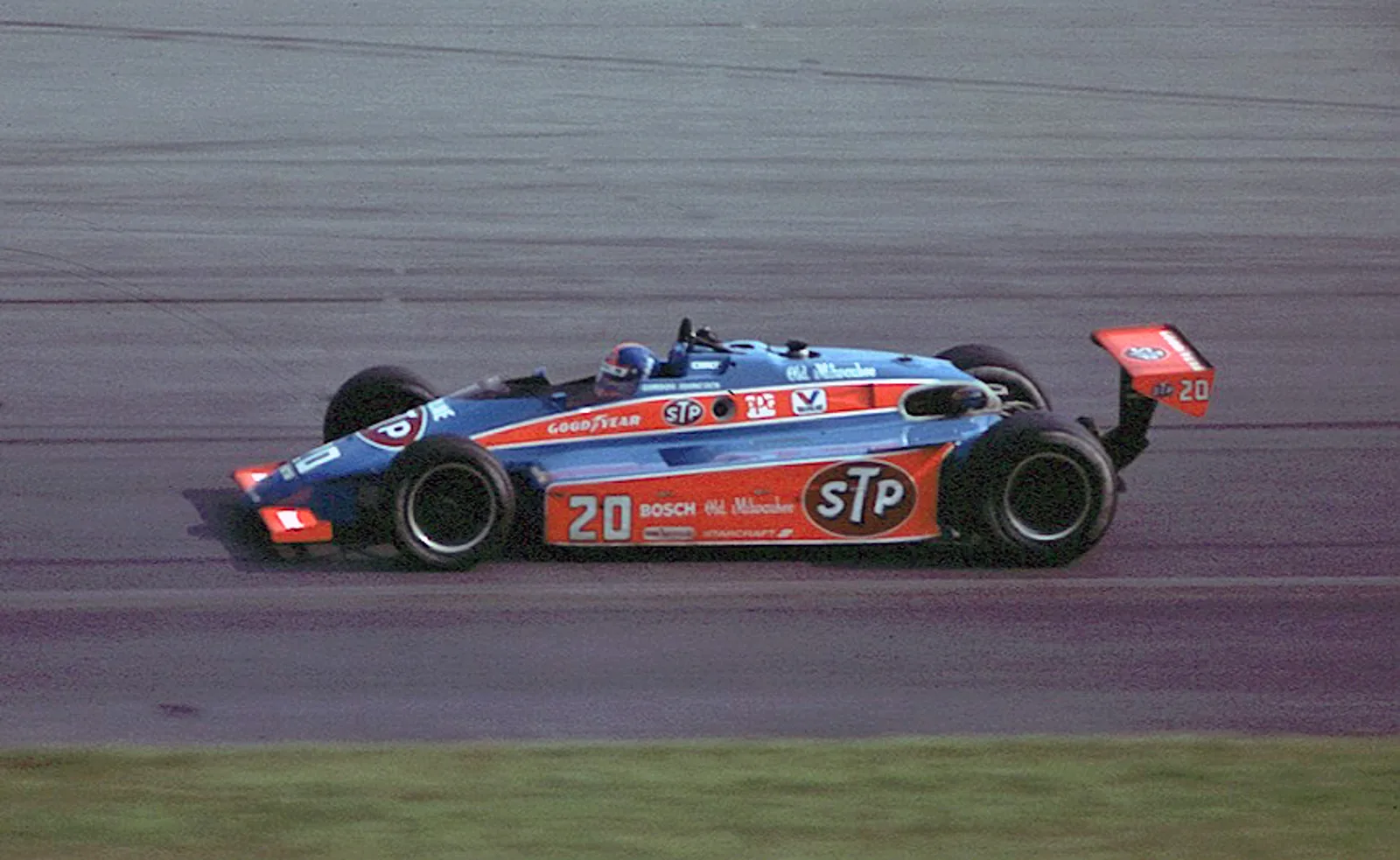
The 1973 race was won by Gordon Johncock in a Patrick car, with STP as the main sponsor. The team was closely linked to STP and to Andy Granatelli, who was involved with the programme during that win. The victory came at a terrible price, because the team's driver Swede Savage suffered a devastating crash during the race.
Savage died about a month later. In the aftermath of his crash, a fire truck racing to the scene struck Armando Teran, a pit crew member working on Graham McRae's car, and he was fatally injured. Johncock's victory was thus overshadowed by two deaths.
Johncock went on to win the 1976 USAC National Championship with the team, which gave the team its first Indy car title.
What was the Wildcat project?
In 1975 the team began building its own chassis and named the car the Wildcat. The Wildcat was powered by the DGS engine, whose name combines Drake, Goossen and Sparks, and which was a reworked turbocharged four-cylinder Offenhauser. The Wildcat name covered the team's own cars from 1975 to 1983.
The Wildcat came close to Indianapolis victory more than once. In 1975 Wally Dallenbach led the race before an engine failure on lap 162, and only 12 laps later rain brought the race to an early end. In 1977 Johncock was out front in the closing stages, but a broken crankshaft ended his run with 16 laps remaining.
The Alfa Romeo engine was the other unusual powerplant the team used, and it returns in the 1990 season below.
Why was the 1981 Indianapolis 500 so controversial?
Andretti signed with Patrick in 1981 and took second at the contentious Indianapolis 500 that year. Bobby Unser of Penske Racing won the race, but he was penalised for overtaking under caution on lap 149, which elevated Andretti to first in the official results posted the next morning.
George Bignotti had left the team that year, with Jim McGee taking his place. A lengthy protest and appeals process followed. In October of 1981 the victory was reinstated to Unser, leaving Andretti second, and that is how the result was recorded for the team. The episode illustrated how much the outcome of a single race could depend on officials' decisions.
In 1982 Andretti was caught up in the Kevin Cogan crash at the start and had already been put out of the race before it truly started. Johncock escaped the pile-up and went on to take victory. The race was widely considered one of the greatest in the history of the event, as Johncock held off Rick Mears of Penske Racing by 0.16 seconds, the tightest finish in the race's history until then. Johncock's last win with the team came at Atlanta in 1983, and he retired after injuries in 1984 and 1985.
| Year | Indianapolis 500 result | Driver |
|---|---|---|
| 1973 | Winner | Gordon Johncock |
| 1981 | Second after the penalty and appeal process | Mario Andretti |
| 1982 | Winner, 0.16 seconds ahead of Rick Mears | Gordon Johncock |
| 1986 | Second, passed late in the race | Kevin Cogan |
| 1988 | Second | Emerson Fittipaldi |
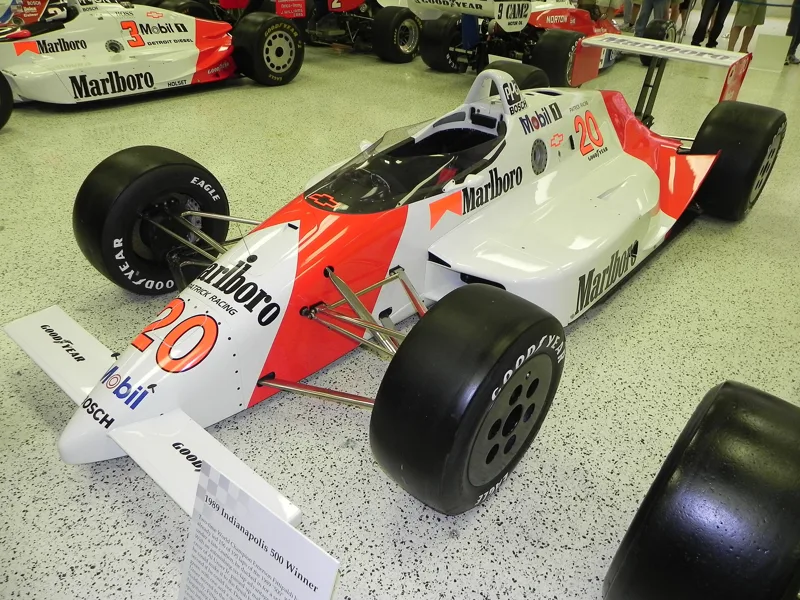
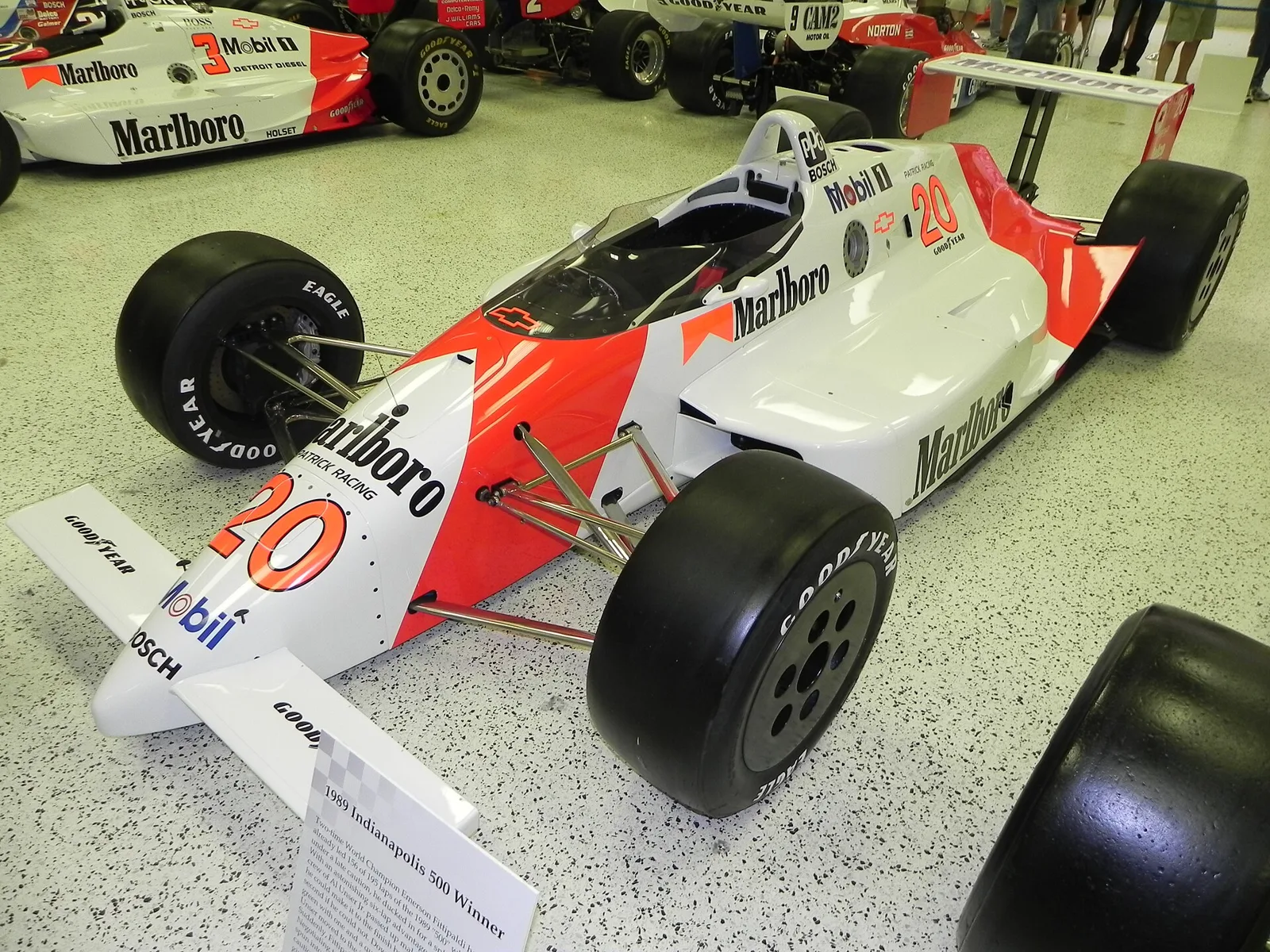
| 1989 | Winner, and the CART championship that season | Emerson Fittipaldi |
How did the Fittipaldi years lead to 1989?
Chip Ganassi drove briefly before a violent crash at Michigan in 1984 nearly ended his career. Emerson Fittipaldi, a two-time Formula One world champion who had returned to Indy cars in 1984, was hired to replace him in the number 40 car.
Stability returned in 1985 and 1986. The team dropped STP, 7-Eleven became the primary sponsor, and Marlboro joined in 1986. Fittipaldi won the 1985 Michigan 500, and Kevin Cogan took the team's only win of his career at Phoenix in 1986. Cogan then finished second at Indianapolis after being passed late in the race.
For 1987 the team secured the Ilmor-Chevrolet V8, and Fittipaldi won two races to finish 10th in points. A year later he won two more races, took second at Indianapolis and rose to seventh in points. Engineer Mo Nunn strengthened the team, and during 1988 Chip Ganassi became a co-owner alongside Pat Patrick, backing Fittipaldi's Marlboro entry.
The 1989 season was the peak. Fittipaldi won the Indianapolis 500 and the CART championship, and the team seemed unbeatable. Yet the success was followed by a sequence of deals with Penske Racing that ended the partnership, and by December 1989 the original team was sold outright to Ganassi.
What was the second stint of Patrick Racing?
Almost immediately after the split, Pat Patrick took over the Alfa Romeo Indy car project that Alex Morales Motorsports had operated. Roberto Guerrero became the lead driver, with Al Unser Sr. set to drive a second car at Indianapolis and Michigan, and Miller Genuine Draft became the primary sponsor.
The team saw little success on track and even less progress with the engine. March built a dedicated chassis, the 90CA, but by mid-season Patrick had dropped it for a Lola. Unser broke his collarbone and leg in a practice crash before the Michigan 500 and then quit the team. Guerrero finished 16th in points.
For 1991 Danny Sullivan became the primary driver, but the team continued to struggle. By the end of the 1991 season Patrick was facing financial and legal problems, and rumours that one of its Ilmor engines had been sent to Alfa Romeo developers and copied, which infuriated Ilmor officials and damaged its position. Sullivan left, and Bobby Rahal took his place.
Patrick handed the operation over in December 1991, when Rahal and Carl Hogan bought it. The new owners named it Rahal-Hogan Racing, which later became Rahal Letterman Lanigan Racing.
What did the third stint of Patrick Racing achieve?
In the mid-1990s Patrick rebuilt the team from scratch. In 1994 it formed a testing team for Firestone tyres, which were returning to Indy cars, and it operated all year as a non-competing test outfit with Scott Pruett as its driver. The team went back into full CART competition in 1995 as the Firestone works squad.
Pruett won the 1995 Marlboro 500, added three other podium finishes and finished seventh in points. A 1997 win at Surfers Paradise also came his way. After the 1999 season Goodyear left Indy car racing, and Firestone became the exclusive tyre supplier for both CART and the IRL.
Money problems and the uncertain future of Champ Car led the team to jump to the IRL in 2004. It ran Al Unser Jr. until he retired mid-season, then Jeff Simmons, Jaques Lazier and Tomas Enge. With no sponsor for 2005, the team ceased operations and its assets were put up for sale, bringing the story to a close.