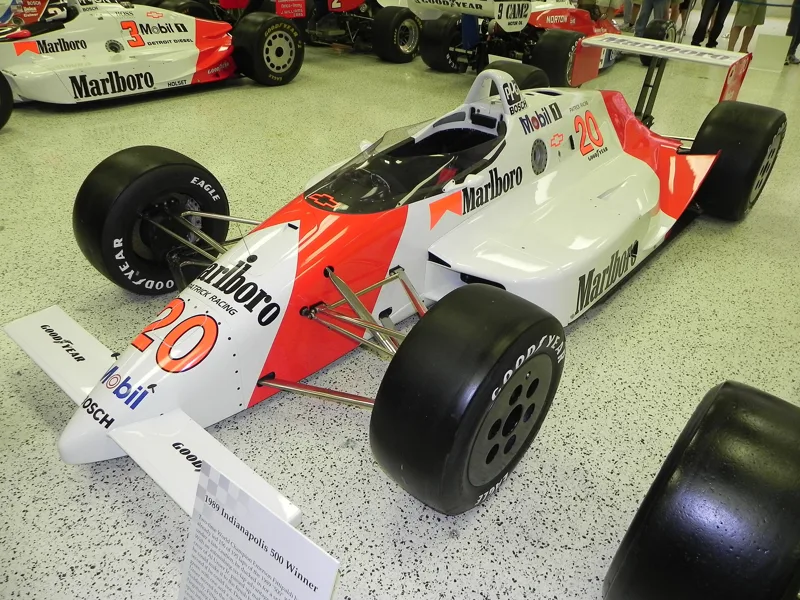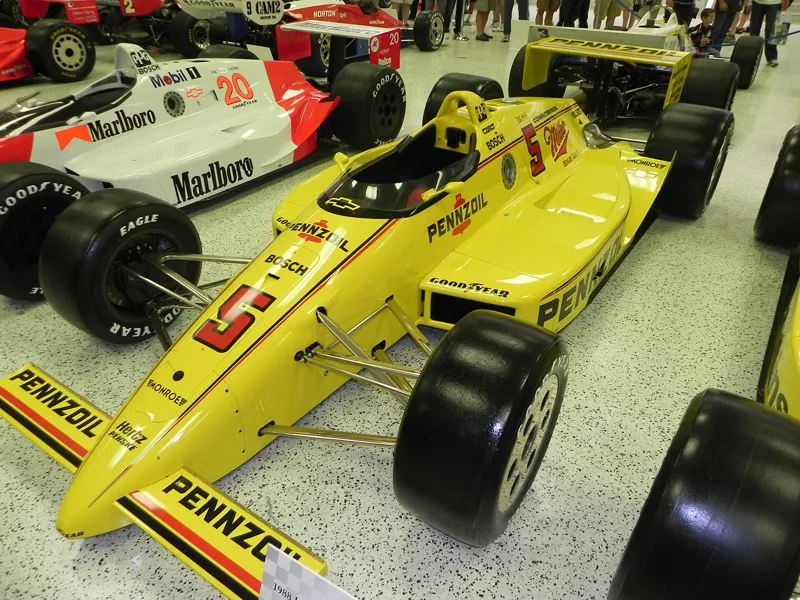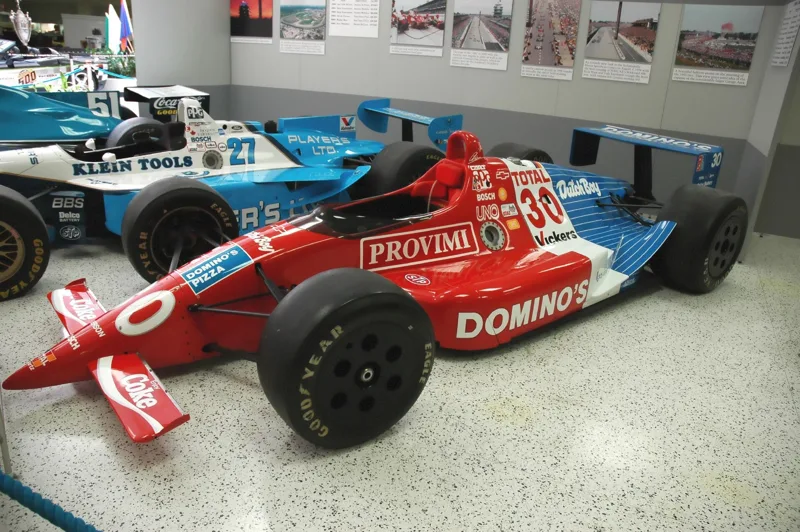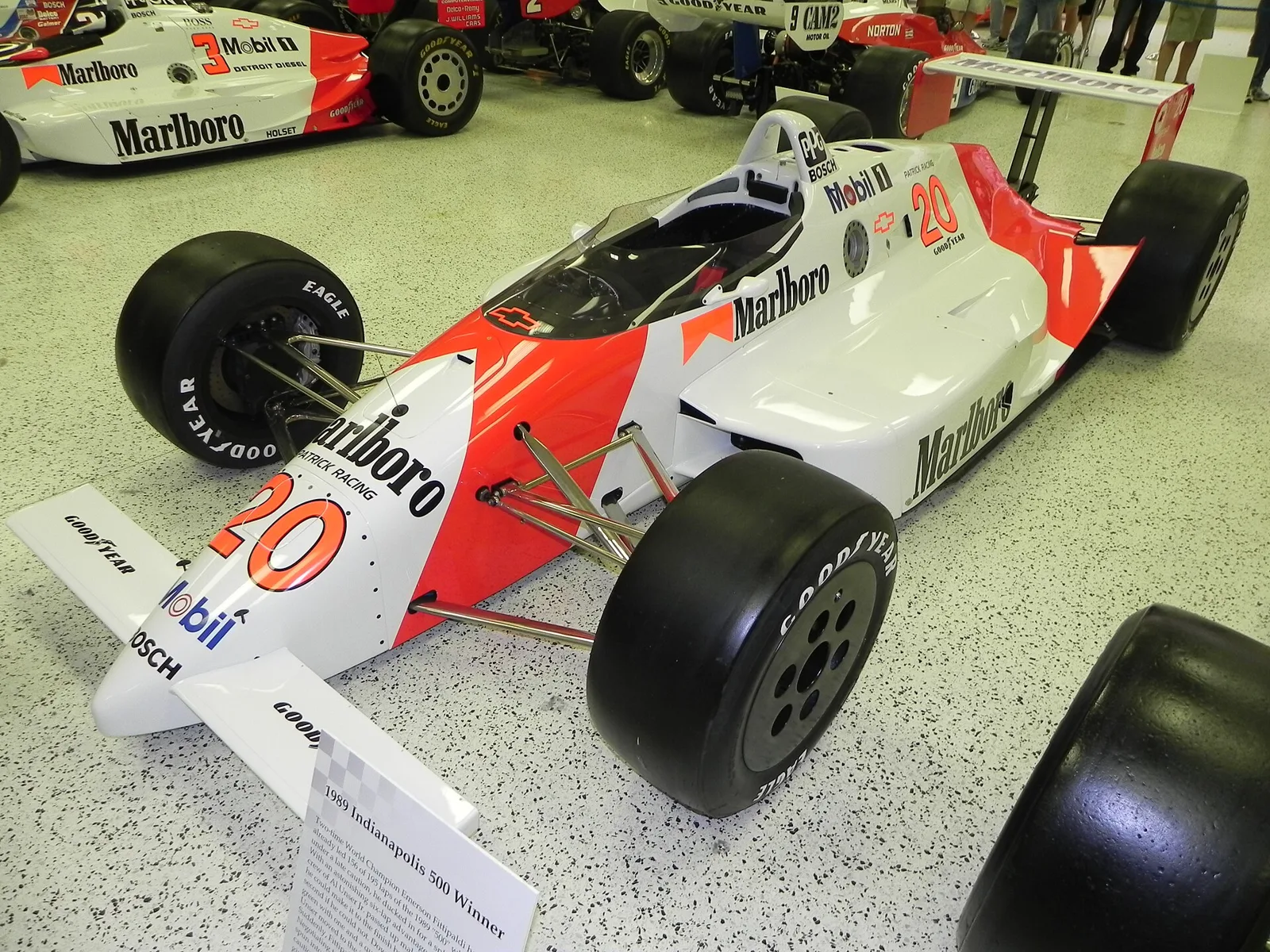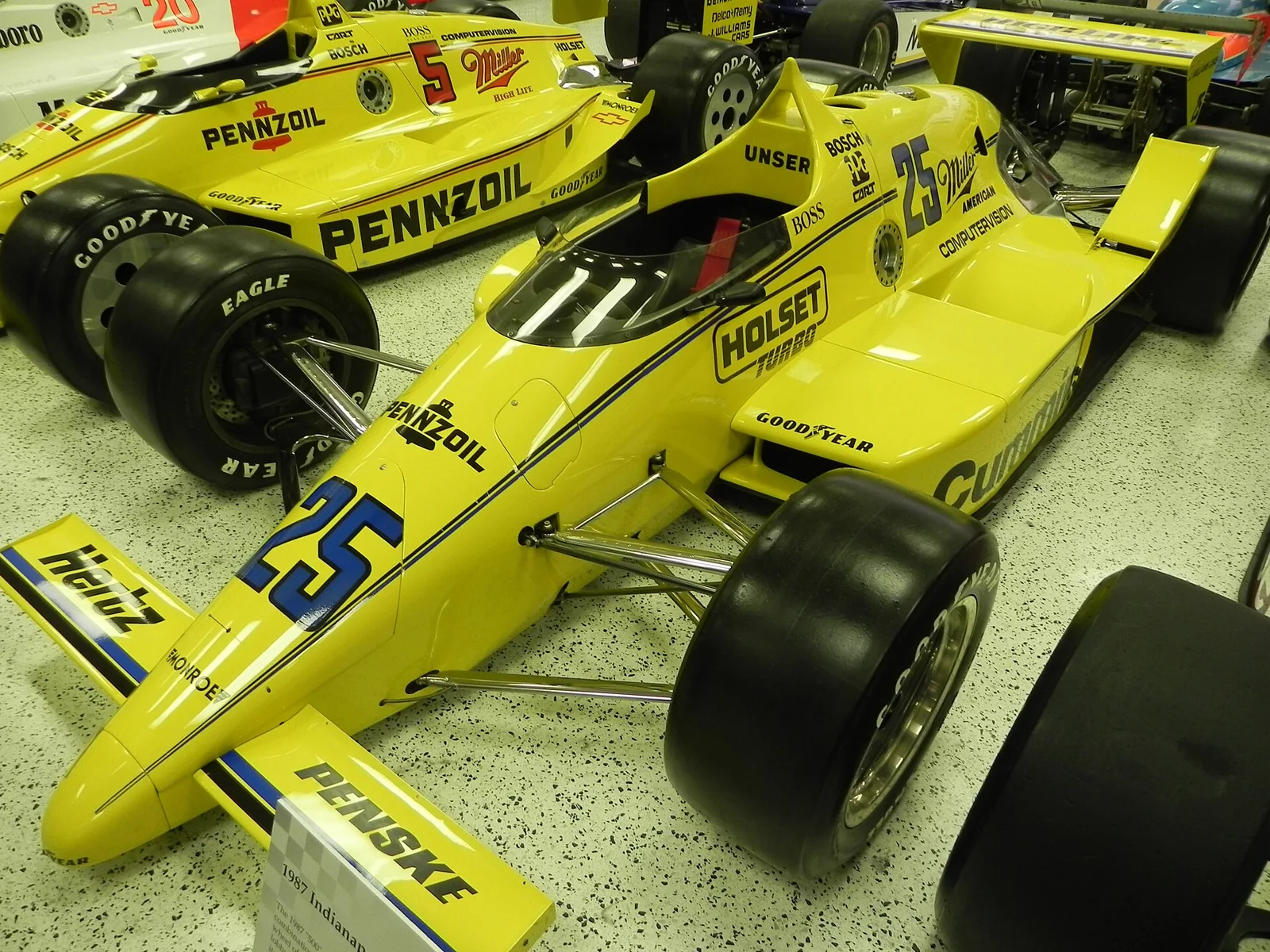
Al Unser Sr. won at 47 in a year-old March after Mario Andretti slowed with a broken valve spring 23 laps from the finish.
Al Unser Sr. won the 1987 Indianapolis 500 at 47, driving a year-old March after Mario Andretti slowed with a valve spring failure 23 laps from the finish. The race is also remembered for the death of a spectator struck by a wheel.
The 1987 Indianapolis 500 was the 71st running of the race, held at the Indianapolis Motor Speedway on Sunday 24 May 1987. Al Unser Sr. won it, ending a race that had looked certain to belong to Mario Andretti, and his age of 47 made him the oldest victor the event has seen. The race is also remembered for a spectator death, the first racing-related one at the event since 1938.
Who won the 1987 Indianapolis 500?
Al Unser Sr. won the 71st Indianapolis 500 after Mario Andretti slowed with mechanical problems 23 laps from the finish. Unser took the lead five laps later and held off Roberto Guerrero by 4.496 seconds. It was his fourth Indianapolis victory, tying the all-time record, and at 47 he became the oldest winner in the race's history.
Unser's win came in a car that was a year old. The March 86C chassis was powered by a Cosworth DFX, which gave the engine its tenth consecutive Indy victory. Unser's car had been on display as a show car in a hotel lobby in Reading, Pennsylvania, only weeks before the race.
Unser had entered May without a ride or sponsorship money. He had dropped to part-time racing a year earlier, and he was hired by Penske only after Danny Ongais was concussed in a practice crash. The record for the oldest winner still stood as of 2026.
A year-old car, a replacement driver and a victory at 47: the 1987 Indianapolis 500 remains one of the great upsets.
Why is Unser's win called an upset?
Al Unser's victory is widely considered one of the biggest upsets in the race's history. Unser had cut back his racing a year earlier, arrived in May without a seat, and missed the first week of practice while he looked for a car.
The break came when Ongais suffered a concussion in a practice crash on Thursday 7 May. Penske filled the empty seat with a March 86C from the previous year, which had been sitting in a hotel as a display car. The car had originally been entered as a back-up.
Unser was also a veteran of the sport's richest traditions. He had won the race three times before, in 1970, 1971 and 1978, and he had been the national champion in 1970, 1983 and 1985. Those credentials made the story more of a comeback than a surprise, although the car he won in was far from the newest on the grid.
What went wrong for Mario Andretti?
Andretti dominated the month. He topped the practice speed chart on eleven of the 17 days, won the pole and the Pit Stop Contest, and led 170 of the first 177 laps of the race. He was in complete command until lap 176, when he began to slow.
At first the problem was blamed on a fault in the fuel metering unit, which was said to be drowning the engine in raw fuel. After the race it was established that Andretti had been backing off to protect his lead. The lower revs created a harmonic imbalance that broke a valve spring, and he coasted into the pits.
The team replaced the spark box and wastegate, and Andretti returned to the track, but his second stint ended when the car stalled and brought out the last caution of the race. He finished ninth, his eighth top-ten result at Indianapolis. The episode added to the story that many fans already called the Andretti curse.
How dangerous was practice in May 1987?
May 1987 produced an unusually large number of crashes, with 25 during practice and qualifying. Dry weather left a greasy track, Goodyear's radial tyres arrived for the first time, turbulence was strong, and the March 87C was hard to handle. The combination caught out drivers across the field.
Jim Crawford wrecked on pole day and suffered fractures to both ankles, a shin and a knee, which kept him out for a year. Gordon Johncock replaced him in the field. Dennis Firestone broke bones in his foot and leg after a crash on 5 May, then suffered a neck fracture and concussion in a second crash that ended his career.
Pancho Carter's car flipped upside down during practice and skidded on its roll bar before coming to rest against the outside wall. Carter escaped without serious injury, and he later showed off the helmet that had taken the worst of the scraping.
How did qualifying decide the grid?
Mario Andretti took the pole on Saturday 9 May at 215.390 mph (346.637 km/h). Bobby Rahal and Rick Mears completed the top three, making the front row all former winners for the first time since 1975. Former winners also filled the top four spots for the first time.
A. J. Foyt qualified fourth, which extended his run to a record thirty consecutive Indianapolis 500 starts. Dick Simon was sixth, and Mears's outside front-row position was his record seventh front-row start. Ilmor-Chevrolet engines took the first and third spots on the grid, while Rahal's Cosworth was second.
Qualifying was slow to finish. Only eleven cars had completed runs by the end of pole day. The field was not complete until Sunday 17 May, when Steve Chassey bumped his way in at 202.488 mph (325.873 km/h) on his third and final attempt, and the grid reached 33 cars.
Carburetion Day on Thursday 21 May brought more trouble. Foyt crashed in turn one after running into turbulence, and Emerson Fittipaldi destroyed his qualified car in turn three. Foyt rebuilt his car from spare parts in time to start fourth. Fittipaldi, who had qualified 10th, had to start a back-up car from the rear of the field.
What happened in the spectator fatality?
On the 130th lap, a wheel came off Tony Bettenhausen's car in turn three. The wheel rolled through the north short chute, was hit by Roberto Guerrero's nosecone, and cleared the catch fencing towards the K grandstand. The 18-pound wheel struck Lyle Kurtenbach, a 41-year-old from Rothschild, Wisconsin, who was sitting in the top row.
Kurtenbach died at Methodist Hospital shortly afterwards. It was the first spectator death at the track caused by racing since 1938. Guerrero nursed his car back to the pits, where the nosecone was replaced, but the impact had damaged the clutch slave cylinder, which later left the clutch unusable.
The live ABC telecast was at a commercial break when the wheel struck the grandstand. When the broadcast returned, it showed no footage of the incident, and Jim McKay said only that a wire service was reporting a spectator fatality during post-race coverage. The radio network had reported the incident live from the fourth turn by Bob Jenkins.
What happened early in the race?
Mario Andretti led from pole at the start, and Josele Garza's car spun on the first lap, collecting Pancho Carter. Neither driver was seriously hurt, though both cars were damaged. Earlier, George Snider's car had caught fire on the pace lap after a turbocharger failure.
Andretti pulled away, lapping backmarkers after just seven circuits. On lap 25, Ludwig Heimrath lost a wheel that had not been properly secured after his first pit stop, and he spun in turn four. Around the 100-mile mark Kevin Cogan's engine went, Randy Lewis retired with transmission trouble, and Michael Andretti's CV joint broke before a pit fire followed.
How did the race finish?
Guerrero stormed into the lead after Andretti's problem, but he lost ground with a stalled car in the pits. Unser passed him when Guerrero's car stalled in the pits again. The final caution came out on lap 192, and when the green flag returned with four laps to go, Unser held off Guerrero by 4.496 seconds.
The win was Unser's fourth Indianapolis 500 victory, which matched the all-time record. His 18 final laps in the lead also equalled the record for most laps led in the race's history. The victory lane interview, conducted by Jack Arute, featured Bobby Unser taking over to speak with his brother.
What were the engines and chassis of 1987?
The Ilmor-Chevrolet 265-A expanded its role in 1987, with Penske fielding three cars and Newman/Haas pairing the engine with a Lola T87. Patrick Racing ran the engine in a March 87C. Truesports stayed with the Cosworth engine after switching from March to Lola over the winter.
Galles Racing ran the Judd AV V-8 full-time under Brabham-Honda badges, with Geoff Brabham and rookie Jeff MacPherson at the wheel. Goodyear brought its radial tyre to the Speedway for the first time, and electronic dot matrix scoreboards were installed around the track.
The entry list had no car built in the United States for the first time, and every car ran Goodyear tyres.
How was the race covered on television and radio?
ABC Sports carried live flag-to-flag coverage on the scheduled race day for the first time. Jim McKay hosted, in his 20th and final 500 for the network, and Lampley's second and final turn as announcer came alongside Bobby Unser, who moved to ABC as colour commentator beside Sam Posey.
On radio, the IMS Radio Network carried the race with Paul Page as chief announcer in what was his eleventh year on the crew. Lou Palmer reported from the pits and victory lane for the last time, having debuted in 1958 and worked the south pits since 1963. Page left for ABC later that year.
The television coverage was built around three pit reporters, Jack Arute, Al Trautwig and Jerry Gappens. Bobby Unser took part in a live conversation from the booth with his brother in victory lane, a rare moment on the broadcast.
Key figures
| Measure | Detail |
|---|---|
| Date | Sunday 24 May 1987 |
| Winner | Al Unser Sr., record-tying fourth Indianapolis 500 win |
| Car | March 86C with Cosworth DFX |
| Pole | Mario Andretti, 215.390 mph (346.637 km/h) |
| Runner-up | Roberto Guerrero, 4.496 seconds behind |
| Andretti's laps led | 170 of the first 177 |
| Winner's final laps led | 18 |
| Spectator fatality | Lyle Kurtenbach, 41, on the 130th lap |
| May crashes | 25 in practice and qualifying |