A Porsche 936 with a turbo engine from an abandoned Indianapolis project, two fatal Mulsanne Straight crashes and the first use of Le Mans pace cars.
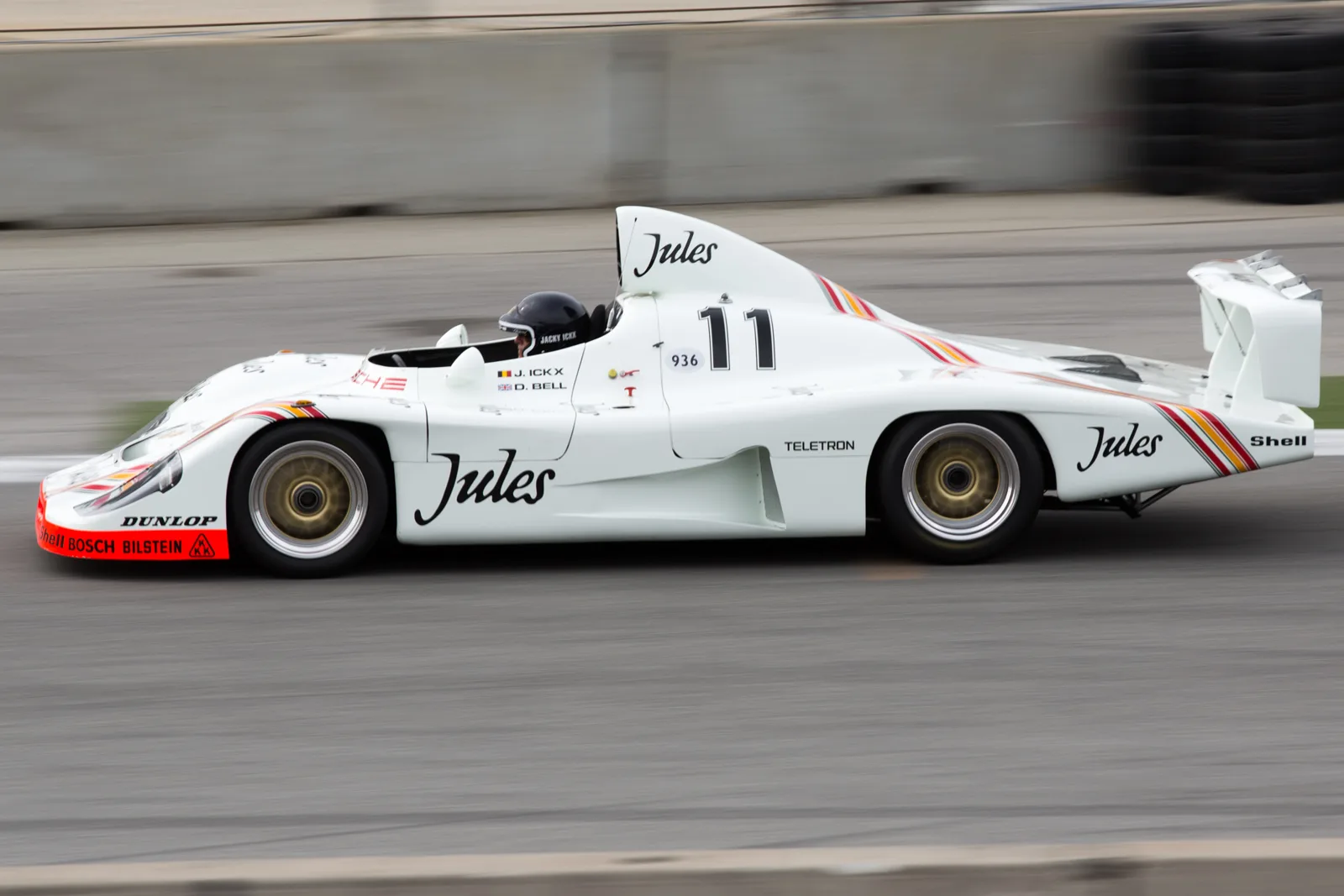
Ickx and Derek Bell won the 1981 Le Mans 24 Hours in a Porsche 936, finishing 14 laps ahead. Rondeau took second and third in the GTP class, and two fatal crashes on the Mulsanne Straight brought out the first pace cars used at Le Mans.
Jacky Ickx and Derek Bell won the 1981 24 Hours of Le Mans by 14 laps, the largest winning margin in over a decade. The race ran on 13 and 14 June 1981 at the Circuit de la Sarthe, and it closed the Group 6 era, the last season before Group C took over. Two fatal accidents on the Mulsanne Straight also brought Le Mans its first use of the pace-car system.
Why was Porsche the favourite for the 1981 race?
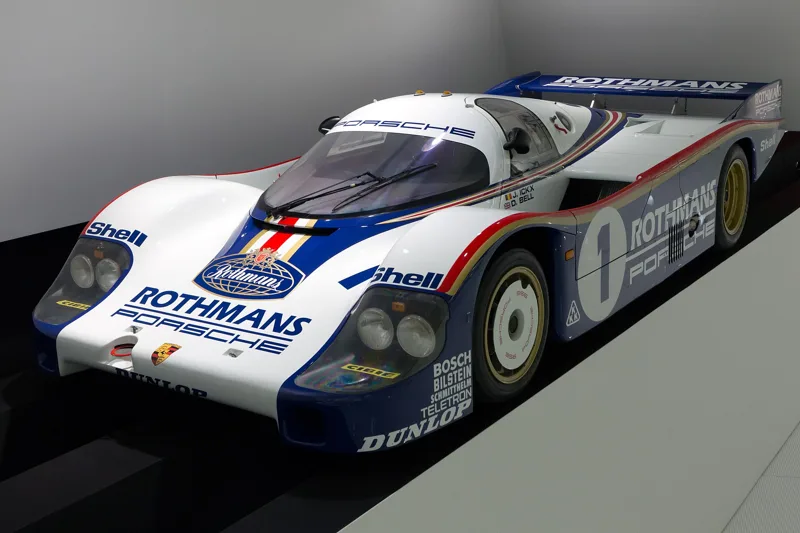
Porsche returned with its final development of the 936, fitted with a 2.65-litre turbo engine from the abandoned Indianapolis project. It still produced 620 bhp at a canter and reached 355 km/h (220 mph) on the Mulsanne Straight. Ickx came back from retirement to chase a fifth overall win alongside Derek Bell.
The gearbox was the team's weak point, so the five-speed unit was replaced with the four-speed box from the 917/30 CanAm car, a design built to handle up to 1000 bhp. Ickx asked for Bell as his partner, and the pair had already shared a win in 1975 with Mirage.
Fourteen laps clear, after a night in which the leaders barely missed a beat.
Which rivals could challenge the Porsches?
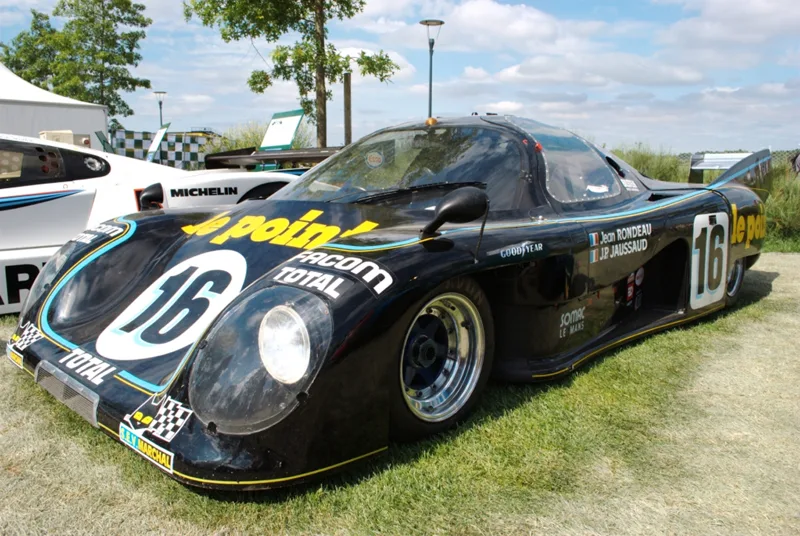
Rondeau arrived as defending champions with five cars, three in Group 6 and two in the GTP class, all built around the M379C with revised aerodynamics and a new braking system. Joest ran a replica of the 936 producing 540 bhp, while WM brought Peugeot-powered cars with more than 500 bhp.
Two of the Group 6 Rondeaux ran a 3.3-litre Cosworth DFL, a 530 bhp endurance version of the DFV. The two GTP cars were 60 kg heavier, with shorter windscreens and heavier wings, and their drivers included Francois Migault and Gordon Spice in the race-winning chassis from the previous year.
Kremer built a 917 replica with a 4.5-litre flat-12 engine, the model loaned from the Midlands Motor Museum. Porsche also sent a 944 prototype, a turbocharged 2.5-litre car detuned from 410 bhp to 370 bhp, which could reach 305 km/h (190 mph) with its new aerodynamic kit.
Cooke-Woods fitted a 3-litre turbo Porsche engine producing 700 bhp to a Lola. The engine was assembled at Bob Garretson's facility in California, and its larger size meant the drivetrain and rear suspension had to be redesigned. Max Sardou's Ardex used a 470 bhp, 3.5-litre BMW engine mounted at the front, offset beside the driver.
How did qualifying set the grid?
Jacky Ickx set the pace in the first session with a 3:29.4 lap on special Dunlop tyres, half a second faster than the lap record Bob Wollek set in 1979. Jochen Mass locked out the front row with a 3:32.6, and Klaus Niedzwiedz was third in the Joest Porsche at 3:34.5.
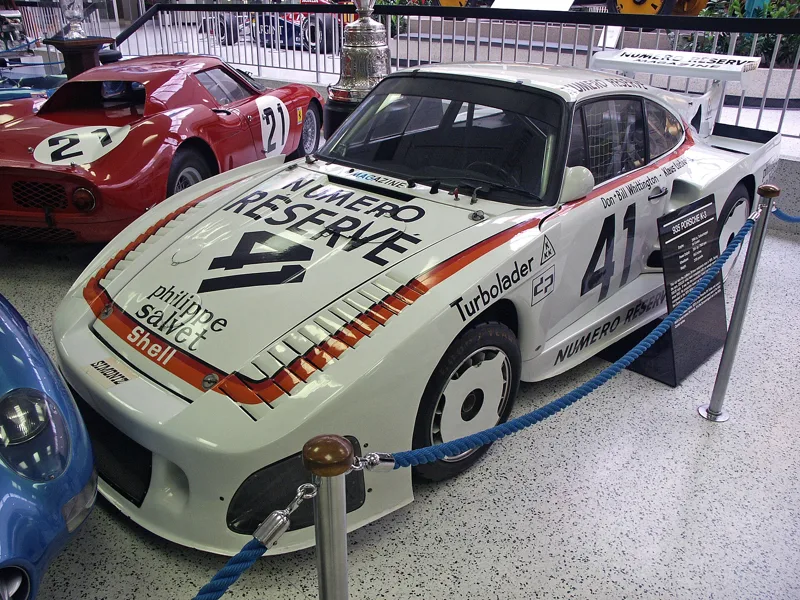
Niedzwiedz finished the session five seconds behind Ickx. Tambay and Jaussaud followed in the faster Rondeaux, at 3:35.2 and 3:36.2, and sixth overall were the Whittingtons, leading Group 5. Boutsen's WM at 3:37.9 was the fastest Group C car, while Dorchy's WM set the fastest GTP time.
Several teams struggled. The GRID Lola qualified twelfth, its top speed held below 280 km/h (175 mph), but it was only 13 seconds off the Porsches on lap time. The Kremer 917 replica could not get past 290 km/h (180 mph) and qualified 18th at 3:46.5, while Preston Henn's 935 was the quickest GTX car in 17th at 3:46.2.
Several cars failed to make the grid. The Ardex and the Lola-Porsche were both held up by engine problems, and the heavy GTU Mazda fell foul of the 110% rule after its transporter ended in a ditch, despite being 14 seconds faster than the year before. The Z&W McLaren special never got close, with a best lap of 5:13.0.
Which classes made up the 1981 entry?
Sixteen Group 6 cars made it the best-supported class, with Porsche, Rondeau and Lola machinery at the top. The 2-litre class was far smaller, with just four entries, all based on Lola chassis.
Three Lola T298s ran BMW 2-litre engines producing 300 bhp, and the Renard-Delmas, based on the same T298, carried a Simca-ROC engine. Louis Descartes and Herve Bayard were its drivers.
Group 5 was dominated by Porsche 935s. The Vegla team won outright in the rain at Silverstone, and four BMW M1s came from four nationalities. Two were ex-Procars from ORECA and EMKA, while the other two were prepared by Peter Sauber and tuned to produce 500 bhp.
Steve O'Rourke, the EMKA manager, had to fly to London each night, including during the race, because Pink Floyd were finishing The Wall tour. Driving rested with David Hobbs and Eddie Jordan.
In the IMSA GTX class five Ferraris faced five Porsches. Kremer-modified Porsches were entered by Bob Akin, Preston Henn and Ralph Kent-Cooke, and Akin had a new car after the other was destroyed in a fatal accident at the Nurburgring a month earlier.
Group 4 had three 924 Carrera turbo cars, including an Australian entry driven by Peter Brock, Colin Bond and Jim Richards. Mazdaspeed's RX-7 cars were built for the GTO class, and the biggest car in the field was Billy Hagan's 6.4-litre Chevrolet Camaro, with 620 bhp.
The French Eminence team ran Thierry Perrier in a 3-litre turbo Porsche 934 on ethanol-blend fuel. Each driver wore heart monitors as part of a medical test and took his fuel from calorie tablets, while Dr Helmut Marko, the 1971 winner, ran one of the two BMW M1s with hand-painted images of Munich on its bodywork.
How did the race start and what happened in the early hours?
Ickx led from the 3pm start and held the lead until the first fuel stops, which came about 45 minutes in. Jochen Mass pitted after one lap running on five cylinders, and a second stop two laps later left him at the back of the field.
Ickx handed the lead to the more fuel-efficient Joest Porsche at the first fuel stops, and the Rondeaux could run half an hour longer than the Porsche between stops. At the end of the first lap Ickx had led Pescarolo, Field and Joest by a clear margin.
Rondeau's Migault pitted on lap 9 with a broken fuel pump, and the 90 minutes of repairs ended any chance of a back-to-back win for that car. The Camaro was the first retirement, just before the first hour was up, when Yarborough ran out of brakes at Arnage.
After the first accident, Reinhold Joest's 936 replica was leading when racing resumed, but it soon pitted with a cracked turbo fan and the Kremer 935 took the lead. Bell then closed on it, passed it early in the fourth hour, and the works car was never headed again.
What happened on the Mulsanne Straight?
At 4:15pm Thierry Boutsen's WM suffered a suspension failure at almost 350 km/h (215 mph) just after the Hunaudieres kink. The car skated along the barrier, and debris killed marshal Thierry Mabillat while two other marshals and a gendarme were injured. Boutsen stepped out of the car unhurt.
The second crash came about half an hour later, when Jean-Louis Lafosse's Rondeau was running third. He had clipped a guardrail a lap earlier, and then the car slewed into a marshal's post and across the track. Lafosse was killed instantly, and two marshals were injured.
Lafosse was a veteran of ten Le Mans starts and had finished second in 1975 with Ligier and in 1976 with Mirage. The two accidents were the first deployments of the pace-car system at Le Mans, and the second neutralisation lasted twenty minutes.
What happened in the middle of the race?
After four hours Bell led Migault's Rondeau by a lap, with the Vegla 935J on 54 laps and the NART Ferrari leading the GTX class. The Interscope-Kremer 935 had slipped to fifth on 53 laps with engine problems, and the second Porsche 936 was climbing back through the order.
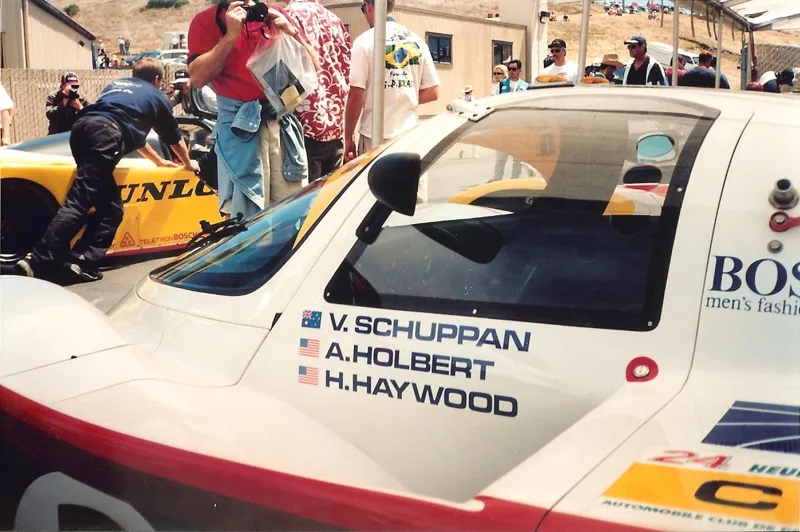
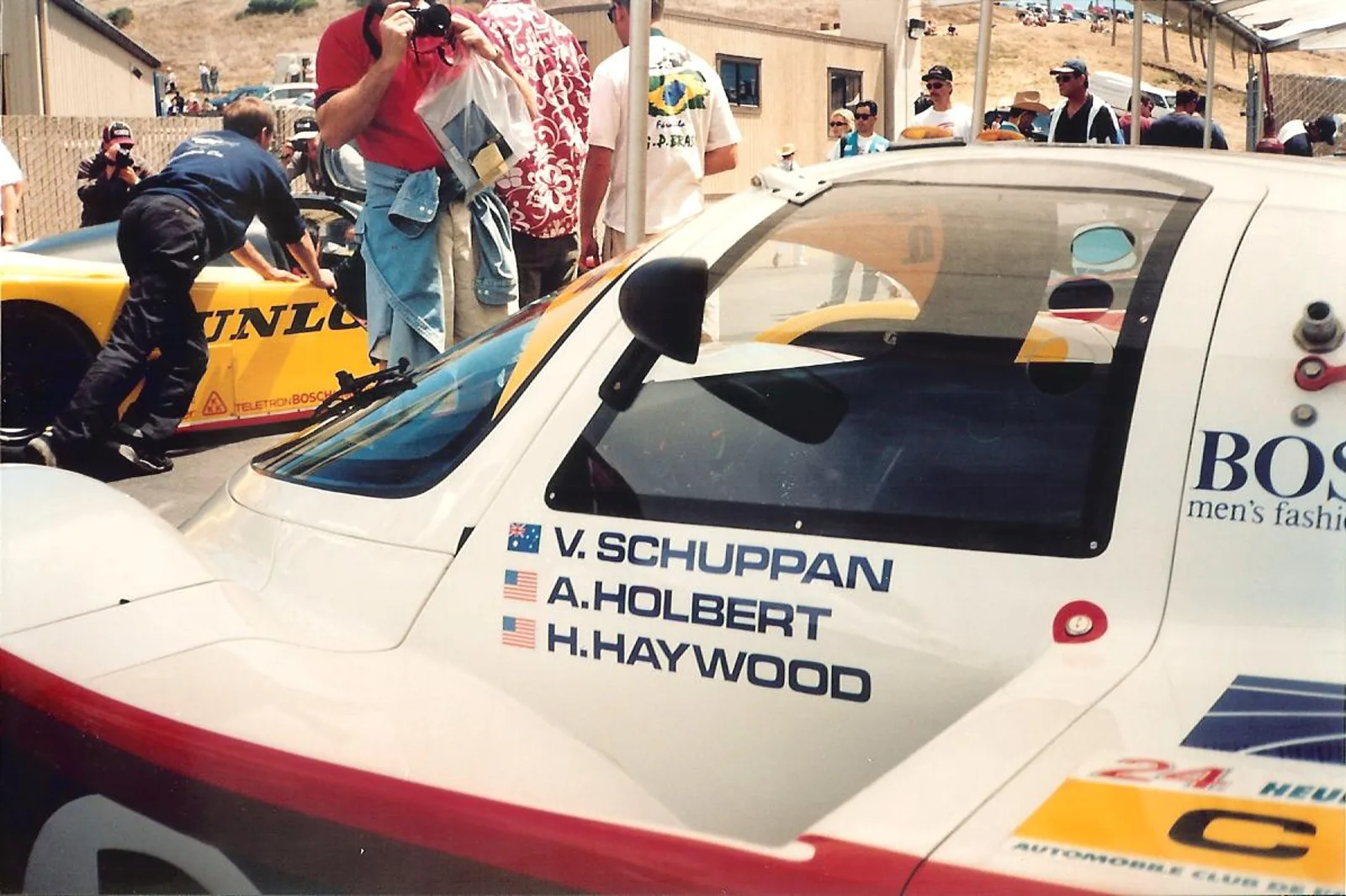
Haywood took over that second 936 and made six positions in the next hour, to finish just a lap behind the leading Rondeau. Dorchy's WM camera car had an engine fire at Mulsanne corner.
Just after 7pm Raulet collided with Gabbiani's Lancia as they braked for the right-hander, which brought out the safety cars for a third time. Neither driver was injured, and the order behind the leaders was still well mixed.
Top five finishers in 1981
| Position | Entry | Result |
|---|---|---|
| 1 | Porsche 936, Ickx and Bell | Won by 14 laps; Ickx's fifth outright win |
| 2 | Rondeau M379C (GTP) | Second in the GTP class |
| 3 | Rondeau M379C (GTP) | Third in the GTP class |
| 4 | Charles Ivey Porsche 935 | Won the Group 5 class |
| 5 | Charles Pozzi Ferrari 512 BB | Won the IMSA-GTX class and gave Ferrari its best result in eight years |
Why does the 1981 Le Mans still matter?
The race is remembered for three firsts: the first pace-car deployments at Le Mans, the first use of Mercedes safety cars, and Ickx becoming the first driver with five outright victories. It also marked the last season of Group 6 before the new Group C rules began in 1982.
Three Mercedes safety cars were brought in to gather the field after serious incidents, and they were used to keep the cars spread more evenly. The Le Mans Chamber of Commerce also added a fuel-efficiency award, co-sponsored by Esso, and the race director Marcel Martin took over from Charles Deutsch that year.
Qualifying had changed too. The ACO returned to two days of four-hour sessions on the Wednesday and Thursday, with each car's single fastest lap setting its grid position from the 55 fastest entries. Every car had to lap within 110% of the three fastest in its class and 130% of the three fastest overall.
The start was moved an hour earlier to 3pm, to leave time on the Sunday afternoon for the French national elections. The race attracted 170,000 spectators, and the weather was hotter than it had been earlier in the week.
How did the 1981 race end for Ickx and Bell?
Ickx and Bell held the lead through the night as the field fell away, and by the end their Porsche was 14 laps ahead. The second Porsche had lost its clutch at 7am, which left the Rondeau cars to chase the leaders for the GTP class. Behind them the competition fell away as fuel and mechanical problems piled up.
The early hours were full of problems for the leading teams, which strung the field out. The second works Porsche had sparkplug trouble from the first lap, yet the two works cars ran 1-2 through the night until that car's clutch failed.
The win was Ickx's fifth outright, which made him the first driver to reach that total, and it closed the Group 6 chapter at Le Mans. The 14-lap margin was the largest in over a decade.