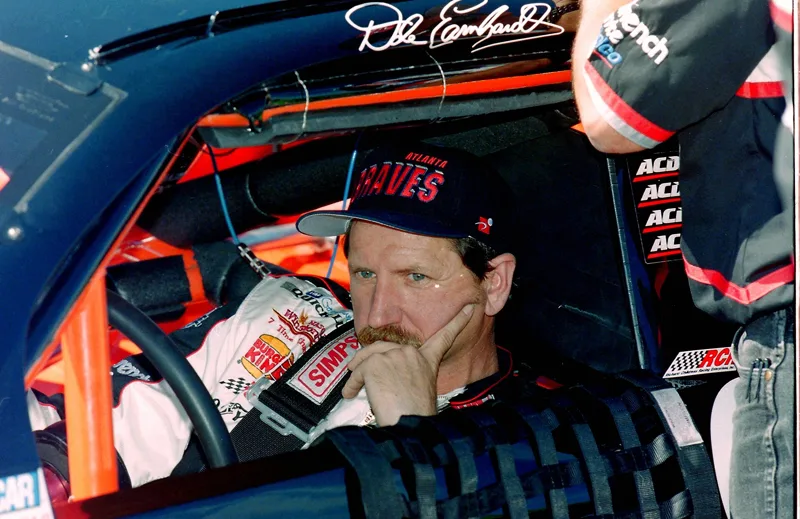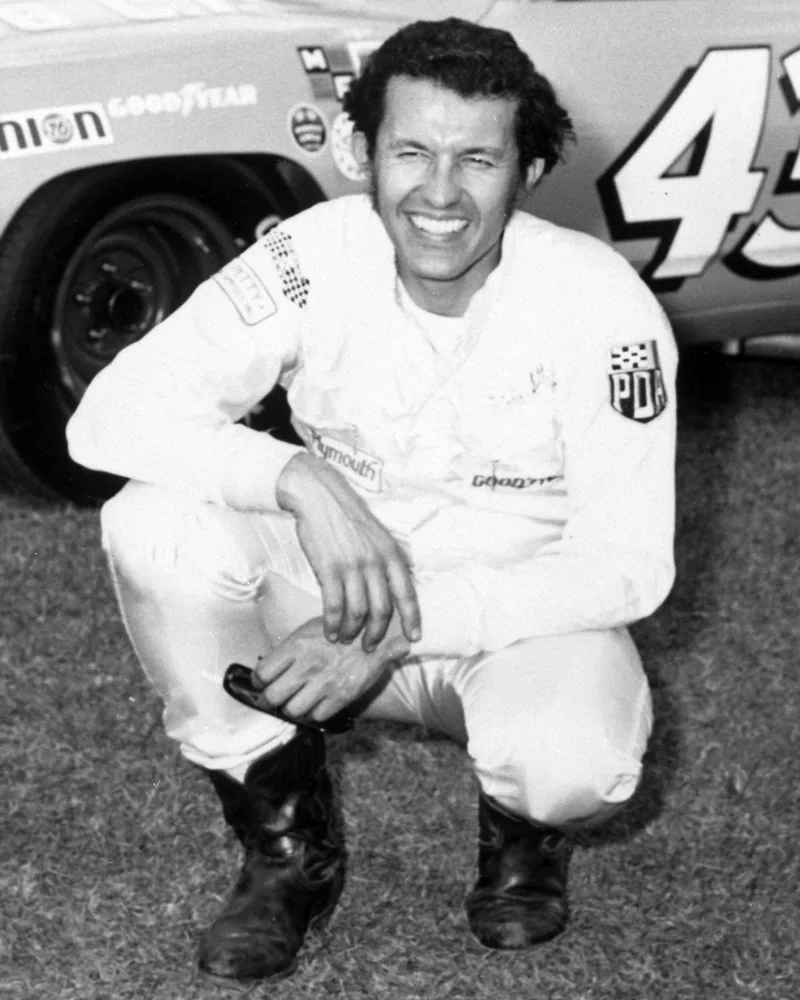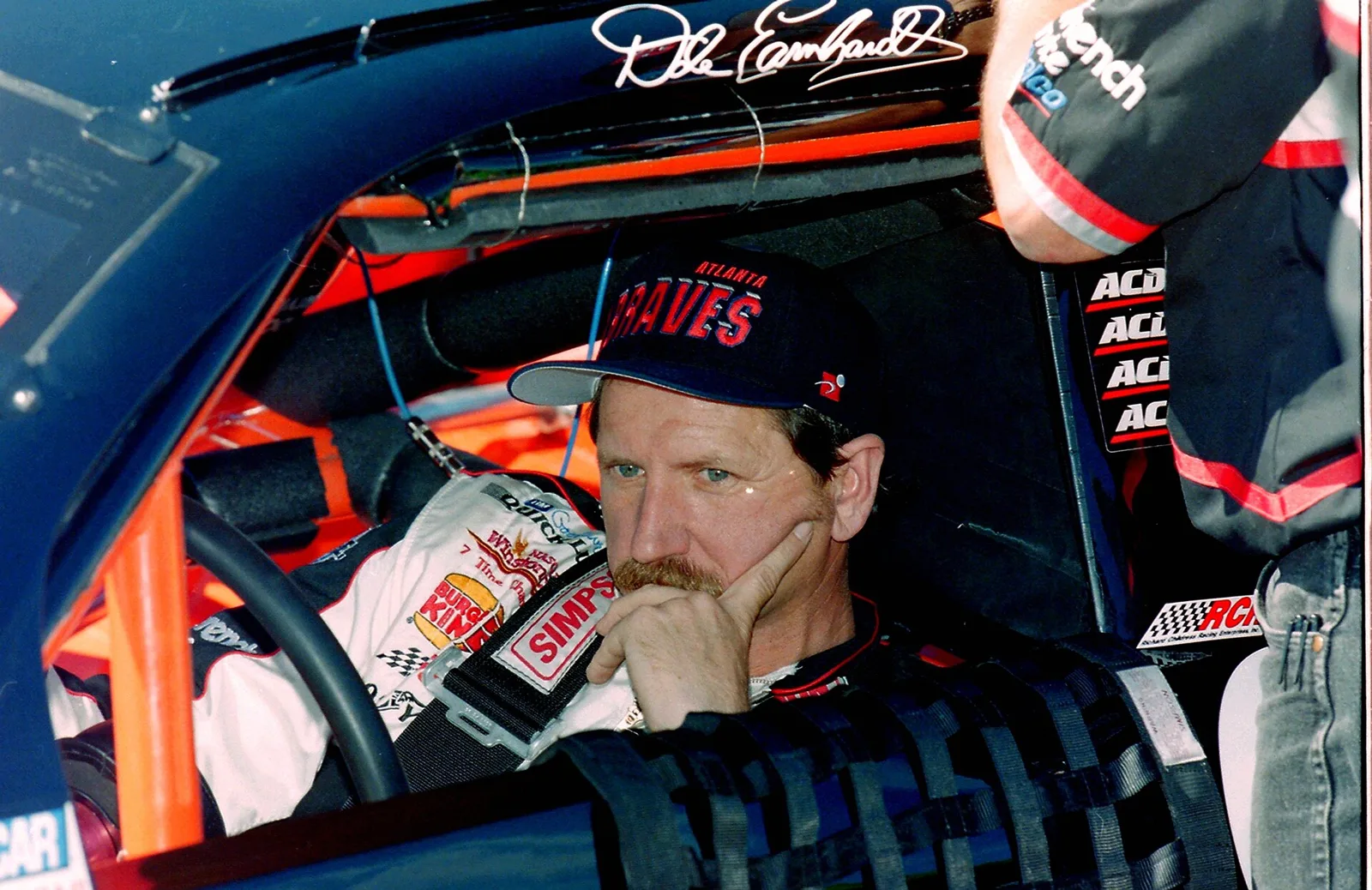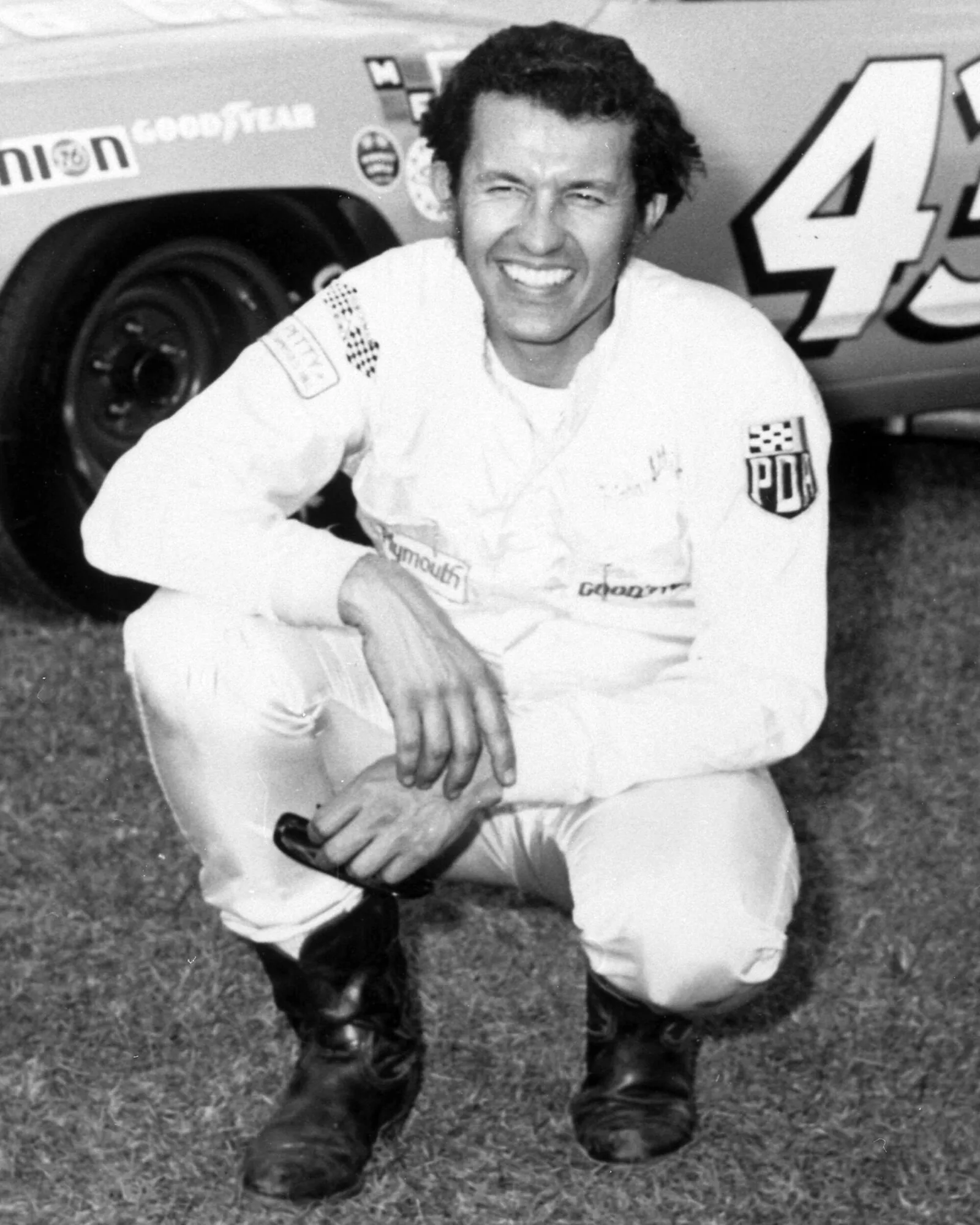
A Daytona 500 broadcast in full, a points lead that changed hands in the final race and a seventh championship for Richard Petty by 11 points.
The 1979 NASCAR Winston Cup Series was the 31st season of professional stock car racing in the US. It ran from January 14 to November 18, and Richard Petty won his seventh and final championship, 11 points ahead of Darrell Waltrip. Dale Earnhardt was named Rookie of the Year.
The 1979 NASCAR Winston Cup season ran from January to November and ended with Richard Petty claiming his seventh championship. Petty finished 11 points clear of Darrell Waltrip, and the margin stayed uncertain until the final race at Ontario, California. The year also produced a Daytona 500 that drew national attention, a points fight that swung back and forth and a rookie award for Dale Earnhardt.
Who won the 1979 NASCAR Winston Cup championship?
Richard Petty won the 1979 title, his seventh and final Winston Cup championship. He finished 11 points ahead of Darrell Waltrip, which at that point was the narrowest winning margin in NASCAR history. The lead changed hands during the final race, the first time that had happened in the sanctioning body's history.
Petty had been 8 points clear with two races left, after he won the American 500 at Rockingham in October. On November 4 at Atlanta, Waltrip finished ahead of him, collected 5 bonus points for leading a lap while Petty led none, and moved back in front by two points. At Ontario, Waltrip spun with John Rezek and pitted ahead of the leaders, which left him a lap down at the finish.
The championship was the last won by an owner-driver until Alan Kulwicki took the title in 1992. Because the lead had moved between the two drivers so late in the year, the final standings left little room for error on either side.
A season that stayed open until the final race at Ontario, and a seventh title for Richard Petty by 11 points.
How did the 1979 season begin?
The season opened on January 14 at Riverside International Raceway, where David Pearson won the pole for the Winston Western 500. It was the final pole Pearson would win with the Wood Brothers, an early sign of the changes that would reshape that team during the year.
The Busch Clash followed on February 11 at Daytona International Speedway. This non-points event was open to the previous season's pole winners, and Benny Parsons started from pole after a random draw decided the grid.
Two 125-mile qualifying races on February 15 gave Buddy Baker and Donnie Allison the poles for races one and two. Cale Yarborough was pessimistic about the chances of Baker's rivals, saying Baker was pure horsepower.
What happened at the 1979 Daytona 500?
The 21st annual Daytona 500 took place on February 18 at Daytona International Speedway, with Buddy Baker on pole. Richard Petty won the race after the two leaders, Donnie Allison and Cale Yarborough, came together on the final lap in turn three. It was Petty's sixth Daytona 500 victory.
The race was the first Daytona 500 to be televised nationally in its entirety, so the crash and its aftermath reached a wide audience. During the cool-down lap, Allison and Yarborough argued, and the argument turned into a fist-fight. Bobby Allison joined in to protect his sibling, adding to the drama of the afternoon.
Television ratings climbed because a major blizzard had left much of the Northeast snowed in. Petty used that win as a platform for his title campaign, although the road ahead was not straightforward.
Which races shaped the first half of the season?
The spring races set the pattern for the year, with several different winners and a steady run of incidents. Bobby Allison, who started from pole, took the Carolina 500 on March 4 at North Carolina Motor Speedway, and a lap 10 crash involving the leaders swept up five other cars along the way.
The Richmond 400 had been postponed from February 25 because of heavy snow. It was finally run on March 11, and Cale Yarborough won it after a snow shower delayed the start by fifteen minutes. Atlanta followed on March 18, when Buddy Baker won and ended a run of winless races that went back to May 1976.
At Atlanta, Bobby Allison led the most laps, but a late caution let Baker change tires and pull away for the win. The weekend was also marred by tragedy. Pit crew member Dennis Wade was struck and killed on pit road by Dave Watson, a reminder of the danger that surrounded the sport beyond the cars themselves.
At North Wilkesboro on March 25, Bobby Allison crossed the line first, but a right front tire had blown on the final lap. His car was too damaged to reach victory lane under its own power, so he walked there. It was Ford's first spring win in the Cup series since 1968.
Dale Earnhardt collected his first Winston Cup victory in the Southeastern 500 at Bristol on April 1. The Darlington race on April 8 was a different kind of contest. Darrell Waltrip and Richard Petty swapped the lead eight times in the final five laps, and Waltrip took the win.
Darlington was also the last race for David Pearson with the Wood Brothers. Two tires came off his car after a pit stop because the lug nuts had not been tightened. Within a week he was fired, and Neil Bonnett took his place in the team's Mercury.
What happened to the Wood Brothers team after Pearson left?
Pearson's departure opened a new chapter for the Wood Brothers. Bonnett made his first start for the team at Martinsville, where Richard Petty won the Virginia 500 on April 22. That was Petty's first short-track victory since 1975 and his first in a Chevrolet.
Bonnett had finished 25th at Martinsville after blowing an engine on lap 207, but he was rewarded with a breakthrough on May 20 at Dover. He won the Mason-Dixon 500 for his first victory with the team, and it was also Mercury's final win at the track.
Bonnett won again on July 4 at Daytona in the Firecracker 400. That result was a Mercury victory, and it was the marque's penultimate win at the speedway.
Which drivers dominated the summer races?
The summer months were a mix of big wins and near misses. Cale Yarborough won the Sun-Drop Music City USA 420 at Nashville on May 12, and the finish was controversial because Petty and Allison argued that he had been a lap down at the flag.
Darrell Waltrip was a constant presence at the front. He won the World 600 at Charlotte on May 27, a race that produced 59 lead changes and a still-standing track record. He then took the Texas 400 at College Station on June 3, which was NASCAR's first visit to the track since 1973.
Bobby Allison won the NAPA Riverside 400 on June 10, and Dale Earnhardt earned the first Cup pole of his career for the same event. On June 17 at Michigan, Buddy Baker took the Gabriel 400, and the lead changed 47 times among 11 drivers.
The Coca-Cola 500 at Pocono was postponed from July 29 to July 30 by rain. Yarborough won, and the race set a lead-change mark of 55 that still stood. Earnhardt was injured in a turn two crash and suffered broken collarbones, along with rib injuries that kept him out of the next four races.
Waltrip's afternoon at Pocono did not go to plan. He lost five positions after pitting under yellow with four laps to go, and the race never restarted, which cost him 19 points. After crashing his primary car in practice, DiGard bought Al Rudd's No. 22 Chevrolet so that Waltrip could race.
The Talladega 500 on August 5 went to Waltrip, with David Pearson driving the No. 2 for a time after Earnhardt's injury. It was also Kyle Petty's first career Cup start, a race that followed his crash in qualifying at Daytona.
Richard Petty won the Champion Spark Plug 400 at Michigan on August 19. A lap 2 flip by Blackie Wangerin had brought out a lengthy red flag. Petty also took his final pole as a driver at Bristol on August 25, and it was the last pole his car earned until 1996.
What did Dale Earnhardt achieve in 1979?
Dale Earnhardt's 1979 season combined early success with a serious setback. He won his first Winston Cup race at Bristol on April 1 and then earned his first Cup pole at Riverside on June 10. A crash at Pocono later left him with broken collarbones and rib injuries, and he was forced to sit out the next four races.
Earnhardt returned on September 9 for the Capital City 400 at Richmond and started from pole. NASCAR also named him Rookie of the Year for the season.
How did the autumn races decide the title?
The autumn races decided the championship. Richard Petty won the American 500 at Rockingham on October 21 and took the points lead by 8 points with two races left. The win came a week after Waltrip's lead had been cut to 17 points at North Wilkesboro.
The Holly Farms 400 at North Wilkesboro had been postponed two weeks because of rain. Benny Parsons won on October 14, but the story was the battle between Bobby Allison and Waltrip. On lap 309, Waltrip sideswiped Allison, and NASCAR black-flagged Waltrip, who then went after Allison again before competition director Bill Gazaway waved a second black flag.
The wreck narrowed Waltrip's lead over Petty to just 17 points. A week later at Rockingham, Petty won and moved in front by 8 points, with two races still to run.
On November 4 at Atlanta, Neil Bonnett won the Dixie 500. Buddy Baker had taken the pole there, his seventh of the season and enough to claim the season-long pole award. Waltrip finished ahead of Petty and picked up 5 bonus points for leading a lap when Petty did not, putting Waltrip two points in front going into the season finale at Ontario.
The finale on November 18 belonged to Benny Parsons, who won the Los Angeles Times 500 at Ontario. Cale Yarborough had earned the pole, and the result qualified him for the 1980 Busch Clash. Waltrip finished a lap down after a spin with John Rezek, so Petty took the title by 11 points, the smallest margin in NASCAR history up to that point.
What were the key results of the 1979 season?
| Date | Race | Track | Winner |
|---|---|---|---|
| February 18 | Daytona 500 | Daytona International Speedway | Richard Petty |
| March 18 | Atlanta 500 | Atlanta International Raceway | Buddy Baker |
| April 8 | CRC Chemicals Rebel 500 | Darlington Raceway | Darrell Waltrip |
| May 27 | World 600 | Charlotte Motor Speedway | Darrell Waltrip |
| July 30 | Coca-Cola 500 | Pocono International Raceway | Cale Yarborough |
| September 3 | Southern 500 | Darlington Raceway | David Pearson |
| October 14 | Holly Farms 400 | North Wilkesboro Speedway | Benny Parsons |
| November 18 | Los Angeles Times 500 | Ontario Motor Speedway | Benny Parsons |