Eight races, Juan Manuel Fangio's first championship and the moment Ferrari's newer cars began to pull ahead of Alfa Romeo.
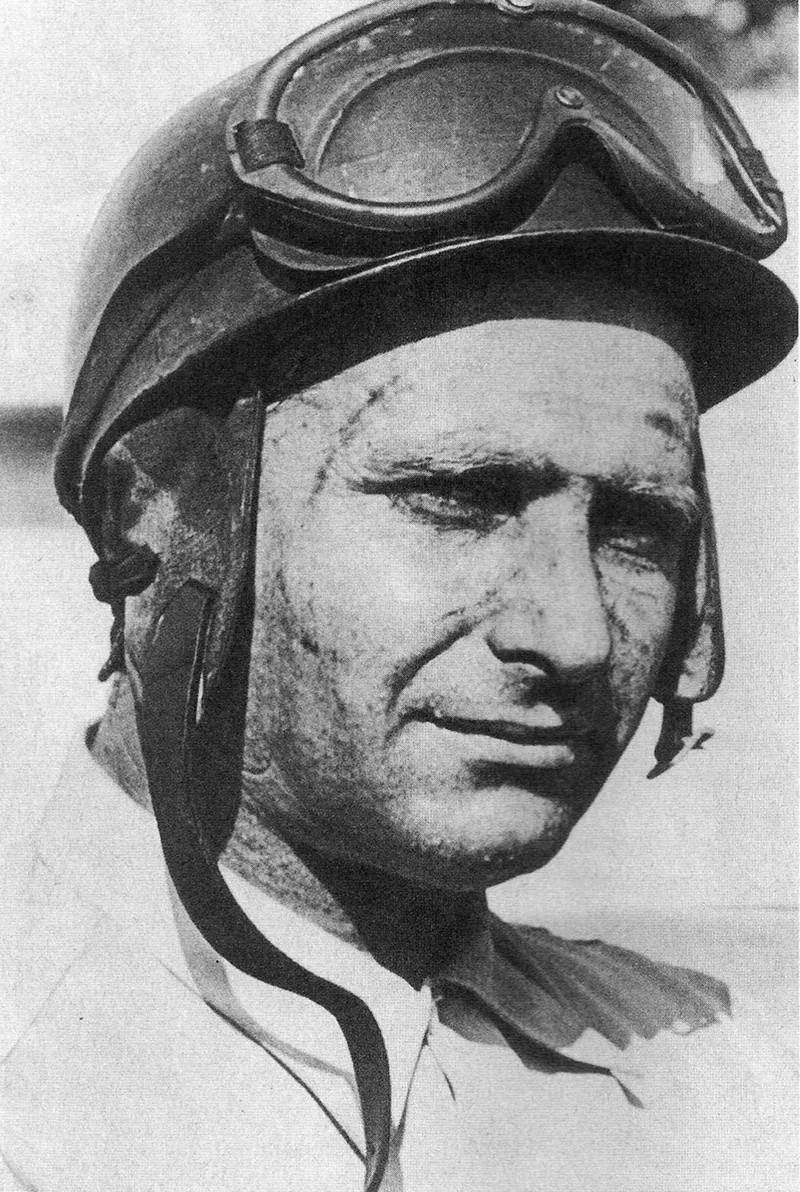
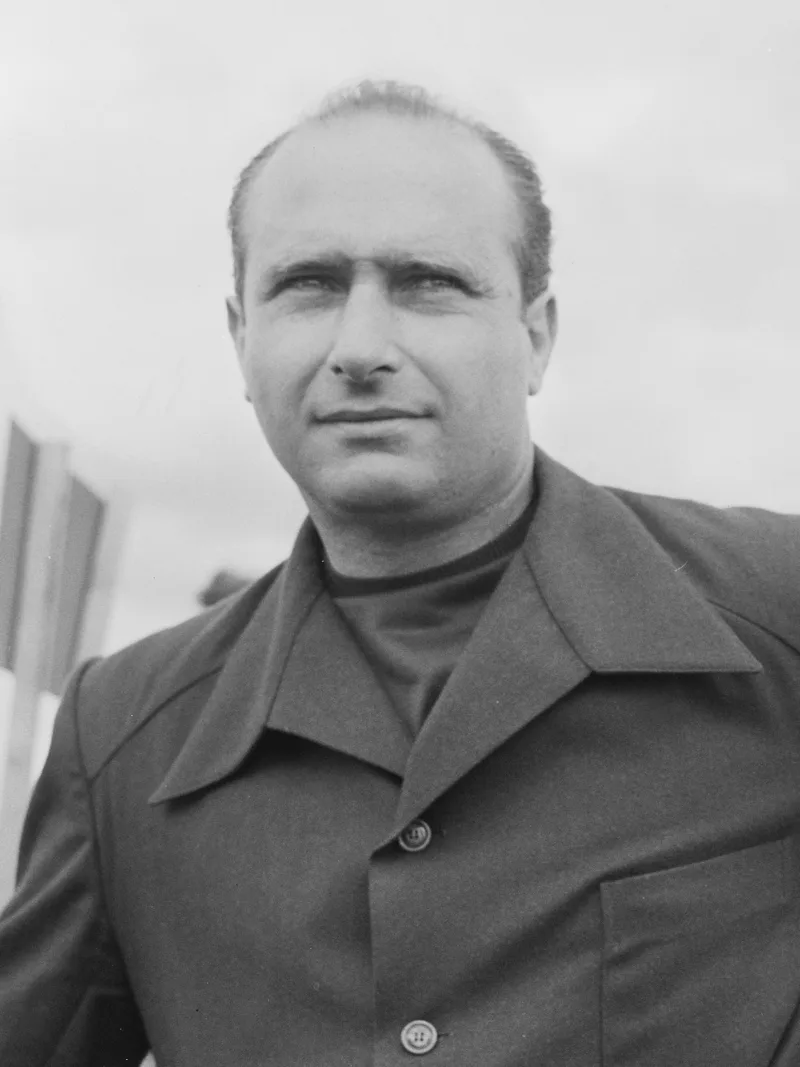
The 1951 Formula One season was the fifth season of FIA Formula One racing and the second World Championship of Drivers. Eight rounds ran from 27 May to 28 October, and Juan Manuel Fangio of Alfa Romeo won the title, with Alfa's older cars facing a challenge from Ferrari.
Formula One's second World Drivers' Championship was contested over eight races between 27 May and 28 October. Juan Manuel Fangio of Alfa Romeo emerged as champion, but Ferrari's newer cars were already a serious threat to the team that had led the sport so far.
Who were the teams and drivers in 1951?
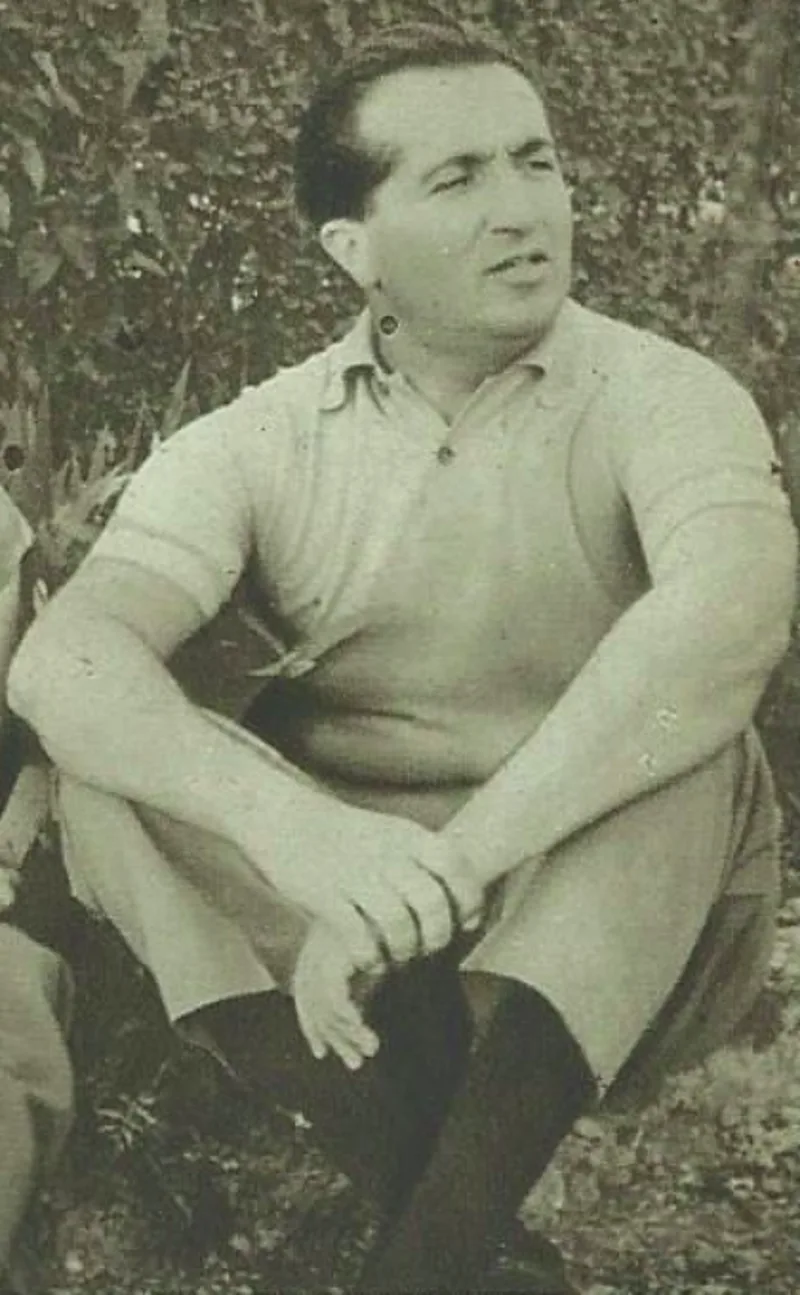
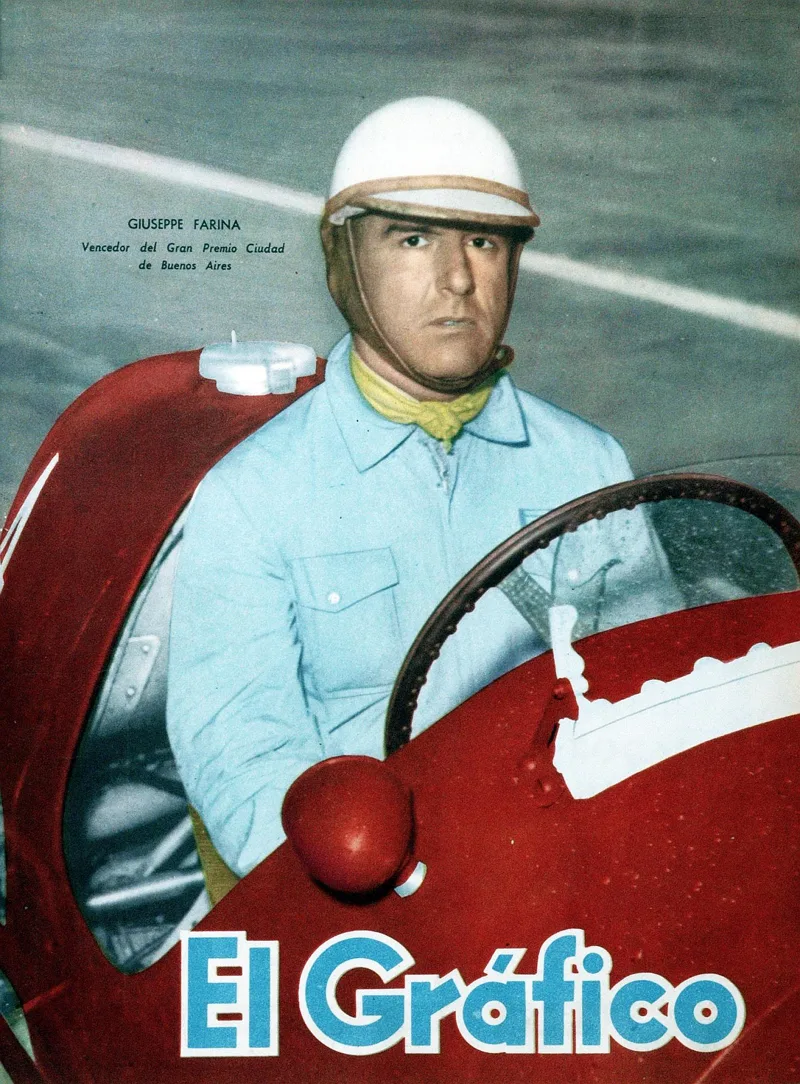
Alfa Romeo ran its established pair of Fangio and Nino Farina, with Consalvo Sanesi replacing Luigi Fagioli. Ferrari signed Piero Taruffi and Jose Froilan Gonzalez, and private entries filled many of the remaining places. Talbot-Lago and Maserati skipped their works efforts for the year.
Alfa Romeo had dominated 1950 with its supercharged 159 Alfetta. Toulo de Graffenried drove three races for the team, and they were the only Grands Prix he contested for a factory outfit.
Taruffi had made his Formula One debut with Alfa Romeo at the end of the previous season, while Gonzalez arrived from a private Maserati team. Gordini waited until the fourth race of the calendar and added Andre Simon to its line-up. Talbot-Lago did not run a works team, so three of its drivers each took a Talbot chassis and raced it under their own name.
Maserati also stayed away as a works team. Louis Chiron moved to Louis Rosier's private Talbot squad, and Franco Rol came back later in 1951 with O.S.C.A. HWM fielded George Abecassis and Stirling Moss for the opener only. BRM made its debut at Silverstone with Peter Walker and Reg Parnell, a single start before a return in 1954.
Mid-season, Fagioli returned to Alfa Romeo at the French Grand Prix, but the team manager ordered him to hand his car to Fangio. Fagioli reportedly quit the sport straight away. Felice Bonetto took over as Alfa's third driver, and Sanesi left the team.
Alfa Romeo still won four races that year, but Ferrari's naturally aspirated cars were already closing in.
How did the calendar change for 1951?
Monaco was dropped from the calendar because of budget concerns and a lack of regulations. The Swiss Grand Prix moved from June to May to open the season, the British race moved from May to July, and Germany and Spain joined the championship for the first time.
The Swiss race therefore became the season opener, held at Bremgarten near Bern in late May. Germany's round used the Nurburgring Nordschleife and Spain's used the Pedralbes street circuit in Barcelona, both appearing as championship rounds for the first time. Scoring stayed simple: the top five earned 8, 6, 4, 3 and 2 points, one more point went to the fastest lap, and only the best four of eight results counted. Shared drives split their points equally.
What happened in the pre-season races?
Several non-championship races were run before the championship opened in Switzerland, and Villoresi, Ascari and Farina all won. The winners drove Ferrari, Maserati and Talbot machinery, and Reg Parnell's BRDC final at Silverstone ended in flooding.
The first of them was the inaugural Syracuse Grand Prix, run on a 5.5 km (3.4 mi) public road circuit in Sicily, where Villoresi drove a new 4.5-litre Ferrari 375. Two weeks later he repeated the success at Pau, beating Louis Rosier and Nino Farina, who drove a Maserati. On the same day, Birabongse Bhanudej won the Richmond Trophy at Goodwood in his Maserati.
Ascari made his first appearance of the season at San Remo, a 3.4 km (2.1 mi) street circuit, and won in a Ferrari 375 ahead of Dorino Serafini and Rudi Fischer. A week later Rosier took the Bordeaux race in a Talbot. At Silverstone the BRDC International Trophy marked Alfa Romeo's first appearance of 1951, and Parnell took the final after it was stopped by torrential rain and flooding.
How did the first three rounds unfold?
The season opened in Switzerland at the Bremgarten circuit near Bern, where Fangio took pole and won in the rain from Piero Taruffi and Farina. At the Indianapolis 500, Lee Wallard won. Belgium then gave Farina a win ahead of Ascari and Villoresi, while Fangio was ninth.
Alfa Romeo filled the first five places on the Swiss grid apart from third, which Villoresi took in a Ferrari. The race began in the rain, and the overhanging trees made the circuit even more dangerous in the wet. Farina chose not to change tyres during the race, and that decision proved to be wrong.
The Indianapolis 500 ran three days after the Swiss race, on a Wednesday. It was the only non-European round and the only one not run to FIA Grand Prix regulations, and Lee Wallard took victory in a Kurtis Kraft-Offenhauser.
Belgium's Spa-Francorchamps circuit, 14 km (8.7 mi) long, drew 13 entries. Fangio and Farina held the first two positions, and Farina's victory came ahead of Ascari and Villoresi. Fangio finished ninth, four laps down, after a mechanical problem with a wheel hub. Farina had won the Ulster Trophy at Dundrod in an Alfa Romeo just before the race.
What were the turning points in France and Britain?
The French Grand Prix at Reims-Gueux produced a race of car swaps and mechanical trouble, and Fangio won it after Ascari's brake problems. Silverstone then saw Gonzalez win in a Ferrari, the first Grand Prix win for Enzo Ferrari with a car from his own company, while Fangio was second.
Ascari beat Fangio off the line, but Ascari's gearbox broke about 10 laps in. Farina recovered from a poor start only to suffer magneto trouble. Gonzalez handed his car to Ascari during a pit stop, and Fagioli exchanged his healthy car for Fangio's mechanically troubled one. Drivers swapping cars was common practice in 1950s Formula One.
The race covered 600 km (370 mi), a record for the longest distance ever completed in a Grand Prix. Fagioli finished 22 laps down, angry about the swap, and quit Grand Prix racing afterwards.
At Silverstone the Alfa Romeos, with 420 hp supercharged engines, were fast but very thirsty, so Fangio and Farina each had to stop twice for fuel. Gonzalez won in the more efficient 4.5-litre naturally aspirated V12 Ferrari, with Fangio second. It was the first time Enzo Ferrari had won a Grand Prix with a car built by his own company, and that team went on to become the most successful in Formula One history.
How did Germany and Italy shape the title race?
Ascari won the German Grand Prix on the Nurburgring, where the Alfa Romeos suffered overheating and Farina retired early. At Monza he won again in his Ferrari, while Fangio retired with engine trouble and Farina finished third after two fuel stops.
The Nurburgring Nordschleife measures 22.9 km (14.2 mi) and was the same venue used in 1939. West Germany had been barred from international competition until 1951, so this was the first championship Grand Prix held there since 1939. Fangio's gearbox lost first and second of its four gears, and the leaders swapped the lead during pit stops before Ascari pulled ahead.
At Monza Fangio again took pole, but he retired with engine problems, while Farina's leaking fuel tank forced him into the pits twice. Ascari's win kept his championship hopes alive heading into the final round in Spain, where Fangio was still the leader.
Who won the title in Spain?
Fangio won the first Spanish Grand Prix, held on the Pedralbes street circuit in Barcelona, and took his first World Championship. Ferrari's tyres failed after the team used smaller wheels than usual, leaving Ascari two laps behind. Gonzalez finished second and Farina third.
Ascari was fastest in practice and led the start, with Gonzalez chasing, but by the end of the first lap Gonzalez had dropped to fifth. Fangio passed Farina and then took the lead from Ascari on lap four. Ascari was two laps adrift at the finish, while Gonzalez and Farina completed the podium. Fangio's win gave him the first of his five championships.
Why did Alfa Romeo's era end?
Alfa Romeo's supercharged cars were close to the end of their development and used very large amounts of fuel. Ferrari's newer naturally aspirated 4.5-litre cars exploited that weakness, and Ferrari's three victories marked the point at which the Alfas lost their hold on the championship.
Alfa Romeo still won four races, but its older design was nearing the end of its potential. Ferrari exploited the thirst of the Alfa engines, most clearly at Silverstone. The old Talbots were increasingly outclassed, and BRM's V16 made its only championship appearance at Silverstone.
Who won each round in 1951?
Alfa Romeo won four of the eight rounds and Ferrari won three, with Indianapolis going to Lee Wallard. Fangio took three of the wins, Ascari two, and Farina, Gonzalez and Wallard one apiece. The table below lists each round in order.
| Round | Race | Winner | Car | Note |
|---|---|---|---|---|
| 1 | Switzerland (Bremgarten) | Juan Manuel Fangio | Alfa Romeo | Race started in rain |
| 2 | Indianapolis 500 | Lee Wallard | Kurtis Kraft-Offenhauser | Not run to FIA Grand Prix rules |
| 3 | Belgium (Spa-Francorchamps) | Nino Farina | Alfa Romeo | 13 entries |
| 4 | France (Reims-Gueux) | Juan Manuel Fangio | Alfa Romeo | 600 km (370 mi), record distance |
| 5 | Britain (Silverstone) | Jose Froilan Gonzalez | Ferrari | First Grand Prix win for Enzo Ferrari's own make |
| 6 | Germany (Nurburgring) | Alberto Ascari | Ferrari | His first championship Grand Prix win |
| 7 | Italy (Monza) | Alberto Ascari | Ferrari | Kept his title hopes alive |
| 8 | Spain (Pedralbes, Barcelona) | Juan Manuel Fangio | Alfa Romeo | First Spanish Grand Prix, title decided |
What did the season leave behind?
The season gave Juan Manuel Fangio the first of his championships and marked the end of Alfa Romeo's run at the top. Alfa Romeo has not won a Formula One championship since. Ferrari's wins that year pointed to its rise as the most successful team in the sport.
The rules for 1952 would make the pre-war chassis still used by several teams obsolete. The old Talbots and the Alfetta 159 were both nearing the end of their useful life, while Ferrari's naturally aspirated 4.5-litre cars pointed the way forward.