Nine rounds, a crowd tragedy in Argentina and a champion who became the first to defend his title successfully.
Alberto Ascari of Ferrari won the 1953 World Drivers' Championship, becoming the first driver to defend the title successfully. The championship was decided over nine rounds between 18 January and 13 September, and Ferrari won seven of them, with Ascari taking five.
The 1953 Formula One season was the seventh year of FIA Formula One racing. Its fourth World Championship of Drivers was run over nine rounds, and Alberto Ascari again finished on top, becoming the first champion to win two titles in a row.
Who drove for which teams in 1953?
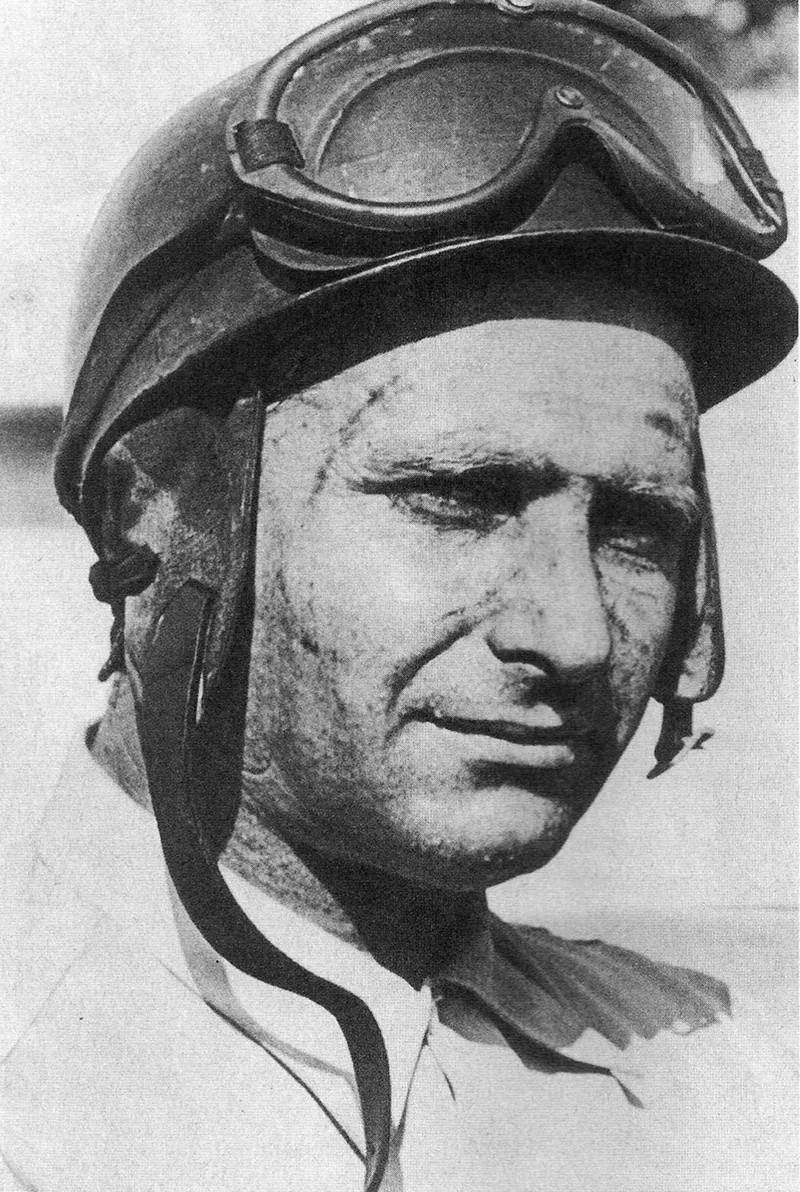
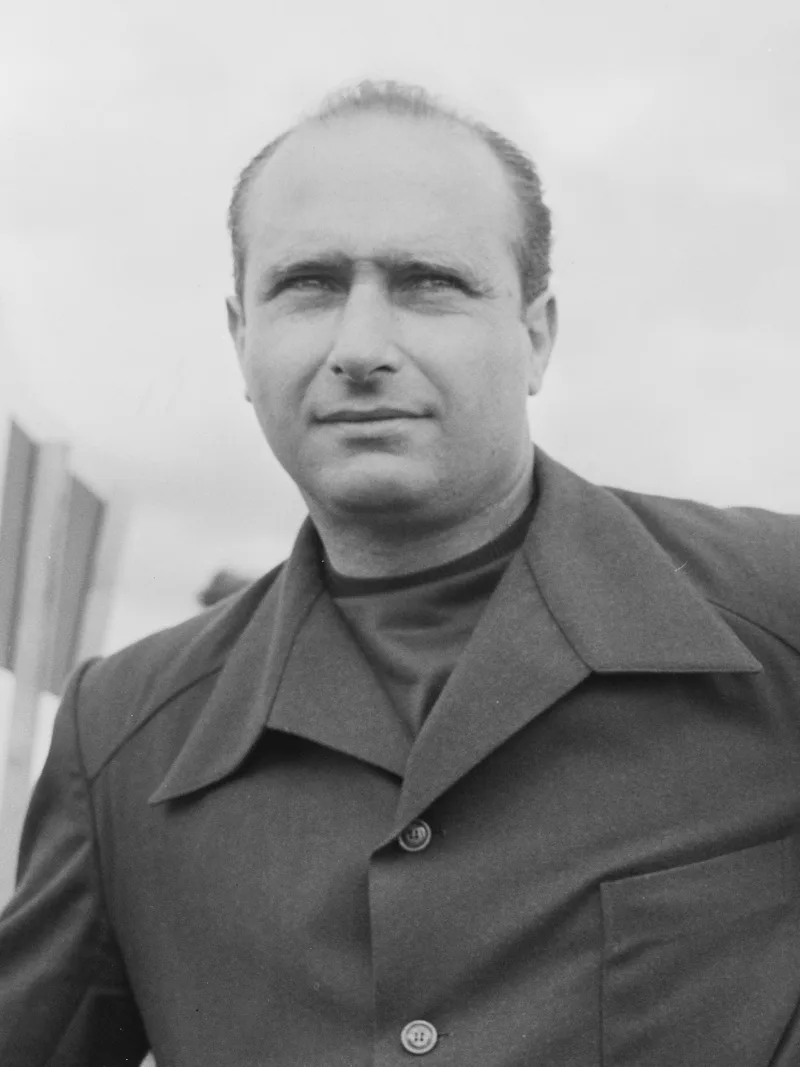
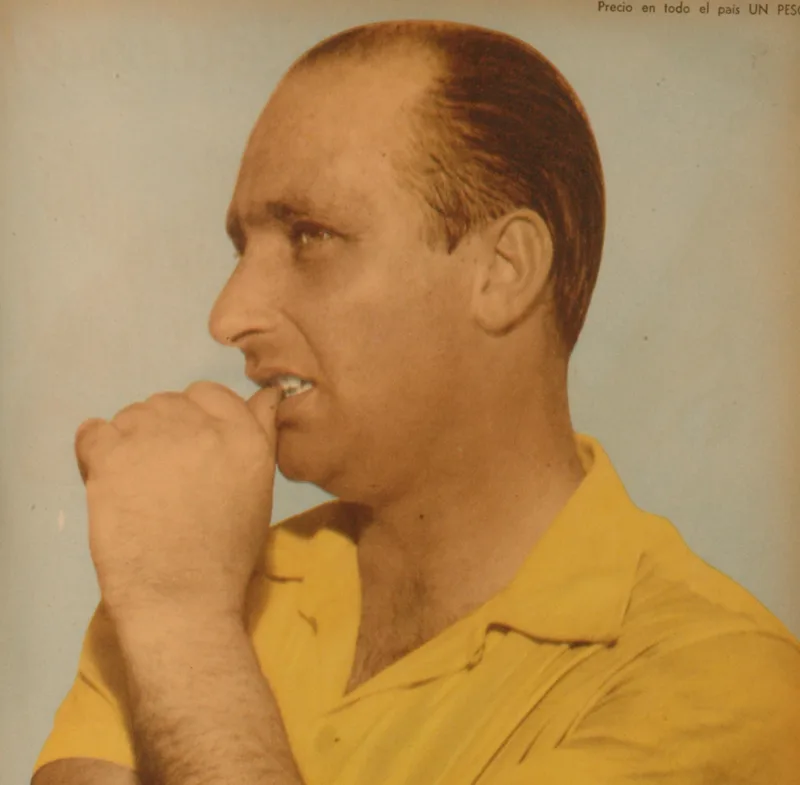
Maserati entered at least three cars in each race and signed Juan Manuel Fangio, the 1951 champion. Mike Hawthorn joined Ferrari, Harry Schell moved to Gordini, and Connaught hired Roy Salvadori and Kenneth McAlpine. Cooper appeared as a works team for the first time.
Hawthorn had impressed in several non-championship races in 1952 and replaced Piero Taruffi, who moved to the Lancia sports car team. Gordini had split from Prince Bira after the previous season. Connaught, which had made its debut midway through 1952, expanded its operation. Cooper's works entry competed only in the opening round before returning for the French Grand Prix with Stirling Moss as its sole driver.
Mid-season changes were frequent. Robert Manzon left Gordini after one race, and Roberto Mieres replaced him. Onofre Marimon joined Maserati full-time from the Belgian Grand Prix, while Jose Froilan Gonzalez left the team after the British round. Louis Chiron returned with OSCA at the French race, and Peter Collins left HWM before the season ended.
Gonzalez later crashed a Lancia sports car before the German Grand Prix and was injured, which ended his season. Hermann Lang came back after 14 years to step in for one race, and Sergio Mantovani and Luigi Musso came in to make their Formula One debuts.
Ferrari won seven of the nine rounds, and Ascari's five wins carried him to a second straight crown.
How did the calendar change in 1953?
The Argentine Grand Prix became a world championship race on 18 January, the Swiss race moved from mid-May to late August, and the Dutch race moved up to early June. The French race returned to Reims-Gueux after a year at Rouen-Les-Essarts.
The Spanish Grand Prix had been set for 26 October, but money problems led to its removal from the calendar. That left the Italian Grand Prix as the final round, and the title race was effectively settled before it began. The season still reached nine counting rounds, including the Indianapolis 500.
What happened at the Argentine Grand Prix?
The Argentine race was the first championship event outside Europe apart from Indianapolis, and it ended in tragedy for spectators. A wheel from a Cooper bounced into the crowd, and Nino Farina later spun his Ferrari into the people beside the track. At least nine people were killed, a toll that rose to ten.
The race drew so many spectators that they broke through the security barriers and sat beside the track. Only the fear of a riot stopped the organisers from cancelling the event. Ascari started from pole, ahead of Fangio and Villoresi, and the race began with the crowd already close to the cars.
On lap 21 a wheel from Adolfo Schwelm Cruz's Cooper bounced into the spectators. Eleven laps later Farina spun off and his car came to a halt among the crowd. In the chaos, a young boy ran onto the circuit and was struck by Alan Brown's car. The race went on to the finish, with Fangio out after a broken transmission and Ascari a lap clear of Villoresi and Gonzalez.
How did the early European rounds unfold?
The Indianapolis 500 was counted in the championship, but no Formula One drivers attended, and Bill Vukovich took the win for a second successive year. In the Netherlands, Ascari and Farina finished 1-2, and in Belgium Ascari and Villoresi repeated that result with Marimon third on his Maserati debut.
The Dutch round, the first in Europe, attracted about twenty entrants, and Maserati brought upgraded cars. Ascari took the lead at the start while his Ferrari teammates squeezed Fangio, and Fangio and Gonzalez both retired with broken rear axles. Villoresi also retired with an injection failure, but Gonzalez still finished third after taking over a teammate's car. After three rounds Ascari led on 17 points, ahead of Vukovich on 9 and Villoresi on 7, and Vukovich did not enter another championship race.
In Belgium the Maseratis were favourites on top speed. Fangio took pole ahead of Ascari and Gonzalez, but both Maseratis retired with mechanical problems. Ascari and Villoresi then finished 1-2 ahead of Marimon.
Who won the French and British rounds?
Mike Hawthorn won the French Grand Prix by inches from Fangio, while Ascari took the British Grand Prix in heavy rain and hail. Ascari then led the title race with 33.5 points, ahead of Hawthorn on 16 and Gonzalez on 13.5.
In France Ascari took pole, with Bonetto and Villoresi alongside him. Gonzalez led the start and pitted at half-distance for fuel, while a group of seven red cars fought for the lead. With two laps to run, Hawthorn and Fangio were side by side across the line, and Hawthorn edged in front, with Gonzalez third.
At Silverstone the front row was shared between Ferrari and Maserati, with Ascari, Gonzalez, Hawthorn and Fangio. Hawthorn spun off early, and Gonzalez was ordered in to check a suspected oil loss. Rain and hail then flooded the circuit, and Ascari crossed the line a minute clear of Fangio, while Farina was two laps down.
How was the title settled in Germany and Switzerland?
Farina won the German Grand Prix after Ascari, who was on pole, ended up in the pits on three wheels and later retired with a blown engine. In Switzerland Ascari came back from a long stop to win by more than a minute, which secured his second consecutive championship with one race still to run.
In Germany Ascari dropped to ninth after his wheel trouble. He took over Villoresi's car, set the fastest lap since Hermann Lang in 1939, and then retired. Farina led home Fangio and Hawthorn.
In Switzerland Fangio took pole ahead of Ascari and Farina, while Hawthorn started seventh. Fangio swapped cars with Bonetto on lap 10, then had to pit again with a flat tyre, and he retired on lap 28 with a blown engine. Ascari's carburettor failed and cost him 11 minutes in the pits, but he rejoined third, passed Hawthorn and Farina, and won. Hawthorn finished third and Lang fifth, in his first Grand Prix since 1939.
How did the Italian finale unfold?
Fangio won the Italian Grand Prix, his first win since 1951, with Farina second. Ascari spun off on the last corner and was classified behind every car still running, so Villoresi took third.
Ascari set a record of six pole positions in the season and started ahead of Fangio and Farina. Marimon passed both champions early on, but he pitted at half-distance with a damaged radiator. The leading quartet stayed together and lapped the remainder of the field, and from then on it became a three-car fight at the front.
Who won each round in 1953?
Ferrari won seven of the nine rounds, Maserati won one, and the Indianapolis 500 went to Vukovich. Ascari took five of the wins, with Hawthorn, Farina and Fangio each taking one. The table below lists each round in order.
| Round | Race | Winner | Team | Note |
|---|---|---|---|---|
| 1 | Argentina (18 January) | Alberto Ascari | Ferrari | Crowd tragedy, at least nine killed, later ten |
| 2 | Indianapolis 500 | Bill Vukovich | Not a Formula One entry | No F1 drivers attended |
| 3 | Netherlands | Alberto Ascari | Ferrari | Ascari and Farina 1-2 |
| 4 | Belgium | Alberto Ascari | Ferrari | Villoresi second, Marimon third |
| 5 | France | Mike Hawthorn | Ferrari | Won by inches from Fangio |
| 6 | Britain (Silverstone) | Alberto Ascari | Ferrari | Flooded circuit, a minute ahead of Fangio |
| 7 | Germany | Nino Farina | Ferrari | Ascari retired with a blown engine |
| 8 | Switzerland | Alberto Ascari | Ferrari | Won over a minute ahead of Farina |
| 9 | Italy | Juan Manuel Fangio | Maserati | His first win since 1951 |
What were the final standings?
Ascari finished the championship on 34.5 points, ahead of Juan Manuel Fangio on 28 and Nino Farina on 26. It was his second consecutive title, and his last, which also made him the last Italian driver to win the championship.
The 1953 season showed how one team could control a championship even while rivals such as Maserati and Fangio posed a threat. The Spanish cancellation meant the title was settled earlier than planned, and Ferrari's depth carried Ascari to the crown.