Eight races, a driver who switched from a withdrawn Mercedes team to Ferrari, and a Monza finish that settled the championship.
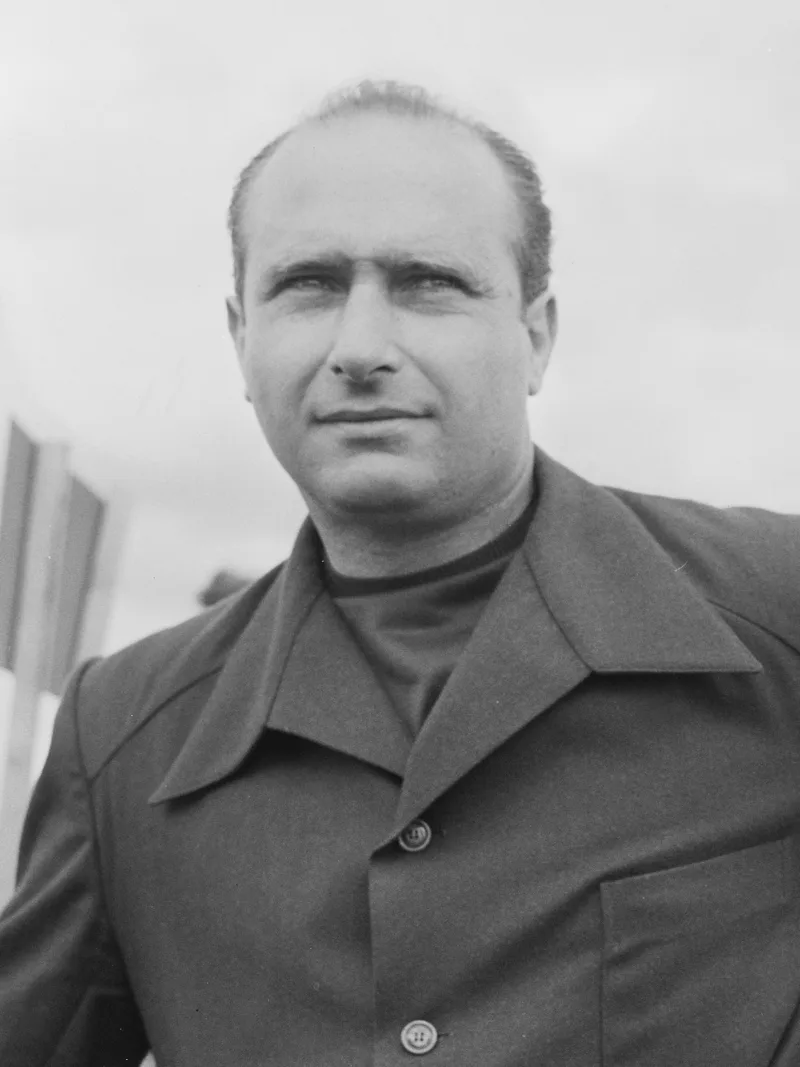
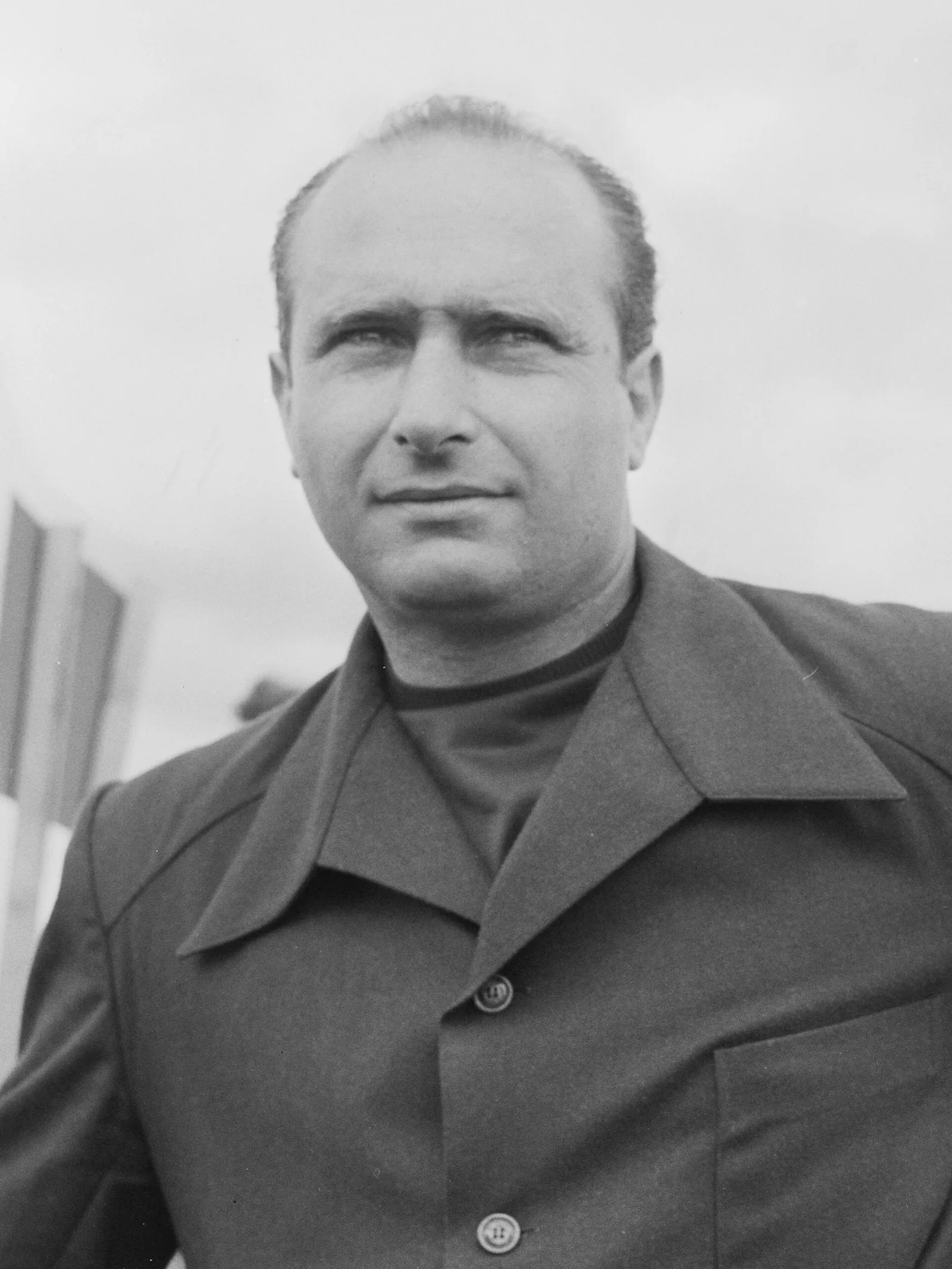
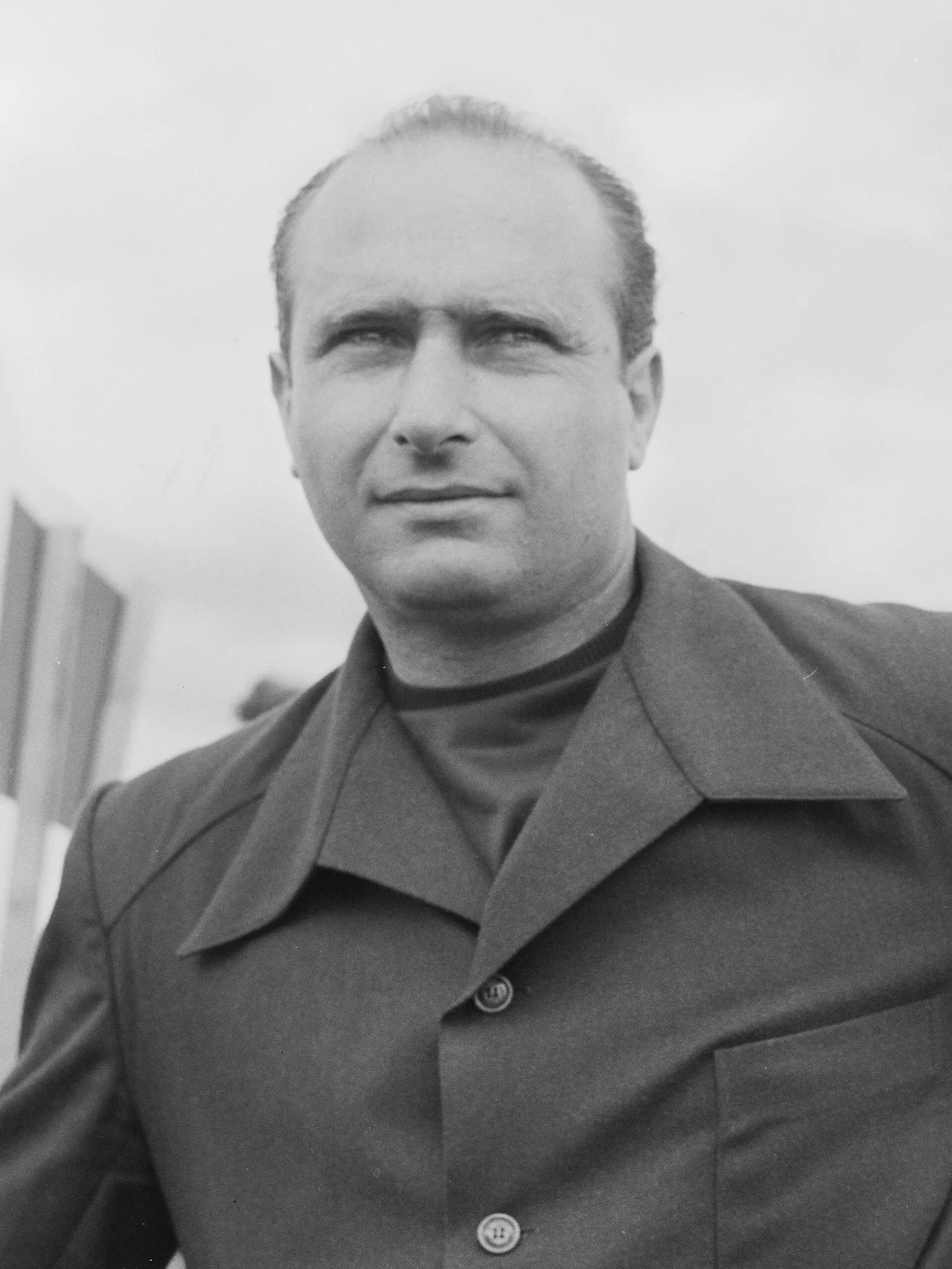
Juan Manuel Fangio won the 1956 Formula One World Championship with Ferrari, his third title in a row and fourth overall. The championship was contested over eight races from 22 January to 2 September, with Moss and Collins his closest rivals.
In 1956 the FIA Formula One calendar reached its tenth year, and the World Championship of Drivers ran for the seventh time. It was a year of team changes and cancelled races, and it ended with Juan Manuel Fangio winning the title in a Ferrari after leaving the withdrawn Mercedes team.
Why did Fangio change teams for 1956?
Mercedes had withdrawn from all motorsport after the 1955 Le Mans disaster, so Fangio, the reigning champion, moved to Scuderia Ferrari. Ferrari had taken over the assets of Lancia, and Fangio would go on to win the title in the Lancia D50.
Ferrari's squad was completed by Eugenio Castellotti, Luigi Musso and Peter Collins, with Musso and Collins coming across from Maserati. Stirling Moss, who had been Fangio's Mercedes teammate in 1955, joined Maserati and became the main rival to both Ferrari drivers.
Maurice Trintignant moved from Ferrari to Vanwall to replace Ken Wharton. Paco Godia joined Maserati from the Belgian race, and Alfonso de Portago joined Ferrari from the French race. Colin Chapman made his Formula One debut with Vanwall in France, but he crashed into his team leader in practice and never started. He would later become a legendary race engineer.
BRM used its own chassis for the first time since 1951 at the British Grand Prix, and Tony Brooks made his championship debut in the car.
Eight races, five wins for Ferrari, and a title settled by a rival handing over his car at Monza.
How did the calendar change in 1956?
The Swiss Grand Prix was removed after the Swiss Government banned motor racing following the 1955 Le Mans disaster. The French and German races returned after being cancelled in 1955, while the Dutch and Spanish rounds fell victim to the Suez Crisis. The British race moved from Aintree to Silverstone.
The Dutch race had been pencilled in for 17 June and the Spanish race for 28 October, and both were lost. The British round moved to Silverstone under an event-sharing arrangement with Aintree, which kept the calendar at eight championship rounds.
What happened in Argentina and Monaco?
Fangio won the Argentine opener after Moss's engine failed on lap 70, earning half points for the shared drive. At Monaco, Moss won again while Fangio fought back from a spin to within six seconds of the lead. The Argentine field of thirteen cars was entirely Italian.
Fangio qualified on pole for Argentina, ahead of Castellotti and Musso on the front row. Carlos Menditeguy took the early lead, then spun out. Fangio's fuel pump broke on lap 21, and Musso was called in to hand over his car, but Fangio spun and was almost lapped. He recovered to second and took the lead when Moss's engine failed. Behra and Hawthorn finished behind him.
Monaco came four months later, with Vanwall, BRM and Gordini among the entrants. Fangio took pole ahead of Moss and Castellotti, but he spun and faced the wrong way. In avoiding him, Musso and Harry Schell both crashed out. Fangio bent a rear wheel against a wall, and Collins gave up his second place and his car so that Fangio could continue. Moss took his second career win, and Behra finished third, a lap down.
What happened at Indianapolis and in the early standings?
The Indianapolis 500 counted towards the championship, but no active Formula One drivers attended the race and Pat Flaherty won it. After two rounds Jean Behra led with 10 points, ahead of Fangio on 9 and Moss and Flaherty on 8.
Former champion Nino Farina attended the Indianapolis race but failed to qualify, so the round was decided by drivers who were not part of the European grid battle.
How did Belgium and France play out?
Peter Collins won in Belgium after the Fangio car stopped at the far end of the circuit, with Paul Frere and Moss behind him. In France Collins won again from an all-Ferrari front row, ahead of Castellotti and Behra.
In Belgium Fangio set a qualifying lap more than ten seconds under the lap record, then fell back at the start for the third time that year. Moss led, but his left rear wheel came off, and Castellotti retired with a broken transmission. On lap 24 the leader's Ferrari halted at the far end of the circuit, so Collins won and Moss took over a teammate's car to finish more than a lap down.
Fangio took his fourth successive pole in France, with Castellotti and Collins beside him. Harry Schell took over a teammate's car, set a new lap record and passed Collins and Castellotti in one move, but his race ended with technical problems. Fangio pitted with a split fuel line on lap 40, and Collins won.
How did Britain and Germany end?
Fangio won the British Grand Prix at Silverstone after Moss's engine lost power, with Collins second and Behra third. In Germany, Fangio also won, with Moss second and Behra third, after Collins was overcome by fumes from a leaking fuel line.
The British front row was Moss, Fangio, Hawthorn in a BRM and Collins. Hawthorn led at the start with his BRM teammate Brooks alongside, but Fangio spun on lap six and fell to fifth. Both BRMs retired, as did Salvadori and Collins, and Fangio closed in when Moss pitted for oil and then again when Moss's engine lost power.
No British teams entered the German race, so the field was made up of Ferrari and Maserati with a few French Gordinis at the back. Fangio took pole, three tenths ahead of Collins, and the leading trio broke the lap record set in 1939. Collins pitted barely conscious after a leaking fuel line sent fumes into the cockpit, and he later spun off the track.
How was the title decided at Monza?
Fangio retired at Monza, then took over Collins's car and finished second, six seconds behind Moss. That result gave him 30 points and the championship, as Collins could only have won the title by winning and holding Fangio to three points or fewer.
Collins arrived at Monza eight points behind Fangio. A win for Collins and a result of three points or fewer for Fangio would have produced a tie on 30 points, which Collins would have won on countback. Wolfgang von Trips made his Ferrari debut earlier in the weekend and crashed in practice at around 130 mph (210 km/h). He was thrown clear and came out with minor injuries, while the car was badly wrecked.
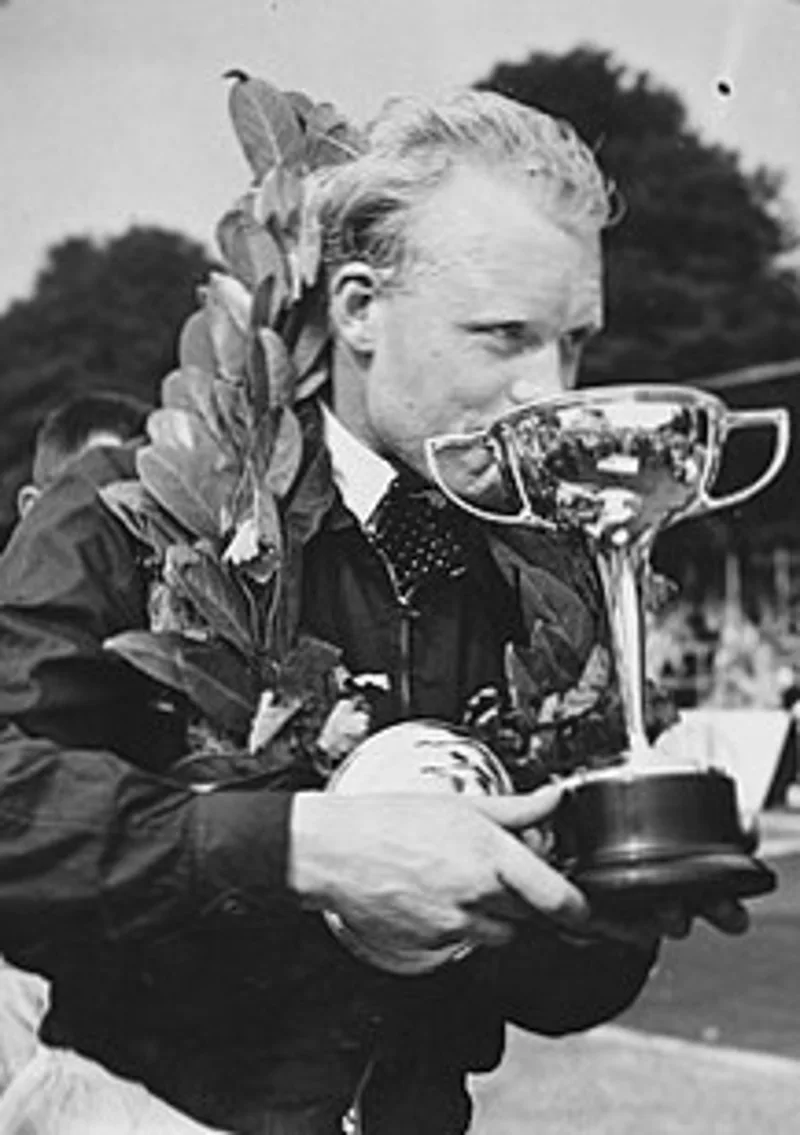
Fangio took his sixth pole of the year, ahead of Castellotti and Musso. Harry Schell's Vanwall passed Fangio early on, and Castellotti had a puncture on lap 10 and crashed on the steep Monza banking. Fangio's right front suspension later broke and he retired. Collins handed Fangio his car after a tyre stop, a gesture of great sportsmanship. Moss won, and Ron Flockhart took third in a Connaught.
How did the final standings look?
Fangio finished the season with 30 points, Moss second on 27 and Collins third on 25. Each driver's five best scores were the only ones kept, and the title was Fangio's fourth overall, a record that would stand until Michael Schumacher in 2002.
Who won each round in 1956?
Ferrari took five of the eight race wins, with Fangio winning three and Collins two. Moss won twice for Maserati, and Pat Flaherty took the Indianapolis 500. The table lists each round in order.
| Round | Race | Winner | Team | Note |
|---|---|---|---|---|
| 1 | Argentina (22 January) | Juan Manuel Fangio | Ferrari | Half points for the shared drive |
| 2 | Monaco | Stirling Moss | Maserati | Fangio within six seconds of the lead |
| 3 | Indianapolis 500 | Pat Flaherty | Not a Formula One entry | No active Formula One drivers attended |
| 4 | Belgium | Peter Collins | Ferrari | Fangio's car stopped on lap 24 |
| 5 | France | Peter Collins | Ferrari | Second win in a row |
| 6 | Britain (Silverstone) | Juan Manuel Fangio | Ferrari | Both BRMs retired |
| 7 | Germany | Juan Manuel Fangio | Ferrari | No British teams entered |
| 8 | Italy (Monza) | Stirling Moss | Maserati | Fangio second after taking Collins's car |