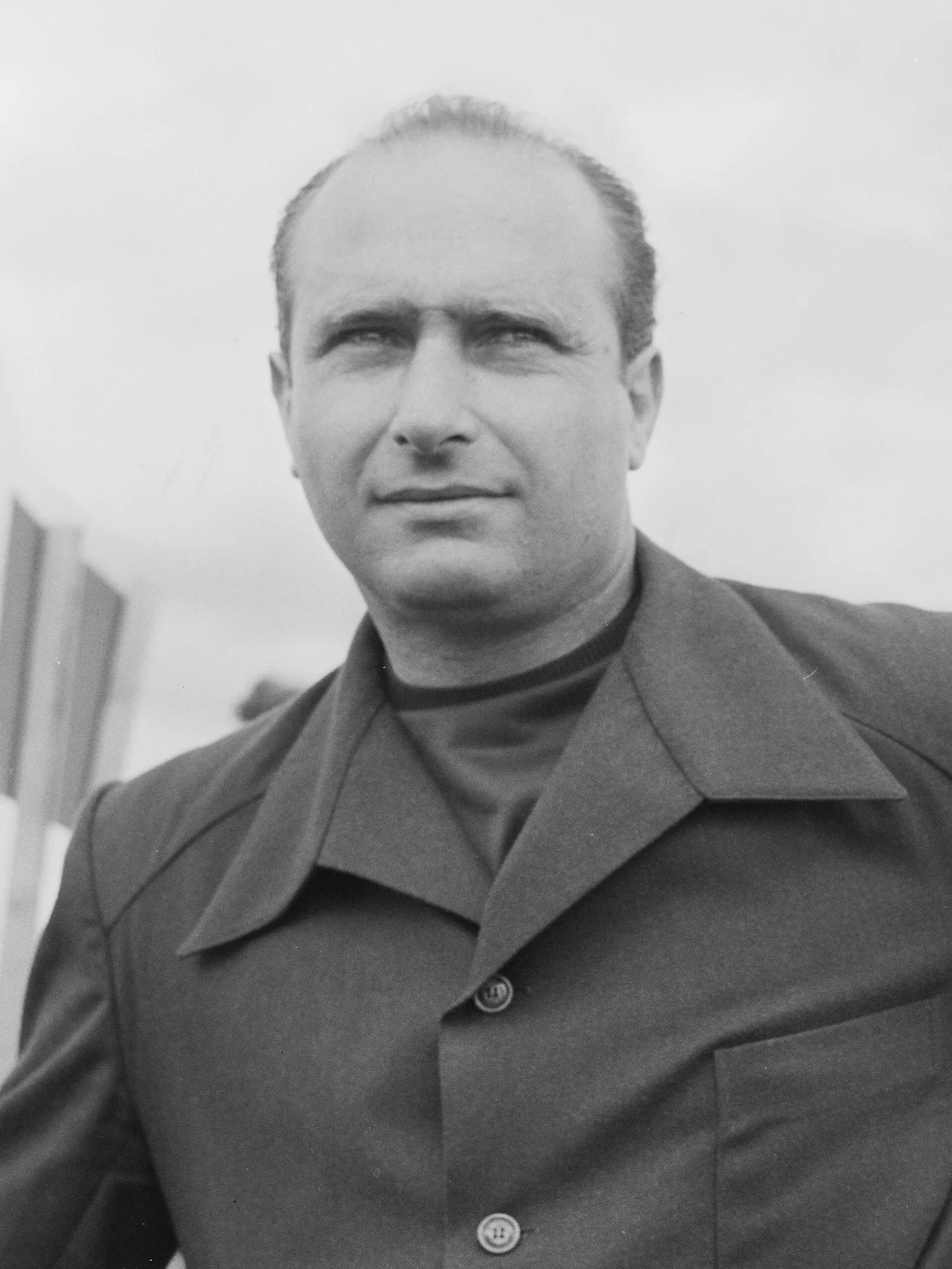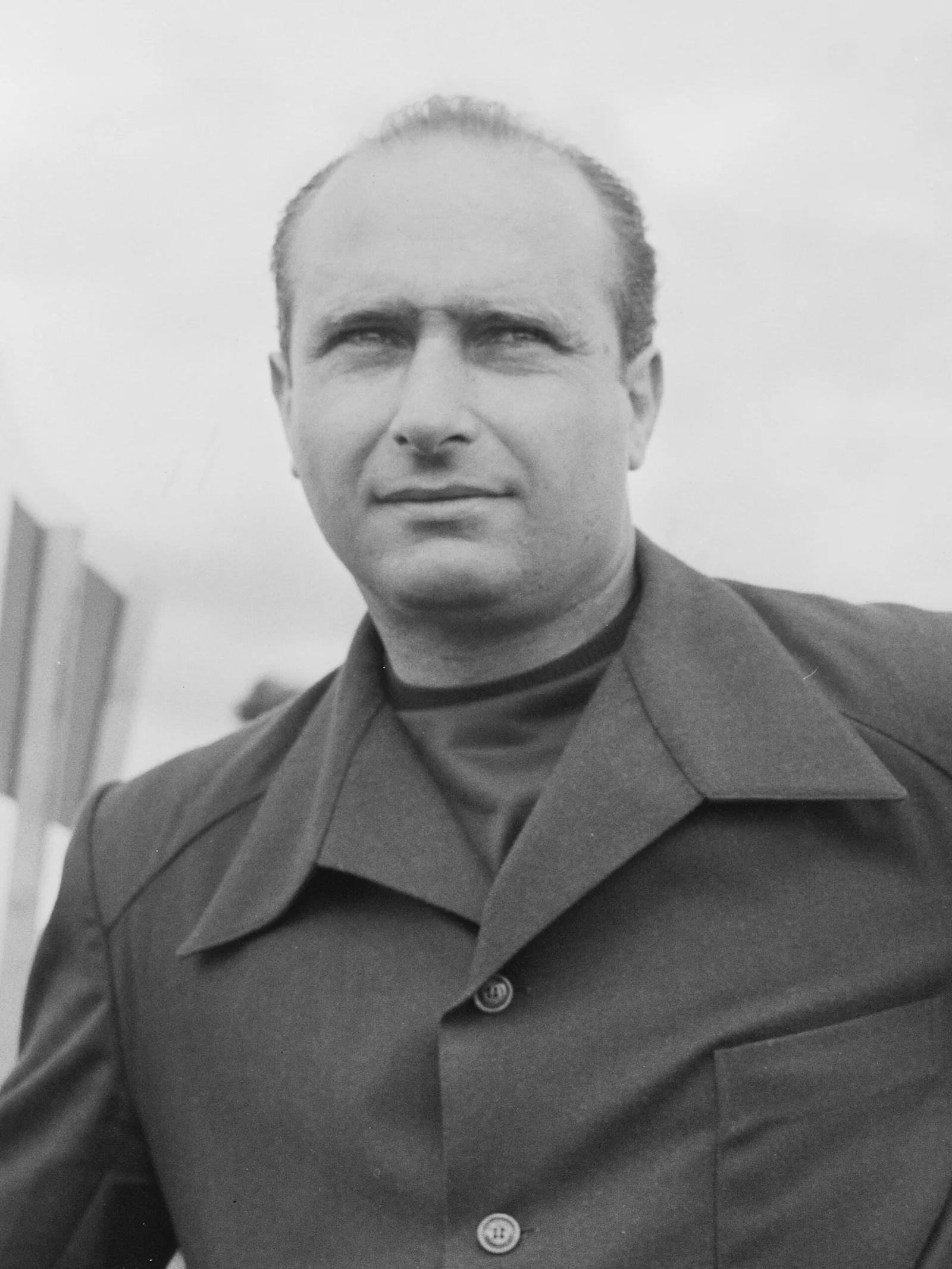
Fangio and Mercedes took the title in a seven-race season shaped by the Le Mans disaster, the death of Ascari and cancelled Grands Prix.
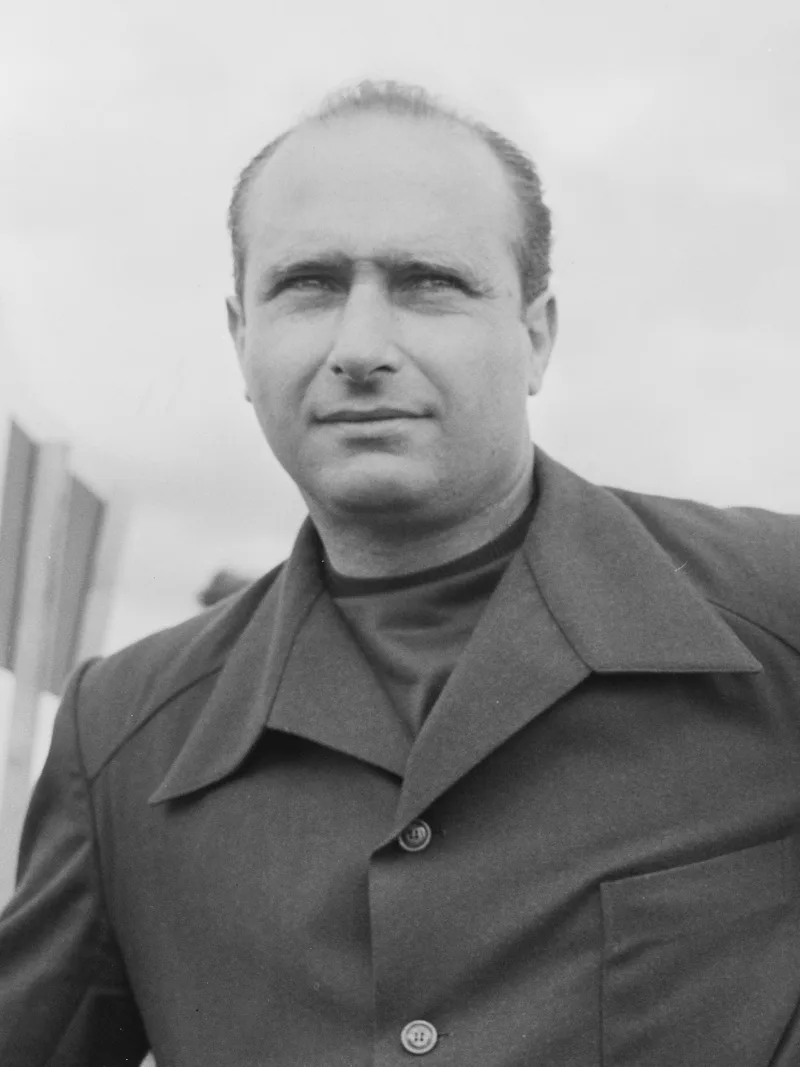
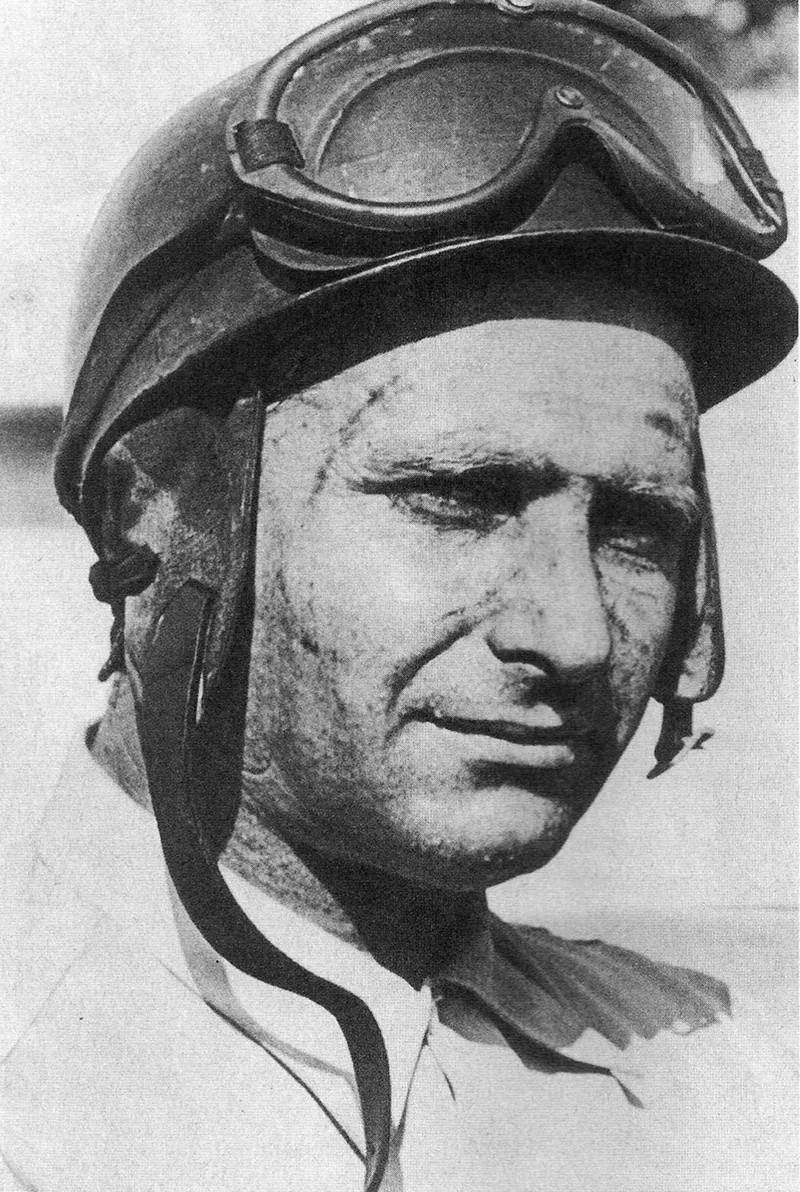
Mercedes driver Juan Manuel Fangio took the 1955 crown on 40 points, his third title overall. A seven-race season, shadowed by the Le Mans disaster and the death of Alberto Ascari, ended with Fangio clear of Stirling Moss.
The 1955 Formula One season was the ninth season of FIA Formula One motor racing, and it was short, sad and decided early. Juan Manuel Fangio of Mercedes won his second consecutive title, his third overall, from a championship of only seven races.
Who won the 1955 Formula One season?
Juan Manuel Fangio won the 1955 World Championship of Drivers for Mercedes, his second title in a row and his third overall. Stirling Moss was his main rival, and Fangio finished on 40 points to Moss's 23 in the final standings.
The season was contested over seven races between 16 January and 11 September, and it was the last championship won by a Mercedes driver until Lewis Hamilton in 2014. Fangio's success was built on consistency, with wins in Argentina and the Netherlands, and a one-two with Taruffi in Italy.
Fangio had moved to Mercedes during the 1954 season, and by 1955 the team was the strongest force in the sport. The 300 SLR sports car was also being prepared at the same time, and Mercedes used the Argentine summer to test an enlarged fuel-pump version of its Formula One engine for that car.
| Driver | Final points | Notable result |
|---|---|---|
| Juan Manuel Fangio (Mercedes) | 40 | Champion; won in Argentina and the Netherlands |
| Stirling Moss (Mercedes) | 23 | Won the British Grand Prix from his first career pole |
| Eugenio Castellotti | 12 | First career pole in Belgium; third at Monza |
A seven-race season that Fangio and Mercedes controlled, shadowed by the deaths of Ascari and the Le Mans crowd.
How did the season's tragedies shape the calendar?
The season was overshadowed by deaths. Pierre Levegh crashed into the crowd at the 24 Hours of Le Mans on 11 June 1955, killing 83 spectators. Four Grands Prix were then cancelled, and the rest of the calendar was reduced to a handful of races.
Double World Champion Alberto Ascari was killed while testing a Ferrari 750 Monza at Monza, four days after the Monaco Grand Prix. Earlier in the year, Manny Ayulo and Bill Vukovich died at the Indianapolis 500, and Mario Alborghetti was killed at the non-championship Pau Grand Prix.
The French Grand Prix was first postponed from 3 July to 25 September, then cancelled altogether, along with the German, Swiss and Spanish rounds. Pedralbes and Bremgarten were never used for racing again. Motor racing on circuits was banned in Switzerland until the 2018 Zurich ePrix.
Which teams and drivers changed in 1955?
Stirling Moss moved from Maserati to Mercedes, as Fangio had done during the 1954 season. Maserati hired Jean Behra from Gordini, while Vanwall hired Mike Hawthorn from Ferrari, leaving Peter Collins to move to Owen Racing Organisation, later BRM.
Lancia debuted at the end of 1954 and entered 1955 with full-time ambitions, hiring Ascari, Luigi Villoresi and Eugenio Castellotti. After Ascari's death and serious financial trouble, Lancia halted operations and handed its assets to Enzo Ferrari, who brought Hawthorn back to drive. Lancia had been left with two cars and just one driver.
Other changes were forced by accidents. Sergio Mantovani lost a leg in practice for the Valentino Grand Prix, and Cesare Perdisa took his seat and finished third on debut. Elie Bayol suffered a fractured skull and broken vertebrae in a crash at Le Mans practice, and Gordini hired Hermano da Silva Ramos in his place.
How did the early races unfold?
The championship opened on 16 January with the Argentine Grand Prix, held in temperatures of 52 degrees C (126 F). Jose Froilan Gonzalez started from pole for Ferrari, and Ascari and Fangio sat alongside him on the front row, but the race quickly became a test of endurance.
Ascari crashed out alone on lap 21, leaving Gonzalez in the lead. Gonzalez was exhausted, so he handed his car to Nino Farina, while Moss retired with a vapour lock. Fangio was the only classified driver who had not switched cars, and he won, with two Ferraris behind him on the podium.
Monaco returned to the calendar on 22 May after its last run in 1952, and it was given the honorary title of European Grand Prix. A new qualifying rule meant only the first practice times on Thursday counted for the front row, and the drivers disliked it.
The Indianapolis 500 was included in the championship, but no Formula One drivers attended it, and Bob Sweikert won the race. In the Drivers' standings Trintignant led after Monaco, with Fangio on 10 points and Sweikert on 8, although Sweikert did not take part in any other round.
Fangio set the fastest time and then retired with a broken transmission at half-distance, while Moss's engine blew on lap 81. Ascari took the lead but crashed into the harbour, and Maurice Trintignant won for Ferrari, the first win of his career.
How did Mercedes dominate the middle races?
Mercedes took control in the middle of the year. In Belgium, Castellotti took his first career pole, but The two Mercedes drivers soon grabbed the lead and pulled away. Castellotti was out on lap 16, and Farina finished third for Ferrari.
The Dutch Grand Prix took place on 19 June, after the Le Mans disaster, and Mercedes locked out the first three places on the grid. Fangio and Moss scored a one-two, a minute ahead of Musso, and it was the first race since 1950 in which no Ferrari-engined car stood on the podium.
At the British Grand Prix, Moss took his first career pole in front of his home crowd. Fangio had the better start, but Moss regained the lead on lap 3, with a car set up for better acceleration out of the corners and a lower top speed. He pulled ten seconds clear and set a new lap record, but he hesitated on the last lap, leaving Fangio two tenths behind. Mercedes took the top four places.
Why did the title race end at Monza?
The Italian Grand Prix was run at Monza on a 10 km (6.2 mi) layout with a new steep banking. Farina crashed in practice when his tyre came apart in the banking, and Fangio, Moss and Kling again lined up at the front for Mercedes.
Taruffi went from ninth to fourth, repeating the team's procession from the previous race. Moss pitted on lap 19 for a new windscreen and retired on lap 28 when the engine stopped. Kling's transmission gave out, but Fangio and Taruffi finished the race untroubled, giving Mercedes a one-two ahead of Castellotti for Ferrari.
Fangio's 40 points made the title safe. He had led the standings with 33 points after Britain, while Moss was second on 22. With the German, Swiss, French and Spanish rounds cancelled, the title was effectively handed to Fangio before the end of the year.
What happened to Mercedes after 1955?
Mercedes withdrew from Formula One after the 1955 season, which made the year their last championship campaign for a long time. The team returned much later, and its next win came only after a long wait.
The season also set a record. Tied with the inaugural 1950 season, it had the fewest World Championship races held in a year for Grand Prix cars, with only seven rounds completed.