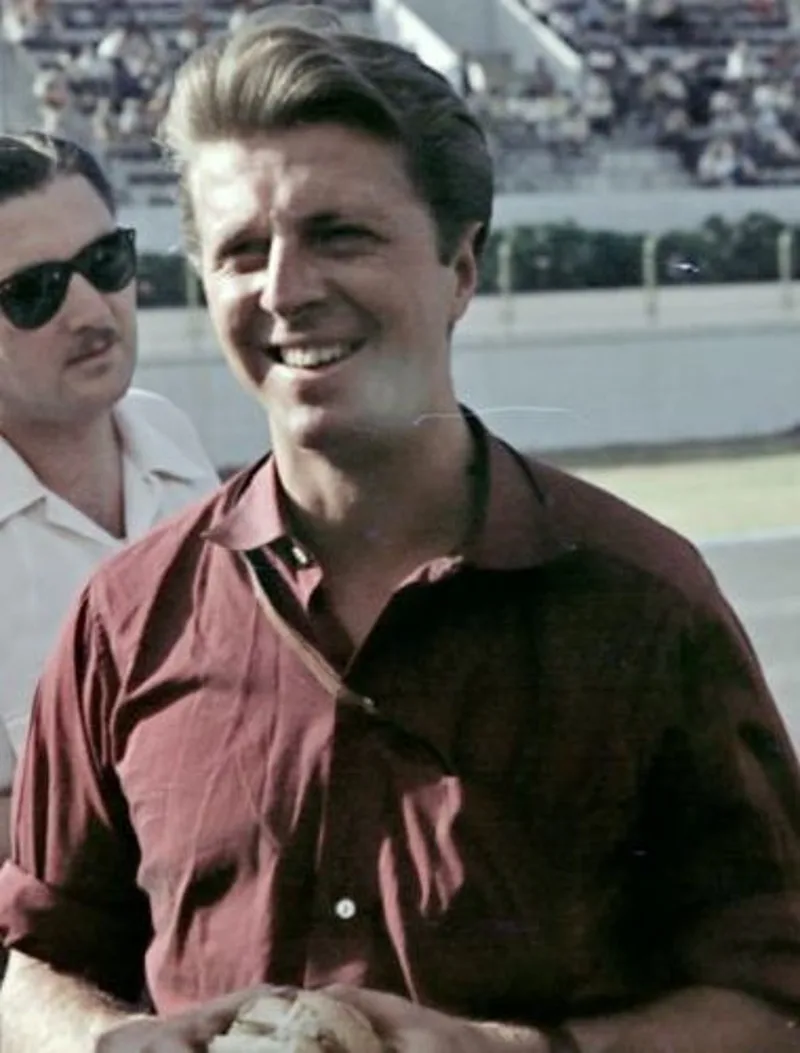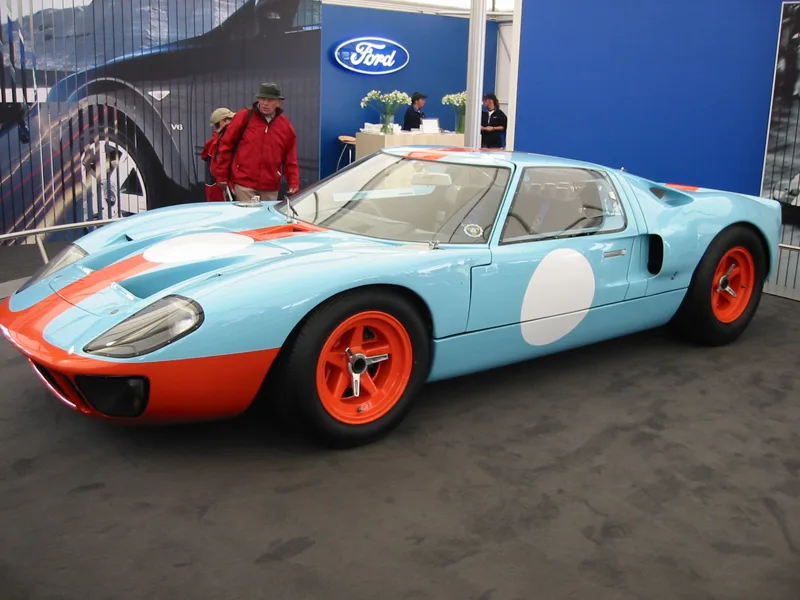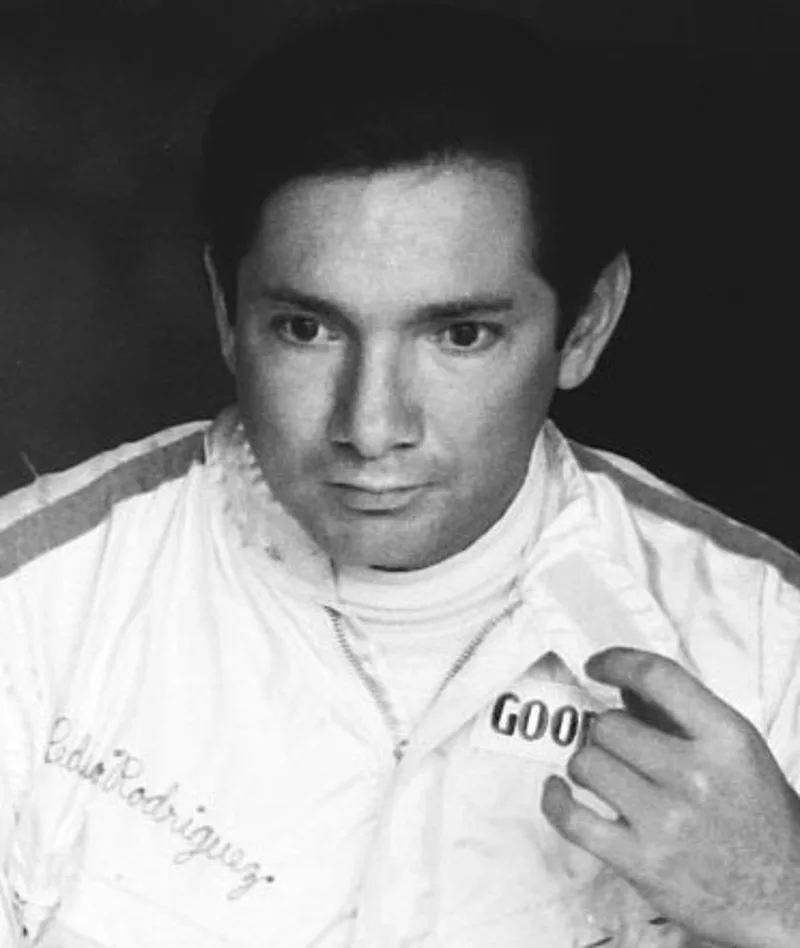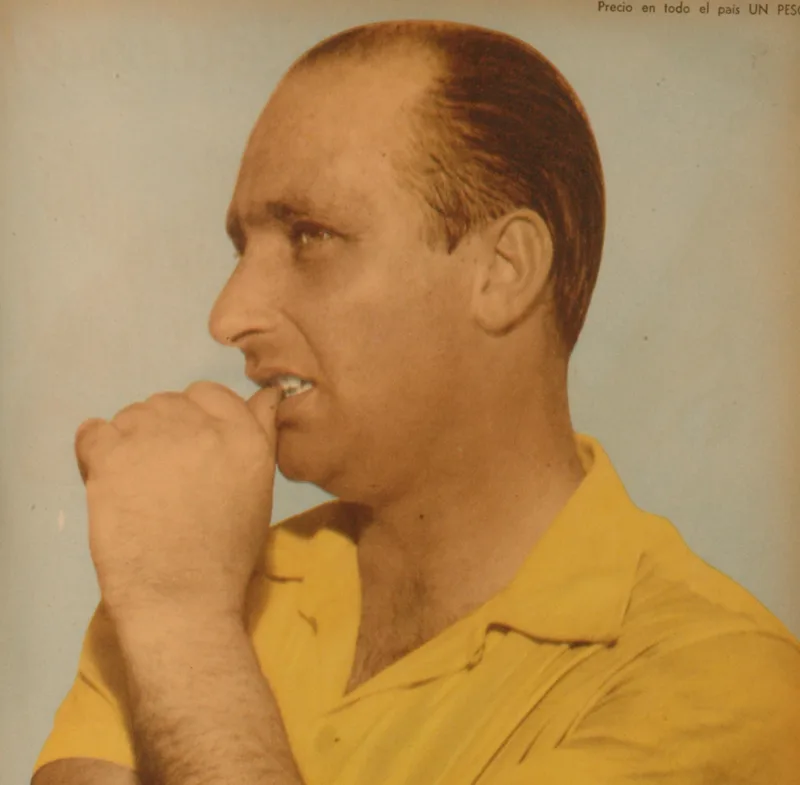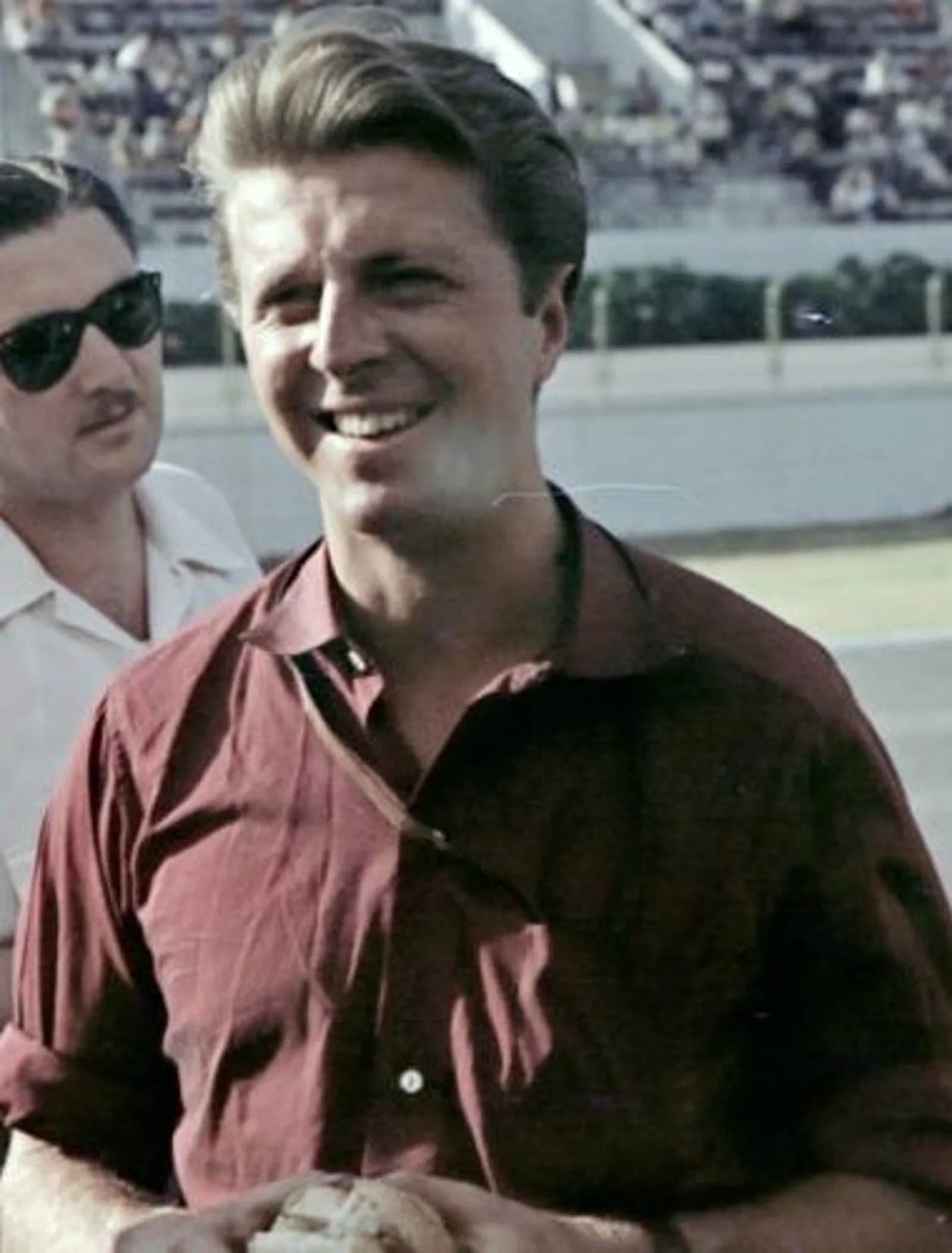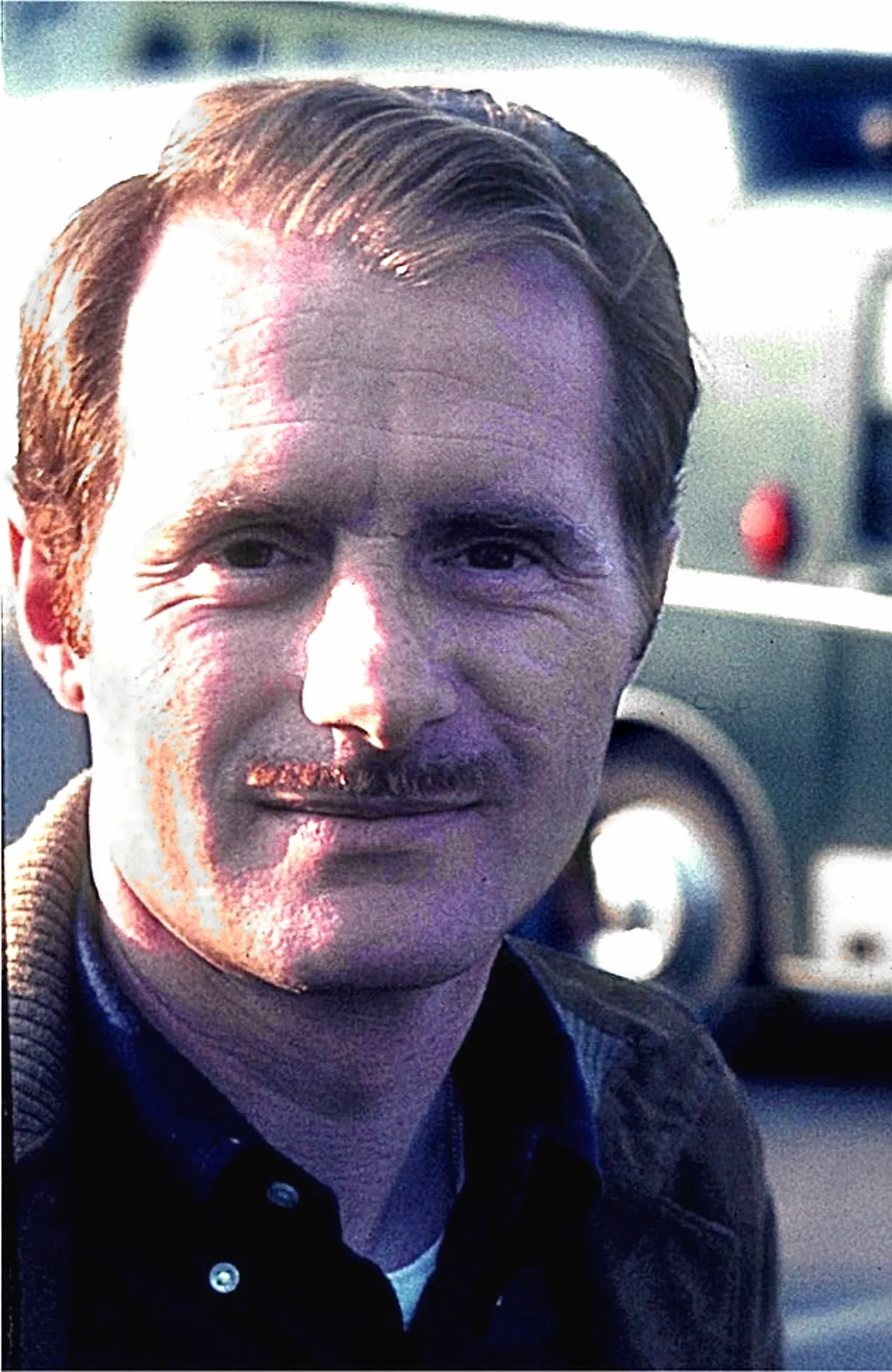
A father-and-son win in 1950, a Ferrari triumph in the rain, four victories for a Belgian gentleman and a Ford GT40 success in 1968.
Louis Rosier won Le Mans in 1950 with his son Jean-Louis, Maurice Trintignant won in 1954 in a Ferrari, Olivier Gendebien won four times between 1958 and 1962, and Lucien Bianchi won in 1968 in a Ford GT40. Rosier and Trintignant were French; Gendebien and Bianchi were Belgian.
In 1950 Louis Rosier won the 24 Hours of Le Mans in a privately entered Talbot-Lago, sharing the car with his son Jean-Louis. The son drove only two laps. It remains the only father-and-son victory in the history of the race. Rosier is one of four French and Belgian drivers, with Maurice Trintignant, Olivier Gendebien and Lucien Bianchi, whose careers include a Le Mans win, and each of them reached the top step by a different road.
Who were the French and Belgian winners of Le Mans?
Olivier Gendebien, Lucien Bianchi, Louis Rosier and Maurice Trintignant were French and Belgian drivers who won the 24 Hours of Le Mans. Rosier won in 1950, Trintignant in 1954, Gendebien four times between 1958 and 1962, and Bianchi in 1968. Gendebien was Belgian, Bianchi was an Italian-born Belgian, and Rosier and Trintignant were French.
All four also raced in Formula One. Together they covered the span from the early post-war years to the end of the 1960s, in cars from Talbot-Lago and Ferrari to the Ford GT40.
It remains the only father-and-son victory in the history of Le Mans.
How did Louis Rosier win Le Mans in 1950?
Louis Claude Rosier was born on 5 November 1905 at Chapdes-Beaufort in the Puy-de-Dome. He was a driver and a motorsport executive, and he owned the Renault dealership in Clermont-Ferrand, one of the largest in France, which also sold industrial and farming equipment. He entered Le Mans nine times between 1938 and 1956.
In 1950 he won in a blue Talbot-Lago T26C-GS entered privately. His son Jean-Louis drove just two laps, so Rosier won the race almost single-handedly. The Rosiers finished one lap ahead of Pierre Meyrat in a car of the same make, covering 256 laps and 2,163 miles (3,481 km).
What else did Rosier achieve in racing?
Rosier competed in Formula One from 1950 to 1956 under his own Ecurie Rosier banner, entering Talbot-Lago, Ferrari and Maserati cars, and also drove for the works teams of Talbot and Maserati. He scored back-to-back podiums at the 1950 Swiss and Belgian Grands Prix. In 38 World Championship races, starting with his debut on 13 May 1950, he took two podiums and 18 points. A 2016 academic study that modelled the influence of driver and machine ranked him the 19th best Formula One driver of all time.
Before the championship existed he had already been near the front. In October 1948 he finished fourth at Silverstone in the RAC International Grand Prix, the first grand prix in England since 1927. The next year he took third in the British Grand Prix in a 4.5 litre unsupercharged Talbot-Lago, a lap behind the winner, and in June 1949 he won an International Grand Prix at Spa-Francorchamps, a 500 km event over 32 laps, ahead of Luigi Villoresi. Later highlights included the Grand Prix d'Albi in a Ferrari in May 1953, fourth in a Maserati at Aintree in April 1956 behind Stirling Moss, and fifth in the 1956 German Grand Prix.
Ecurie Rosier began as a vehicle for Rosier's own Talbot-Lago T26 and grew into a team running 250F Maseratis and Ferrari 500s. During the 1950s it provided Formula One drives for Henri Louveau, Georges Grignard, Louis Chiron, Maurice Trintignant, Andre Simon and Robert Manzon.
What did Rosier build off the track?
Rosier was one of the key sponsors of the Charade track outside Clermont-Ferrand. After the war he and Jean Auchatraire, president of the local automobile club's racing section, promoted the idea of a circuit on a hilly site just outside the city. The Le Mans disaster of 11 June 1955, in which 84 people died, halted the project while safety rules changed, but the idea of a mountain race track moved forward. Rosier did not live to see it opened. The circuit welcomed its first events on 27 July 1958 as the Circuit de Charade Louis Rosier.
He also built cars. In 1951 he designed a prototype based on the Renault 4CV, and in 1953 he and the Italian coachbuilder Rocco Motto created a cabriolet on 4CV parts, which Brissonneau built in a quantity of about 200. A later roadster used Renault Fregate elements and an aluminium body, with a lightened, revised engine: 950 kg for 80 hp.
On 7 October 1956, in the Coupe du Salon sports car race at Montlhery, Rosier crashed his Ferrari 750 Monza and suffered head injuries. He died in October 1956 from them.
How did Maurice Trintignant win Le Mans in 1954?
Maurice Bienvenu Jean Paul Trintignant was born on 30 October 1917. He was a French driver and later a winemaker who competed in Formula One from 1950 to 1964. At Le Mans in 1954 he and the Argentine Jose Froilan Gonzalez won in a Ferrari 375 Plus. It was no easy win: faulty ignition wiring, the result of torrential rain, forced a seven-minute pit stop with an hour and a half to go. He entered the race 15 times between 1950 and 1965 and was runner-up in 1959.
Why was Trintignant called the rat-droppings man?
He started racing in 1938 and won the 1939 Grand Prix des Frontieres, but the war interrupted his career, and his Bugatti sat in a barn. When he rebuilt it for the Coupe de la Liberation in 1945, he missed a clogged fuel filter and dropped out. It turned out to be plugged with rat droppings, which gave him a nickname from the celebrated racer Jean-Pierre Wimille: Le Petoulet, the rat-droppings man. He later gave that name to his wine.
How did Trintignant survive his 1948 crash?
In 1948, during a support race for the Swiss Grand Prix, Trintignant was thrown into the air and landed in the middle of the track. At the hospital his heart stopped for one minute and 15 seconds and he was pronounced dead. He survived, however, and woke from a week-long coma. A strange scar across his abdomen remained, because the surgeon had stitched a large wound at an irregular pace while his heart was stopped. For six months he suffered amnesia and a loss of motor skills, but he made a near-complete recovery. The corner where he crashed was later named after him.
His wife gave him a teddy bear while he recovered, and from then on he carried it in his pocket in every race. Racing resumed for him in 1949, with a win in a Formula Two event at the Circuit des Remparts.
What did Trintignant win in Formula One?
By 1950 he had a works drive with Gordini in the new Formula One World Championship, and he raced every year until he retired after 1964. He won two Grands Prix, both at Monaco, in 1955 and 1958. Both victories came from some way down the grid: he started the first from ninth and the second from fifth. He finished fourth in the drivers' championship in both 1954 and 1955 with Ferrari, and he drove 11 different makes of car in F1, a record.
Known as a conservative and reliable driver, he drove for works teams and privateers. At the 1955 Argentine Grand Prix, because Scuderia Ferrari passed cars to its top drivers when their own broke down, he shared both second and third places. The Bugatti Type 251 he drove in the 1956 French Grand Prix made him the last driver to carry that famous marque's colours at a grand prix. Even in his final season, in his own BRM P57, he scored points with fifth place at the 1964 German Grand Prix on the Nurburgring. Between 1959 and 1966 nobody had started more World Championship Grands Prix.
He retired to a quiet life as a wine grower near Vergeze in the Languedoc-Roussillon region, naming his vintage Le Petoulet. He was awarded the Legion d'Honneur in 1960, served as mayor of Vergeze from 1958 to 1964, and in 2000 was reunited at the Historic Grand Prix of Monaco with the Cooper T45 he had driven to victory there in 1958. His nephew Jean-Louis was a successful actor. Trintignant died in 2005, aged 87, and in 2010 a bronze statue of a Bugatti Type 51 was unveiled in Sainte-Cecile-les-Vignes in his honour.
Who was Olivier Gendebien?
Olivier Jean Marie Fernand Gendebien was born in Brussels on 12 January 1924 and died on 2 October 1998. Many rank him among the greatest sportscar drivers there have been. He won Le Mans four times with Ferrari, and he took three victories each in the 12 Hours of Sebring and the Targa Florio.
He started out as a forester in the Belgian Congo, and on returning to Europe in 1952 he began rallying, teaming up with Fraikin for the Liege-Rome-Liege in a Jaguar Mk VII. With Pierre Stasse he won the Tulip Rally in April 1954 in an Alfa Romeo 1900 TI. The partnership with Fraikin had earned the nickname the eternal bridesmaids for its many second places. In 1955 they won the Liege-Rome-Liege, the Coppa d'Oro delle Dolomiti and the Rally Stella Alpina in a Mercedes-Benz 300 SL.
That attracted the attention of Enzo Ferrari, who signed him in 1956 for sports cars and selected Grands Prix. Gendebien made his Formula One debut at the Argentine Grand Prix that year and stayed with Ferrari until he retired. Ferrari summed him up as a gentleman who always remembers that rank carries obligations, and who brings that code of conduct to his driving as elegant, discerning force.
How did Gendebien win Le Mans four times?
He first showed his endurance form in 1956, when he and Trintignant took third at Le Mans in a 2.5 litre Ferrari, seven laps behind the winning Ecurie Ecosse Jaguar of Ron Flockhart and Ninian Sanderson. In 1958 he partnered Phil Hill to win the race in a 3 litre Ferrari. They covered 2,511 miles at an average of 107 mph and secured the World Sportscar Championship for Ferrari. Hill became the first American to win the race, and theirs was the only factory car running at the end.
Gendebien won again in 1960, partnered by his fellow Belgian Paul Frere, and then in 1961 and 1962 with Hill. Ferrari drivers took the first three places in 1961, and the pair's average of 115.89 mph set a race record. The duo won Le Mans three times in total. Gendebien's four victories were a record until 1981, when the Belgian Jacky Ickx won his fifth.
Away from the Circuit de la Sarthe he won the Targa Florio in 1958, 1961 and 1962, Sebring in 1959, 1960 and 1961, the Reims 12 Hours in 1957 and 1958, and the 1000 km of the Nurburgring in 1962. He also won the Tour de France Automobile in 1957, 1958 and 1959, and the Tour of Sicily in 1957. Sebring honours him with a corner: turn 15, the last before the Ullman straight, carries his name. Asked for the secret of winning, he replied that the driver must take corners slightly faster than feels sensible.
How did Gendebien do in Formula One?
He made only 15 starts because he was usually Ferrari's spare driver. He still scored points in five races and finished one place outside the points in two others. His best results came in 1960 with the British Racing Partnership's Yeoman Credit Racing team: second in the French Grand Prix and third in the Belgian Grand Prix, in front of a home crowd. That day was bittersweet, since his teammate Chris Bristow was killed in the race. In October 1961 he walked away with slight injuries after his Lotus-Climax failed to negotiate a turn in practice at Watkins Glen and flipped; the impact tore off his shoes.
Why did Gendebien retire in 1962?
Gendebien was married with three children, and his wife pressured him to quit a sport in which more than two dozen of his competitors had died. In 1962, aged 38, he retired after his fourth Le Mans win. In April 1965 Marie-Claire died in a road accident, with their son Robert suffering minor injuries. Independently wealthy, and a keen skier, tennis player and horse rider, he ran a range of businesses for the rest of his life. In 1998 he received the Belgian Order of the Crown from King Albert II, and he died later that year at home in Les Baux-de-Provence, in southern France.
Who was Lucien Bianchi?
Luciano Bianchi, known as Lucien, was born in Milan on 10 November 1934 and died on 30 March 1969. He moved to Belgium in 1946 with his father, a race mechanic in Alfa Romeo's competition department before the Second World War, and raced as a Belgian. His brother Mauro also became a racing driver. They won the 1965 Nurburgring 500 km together, and Mauro won the P1.6 class at the 1967 Le Mans. His grandnephew Jules Bianchi made his Formula One debut with Marussia in 2013 and died in 2015, having never regained consciousness after a crash at the 2014 Japanese Grand Prix.
Lucien's first event was the 1951 Alpine Rally. Wins on the Tour de France Automobile came in three consecutive years from 1957, and he won the Paris 1000 sports car race in 1958 and 1959. In Formula One he began in 1959 with sporadic appearances for ENB in cars including a Cooper T51, a Lotus 18, an Emeryson and the ENB-Maserati, with a couple of races for UDT Laystall in 1961. A regular seat arrived in 1968 at Cooper-BRM, and in his first race for the team he finished third at Monaco, the best result of a Formula One record of 19 races and six points.
How did Bianchi win Le Mans in 1968?
Bianchi drove at Le Mans 13 times in a row from 1956 to 1968, winning his class three times. The overall victory came in 1968 in a Ford GT40 with Pedro Rodriguez, which was his biggest win. He also won Sebring in 1962 with Jo Bonnier. In 1968 he further won the Watkins Glen 6 Hours, the Mugello Grand Prix and the 9 Hours of Kyalami, and he was leading the London-Sydney Marathon in a Citroen DS when it collided with a non-competing car near Nowra, 100 km south of Sydney.
In 1969 he died when his Alfa Romeo T33 spun into a telegraph pole while testing for that year's Le Mans. Zolder remembers him: the fourth turn of the circuit, leading onto the back stretch, is called Lucien Bianchibocht.
How do the four winners compare?
| Driver | Nationality | Le Mans wins | Winning car | Co-driver |
|---|---|---|---|---|
| Louis Rosier | French | 1950 | Talbot-Lago T26C-GS | Jean-Louis Rosier |
| Maurice Trintignant | French | 1954 | Ferrari 375 Plus | Jose Froilan Gonzalez |
| Olivier Gendebien | Belgian | 1958, 1960, 1961, 1962 | Ferrari | Phil Hill (1958, 1961, 1962), Paul Frere (1960) |
| Lucien Bianchi | Belgian, born in Italy | 1968 | Ford GT40 | Pedro Rodriguez |
How were their careers linked?
Trintignant drove in Formula One for Rosier's team, and he was Gendebien's partner at Le Mans in 1956, where they took third. Rosier died after a crash at Montlhery. Bianchi won Sebring in 1962 with Jo Bonnier, in a race that Gendebien won in 1959, 1960 and 1961.
The marks they left are still visible: the Circuit de Charade Louis Rosier, the corner named after Trintignant on the track where he crashed in 1948, Sebring's turn 15 for Gendebien and the Lucien Bianchibocht at Zolder.