Fines, a rival championship, a drivers' strike and cars that ran underweight until they were refilled: how two organisations fought for control of the sport.
The FISA-FOCA war was an early-1980s battle for control of Formula One between the governing body FISA and the teams' association FOCA. It brought a rival championship, the 1981 Concorde Agreement, a drivers' strike in South Africa and a boycott of the 1982 San Marino Grand Prix.
Fourteen cars started the 1982 San Marino Grand Prix, and eight of them belonged to teams that had promised to stay away. The race came at the climax of a struggle between the sport's governing body and its teams, and it showed how close Formula One had come to splitting.
From fines and a rival championship to a drivers' strike and a weighing trick involving water tanks, the FISA-FOCA war shaped the Concorde Agreement that still binds the grid.
What was the FISA-FOCA war?
The FISA-FOCA war was the struggle for control of Formula One in the early 1980s, waged between the Federation Internationale du Sport Automobile (FISA), the FIA's autonomous sporting arm, and the Formula One Constructors' Association (FOCA), a body that worked like a union for the teams.
Three men stood at the centre. Jean-Marie Balestre was FISA's president. Bernie Ecclestone led FOCA and owned the Brabham team. Max Mosley, who later became FIA president, was legal adviser to Brabham and to FOCA in general.
The roots of the dispute are tangled, and some are lost. The independent teams felt FISA tilted towards the big manufacturers, above all Ferrari, Renault and Alfa Romeo, and that this hurt their chances against better-funded rivals. They were unhappy about how race proceeds were shared. And in FOCA's opinion the technical rules bent according to who had broken them rather than what had been done.
Eight of the 14 cars that started at Imola in 1982 belonged to teams that had promised to boycott.
How did Bernie Ecclestone and FOCA take on FISA?
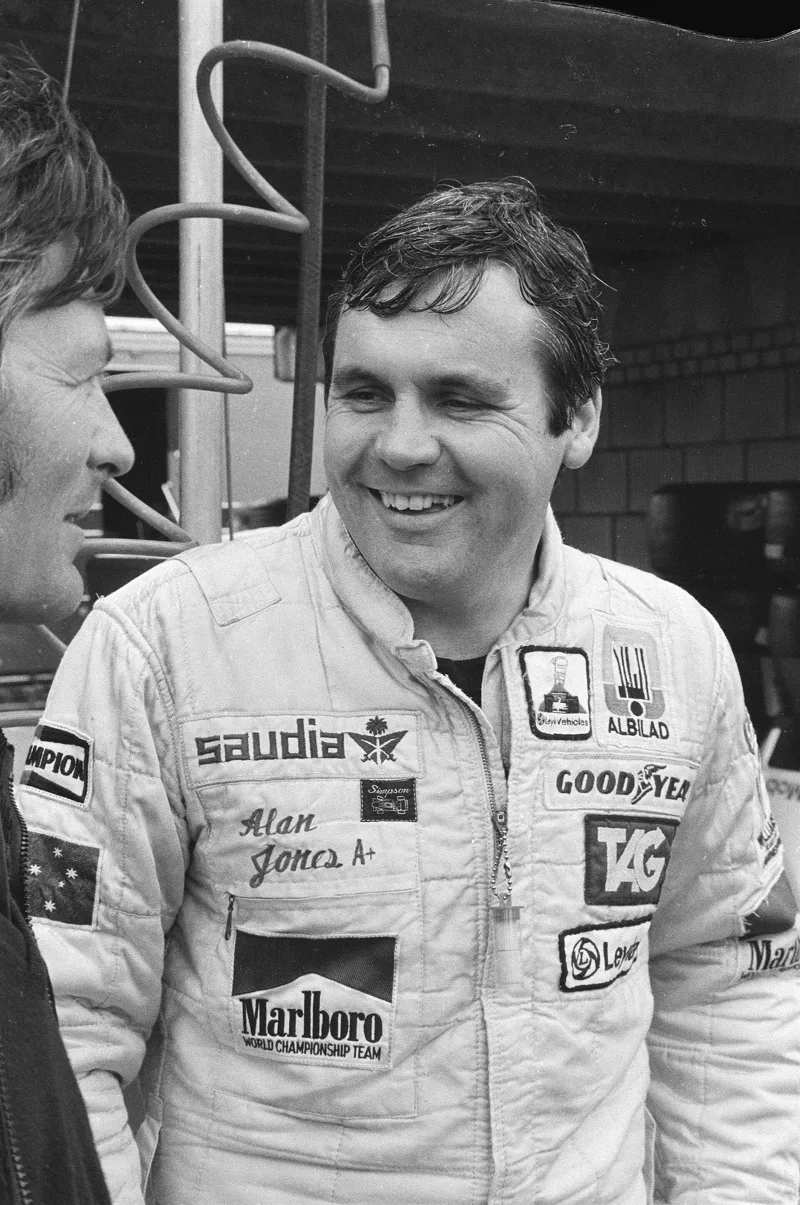
FOCA's first major confrontation with FISA came at the 1980 Spanish Grand Prix. FISA had fined most FOCA drivers for skipping driver briefings at the Belgian and Monaco rounds and threatened to revoke licences unless the fines were paid. The race went ahead anyway, after King Juan Carlos insisted, and without FISA's sanction or the factory teams, and it counted as a non-championship event. Alan Jones won in a Williams-Ford, on his way to the 1980 world title.
In November 1980 the teams went further with a short-lived World Federation of Motorsport. It issued its own rule book and a schedule for a rival World Professional Drivers Championship that ranged from South Africa and Long Beach to Las Vegas. The FOCA teams staged one race under the new banner, in South Africa in February 1981, and Carlos Reutemann won it in a Williams-Ford. But the big factory teams stayed away, fans stayed home, and the media barely noticed. The rival series was compromised from the start. A grudging settlement brought the FOCA teams back into the official series ahead of the opening race in March.
What is the Concorde Agreement?
The Concorde Agreement is the contract between the governing body and the teams that settled the first round of the FISA-FOCA fight. Agreed at the beginning of 1981, its first version ran until 1987, and it has been extended and heavily modified since.
FISA, which the FIA had created as an autonomous satellite to oversee international motorsport, agreed to share funds more equally, to provide arbitration and to set a timetable for technical regulation changes. The teams agreed to turn up to every championship race on pain of a financial penalty. That mattered, because teams had often skipped the far-flung races in South America, the Antipodes and North America to save money. They also agreed to accept the arbitration rulings, and the FOCA teams agreed to share travel costs equally among all teams scoring points in a season.
The deal had commercial consequences. Promoters could now guarantee that all 26 cars, the custom of the day, would appear at every race, which attracted more sponsorship and more money for every team, including the manufacturers who were not in FOCA. The ten teams in the 2019 championship were still covered by the agreement.
Water-cooled brakes and other tricks
By 1982 the FOCA teams had a power problem. Renault had brought turbocharged engines to Formula One in 1977, when they were heavy, unreliable and difficult to drive. By 1982 they were faster, more reliable and easier to use. Ferrari and, in 1983, Alfa Romeo joined Renault, and even Ecclestone's Brabham began using turbocharged BMW engines in 1982. The rest of the FOCA grid stayed with the Ford-Cosworth DFV, introduced in 1967 and now well short of the turbo cars' power. So the team bosses went hunting for loopholes.
The 1982 Brazilian Grand Prix produced the most famous one. The rules said a car had to be weighed with its coolants and lubricants on board, but not whether they needed to be there at the finish. The FOCA teams claimed that fluids could be topped up after the race, which was illegal in other FIA racing but not explicitly banned in Formula One. In Brazil their cars arrived with what they called water-cooled brakes and large water tanks. In practice the water was sprayed out in the first laps, so the cars ran most of the race well under the minimum weight, and then the tanks were refilled, after the race or during a late pit stop, before the scales.
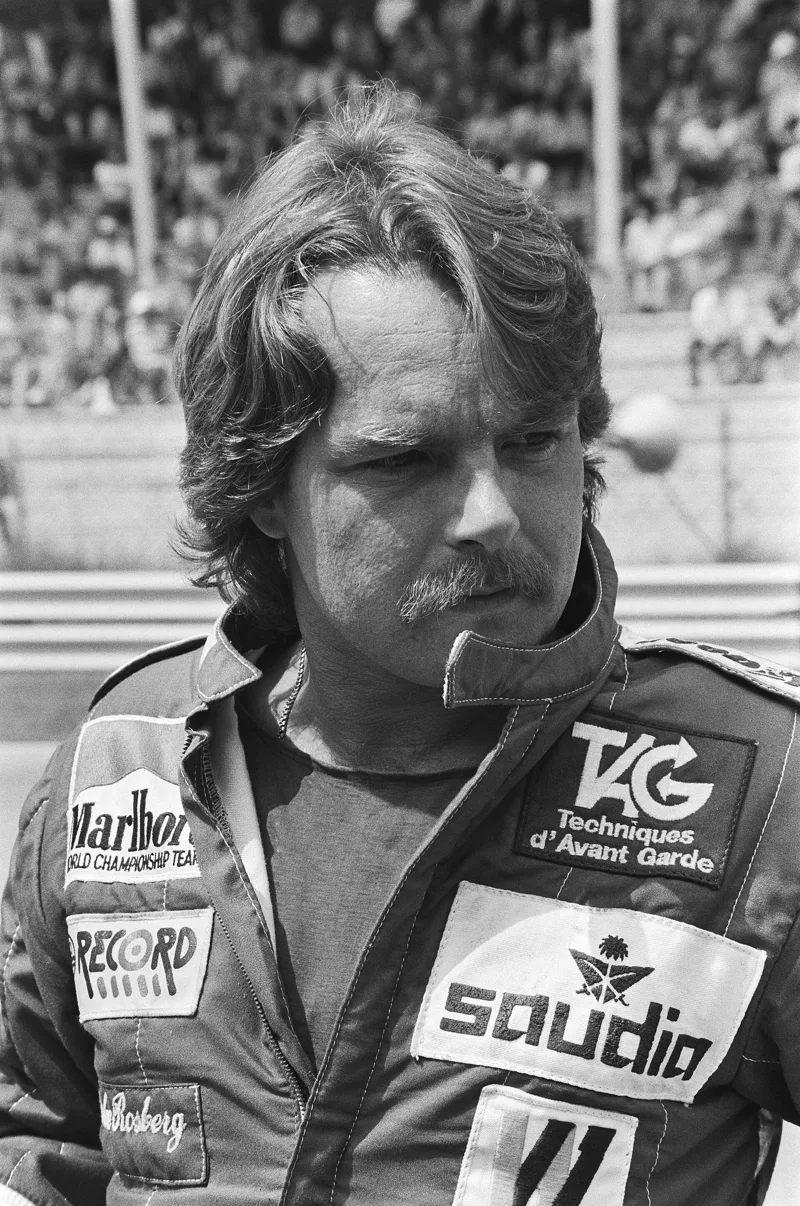
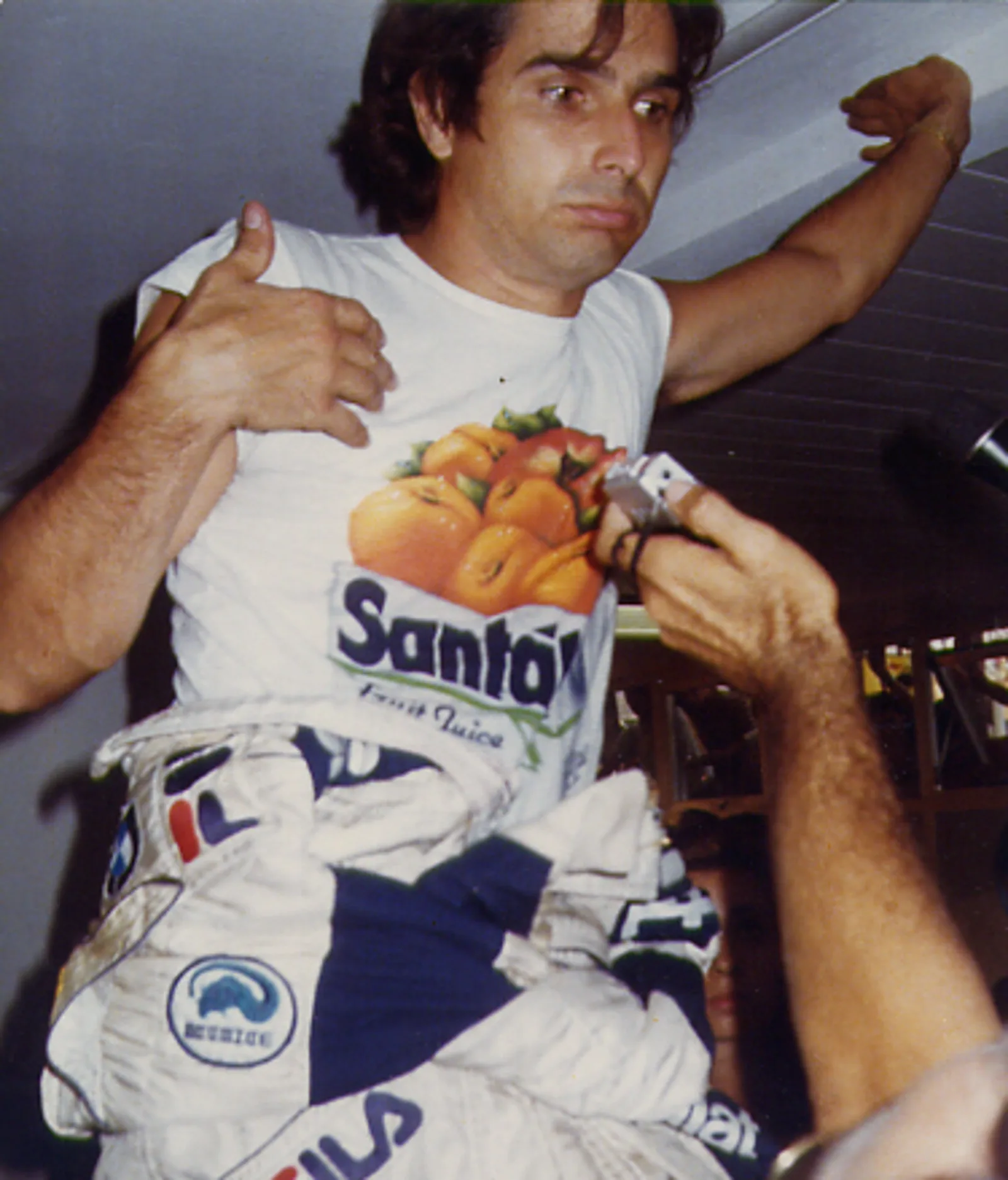
Nelson Piquet's Brabham and Keke Rosberg's Williams finished first and second, with Alain Prost's Renault third. Renault protested the top two and both were disqualified. The FISA camp accused the FOCA teams of deliberately misreading the rule, and the FOCA teams answered that anything not banned had to be legal. While the appeal was pending, Ferrari showed what the logic could lead to by running two side-by-side rear wings at the United States Grand Prix West, and Gilles Villeneuve was disqualified after finishing third. Williams and Brabham lost their appeals. Oddly, other FOCA cars that had used the same system in Brazil kept their points, because Renault had only protested the cars that finished ahead of Prost.
| Loophole | Team | How it worked | Outcome |
|---|---|---|---|
| Water-cooled brakes | Brabham, Williams and other FOCA teams | Water sprayed out early, tanks refilled before weighing | Piquet and Rosberg disqualified in Brazil, 1982 |
| Twin rear wings | Ferrari | Two legal-sized wings side by side | Villeneuve disqualified at the United States Grand Prix West |
| Hydropneumatic suspension | Brabham BT49C | Air springs held ride height at checks, then compressed at speed | Designer Gordon Murray believes it was legal |
| Weight-check rear wing | Tyrrell, 1981 | A heavy wing fitted for weighing, according to Eddie Cheever | Cheever said it took four people to lift |
The weight rule was easy to game. A car had to weigh at least 585 kg (1,290 lb), but teams were told they would be checked as they left the pits during practice or qualifying, giving them plenty of time to add ballast. Eddie Cheever claimed that in 1981, when his Tyrrell was picked out for weighing in qualifying, the team swapped the racing rear wing for a heavy one, probably made largely of lead, that took four people to lift.
Brabham found a different gap after ground effect was restricted at the end of 1980. FISA imposed a minimum ride height of 6 cm to get rid of skirts and underwings. Gordon Murray's hydropneumatic suspension on the BT49C used compressed air as the spring. It held the car at the legal height while stationary in parc ferme, then downforce compressed it at speed, lowering the car and creating more downforce, before it rose again as the car slowed for the pits. Murray believes it was legal, because all suspension compresses under load and the rules never said how much. Ecclestone, Mosley and the team's chief mechanic, Charlie Whiting, all later became senior FIA staffers.
What happened at the 1982 South African Grand Prix?
The 1982 South African Grand Prix at Kyalami, held on 23 January 1982, opened the season under the shadow of a drivers' strike. It was the 28th South African Grand Prix and the 16th at Kyalami.
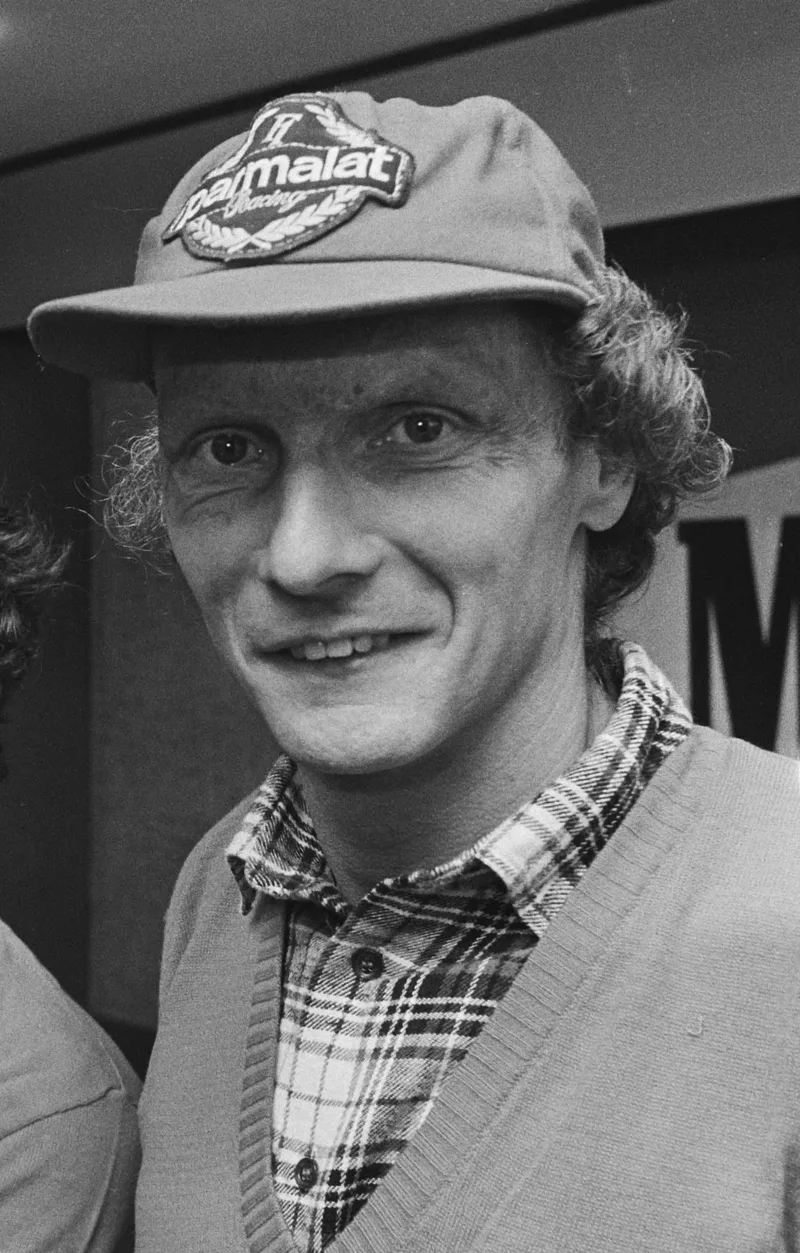
FISA had added a clause to driver super licences requiring drivers to race for the team they were contracted to and no other; one telling says it would have bound them to one team for as long as three years. The Grand Prix Drivers' Association, which Niki Lauda and Didier Pironi led, organised a strike in protest. Almost every driver joined, and Teo Fabi was the only one who did not. A late compromise let the race go ahead. The drivers were fined between US$5,000 and US$10,000 and given suspended race bans, though the FIA Court of Appeal later cut the penalties and criticised how FISA had managed the affair. In the end the dispute went the drivers' way and the clause was dropped.
On the track, turbocharged cars filled the first six places on the grid. Alain Prost punctured while leading and fell more than a lap behind, but he recovered to win. Lauda finished fourth in his first race after two years away, and Reutemann took his final podium before retiring from Formula One once the Brazilian race had been run.
Why did teams boycott the 1982 San Marino Grand Prix?
FOCA team bosses said they were staying away from the 1982 San Marino Grand Prix in response to the Brazilian disqualifications of Piquet and Rosberg. In theory every FOCA-aligned team would join the boycott, as a sign of solidarity and a complaint about the handling of the rules and of financial compensation.
Four teams, Tyrrell, Osella, ATS and Toleman, backed out, citing sponsor obligations. The grid shrank to 14 cars. Ferrari, Renault and Alfa Romeo, the teams on FISA's side, supplied six; the four wavering FOCA teams supplied the other eight. The bad feeling over their decision lasted into the mid-1980s, and the four teams that broke ranks were harshly dealt with afterwards.
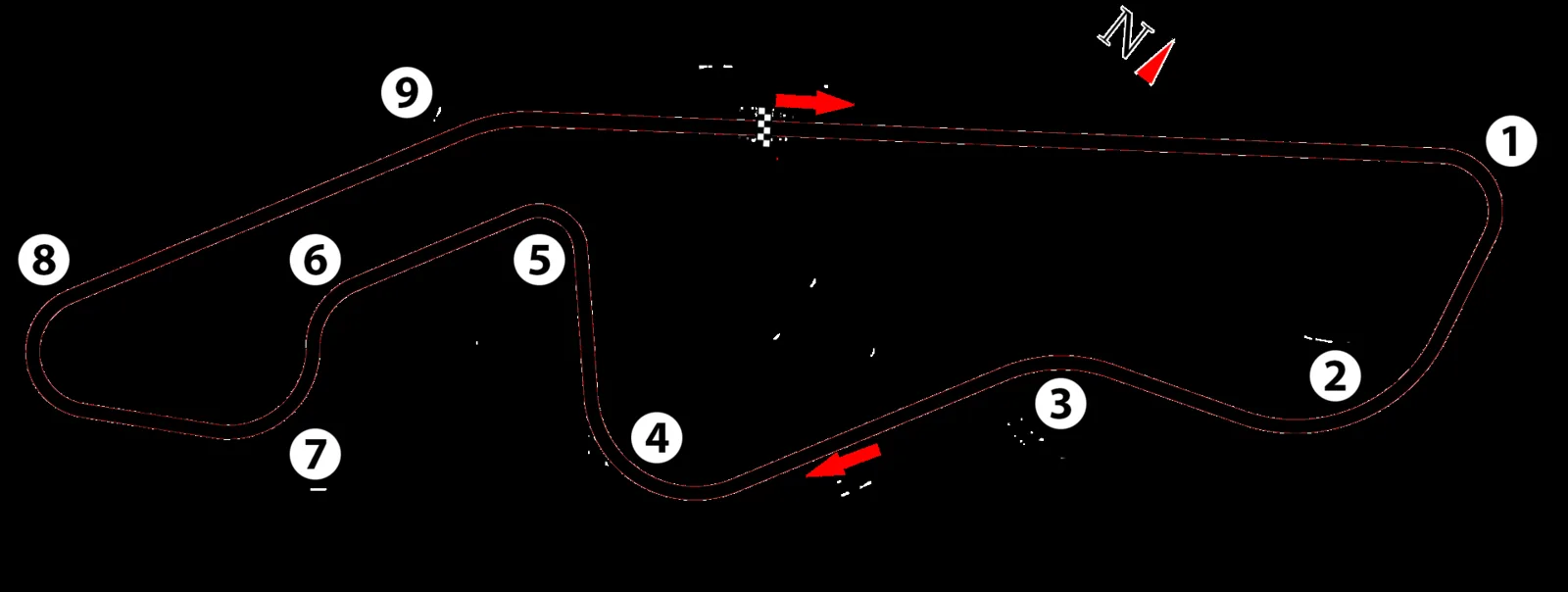
The race itself was held at Imola, which had hosted the 1980 Italian Grand Prix while Monza was being refurbished. When the Italian race went back to Monza the following year, the circuit's owners asked the Automobile Club of San Marino to apply for a Grand Prix of its own, creating the San Marino Grand Prix.
With both Renaults out, Ferrari had no opposition and took the first two places. Gilles Villeneuve and Didier Pironi raced hard, and then the team ordered them to slow down to avoid engine trouble or fuel shortage. Villeneuve took that to mean they should hold position. Pironi thought they were free to race and passed him. Villeneuve re-passed, expecting to be left alone, but Pironi went by again at Tosa on the last lap and won. Opinion in the team was split over what the order had meant. Villeneuve was furious and said he would never speak to Pironi again; he was still not speaking to him when he died in qualifying for the Belgian Grand Prix a fortnight afterwards.
Where the settlement left Formula One
The Concorde Agreement outlived the quarrel that produced it. Its first version ran to 1987, later versions followed, and the ten teams that contested the 2019 championship were still covered by its provisions. Max Mosley, the legal adviser in the middle of the fight, went on to become FIA president.