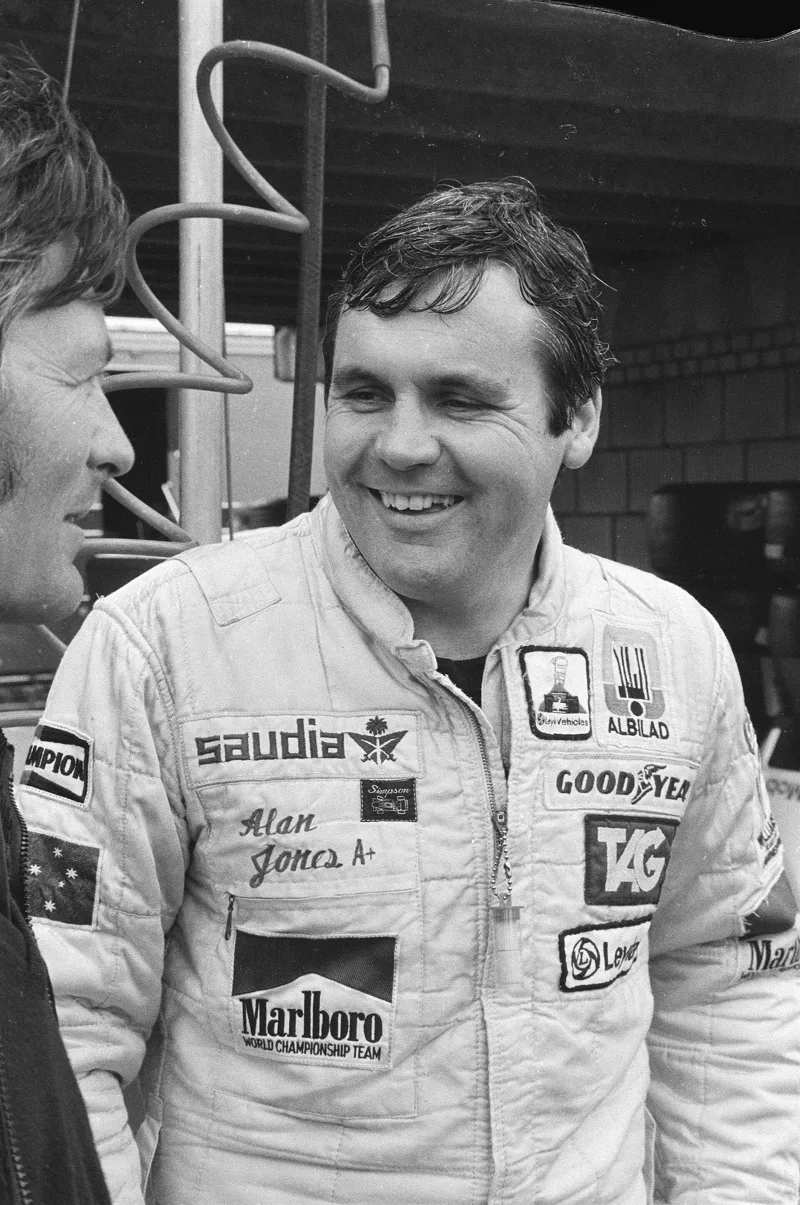
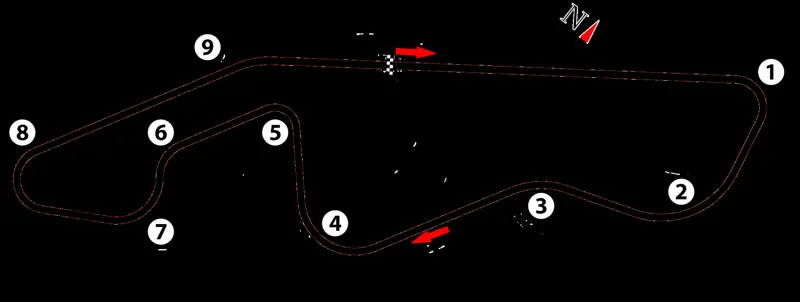
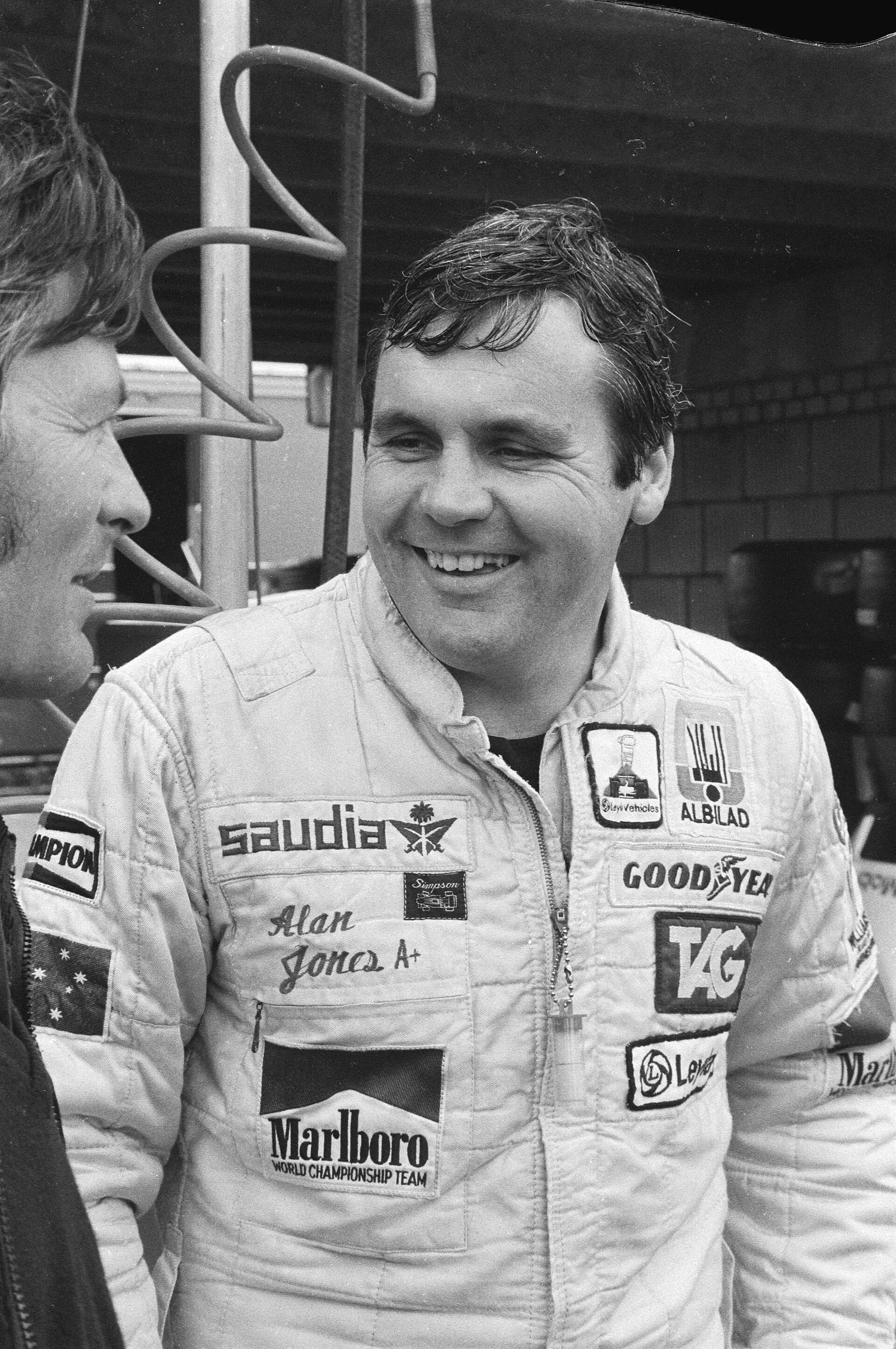
Jarama in June 1980 ran without Ferrari, Renault and Alfa Romeo, and the race that Alan Jones won was later stripped of its points.
The 1980 Spanish Grand Prix was held on 1 June 1980 at the Jarama circuit. Ferrari, Renault and Alfa Romeo stayed away in the FISA-FOCA dispute, and Alan Jones won for Williams. The race was later declared non-championship, so its points were never awarded.
The 1980 Spanish Grand Prix was a Formula One race held on 1 June 1980 at the Circuito Permanente del Jarama. The manufacturer teams stayed away, Alan Jones won for Williams, and the result was later declared non-championship. It was the first race to be caught up in the FISA-FOCA war, and it lost its points as a direct result.
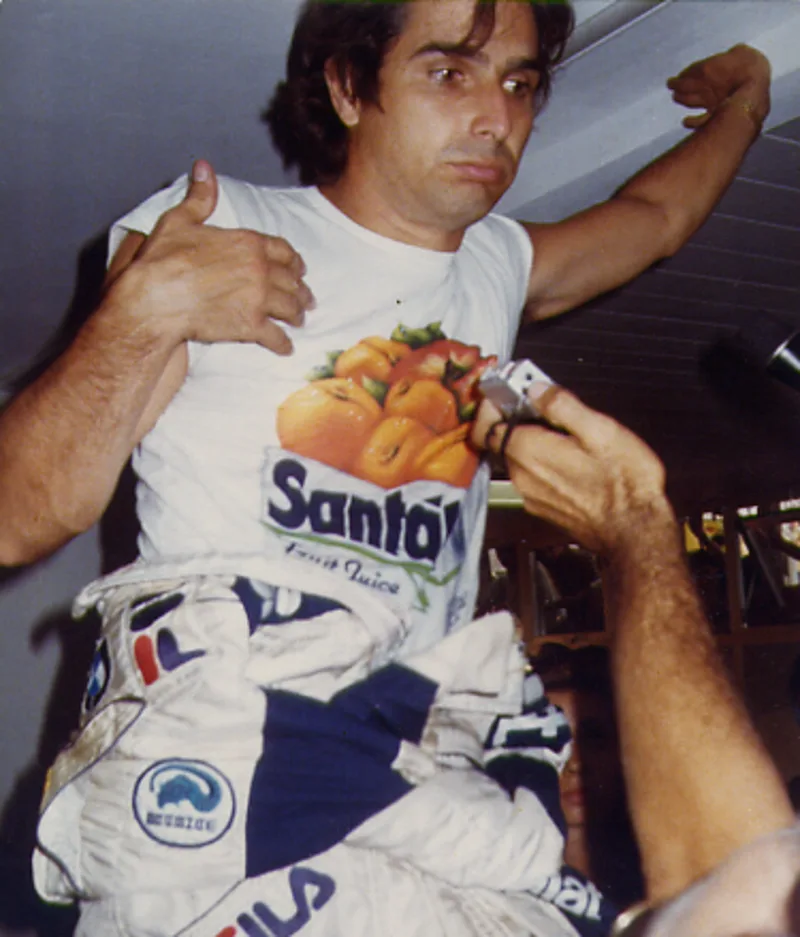
Going into the weekend, Nelson Piquet led the drivers' table by one point from Rene Arnoux, with Jones two points further back and Didier Pironi two points behind him. Williams led the constructors on 34 points, Ligier were five points behind, and Brabham and Renault had 22 and 21 points respectively. The arguments over who had the right to run the race would soon matter more than any of those figures.
Why did Ferrari, Renault and Alfa Romeo stay away?
Ferrari, Renault and Alfa Romeo were the manufacturer teams, and all three withdrew once the governing body FISA declared the race illegal. The FOCA teams raced on, and every car in the field ran a Ford engine, so the grid was made up of independent constructors only.
The dispute had been building through the previous rounds. FOCA represented 12 of the 15 constructors in the championship, and its members believed FISA favoured the manufacturers in the rules and in how commercial matters were handled, including how money was shared between teams. Renault, Ferrari and Alfa Romeo sat outside the association because each was owned and run by a car maker.
A Formula One race run on Ford engines alone, with its championship points taken away after the chequered flag.
How did a briefing dispute lead to suspended licences?
Drivers from FOCA teams were advised to skip the compulsory briefings at the Belgian and Monaco Grands Prix. FISA fined the absentees roughly $2000 each, threatened suspensions, and by 29 May had ordered the racing licences of 15 drivers suspended. FOCA's lawyers had spotted that the briefing requirement was absent from the rulebook.
FISA president Jean-Marie Balestre had announced the briefings in February, but nothing in the rules backed them up, and the drivers who stayed away said so. FISA kept the fines and the threat of suspension in place, and the suspensions stood as practice approached.
What did the organisers do about the suspensions?
RACE offered to pay the outstanding fines as a deposit. FISA refused unless the money came from the drivers themselves, which the teams said would be an admission of guilt. King Juan Carlos insisted the race go ahead, so RACE bypassed the national federation, which was affiliated to FISA.
The King's intervention settled the matter. With the national federation out of the picture, the event ran without a FISA sanction, and the FISA licence requirement no longer applied to the drivers. The circuit had changed since the previous year too: the approach to the Bugatti curve was cut back to widen the run-off.
Practice and the Friday stoppage
Practice began at 10:00 am local time, but only Renault, Ferrari and Alfa Romeo were on track. The organisers stopped that session after half an hour, and the Guardia Civil escorted FISA officials out of the circuit. The second session started at 12:30 pm with the FOCA teams, because Renault, Ferrari, Alfa Romeo and Osella had withdrawn. They feared further sanctions in other forms of motorsport, but they stayed at the circuit in case a compromise was reached.
Who was fastest in qualifying?
Jacques Laffite took pole on Friday with a lap of 1:12.647, which beat the previous year's pole time by more than a second and a half. Didier Pironi was second, with Carlos Reutemann and Alan Jones completing the top four. With three manufacturer teams absent, all 22 remaining drivers qualified.
Normally the qualifying sessions decide which drivers miss out. There were 26 starting positions, but the manufacturer absences left the 22 remaining drivers with a guaranteed place, and the fastest time a driver set in either session fixed his position on the grid.
Saturday was hotter, and the cars ran about half a second a lap slower than on Friday. Jones switched to his spare car, improved on his Friday time and took second on the grid, which pushed Pironi to third and Reutemann to fourth. Eddie Cheever started the only Osella under the Denim Aftershave name. Enzo Osella had lent the car and driver to the sponsor, and he kept out of the pit lane, hoping to shield his own team's licence.
Rene Arnoux, who had been second in the championship when the weekend began, called it unacceptable that the drivers could not race. He also argued that a race with only FOCA cars in it could not count for championship points. That was, in the end, the position the governing body took.
How did the opening laps shape the race?
Reutemann made a good start from fourth and drew level with his team-mate Jones, who had passed pole-sitter Laffite. At the end of lap 1 Reutemann led from Jones, with Laffite third and Piquet fifth. David Kennedy spun at the start of lap 2 and could not rejoin.
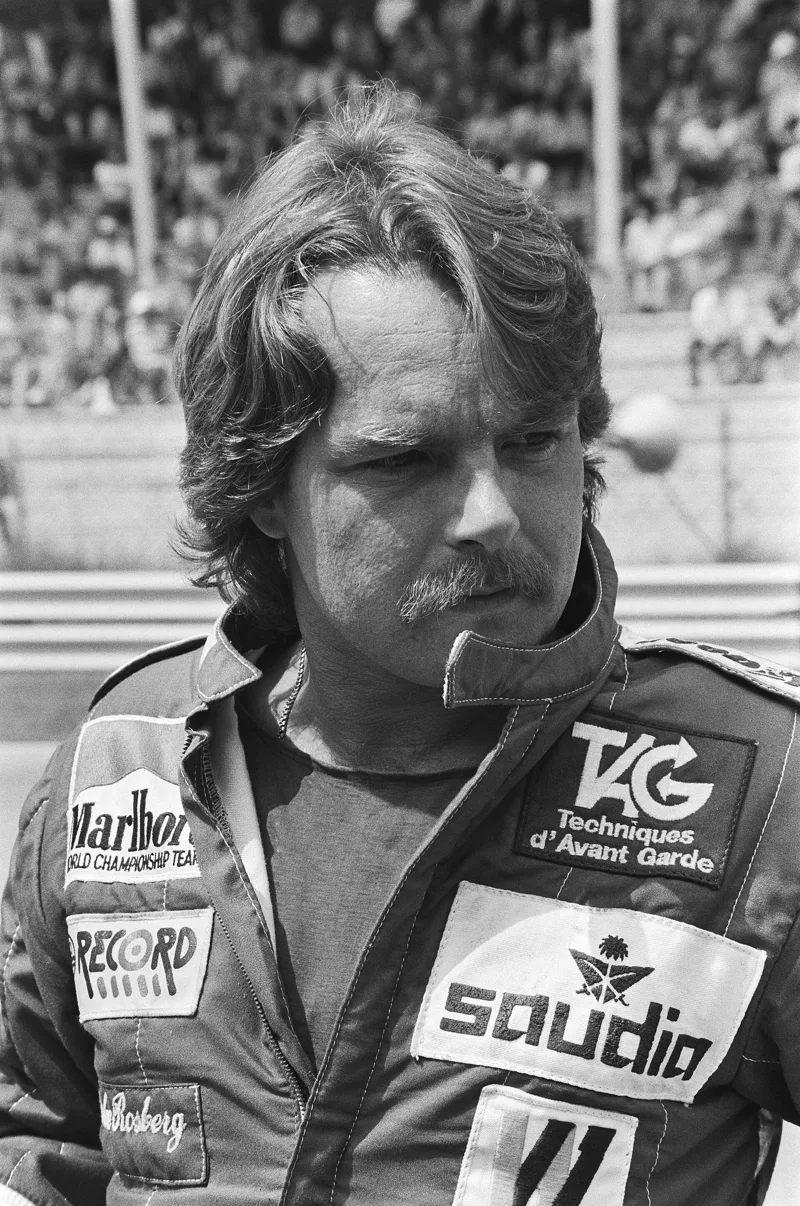
Emilio de Villota, the local wildcard, had a similar moment and got going again, but in last place. Pironi was running a harder tyre on the rear left than on the rear right, and by lap 3 he was struggling with the handling and his brakes. Piquet slipped past him for fourth. Alain Prost, running 12th, retired on lap 5 with engine trouble. Keke Rosberg and Derek Daly both suffered brake failures and crashed, though neither was hurt.
Jones missed a gearshift on lap 13 and dropped three places to fifth. Laffite, promoted to second, kept hunting for a way past Reutemann and never found one. Jan Lammers, in fourth, came into the pits with brake problems and then suffered electrical faults. Mario Andretti's engine failed on lap 29, and Riccardo Patrese followed one lap later with a broken gearbox, after a long stop five laps earlier had already dropped him down the order.
How did the lap 35 collision change the lead?
On lap 35 the front runners caught up with Emilio de Villota. Laffite tried to pass Reutemann on the inside of de Villota, hit him, bounced into Reutemann, and both cars retired on the spot. Piquet inherited the lead, with Pironi second and Jones third, all within three seconds.
De Villota limped into the pits, but the suspension was too damaged to fix, which ended his race. Piquet led for seven laps before his Brabham's gearbox failed on lap 42, and Geoff Lees also stopped that lap with a broken wishbone. By the halfway stage the two leaders had built a lead of around 50 seconds over the rest of the field, largely because so many cars had dropped out. John Watson then misjudged his braking for Patrick Gaillard's Ensign. The McLaren went airborne over it, and Watson's race was over. Gaillard limped to the pits, replaced some body panels and carried on.
How did the leaders finish?
With 15 laps left, Pironi felt a front wheel wobble. He slowed to about 50 km/h (30 mph), but the wheel came off, and he pulled up near the end of the main straight. That handed Jones the lead, with Jochen Mass finishing second and Elio de Angelis third.
Jean-Pierre Jarier and Emerson Fittipaldi finished fourth and fifth, both one lap down. Gaillard came sixth, five laps down, and was the last driver classified after his earlier collision. Only six of the 22 drivers who started were classified at the finish, and only three of them were on the lead lap.
Reutemann, Piquet and Pironi had each led the race, and all three retired while in front. Reutemann was caught up in the lap 35 collision, Piquet's gearbox failed on lap 42, and Pironi's wheel came off. Sixteen of the 22 starters never reached the finish, so the result rested on the handful of cars that kept going through the heat.
The classified finishers
| Position | Driver | Result |
|---|---|---|
| 1 | Alan Jones | Williams, winner, no championship points |
| 2 | Jochen Mass | Arrows |
| 3 | Elio de Angelis | Team Lotus, on the lead lap |
| 4 | Jean-Pierre Jarier | One lap down |
| 5 | Emerson Fittipaldi | One lap down |
| 6 | Patrick Gaillard | Five laps down |
The result gave Williams a win that counted for nothing in the standings, while Arrows and Team Lotus filled the other two podium places. Of the six classified finishers, only three were on the lead lap at the flag.
Why did the FIA take the points away?
On the day after the race, the FIA executive committee met in Athens and ruled that it would not count towards the championship. It also removed FOCA from its seat on the FISA executive committee. FOCA's president, Ecclestone, said his body was disappointed but not surprised.
Paul Alfons von Metternich-Winneburg, the FIA president, said the executive would take control of the sport itself, and he made clear the governing body, not FOCA, would decide the direction of racing. The FIA also criticised RACE for withdrawing responsibility from the Spanish federation on the Friday morning. RACE argued it had acted legally and had told the FIA when it did so.
RACE said it still considered the race counted for points and would appeal. Frank Williams, owner of the Williams team, asked the British Minister for Sport, Hector Monro, to contact the FIA president and repair relations between FISA and FOCA. An FIA Executive Committee meeting on 31 July confirmed that no points would be awarded, declared the race absolutely illegal, and gave each driver and team a suspended fine of CHF 3000 (USD 1,400).
Jones told Motor magazine that he saw himself as a driver rather than a politician. He said the race had demanded the same effort as any other Grand Prix, and that he would wait to see whether the points were given.
Did the result change the 1980 title?
Alan Jones still won the 1980 World Championship of Drivers, even though the Jarama win earned him no points. The fines that were outstanding before the race were paid before the French Grand Prix, and that round then ran with a full entry. After the season Jones said Jarama was a Grand Prix as far as he was concerned.
Because the race carried no points, the title battle was decided only by the rounds that did count. That gave the Spanish weekend an odd place in the record: its winner appears in the results with a win, and in the standings with nothing from it.
Why Jarama still matters
Jarama was the first race hit by the FISA-FOCA war, a fight for control of Formula One that carried on into the early 1980s. The 1981 South African Grand Prix and the 1982 San Marino Grand Prix also saw teams stay away while the two bodies fought over who ran the sport.
The weekend showed how little agreement existed about who should run the sport. A race could be legal in one body's eyes and illegal in another's, and the drivers and teams were left to absorb the consequences, including fines that were suspended rather than paid.