How a fight over who controlled the Indianapolis 500 divided American open-wheel racing for more than a decade, and the 2008 deal that put it back together.
In 1996 the new Indy Racing League took control of the Indianapolis 500 and began a rival oval series, splitting American open-wheel racing from CART. CART became Champ Car in 2004, then merged into the IndyCar Series in 2008 for $6 million.
The war that began in 1996 ended in February 2008, when the Indy Racing League bought the sanctioning contracts, series history and goodwill of the Champ Car World Series for $6 million.
How did CART begin?
CART, Championship Auto Racing Teams, began in 1979 when team owners walked away from the United States Auto Club, known as USAC. They were unhappy with its direction and leadership, and they tried something new: owners would sanction and promote their own series collectively instead of leaving the job to a neutral body. The Indianapolis 500 stayed with USAC.
The roots go back to 1905, when the American Automobile Association set up a national driving championship. The AAA stopped sanctioning racing after the outcry over the 1955 Le Mans disaster, so Indianapolis Motor Speedway president Tony Hulman formed USAC to take over. It sanctioned the championship alone until 1978 and was the FIA's recognised American authority for open-wheel racing.
By the 1970s the teams, gathered around Dan Gurney, were angry. Marlboro walked away from a lucrative series sponsorship in 1971 after USAC failed to protect the brand's exclusivity at events. There were dirt tracks, purses that could lose a podium finisher money, and little modern promotion outside Indianapolis. In early 1978 Gurney wrote what became known as the Gurney White Paper, taking inspiration from Bernie Ecclestone and the Formula One Constructors Association. It called for owners to form CART as a lobby, to bargain over television rights, sponsorship and purses.
Then came tragedy and a stalemate. On 23 April 1978 eight top USAC officials died in an airplane crash, leaving an organisational vacuum. In November Gurney, Roger Penske, Pat Patrick and other owners took their demands to the USAC board and were turned down, so they created a stand-alone series. The first CART race was run on 11 March 1979 under SCCA sanction. USAC tried to ban CART drivers from that year's Indianapolis 500, sending the news by telegram while CART raced at Atlanta, until CART won an injunction. A joint effort in 1980 collapsed when USAC pulled out after five races, and by the end of 1981 the Indy 500 was USAC's only asphalt championship race.
The clubs ran the league while the stadium owner kept the cup final.
Why did CART become the top open-wheel series?
By 1982 the CART PPG Indy Car World Series was generally accepted as the American national championship. A stable schedule, away from Indianapolis, gave owners better sponsorship and television deals. In 1983 USAC agreed that the Indianapolis 500 would count towards CART points while USAC kept its sanctioning rights, an arrangement that lasted until 1995.
The series spread beyond ovals. It replaced the fading Can-Am series at road racing venues such as Road America, Mid-Ohio and Laguna Seca, and by the mid-1980s it ran street races, taking the Detroit Grand Prix and the Long Beach Grand Prix from Formula One and adding Toronto and Cleveland. Mario Andretti, Bobby Rahal and Danny Sullivan were among the stars. CART also founded the first full-time driver safety team that travelled with a series, rather than relying on local staff supplied by promoters.
Its democratic structure had a cost. CART owners were a mixed lot: Carl Haas and Roger Penske owned speedways and held generous contracts with tyre, chassis and engine makers, while smaller teams bought older cars and entered what they could afford. That produced annual disputes about rules, sponsorship, driver safety and track selection. In 1988 CART joined ACCUS so foreign drivers could race without risking their FIA Super Licences. After Emerson Fittipaldi's 1989 title, more South American and European drivers arrived, and in 1991 CART held its first race outside North America, at Surfers Paradise in Australia.
What were Champ Cars, and how did they compare with Formula One?
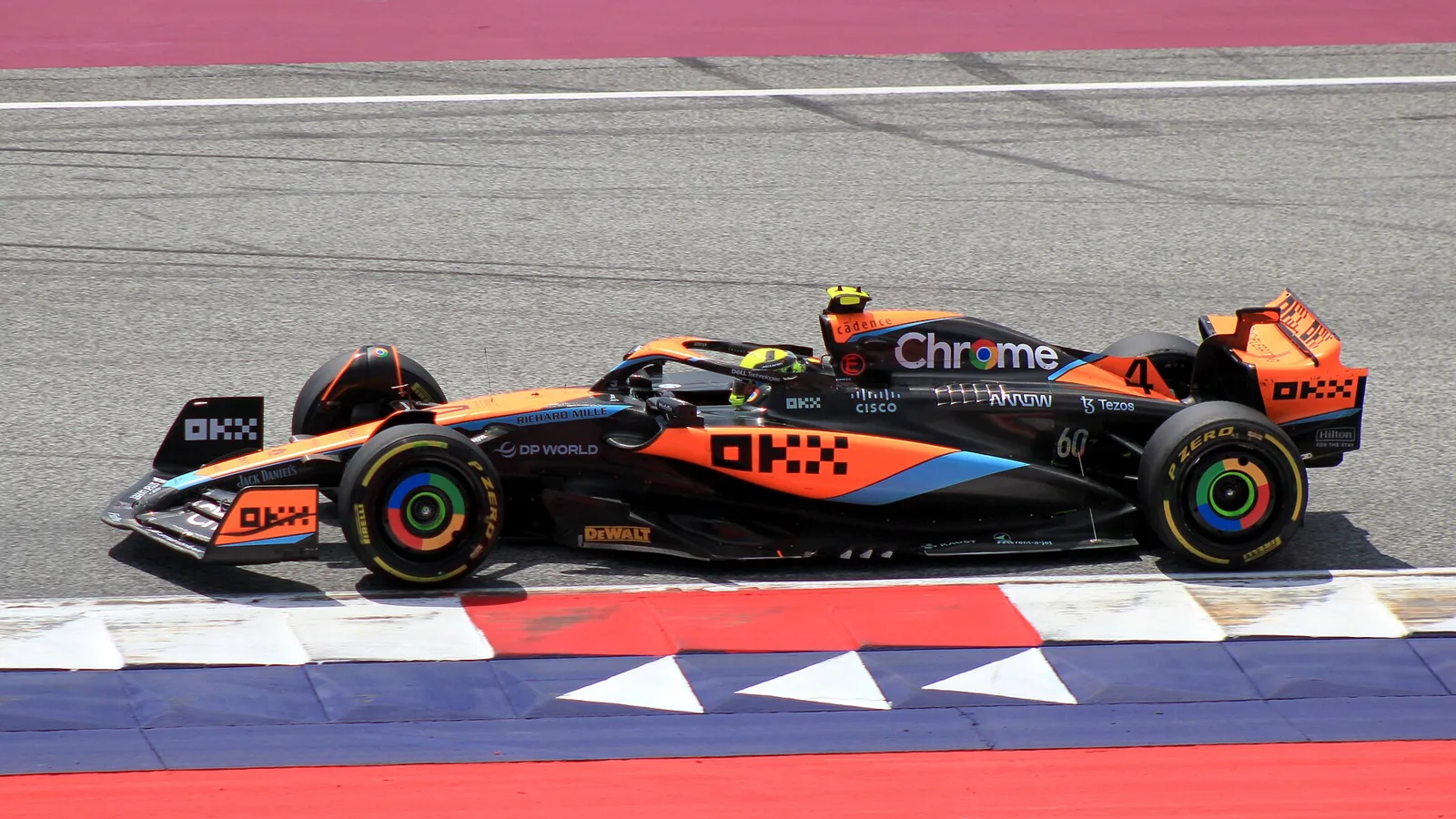
Champ cars were single-seat, open-wheel racers with the engine behind the driver, sculpted undersides for ground effect and large wings for downforce. Teams ran different aerodynamic kits on ovals and road courses. They looked much like Formula One cars, though they were heavier and bigger because of the ovals, slower to accelerate and higher in top speed.
Most teams bought chassis from independent builders such as Lola, Swift, Reynard and March, though Dan Gurney and Roger Penske built their own. Goodyear supplied every tyre until 1995, when Firestone arrived and a fierce competition began. Firestone became the sole supplier in 2000 and parent company Bridgestone took over in 2002. Engines were turbocharged and ran on methanol, with Cosworth, Ilmor and Buick units common into the mid-1990s, and later Mercedes-Benz, Honda and Toyota.
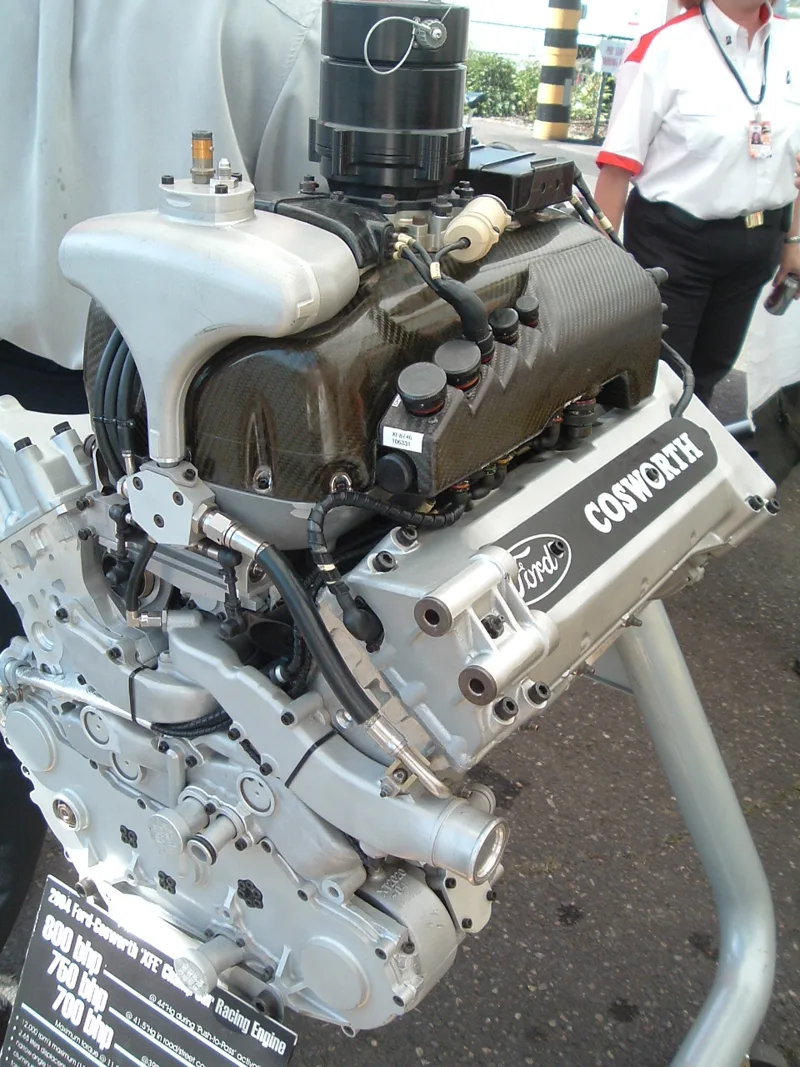
Engines were leased, and manufacturers developed them during the season, so one make could dominate early and then fall behind. Which teams got the latest versions caused rows, and manufacturers fought off any proposal that teams should simply buy engines. In 2003, after Honda and Toyota left, CART bought a batch of identical 2.65-litre turbocharged V8 Cosworths and leased them to teams under Ford branding.
Both series played down comparisons for commercial reasons, but in 2002 they raced at the same track, the Circuit Gilles Villeneuve in Montreal, within a month of each other. Juan Pablo Montoya took Formula One pole with 1:12.836, and even the slowest qualifier, Alex Yoong, managed 1:17.34. Several weeks later Cristiano da Matta won pole in the Champ Car race with 1:18.959.
What caused the IndyCar split?
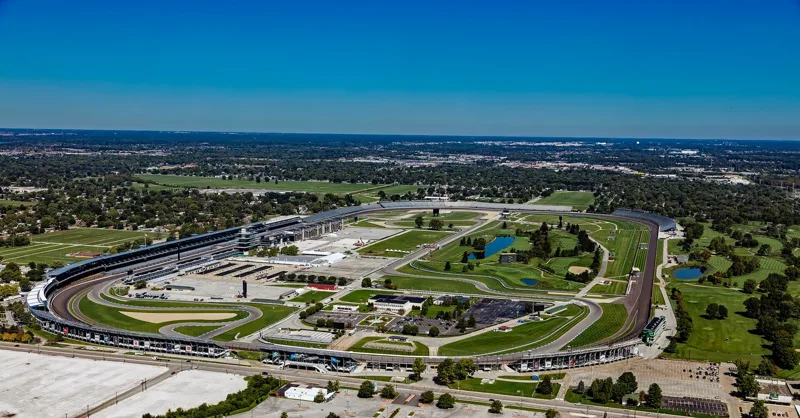
The split came from a fight over who should control American open-wheel racing, and in particular the Indianapolis 500. Tony George, Tony Hulman's grandson, became president of Indianapolis Motor Speedway in 1989. He and others felt foreign drivers and street circuits discouraged American sprint car talent such as Jeff Gordon from joining CART, while NASCAR was winning over CART's Midwestern fans and costs were squeezing out smaller teams.
Both sides had a case. Critics said CART served the richest owners, not the sport. The owners replied that the teams took the greatest risks, paid the drivers and spent the most cash, so they should steer the sport. They also resented George's closeness to USAC, which they feared could put their Indianapolis place at risk on a whim. IMS refused any revenue sharing or control over the 500, and owners did not want to hand too much power to track promoters. A comparison helps: it was as if the clubs ran the league while a stadium owner kept the cup final.
Reform came in 1992, when CART rebranded as IndyCar and set up a compromise board. The owners elected five voting members, and the IndyCar chief executive and George held non-voting seats. It did not last. After Nigel Mansell, the 1992 Formula One champion, moved over in 1993 and beat Fittipaldi to the title, the board collapsed amid controversial decisions: shutting out Japanese manufacturers, cancelling a race at Brands Hatch and not adding races for 1994. Owners suspected the motives were the business interests of George and two powerful owners, Penske and Haas.
Matters came to a head in 1994. On 7 January CART named Andrew Craig, a British sports marketing executive, as president and chief executive in place of William Stokkan, and George quit his non-voting seat, with IMS saying he was frustrated at CART going back to a 16-member board. Later that year Team Penske introduced a Mercedes-Benz engine designed for the Indianapolis 500 that exploited a rule difference between USAC and IndyCar. It dominated the race and raised fears that costs would spiral. In July, IMS announced the Indy Racing League, which would be cost-controlled, race only on American ovals and be sanctioned by USAC.
How did the CART and IRL fight play out?
The IRL began racing in 1996 and took full control of the Indianapolis 500, while CART carried on without it. George presented the IRL as a cheaper alternative to a CART he thought had become technology-driven and ruled by a few wealthy multi-car teams. It would run only on ovals so American drivers from the midget and sprint car ranks could step up, as A.J. Foyt, Mario Andretti, Johnny Rutherford and the Unsers had in the 1960s.
The pressure was immediate. After the 1995 Indianapolis 500 George revealed that the 25 leaders in IRL points would be assured starting places for 1996, which left just eight of the 33 grid spots open to anyone else. CART retaliated with a rival showpiece, the U.S. 500 at Michigan International Speedway, set for Memorial Day, when the Indy 500 had always been run. For 1997 the IRL brought in cheaper chassis and production-based engines that teams bought rather than leased, rules that were technically incompatible with CART.
There was also a fight over a name. The Speedway had registered the IndyCar trademark in 1992 and licensed it to CART, then tried to end the licence when the IRL started. Lawsuits flew in March and April 1996. A settlement had CART give up the name after the 1996 season, and the IRL agreed not to use it before the end of 2002. CART became plain CART in 1997 and revived the phrase "champ car" for its machines.
The damage was real. Interest in American open-wheel racing dropped sharply, helped along by NASCAR's rise, and sponsorship and attendance fell at some tracks. The IRL's early seasons had thin schedules and inexperienced teams, and the Indianapolis 500 lost a great deal of prestige. From 2002 the IRL began to attract top CART teams, and CART went bankrupt at the end of 2003. The IRL had renamed its premier series the IndyCar Series that year.
What happened in Champ Car history after CART collapsed?
In 2004 three former CART team owners, Gerald Forsythe, Kevin Kalkhoven and Paul Gentilozzi, bought CART's assets from bankruptcy and relaunched the series as the Champ Car World Series, run by Open-Wheel Racing Series. The IRL had offered to buy only the Cosworth engines and the Long Beach contract, which would have left the series unable to continue. The owners' bid gave CART's creditors the best chance of being paid.
The new series scrambled to field enough cars for the April Long Beach Grand Prix, announcing its final drivers just before practice. It had three long-time CART teams, Forsythe Championship Racing, Newman/Haas Racing and Dale Coyne Racing, and it also owned the Trans-Am Series and the Atlantic Championship. Over time it became a road-course series and tried bold changes, including special tyres used for a set stretch of a race, standing starts and timed races. Funds were tight, so it kept 2002 CART-specification Lola chassis until a new Panoz chassis, the DP01, arrived in 2007 to a good reception. Teams leased 2.65-litre turbocharged Cosworth XFE V8 engines rated at 750hp.
Both series struggled with small fields, sponsorship and television ratings. Merger talks in 2006 stopped after rows over the coming Panoz chassis, and leaked details of a shared new series upset IMS. In 2007 Bridgestone and Ford stepped away as presenting sponsors and some races were cancelled. By January 2008 each side feared it lacked enough cars to meet its television and sanctioning contract minimums.
How did the IndyCar reunification happen in 2008?
On 23 January 2008 Tony George offered Champ Car free cars and engine leases for teams willing to run the whole 2008 IndyCar schedule, if the IndyCar calendar added Champ Car's dates at Long Beach, Toronto, Edmonton and Australia. The offer had first been made in November 2007. In February, George travelled to Japan with IRL representatives to talk about moving the Indy Japan 300 at Twin Ring Motegi, which clashed with Long Beach.
In mid-February Champ Car authorised bankruptcy to allow an agreement in principle, reached on 22 February, to merge with the IRL. The IRL paid $6 million for the sanctioning contracts, the Champ Car Mobile Medical Unit, the series history and the goodwill, while Forsythe and Kalkhoven each signed a non-compete agreement for $2 million. Champ Car was suspended apart from Long Beach, and many of its teams moved over using equipment provided by the IRL.
The first merged event was the Indy 300 at Homestead-Miami Speedway on 29 March 2008. The Long Beach Grand Prix on 20 April 2008 was run as a Champ Car event with Panoz-Cosworth cars, with winners getting IRL points, and was described as a final celebration of CART and Champ Car. Only one team from that era is still racing in IndyCar: Dale Coyne Racing.
Who has run Indy car racing over the years?
| Body | Period | Notes |
|---|---|---|
| AAA Contest Board | From 1905 | First sanctioning body; stopped after the 1955 Le Mans disaster |
| USAC | Formed by Tony Hulman; sole sanctioning body until 1978 | Kept the Indianapolis 500 after CART broke away |
| CART | 1979 to 2003 | Owner-run; called IndyCar in 1992; bankrupt after 2003 |
| Champ Car World Series | 2004 to 2008 | Successor to CART; merged into the IRL in 2008 |
| Indy Racing League / IndyCar | Formed 1994, racing from 1996 | Took the Indianapolis 500; became IndyCar in 2011 |
Where this goes next
After reunification the Indy Racing League dropped its name and became IndyCar from 2011, with Randy Bernard as chief executive from 2010 until his dismissal in October 2012, when Mark Miles took over. A new Dallara DW12 car arrived for the 2012 season. Penske Corporation bought IndyCar and the Indianapolis Motor Speedway from Hulman and Company in November 2019, and in July 2025 Fox Corporation bought a one-third stake in Penske Entertainment for around $125 to 135 million.
The merged series came to resemble the CART it had once fought. Chip Ganassi Racing and Team Penske win often, many drivers are foreign-born, the cars rely more on electronics and aerodynamics, and the schedule has more road and street courses than ovals. The series has recently introduced hybrid powertrains, adopted a halo with an aeroscreen in 2020 and became the first series to use the SAFER soft wall.