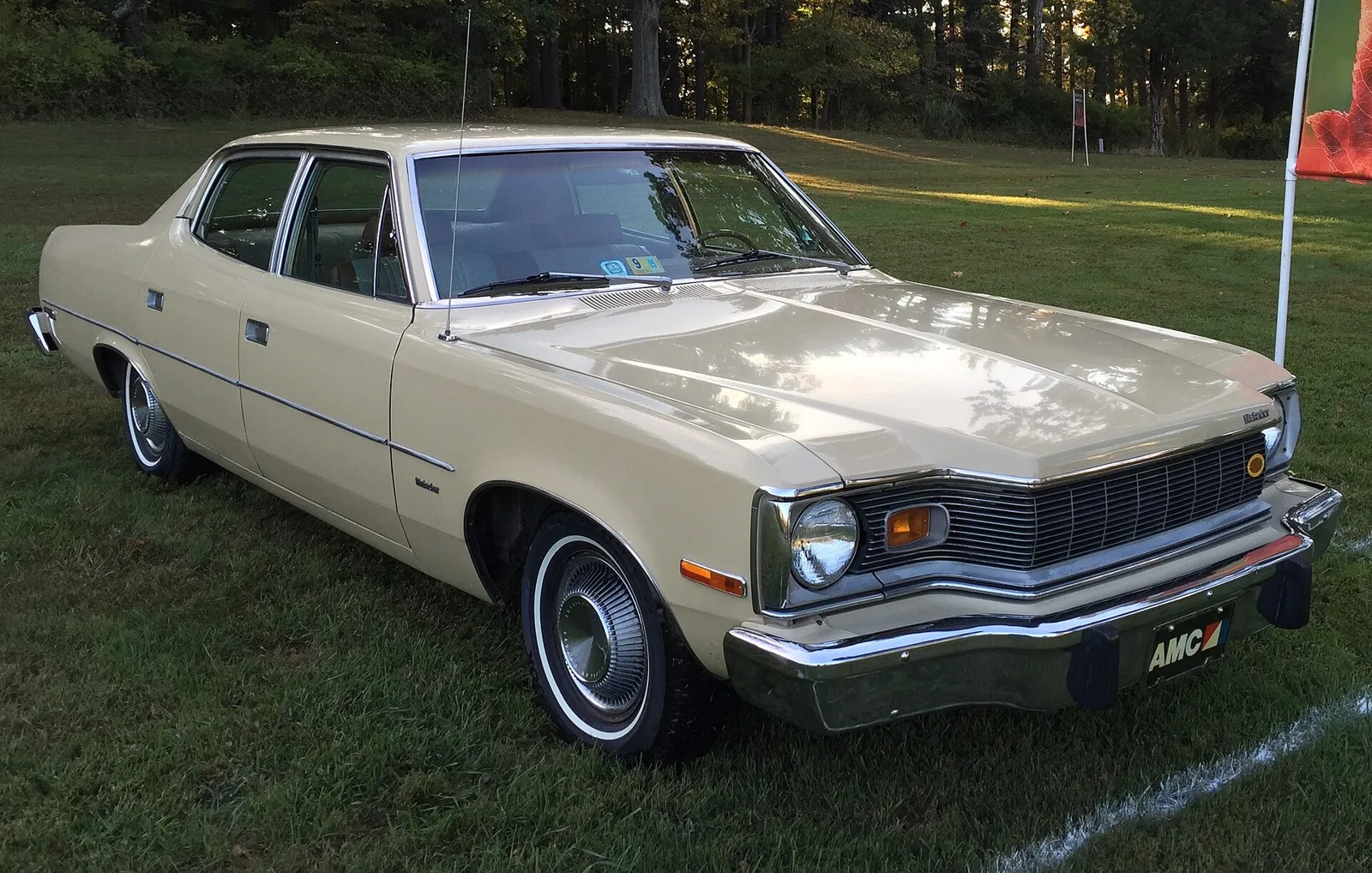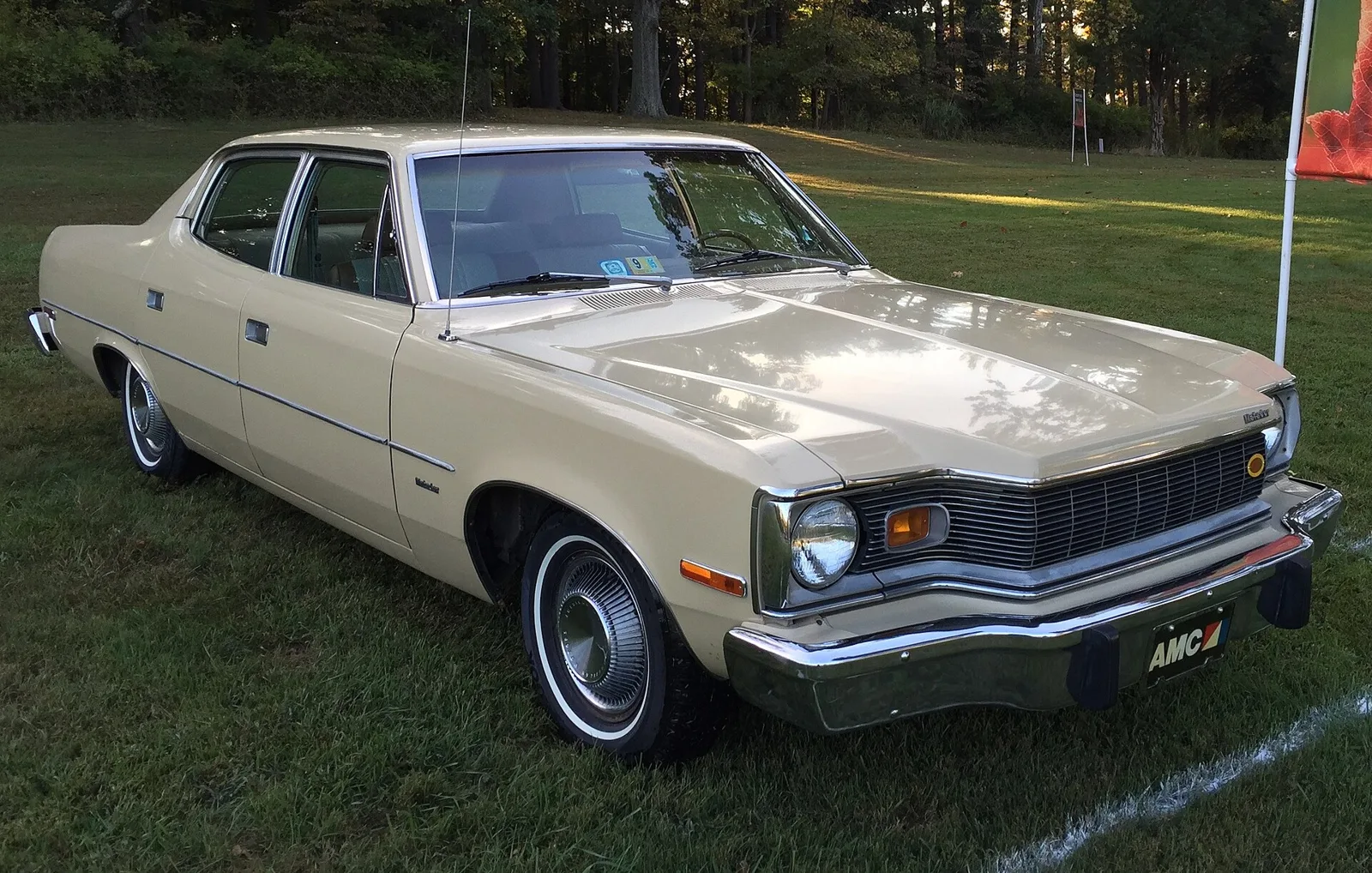
American Motors and Mercury each built an intermediate car around V8 options, and their paths split over racing, warranties and the shape of the body.
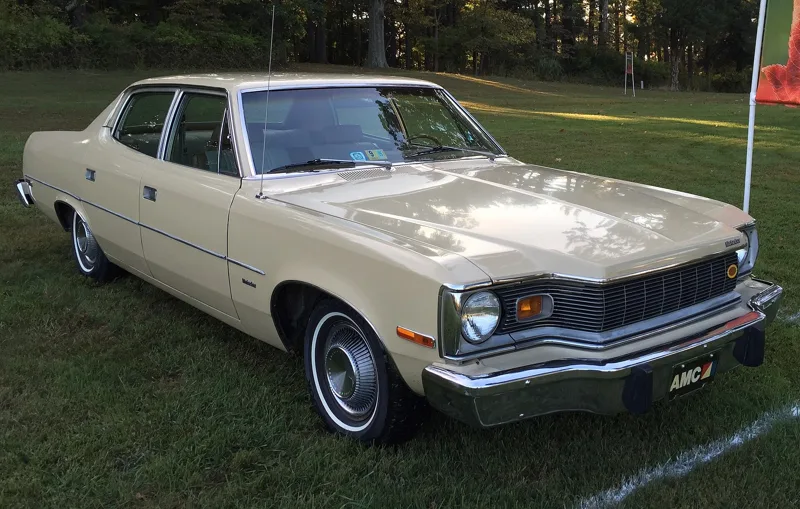
The AMC Matador and Mercury Montego were intermediate-size American cars that competed in the same size class in the 1970s. The Matador ran from 1971 to 1978 and raced in NASCAR, while the Montego was Mercury's Torino counterpart from 1968 to 1976.
The AMC Matador and the Mercury Montego were both American intermediate-size cars for much of the 1970s, so they competed for buyers in the same size class. The Matador ran from 1971 to 1978 and became a full-size flagship in 1974. The Montego was Mercury's intermediate from 1968 to 1976, then returned from 2005 to 2007 as a full-size sedan.
Were the Matador and the Montego rivals?
Yes, in the sense that both were intermediate-size American cars sharing one class. The Matador was repositioned to raise AMC's standing in a fiercely competitive segment, while the Montego was the Mercury counterpart of the Ford Torino. Both offered V8 engines, so buyers could choose more performance within the same size range.
The two cars were never twins, though. AMC built its own body and marketing approach, and Mercury's car carried Ford engineering through two generations. The comparison below follows those differences rather than assuming they were alike.
Two intermediate rivals of one decade: the Matador went racing in NASCAR, while the Montego's 1972 redesign lifted its sales by 136%.
How did each car begin?
The Matador arrived for the 1971 model year as AMC's attempt to reposition its intermediate models. The Rebel name had picked up negative associations during the counterculture years of the Vietnam era, so AMC adopted Matador, a name meant to suggest power and precision. Its $15 million advertising account moved to Cunningham and Walsh in 1972, and the 'What's a Matador?' campaign used self-deprecating humour to make the new name familiar.
The Montego had a different start. It first appeared in Canada in 1967 as part of the Mercury-derived Meteor line, then reached North America for 1968. The name came from Montego Bay in Jamaica. The Matador name, by contrast, drew a warning from Puerto Rico, where matador was read as killer. For 1968 it replaced the Comet Capri and Comet Caliente under one nameplate, becoming the Mercury counterpart of the Ford Torino.
How do the specifications compare?
| Feature | AMC Matador | Mercury Montego |
|---|---|---|
| Production | 1971 to 1978 model years | 1968 to 1976 as intermediate; 2005 to 2007 as full-size |
| Size class | Intermediate in 1971 to 1973; full-size from 1974 | Intermediate in 1968 to 1976; full-size sedan in 2005 to 2007 |
| Body styles | Two-door hardtop, four-door sedan and wagon (1971 to 1973); coupe, sedan and wagon (1974 to 1978) | Two-door hardtop and convertible, four-door sedan and five-door wagon (1968); four-door sedan (2005) |
| Base engine | 3.8 L (232 cu in) inline-six; 4.2 L (258 cu in) optional in 1971 | 250 cu in inline-six standard from 1969 and in 1972 |
| Top V8 in source | 401 cu in (6.6 L) in 1971; 255 bhp (190 kW; 259 PS) in 1972 | 460 V8 from 1974, shared with Marquis and Colony Park |
| Transmissions | Three-speed manual, Shift-Command automatic and four-speed manual (1971); TorqueFlite as Torque-Command from 1972 | Not reported for 1972 to 1976; Aisin 6-speed automatic with front-wheel drive in 2005 |
| Warranty | 12-month or 12,000-mile (19,312 km) bumper-to-bumper from 1972 | Not reported |
| Racing | NASCAR from 1972 to 1975; five first-place wins | Not reported |
| Screen and police use | Coupe in The Man with the Golden Gun (1974); sedan in police livery | Not reported |
| Sales | Consumer sales steady; strong fleet and municipal business | 1972 sales up 136% over 1971; lower after the 1973 gas crisis |
| Final production | 1978 model year | 2007 model year; renamed Mercury Sable for 2008 |
How did the styling differ?
Both cars changed their look over time, though each change followed a different logic. The Matador's 1971 update was modest, with a new front end and a longer wheelbase, while the Montego's 1970 facelift added a forward-thrusting grille and hood. By the 2005 model, the Montego carried its own Mercury look on a Ford-based body.
For 1971 the Matador's wheelbase grew by 102 mm (4 in) to improve the ride, and the front received a new grille, chrome trim and a lighter wraparound bumper. The Montego's 1970 facelift brought concealed headlamps to the MX Brougham, and the 1971 grille was restyled to an egg-crate pattern.
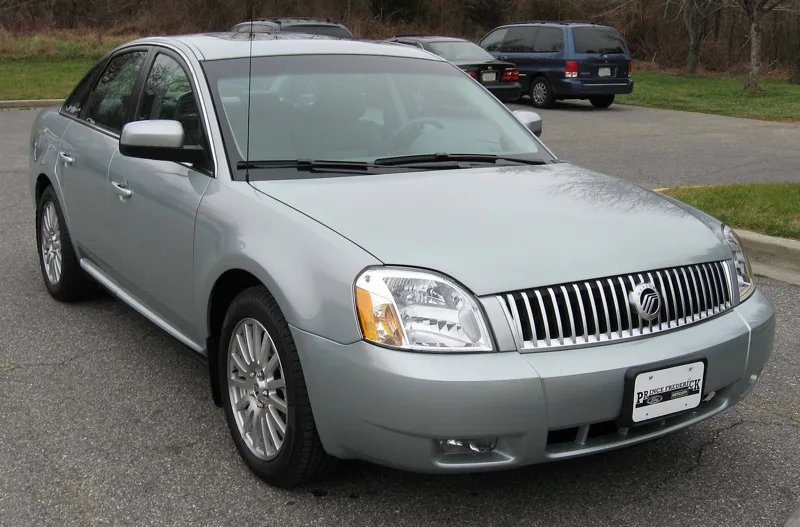
The 2005 Montego used a vertical waterfall grille with satin aluminium trim, and its HID headlamps and LED taillamps were standard equipment. Those lamps were exclusive to the Montego, which set it apart from the Five Hundred it shared a plant with.
Practicality set the cars apart too. The 1971 Matador wagon offered an optional rear-facing third-row seat, which raised capacity from six to eight passengers. The 2005 Montego was sold only as a five-passenger car, and its 60/40 fold-down rear seat allowed objects up to 10 feet in length to be carried inside.
Which car raced in NASCAR?
The Matador did. Factory-backed two-door first-generation hardtops and second-generation coupes competed in NASCAR from 1972 to 1975, and the Matador secured five first-place wins. The Montego record includes no NASCAR results, so no racing comparison is possible for that car.
Mark Donohue and Bobby Allison were among the drivers, and Allison's 1975 Southern 500 win at Darlington is the best-known result in the record. The two-door versions were campaigned with factory support for four seasons, which is the clearest link to performance in this comparison.
How did the Montego change for 1972?
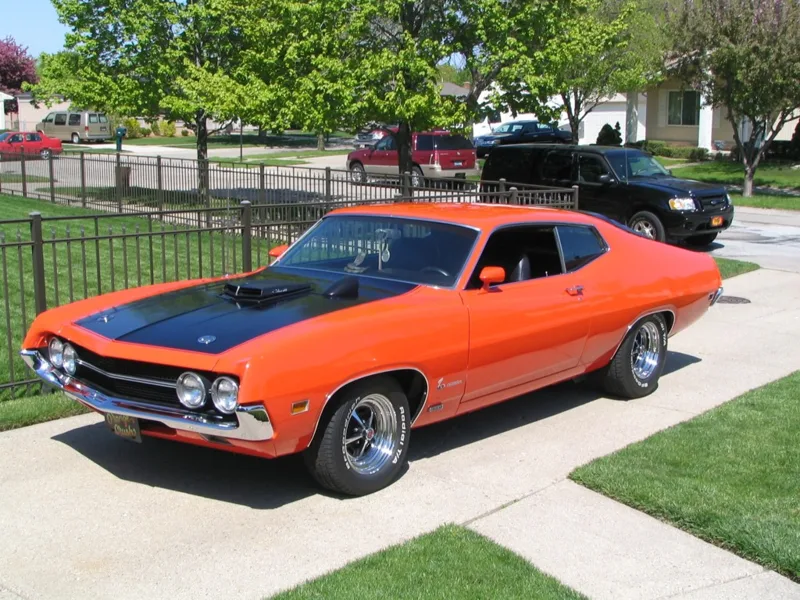
The Montego was redesigned for 1972 alongside the Ford Torino, and the big change was structural. Intermediate Ford and Mercury lines moved from unibody to body-on-frame construction, and the Montego adopted a split-wheelbase chassis, 114-inch for two-doors and 118-inch for four-doors and wagons. Sales rose 136% over 1971, the strongest growth recorded for either car.
True four-door hardtops gave way to pillared hardtops with a thin B-pillar, although the door glass stayed frameless. The Montego GT, a counterpart of the Gran Torino SportsRoof, ran from 1972 to 1973. Only 30 Cyclones were built as a 1972 option package, which makes that version among the rarest Mercurys.
The Matador changed its drivetrain the same year. Chrysler's TorqueFlite three-speed automatic, sold by AMC as Torque-Command, replaced the Borg-Warner Shift-Command unit, and the four-speed manual was dropped. The same model year brought the Buyer Protection Plan, a 12-month or 12,000-mile (19,312 km) bumper-to-bumper warranty.
What did the second-generation Matador add?
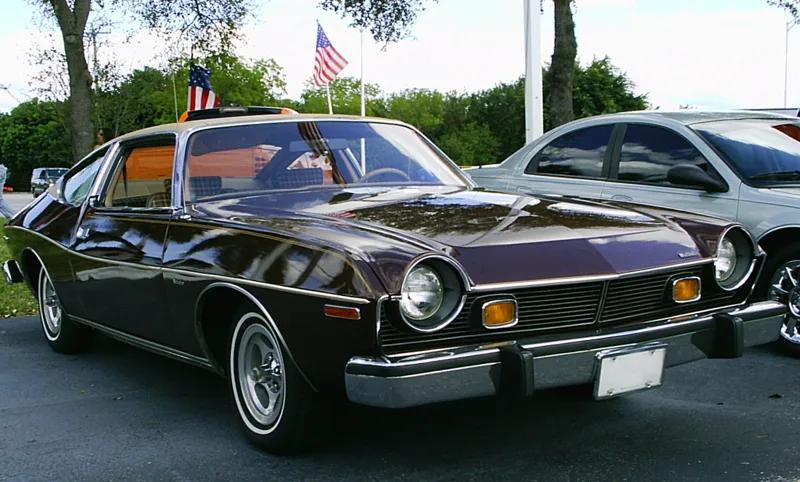
The 1974 Matador split into two lines. The sedan and wagon kept their boxy shapes, while the new two-door coupe was longer, wider and lower, with a fastback silhouette and a B-pillar hoop. Its styling was described as polarizing, and the bumpers were built to resist an 8 km/h (5 mph) impact front and rear.
Premium coupes were sold as the Barcelona and the Oleg Cassini, aimed at the personal luxury segment. After AMC dropped the Ambassador in 1974, the Matador became the company's flagship full-size model. The coupe also gained a screen role in The Man with the Golden Gun, released in 1974.
Where were the cars built and sold?
The Matador was made by American Motors and assembled under licence in Costa Rica, Mexico and Australia. Abroad it was marketed under the Rambler name, and right-hand-drive versions were exported to the United Kingdom. The Montego reached Canada first in 1967, a year before its North American debut, and the third-generation car was built at the Chicago Assembly plant in Illinois.
On sales, the Matador's sedan and wagon held steady with consumers, and the car also found a strong market among fleet and municipal buyers. The Montego followed a different curve, rising sharply after its 1972 redesign and then trending lower as fuel economy concerns grew following the 1973 gas crisis.
What did the 2005 Montego bring?
The Montego returned in 2005 as the successor to the Mercury Sable, slotted between the Milan and the Grand Marquis. It was the Mercury counterpart of the Ford Five Hundred and used the Ford D3 platform, developed with Volvo. That platform was the first full-size Ford design with front-wheel drive, with all-wheel drive optional, and it used unibody construction in place of the older body-on-frame layout.
Power came from a 3.0L DOHC Duratec V6 rated at 203hp, with an Aisin 6-speed automatic on front-wheel-drive cars and a CVT from a Ford and ZF joint venture on all-wheel-drive models. The Montego was offered in Luxury and Premier trims, and it carried a 21 cubic-foot trunk with a 60/40 folding rear seat. Two airbags were standard at launch, with four more optional.
Reception was poor, and sales for the 2005 to 2007 model years fell below projections. For 2008 the car gained a 3.5L V6 rated at 263hp and a Ford 6-speed automatic, but it was renamed the Mercury Sable that year rather than continuing as the Montego.
Which buyer suits which car?
The facts do not settle which car was better, so the choice depends on what the buyer wants. The Matador suits a buyer who values the 1972 warranty, the V8 options and, from 1974, a full-size body. The Montego suits a buyer who wants Mercury trim on a Torino-based intermediate, or a front-wheel-drive full-size sedan from 2005 to 2007.
A practical buyer would also note that the Matador wagon could seat eight while the 2005 Montego seated five. A buyer comparing them in 1972 would see a Matador with a TorqueFlite automatic and a 12-month warranty, against a Montego whose sales had jumped 136% that year. No road test or owner-satisfaction figure is available for either car, so any verdict would go beyond the facts.