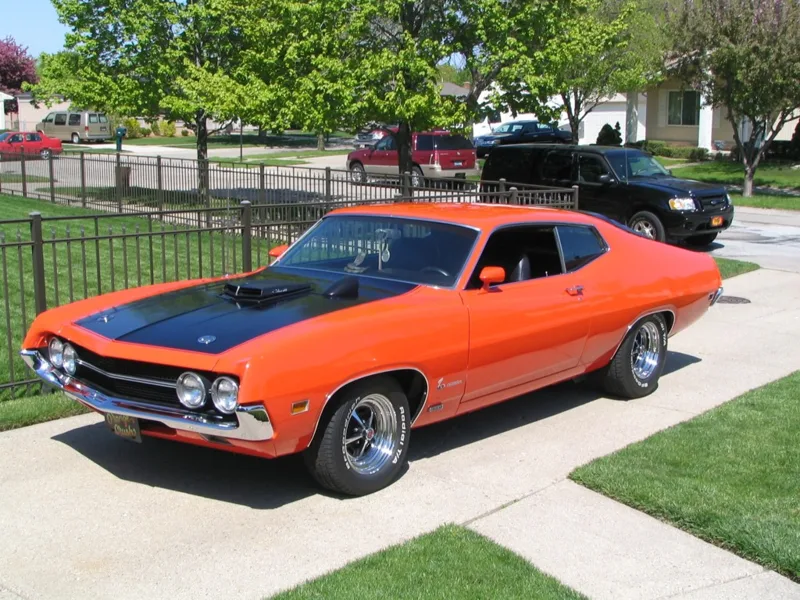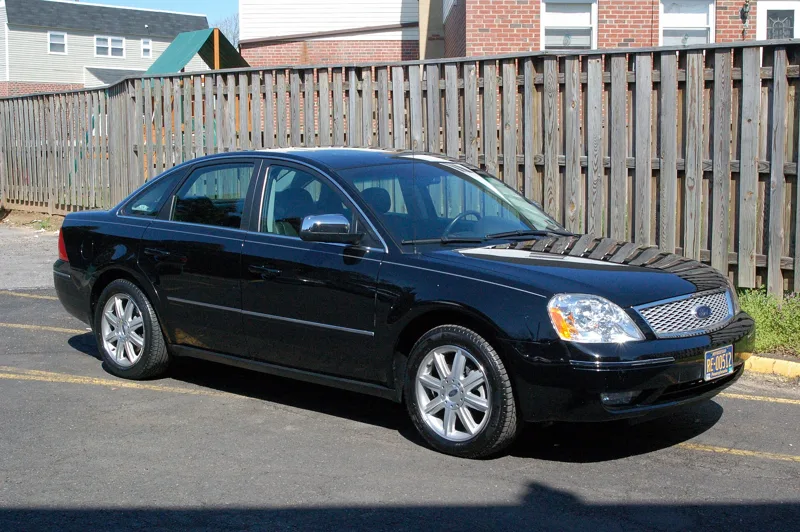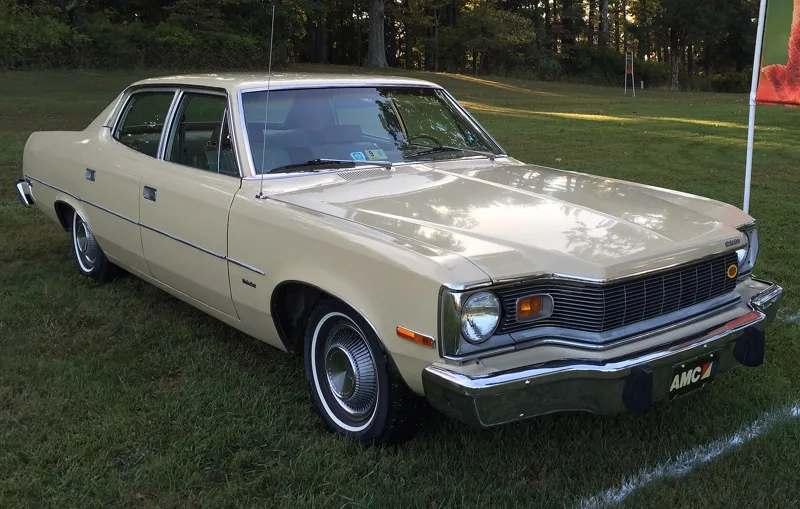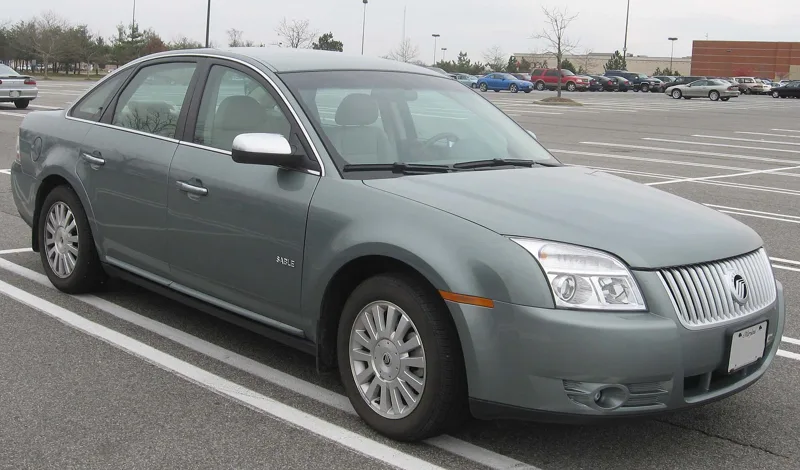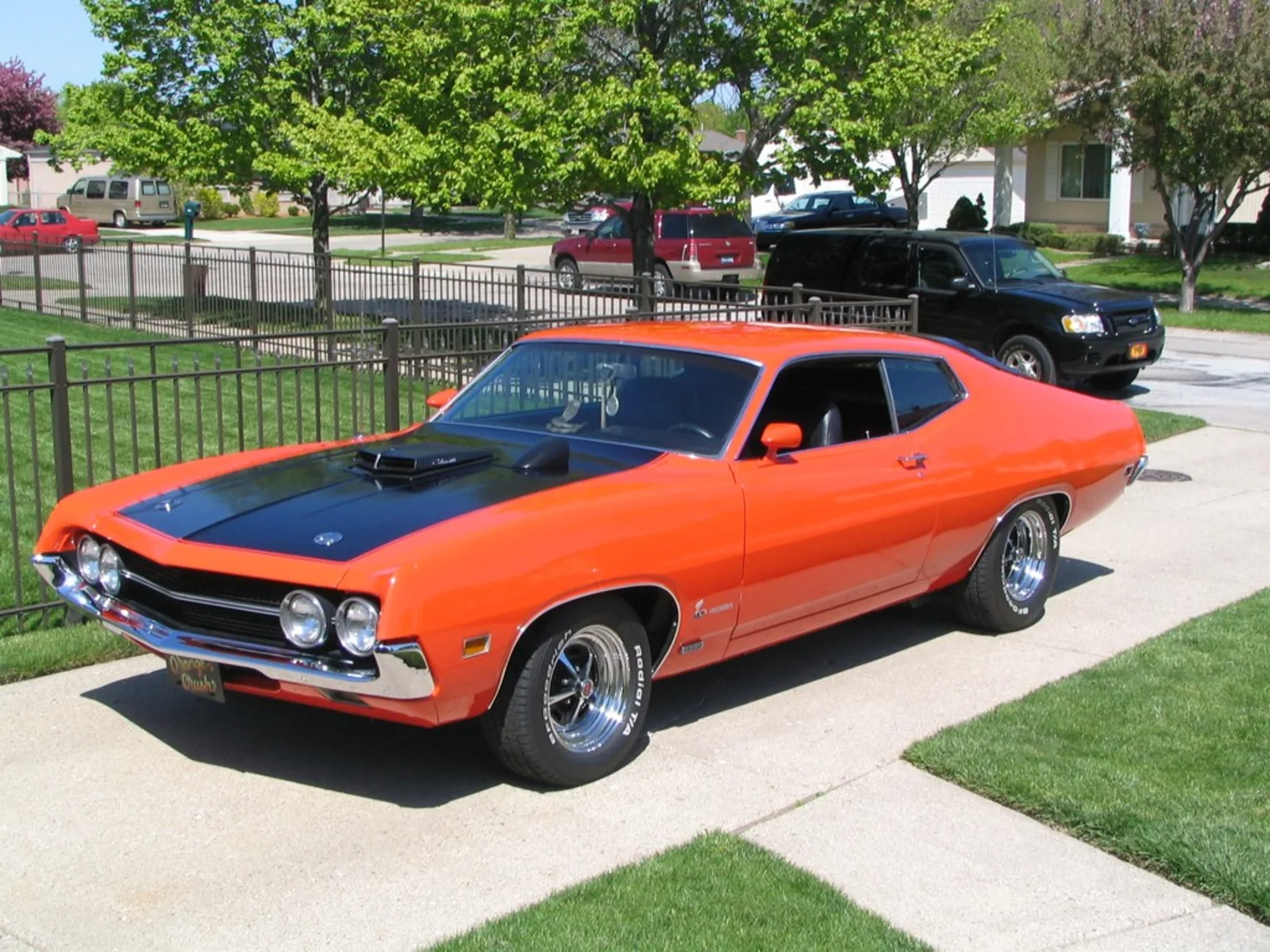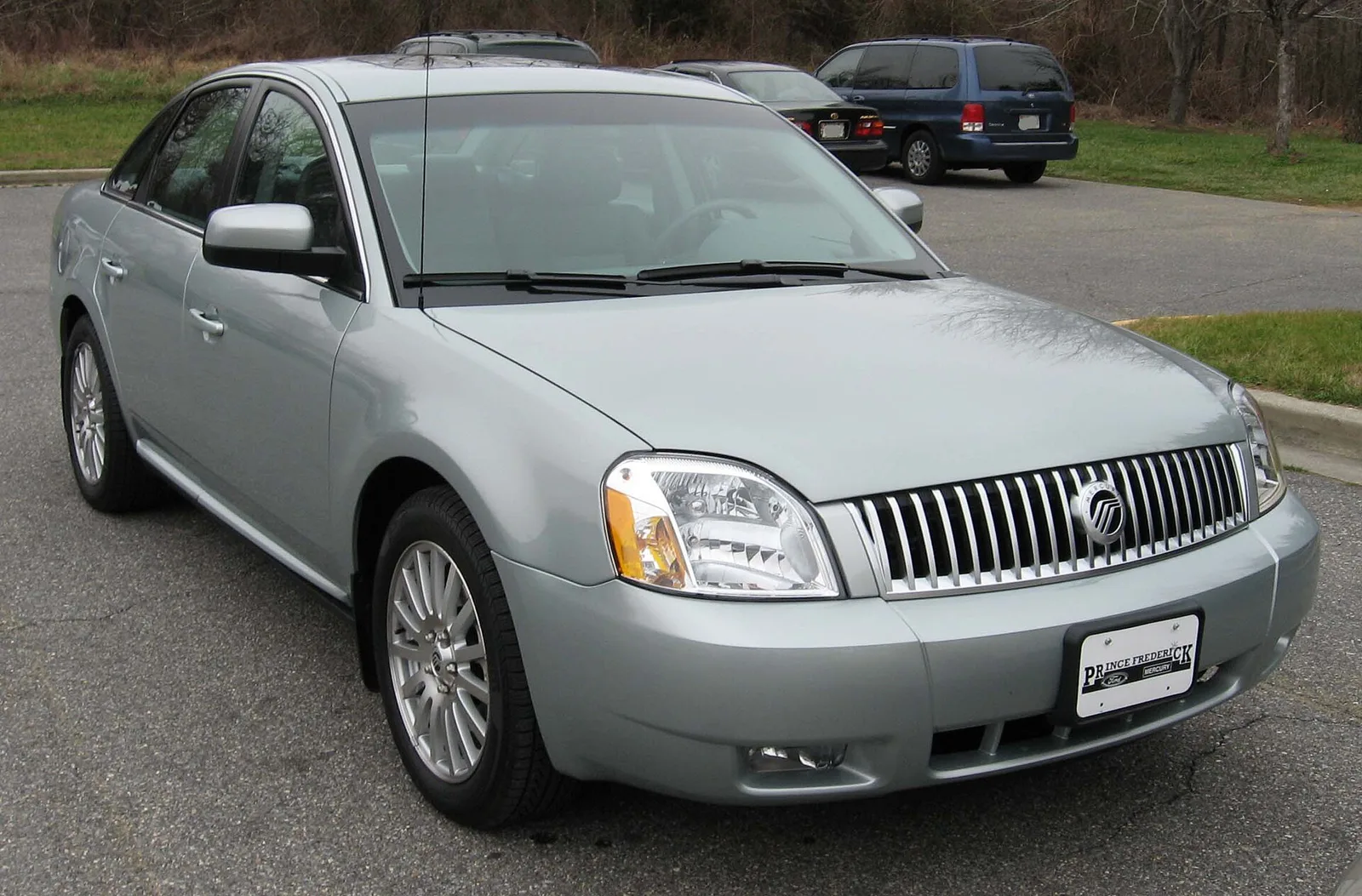
Three generations under one Mercury nameplate, from a 1968 Torino counterpart to a 2005 full-size sedan that was later renamed the Sable.
The Mercury Montego was a Mercury nameplate used on three generations of cars, first seen for 1967 in Canada and sold across North America from 1968. Its 2005 generation was a full-size sedan built on a Volvo-developed platform, and it was renamed the Sable for 2008.
The Mercury Montego was a nameplate used on three separate generations of cars from Mercury, the division of Ford Motor Company. It first appeared for 1967 in Canada, became a North American model for 1968 as the Mercury counterpart of the Ford Torino, and returned in 2005 as a full-size sedan before being renamed the Sable in 2008.
Where did the Montego name come from?
The name refers to Montego Bay, Jamaica. The nameplate first appeared for 1967 in Canada within the Mercury-derived Meteor range, then made its North American debut for 1968. Across three generations it was applied to intermediate and full-size cars, and its final form was a sedan.
The 1968 model was the Mercury counterpart of the Ford Torino, which itself had been phased in to replace the Ford Fairlane. Over the next decade the Montego sat in Mercury's intermediate range, and in 2005 the nameplate moved up into the full-size class.
A nameplate that spanned three generations, from a Torino counterpart to a full-size sedan, before it became the Sable.
What did the first-generation Montego offer?
Buyers could pick a two-door hardtop, a convertible, a four-door sedan or a five-door wagon. It was sold in three trims, Montego, Montego MX and Montego MX Brougham, and it folded the Comet Capri and Comet Caliente into one nameplate.
Meanwhile the high-performance Comet Cyclone was made a stand-alone model line. For 1969 the standard engine changed from a 200 cubic-inch inline-six to a 250 cubic-inch unit. Buyers could add a 351 V8 alongside the 302 and 390 V8s, and cars other than the MX Brougham could take the 428 Cobra Jet V8.
The 1970 facelift
For 1970 the Montego gained an inch of wheelbase on both sedans and wagons. The front end was restyled with a forward-thrusting grille and bonnet, and the MX Brougham carried concealed headlamps. The convertible was dropped and the two-door hardtop received a sleeker roofline.
The MX Villager, the wagon counterpart of the MX Brougham, arrived after exterior wood-panel trim had been introduced on Montego wagons in 1969. The V8 range was also revised: the 390 and 428 were dropped, a 429 V8 was adopted with high-performance versions reserved for Cyclones, and the 351 was swapped for a newly developed engine with the same displacement.
For 1971 the grille became an egg-crate design that kept the forward-thrusting shape, and the concealed headlamps were removed from the MX Brougham and Villager. Mercury began adding the Cyclone to the Montego line that year, and the 429 was dropped from the rest of the range, leaving the 351 Cleveland as the most powerful V8.
How did the 1972 second generation change the design?
The 1972 Montego arrived with the redesigned Ford Torino and moved from unibody to body-on-frame construction. Its split-wheelbase chassis measured 114 inches for two-doors and 118 inches for four-doors and wagons, and the true four-door hardtop gave way to pillared hardtops.
The pillared sedans and wagons kept frameless glass held by a slim B-pillar, while two-door cars kept hardtop roofs with much wider C-pillars. The standard engine was a 250 cubic-inch inline-six, and five different V8s were offered as options.
The Cyclone had reverted to an option package for the Montego in 1972, and only 30 were produced, which makes it one of the rarest Mercury vehicles. In its place Mercury introduced the Montego GT, the counterpart of the Ford Gran Torino SportsRoof, which was offered from 1972 to 1973.
How well did the second-generation Montego sell?
Sales of the 1972 Montego rose 136% over 1971, the first year of the redesign. The MX Brougham led the gains, with two-door sales up 897% and four-door sales up 1,021%. Sales then turned lower after the 1973 fuel crisis, as fuel economy concerns grew across the industry.
For 1974 the Cougar XR7 borrowed the Montego two-door hardtop's body, and the fastback Montego GT hardtop was dropped. The Montego could also be fitted with a 460 V8 shared with the Marquis and Colony Park.
For 1975 all Ford and Mercury intermediates lost the inline-six and 302 V8. The 351 V8 became standard with 400 and 460 V8s optional. Sales fell further as the Cougar competed directly with the two-door Montego and the smaller Monarch drew buyers toward compacts offering better fuel efficiency. The 1976 model year brought only nominal changes, mostly aimed at improving the fuel efficiency of the V8 engines.
What happened to the Montego name in 1977?
For 1977 Mercury dropped the Montego name during a mid-cycle update of its intermediate range. The Cougar line was widened to include sedans and a wagon alongside the coupe, so the former Montego became a fourth generation of the Cougar. The Gran Torino was renamed the Ford LTD II at the same time.
The flagship was the Cougar XR7 personal luxury coupe. Across Ford's range, the Elite was replaced by a downsized Thunderbird that took on the Cougar XR7's role as a counterpart.
What was the 2005 Montego built on?
The 2005 Montego was a full-size sedan that sat between the Milan and the Grand Marquis. It rode on Ford's D3 platform, developed with Volvo and the first full-size Ford platform with front-wheel drive, and was built at Chicago Assembly in Illinois with the Five Hundred and Freestyle.
The Montego succeeded the Mercury Sable and was offered alongside the smaller Milan. Its unibody construction marked a clean break from the body-on-frame Panther platform it moved away from. Against the Grand Marquis, the Montego gave up only two inches of wheelbase yet weighed close to 500 pounds less.
Its only engine was a 3.0L DOHC Duratec V6, shared with the Taurus and Sable it succeeded. Front-wheel-drive cars used an Aisin 6-speed automatic, while all-wheel-drive models used a continuously variable unit from the Ford/ZF partnership.
Total Vehicle Geometry and side impact protection
Ford built the Montego, Five Hundred and Freestyle using Total Vehicle Geometry (TVG), a Volvo-derived system that asked engineers, suppliers and vendors to take a full part in the work. Design changes were logged in a central CAD database, which tightened tolerances on the bodywork at an early stage and supported air leakage tests on the cabin.
Side impact protection came from a cross-car energy-channelling roof tube and a matching undercar tube at the B-pillar. The front seats sit above the lower tube, which places them on a side impact energy path. The design derives from the Volvo Side Impact Protection System, known as SIPS.
How was the 2005 Montego styled?
The 2005 Montego was a four-door sedan only. Its design shared much of its shape with the Ford Five Hundred, but Mercury added a vertical waterfall grille with satin aluminium trim, and HID headlamps and LED taillamps came as standard on the Montego alone.
The car stood over five feet tall, the tallest Mercury sedan in more than 50 years, and it was only two inches lower than a Jeep Cherokee SUV. The overall height also added interior room, which suited the car's upright seating.
The LED taillamps gave the car the biggest LED lighting package of any Ford vehicle worldwide. George Bucher, Ford's chief designer, called shaping a Ford-style body on a Volvo chassis a difficult task. Designers used plainer surfaces and taut lines to keep a modern look without losing passenger-car proportions.
What was inside the 2005 Montego?
The 2005 Montego seated five only and had a console-mounted gearshift, a 60/40 fold-down rear seat and 21 cubic feet of trunk space. Folding the rear seats, or the optional forward-folding front passenger seatback, allowed objects up to 10 feet long to be carried inside. Two airbags were standard, and four more were optional.
Ford called the layout Command Seating. The H-point, the position of the occupant's hip, sat higher than a typical sedan's to ease getting in and out, while remaining closer to the ground than a sport-utility vehicle's. Ford's launch claims put the Five Hundred's H-point as much as four and a half inches above rivals.
The Montego also used theatre seating, with second-row seats set higher. The H-point to heel distance was 12.7 inches in the front row and 15.7 inches in the second row.
Which trims did the 2005 Montego come in?
Mercury sold the 2005 Montego in two trims, Luxury and Premier, rather than the three used on the Five Hundred. The Luxury sat between the Five Hundred SE and SEL with cloth seats as standard and leather optional. The Premier was the Mercury equivalent of the Five Hundred Limited, with leather seats as standard.
The Premier's options were limited, and buyers could add all-wheel drive or a sunroof.
Why was the Montego renamed the Sable?
After a poor critical reception, sales of the Montego and Five Hundred fell below projections from 2005 to 2007. For 2008 both received a mid-cycle update, and the Montego took the Sable name. Alan Mulally ordered the renaming after becoming Ford CEO, arguing that it would bring higher brand value and recognition.
The 2008 update brought new bodywork ahead of the windshield to separate the two model lines more clearly. It also gave the cars clear-lens taillamps, moved the licence plate to the rear bumper, and placed the wiper controls on a left-side column stalk.
Under the bonnet, a 3.5L V6 became the standard engine, and the two earlier gearboxes gave way to a Ford-sourced 6-speed automatic. The update followed pre-production prototypes shown at the 2007 auto shows.
How did Mercury Cyclones perform in NASCAR?
In the 1968 NASCAR Grand National season, the Mercury Cyclone Fastback was judged slightly faster than its Ford counterpart, largely because of its nose. Cale Yarborough won the Daytona 500 in a Wood Brothers Cyclone, and Mercury bodies stayed a major NASCAR force for two generations.
The fastback Fairlane body style was already slicker than rival makes. Chrysler answered with its own winged bodies, the Daytona and the Superbird, once its fastbacks had disappointed in the same contest.
What are the Mercury Montego specifications?
| Specification | Detail |
|---|---|
| First appearance | 1967 in Canada (Meteor line); North America from 1968 |
| Base engine (1968) | 200 cu in inline-six; 250 cu in from 1969 |
| V8 options (1969) | 302, 351 and 390 V8s; 428 Cobra Jet for non-MX Brougham cars |
| Wheelbase (1972) | 114 inches two-door; 118 inches four-door and wagon |
| V8 range (1975) | 351 V8 standard; 400 and 460 V8 options |
| Cyclone package (1972) | Option package; 30 built |
| Platform (2005) | Ford D3, unibody, developed with Volvo |
| Engine (2005) | 3.0L DOHC Duratec V6 |
| Transmission (2005) | Aisin 6-speed automatic (FWD); CVT (AWD) |
| Trunk (2005) | 21 cubic feet |
| Engine (2008) | 3.5L V6; Ford 6-speed automatic |