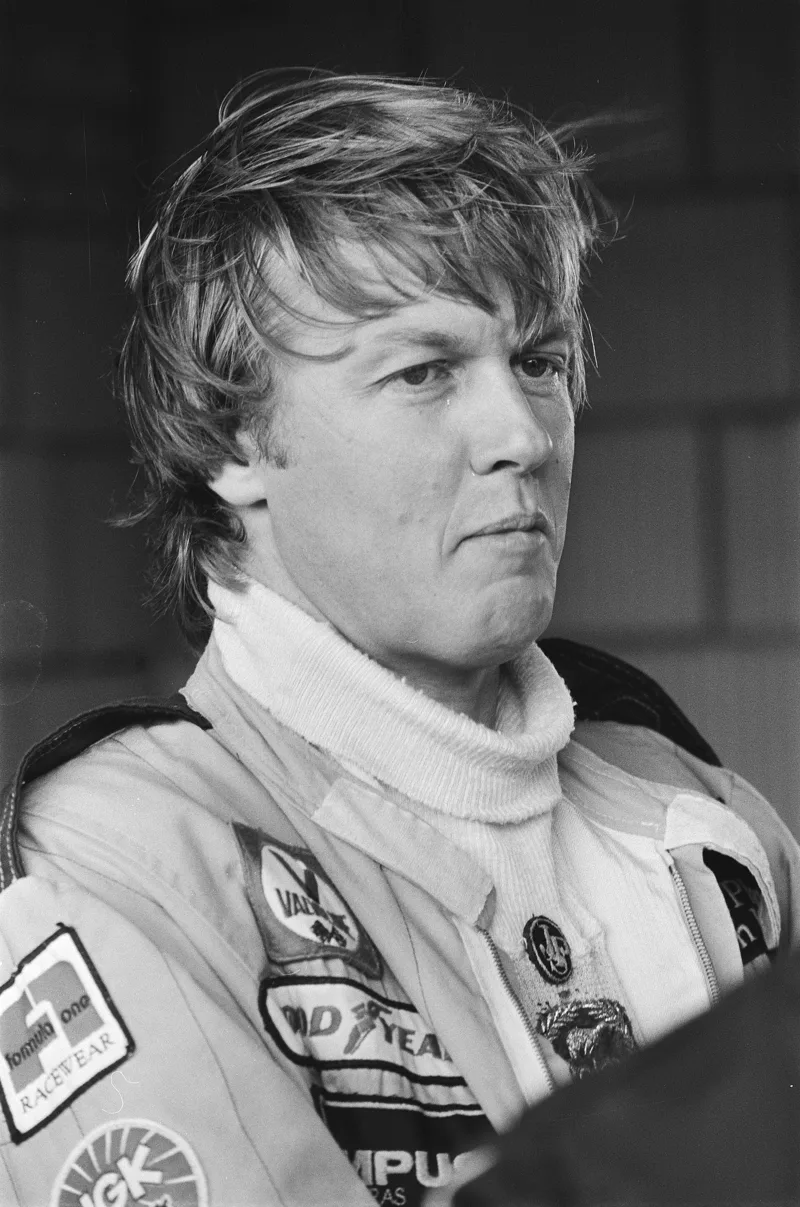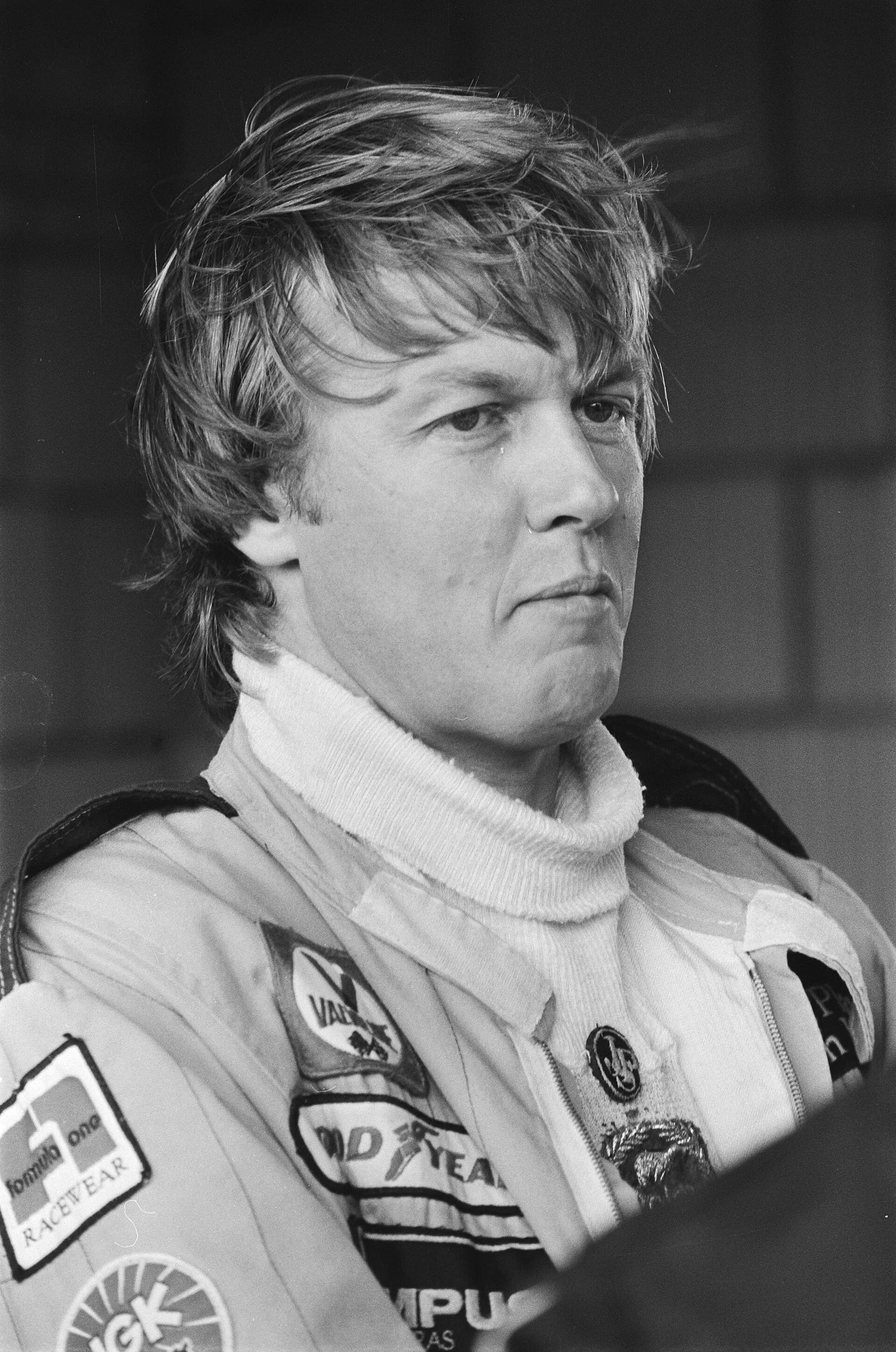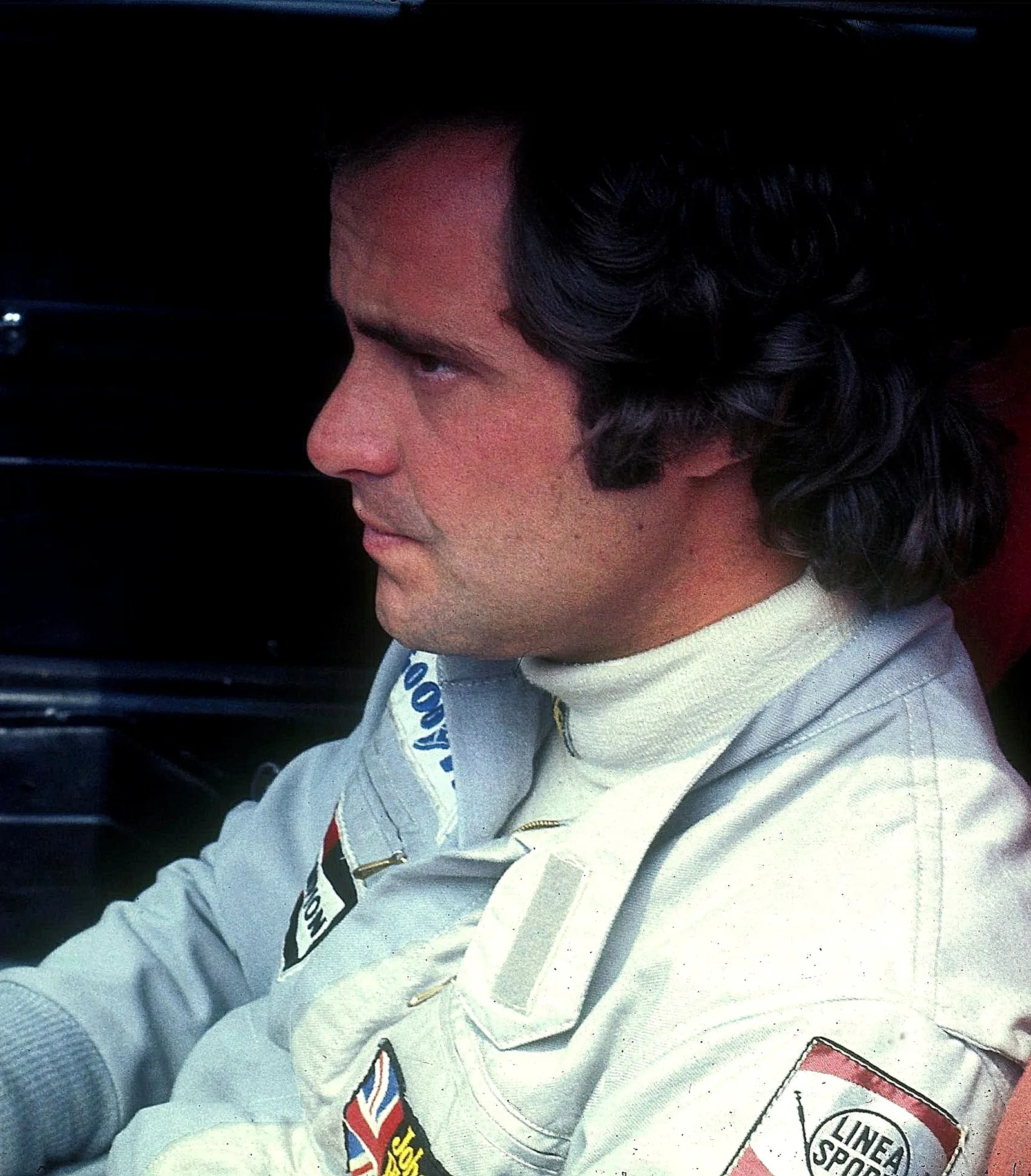
A British Formula Three champion who won the 1977 Belgian Grand Prix for Lotus, Nilsson was diagnosed with cancer as he prepared for Arrows and died in 1978.
A Swedish driver who raced for Lotus between 1976 and 1977, Gunnar Nilsson took his maiden Grand Prix win at Zolder in 1977. He had won the 1975 British Formula Three Championship before a career cut short by illness, and he died of cancer in October 1978.
Gunnar Nilsson was a Swedish racing driver who competed in Formula One from 1976 to 1977 and won the 1977 Belgian Grand Prix for Lotus. He rose through the junior formulae in a few seasons, winning the 1975 British Formula Three Championship. Cancer ended his career in 1978, before he had the chance to race for Arrows.
How did Nilsson reach Formula One?
Nilsson was born in Helsingborg in 1948, the second son of a local building contractor. He served as a submarine radio officer in the Swedish Navy and then studied engineering for four years at Stockholm University. He founded a transport business with his associate Dan Molin, and that company kept him involved even after he became a full-time driver.
He began racing in national events in Sweden in the late 1960s. In 1972 he acquired an RPB Formula Vee car and raced it ten times, winning once at Mantorp Park. In 1973 he moved up to Formula Super Vee with Ecurie Bonnier, driving a Lola T252 and finishing fifth in the championship.
Formula Three followed. He raced a March 743 in the Polifac championship in 1974, collecting several second places but also many spins and minor accidents. A works March drive in the British series in 1975 changed everything, and he won the season opener at Thruxton. That run of success produced the British Formula Three title in only his second season of Formula Three racing.
A Lotus winner in 1977 whose career was cut short by cancer, leaving a lasting reputation for natural talent.
How did Nilsson win the 1977 Belgian Grand Prix?
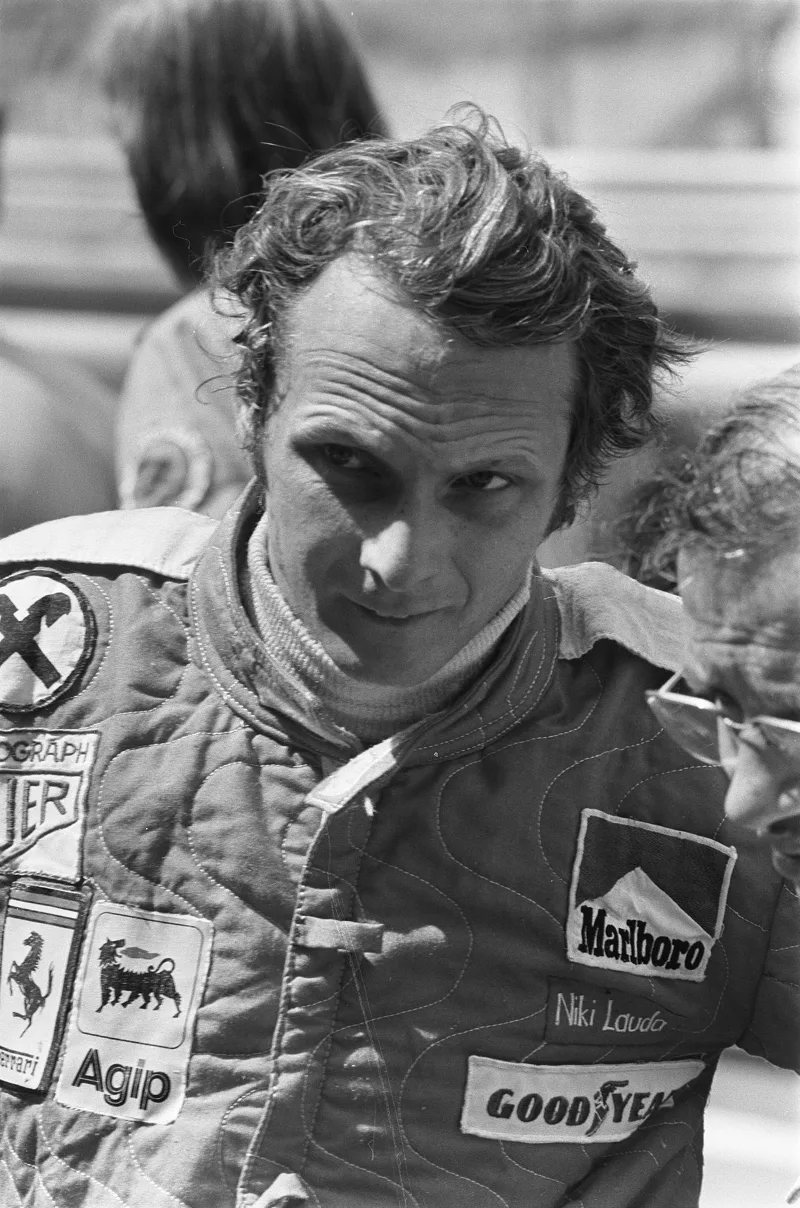
Nilsson won the 1977 Belgian Grand Prix at Zolder for Lotus, passing Niki Lauda's Ferrari with 20 laps to go after a tyre change. It was his maiden Grand Prix win, and it came in his second full Formula One season with the team.
The race was won from a position that had looked unlikely. A vibrating wheel nut forced an early stop for new tyres, and when the track dried he went around the outside of Lauda and then held his lead. The result was a headline victory for a driver who had spent much of the previous year finding his feet.
His Formula One career started on a difficult note. He qualified last of 25 drivers for the 1976 South African Grand Prix, a result put down to the car. The Race of Champions at Brands Hatch was more promising, as he started from the second row and led until a plug lead failed.
What were Nilsson's best Formula One results?
In his first season he scored podium finishes in Spain and Austria, both as third place. He also finished fifth in Germany and sixth in Japan. Accidents and car failures took a toll in the rest of the year, including at Monaco, France, Britain and Watkins Glen.
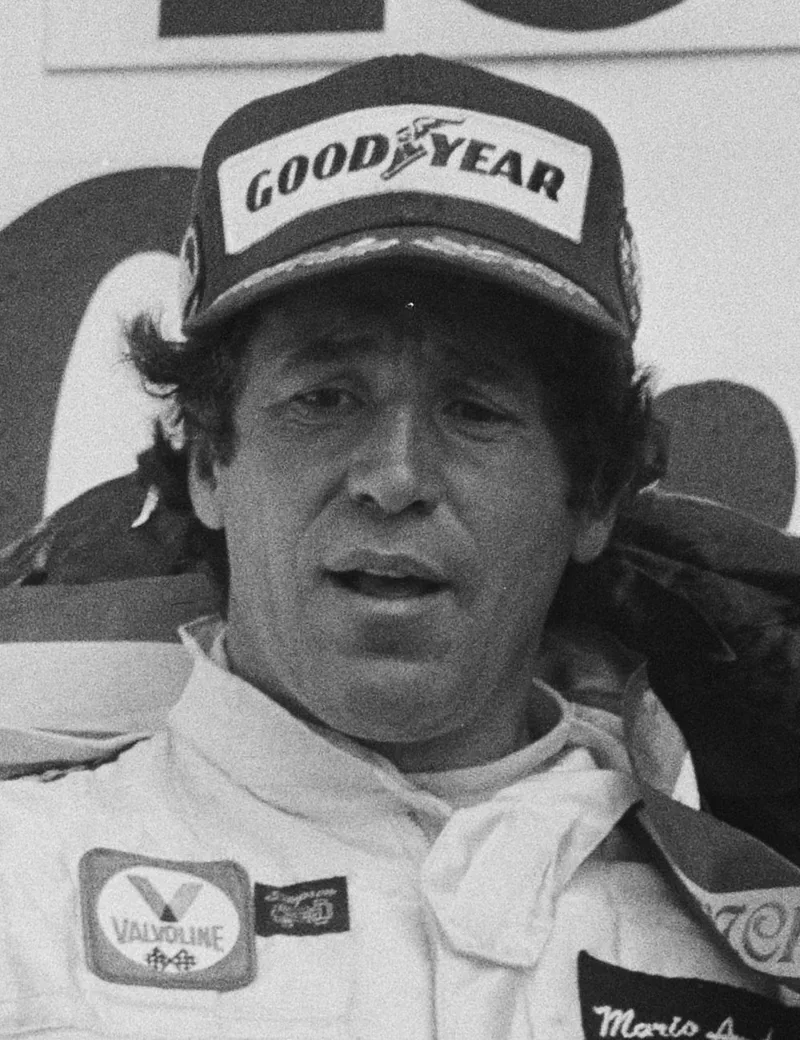
He had signed for Lotus after Ronnie Peterson left the team for March, and he learned from Mario Andretti, his new team-mate. Nilsson and Andretti worked on developing the Lotus 78, a car built around the ground-effect idea.
How did Nilsson's 1977 season go?
It started slowly, with Andretti taking over his car for the Argentine Grand Prix. Nilsson found form at Jarama, where he took fifth, and then won at Zolder. Fourth at Dijon-Prenois and third at Silverstone followed, but a run of retirements in the last seven rounds left him eighth in the championship with 20 points.
Late in the season his qualifying suffered and his results fell away. His relationship with Colin Chapman had cooled, and with Peterson returning to Lotus his place in the team was uncertain. He was already experiencing symptoms of cancer at the time.
His last Formula One race was at Fuji, where he drove an Imperial-liveried Lotus 78. The result was a lacklustre end to a season that had promised more. Outside Formula One he had also raced BMW saloons and a few International Race of Champions events, where he finished fifth at Michigan and sixth twice at Riverside.
When did Nilsson learn he had cancer?
In December 1977, during a routine check-up with a London doctor, Nilsson was told he had testicular cancer. The disease had spread to his lymph nodes by July 1978, and he died on 20 October 1978 at Charing Cross Hospital.
He had signed to race for Arrows in 1978, the team's debut season, but he was too unwell to drive. Rolf Stommelen was signed to replace him, and Nilsson stood down before the first race. Intensive radiotherapy at Charing Cross Hospital left him weakened, and by July 1978 he had lost over thirty kilograms and all of his hair.
He founded the Gunnar Nilsson Cancer Foundation, linked to Charing Cross Hospital, and he declined pain-killing drugs so he could keep working for as long as possible. A George Harrison charity single contributed to the fund, with proceeds from songs taken from Harrison's 1979 album.
Ronnie Peterson died at Monza in September 1978, and Nilsson attended the funeral. The loss affected him deeply, and he returned to the hospital, where he died five weeks later. The Times obituary judged him perhaps the most naturally gifted of his generation.
How is Nilsson remembered?
Nilsson is remembered as a naturally gifted driver who never fully got his chance. A trophy in his name was held in 1979 and won by Alan Jones.
Those who knew him described a warm and energetic character, although he could be solitary and few people became truly close to him. His friend Danny Sullivan shared a London flat with him, and Mario Andretti regarded him as his first true friend among racing drivers.
His life and rivalry with Ronnie Peterson were covered in the book The Viking Drivers, by Fredrik af Petersens, which examines the two Swedish racers together.
What happened at Long Beach in 1976?
At the 1976 United States Grand Prix West in Long Beach, Nilsson survived a huge first-turn accident, but his rear suspension broke half a lap later. The car was pitched into the wall at 160 mph. The incident came in a tough debut year, in which car reliability often let him down.
The BRDC International Trophy was the other English non-championship race on his calendar that year. Long Beach and the Race of Champions had shown both his pace and his bad luck in the same season.
What was the Lotus 78 and how did Nilsson use it?
The Lotus 78 was a ground-effect car that Nilsson and Mario Andretti helped develop during 1977. Ground-effect design uses the airflow under the car to generate downforce, and the Lotus 78 was built around that principle.
Nilsson drove the Lotus 78 at Zolder, where his win came after a tyre change and a drive around the outside of Lauda's Ferrari. He also ran his last Formula One race in the same type of car, at Fuji, in Imperial livery.
What did people close to Nilsson say about him?
Those who knew Nilsson described him as warm and energetic, with a love of life. His enthusiasm and confidence made him naturally persuasive, a quality that Formula Three teammate Alex Ribeiro credited with helping him progress early in his career.
The same confidence made him a memorable patient in hospital. Even as his condition worsened, he convinced medical staff to bend certain rules for him, including allowing a telephone in his room.
He could also be complex. He sometimes became solitary and detached himself from social situations, and his contemporaries linked this to the lack of a father figure, since his father had died when he was young.
How did Nilsson's Formula Three success set up his career?
Nilsson's 1975 British Formula Three title came from a season of wins, including the opening round at Thruxton, Aintree, Ring Knutstorp, Snetterton and Silverstone. That run caught the eye of Ted Moore of Rapid Movements, who signed him to race a Chevron in Formula Atlantic.
In Formula Atlantic he finished fourth on his first outing and then won the next five races, four of them from pole position. Those results earned him a test in a Formula One car at Goodwood at the end of 1975, driving a Williams FW03.
Who was Ronnie Peterson in Nilsson's story?
Peterson was a fellow Swede whose move from Lotus to March created the seat that Nilsson took. Nilsson had watched the exploits of Peterson and Reine Wisell before deciding that he wanted to race.
Peterson died at Monza in September 1978, five weeks before Nilsson. The loss affected Nilsson deeply, and he attended the funeral before returning to the hospital. The Viking Drivers, by Fredrik af Petersens, covers the two men together.
What was the Gunnar Nilsson Memorial Trophy?
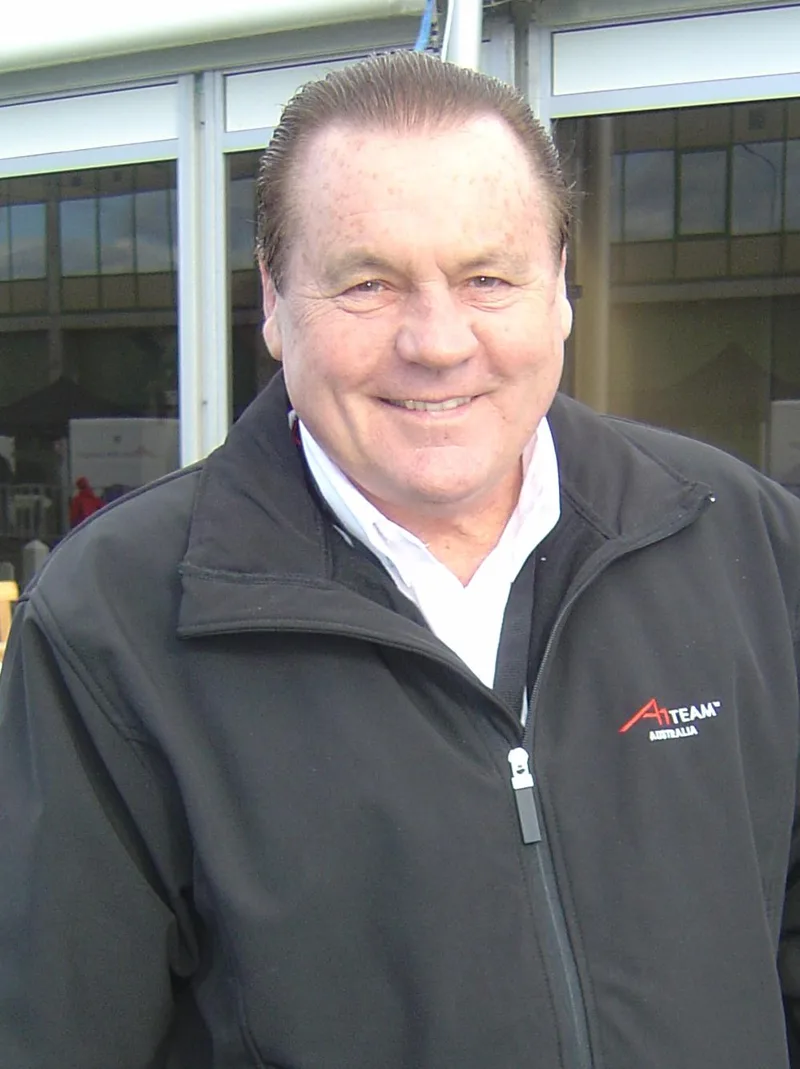
The Gunnar Nilsson Memorial Trophy was held in 1979, and Alan Jones won it. The trophy carried Nilsson's name in the year after his death.
What were the junior categories Nilsson raced in?
Formula Vee and Formula Super Vee were feeder categories built around Volkswagen-based engines, and Formula Three and Formula Atlantic were the next steps up. Nilsson moved through each in turn, which is how he reached Formula One within a few seasons of starting in single-seaters.
Formula Two sat between Formula Three and Formula One, and it was the route March had offered him in 1976 before the Lotus opportunity arose. Each rung of that ladder demanded more budget and more consistent results from the drivers climbing it.
Did Nilsson race in America?
Yes, though only briefly. In September 1977 he took fifth at Michigan in the International Race of Champions, and a month later he scored two sixth places at Riverside. The series invited drivers from several categories to race identical cars, a format that was very different from Formula One.
He showed plenty of enthusiasm for oval racing, which was new to him.
| Measure | Detail |
|---|---|
| Born | 20 November 1948 |
| Died | 20 October 1978 |
| Formula One seasons | 1976 to 1977 |
| Grand Prix win | 1977 Belgian Grand Prix |
| Championship position 1977 | eighth, with 20 points |
| British Formula 3 title | 1975 |