A new bodywork rule, a fuel gamble that failed in the closing laps and a Chevrolet sweep of qualifying that did not carry over into the top ten.
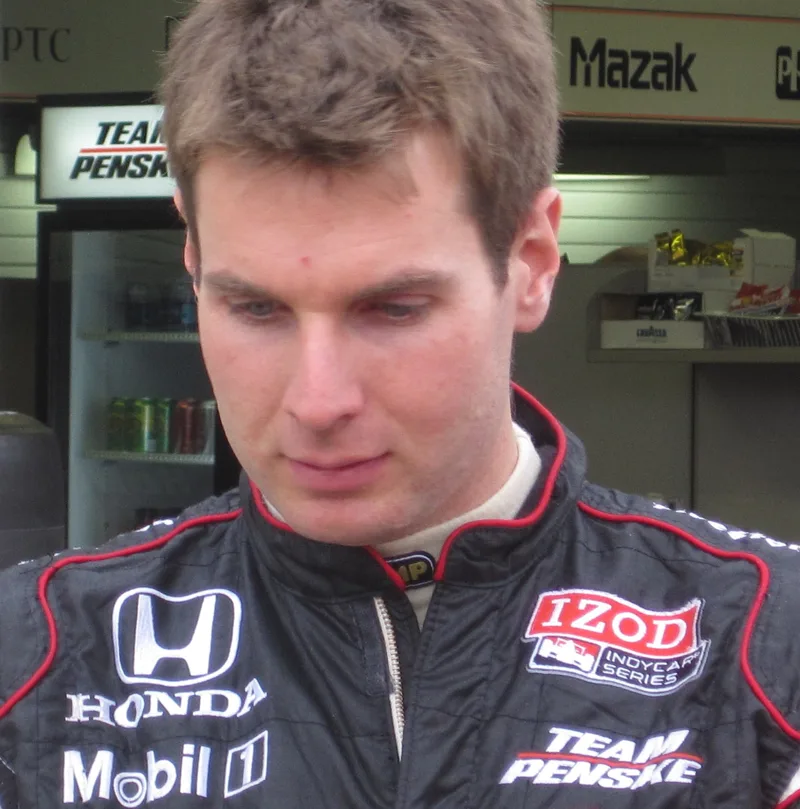
The 102nd Indianapolis 500 was held on 27 May 2018 in Speedway, Indiana, and won by Will Power of Team Penske. Ed Carpenter finished second after starting from pole, and Chevrolet took the first two places.
Will Power took the 102nd Indianapolis 500 for Team Penske, with Ed Carpenter second after starting from pole. Chevrolet finished one-two, and the result gave Roger Penske his 17th Indianapolis 500 win.
What was the 2018 Indianapolis 500?
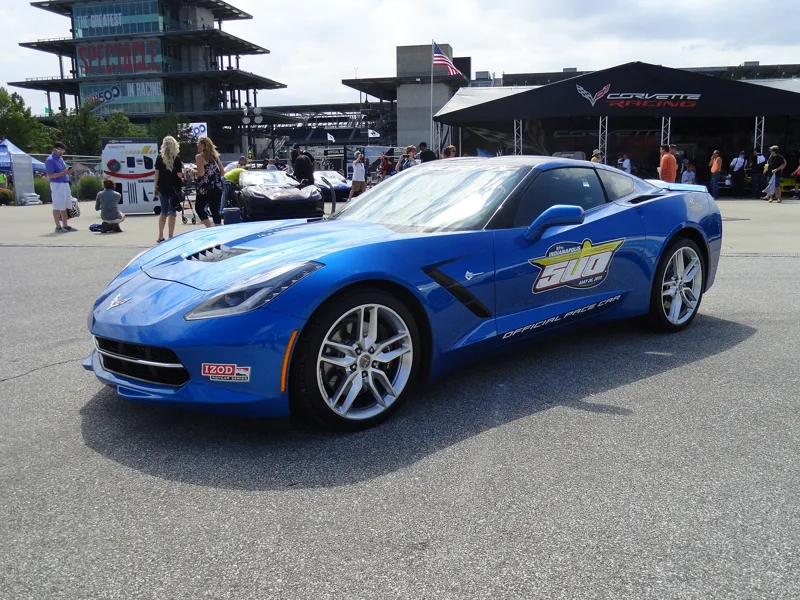
The race took place on Sunday 27 May 2018 on the oval in Speedway, Indiana, and it was the headline event of the 2018 IndyCar Series. Power, an Australian, won it for Penske.
Penske's 17th Indianapolis 500 as an owner is a record, and the Chevrolet pair occupied the first two places at the flag.
The month had opened on 12 May with the fifth IndyCar Grand Prix, run on the road course. Practice for the 500 began on Tuesday 15 May, and the time trials were held on 19 and 20 May. Carb Day, the last practice day, came on Friday 25 May with the Pit Stop Challenge and the Indy Lights Freedom 100.
Will Power won the 2018 Indianapolis 500 for Penske after a late fuel gamble failed, with Chevrolet taking the first two places.
How did the race develop?
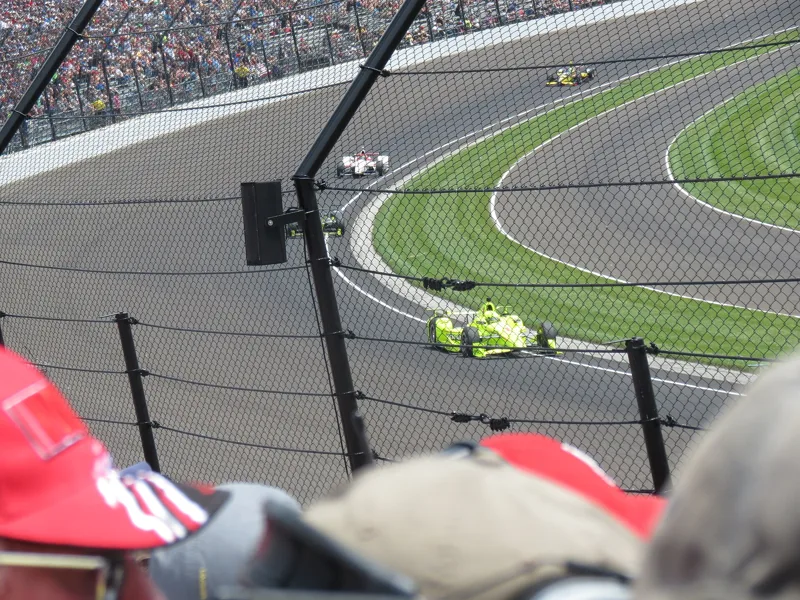
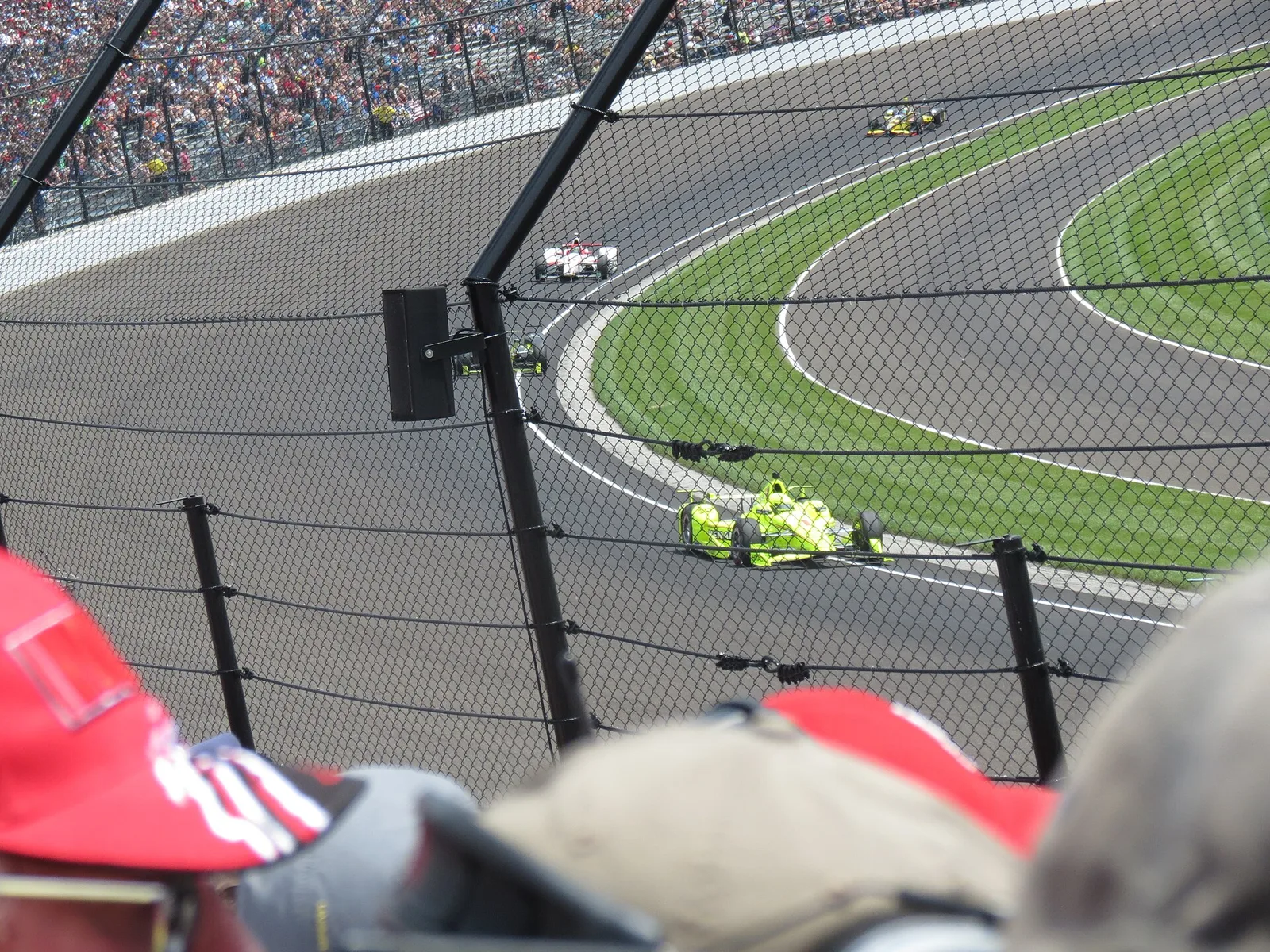
Power and Carpenter traded the lead for much of the afternoon. The field was judged less competitive than in recent years, a shift largely blamed on a new aero kit.
Pit strategy and a late caution made the difference in the closing stage. On the restart at lap 194, Oriol Servia, Stefan Wilson and Jack Harvey were all trying to make their fuel last, hoping for a late yellow and a surprise win.
With four laps left, Wilson and Harvey both had to pit for fuel, and Servia followed a lap afterwards. Power inherited the lead and cruised home after leading 59 laps.
How did Carpenter and Rossi finish?
Carpenter led 65 laps and took second, which was his best finish in the race. He had started from pole, and he and Power set the pace for most of the afternoon.
Alexander Rossi, the 2016 winner, made the most striking charge of the day. He moved from 32nd on the grid to fourth, and he led one lap along the way.
What did the win mean for Power and Penske?
Power won the road-course race earlier in May, his third victory in that event, and then took the 500 itself. That made him the first driver to sweep both events in one season.
Penske added the NASCAR Brickyard 400 later in the year, making it the second team to sweep the Indianapolis 500 and the Brickyard 400 in one season.
How did Chevrolet perform?
Chevrolet took nine of the top eleven places in qualifying and then finished first and second in the race. It was Chevy's first Indianapolis victory since 2015 and its tenth overall.
Chevy had gone into May as the clear favourites, yet only two other Chevrolets reached the top ten at the finish. That gap between expectation and result was one of the stories of the day.
Why did Hinchcliffe miss the race?
James Hinchcliffe, the 2016 pole winner, did not make the field. On his second attempt a loose tyre pressure sensor set up a vibration, which sent him back down pit road.
He could not change his tyres in time, and the closing gun sounded while he was still waiting in line. It was a bitter end for a driver with a strong record at the track.
How did qualifying and the pole work?
Carpenter took pole, the third of his career at Indianapolis. Only the nine fastest qualifiers earned points, with 9 for pole sliding down to 1 for ninth.
The nine cars that went through to the shootout were settled on Bump Day, and the order at the front was then set in that shootout on Sunday.
What changed for the cars in 2018?
The 2017 race was the last of three seasons with the Chevrolet and Honda aero kits on the Dallara DW12 chassis. For 2018 every DW12 safety cell received one universal bodywork kit.
The common package was dubbed the IR18 car. Renderings appeared in early May 2017, the design was unveiled in late July, and the kit became known as UAK18.
The look borrowed from CART's 1990s and 2000s designs. The roll hoop had no airbox, a configuration not seen at the 500 since 1996.
The minimum weight increase amounts to 10 lb (4.536 kg), bringing the figure to 1,590 lb (721.212 kg) on superspeedways, to cover the extra safety equipment.
How did the qualifying points system change?
The points for qualifying were overhauled for 2018. Only the top nine qualifiers now scored, with the pole earning 9 and the ninth-fastest car earning 1.
Before, all 33 starters had collected points on a higher scale. Race finishing points were left alone.
What rule changes affected practice?
The Monday session after the road-course race was scrapped. The track and garages were shut on Sunday 13 May for Mother's Day, and Monday 14 May was spent turning cars from road course to oval set-up.
To claw back time, practice days began at 11:00 instead of noon, and the circuit shuts at 18:00 each evening.
What changed in the pit area?
The pit boxes were resurfaced with fresh concrete. They replaced boxes in use since the pit lane was rebuilt in 1994 for NASCAR, IndyCar and sports car events.
How did the IndyCar season build up to May?
The 102nd 500 came as round six of the 2018 IndyCar season, and the 23rd sanctioned under the Indy Racing League name. Four different drivers had won in the first five rounds.
Sebastien Bourdais took the St. Petersburg opener for the second straight year, inheriting the lead after a late restart collision between the leaders. Newgarden won at Phoenix and at Birmingham, Rossi took Long Beach, and Power won the road-course Grand Prix for a third time.
Who changed teams or cars for 2018?
Chip Ganassi Racing cut back to two cars, Dixon and Jones. Penske went from four full-time cars to three.
Castroneves moved to the WeatherTech SportsCar Championship and raced only at Indianapolis for Penske. Montoya, a two-time 500 winner, had no ride for 2018.
Sato left Andretti Autosport for Rahal Letterman Lanigan Racing, having driven for Rahal in 2012.
Who was on the entry list?
The entry list appeared on 1 May with 35 cars. Stefan Wilson joined Andretti for the race, and Danica Patrick came back for her first 500 since 2011, in a GoDaddy-backed car for Ed Carpenter Racing.
Her last NASCAR start had come in February at the Daytona 500. A rumoured 36th entry for 1996 winner Buddy Lazier never came.
Pietro Fittipaldi was originally set for a Coyne entry, but he fractured both legs in a qualifying crash at Spa on 4 May. Zachary Claman DeMelo replaced him.
How did testing begin?
Four days of track time were planned at the Speedway before the opening. Honda ran a manufacturer test on the road course on 23 March.
Oval running for 27 to 29 March was called off in the face of bad weather. A full open test came on 30 April, the rookie and refresher programme on 1 May and a manufacturer test on 2 May.
What did the 2017 tests show?
The first official run of the universal bodywork took place on 25 July 2017. Montoya took the Chevrolet for Penske, while Servia drove the Honda for Schmidt Peterson.
Honda used one of its four discretionary dates on 26 October 2017. Hinchcliffe and Dixon each covered over 130 laps, though a cold start delayed the day.
What did the 30 April open test show?
Twenty-one drivers took part in the open test on Monday 30 April, in 72 F (22 C) weather. Rookies and drivers needing refresher sessions were excluded.
Kanaan posted the fastest lap at 226.181 mph, and his best no-tow effort was 223.240 mph. Andretti led the morning at 223.997 mph, and Kanaan took the afternoon.
The day produced 1,820 laps with no incident. Newgarden tried out a windscreen, a first for a superspeedway test, and the session was jokingly called May 0.
What happened in the rookie and refresher tests on 1 May?
Kaiser, Leist and Wickens passed all three rookie phases in the morning. Fittipaldi sat out the day to race at Spa.
The three phases were ten laps each, at 205, 210 and 215 mph. In the afternoon, Howard, Patrick and Karam completed their refresher runs in 81 F (27 C) heat.
Wickens was the day's fastest car at 220.111 mph, driving Hinchcliffe's machine after gearbox trouble in his own. Patrick's laps at the Speedway were her first in an Indy car since 2011. Across the session, the six drivers managed 355 laps, and Howard nearly touched the wall at turn two.
What did the manufacturers' test on 2 May show?
The private Honda and Chevrolet test on 2 May was windy and sunny, which limited the running.
Kanaan led at 226.680 mph, ahead of Carpenter and Chaves. Wickens was the fastest Honda at 223.7 mph.
How did practice open on 15 May?
The first practice day ran in three blocks: 11:00 to 1:00 for veterans, 1:00 to 3:00 for rookie and refresher drivers, and 3:00 to 6:00 for everyone.
Pagenaud set the fastest time at 225.787 mph in the first block. Carpenter was quickest without a tow, at 221.512 mph.
A passing thunderstorm halted the last block just before 4:00 p.m., and it resumed after about an hour.
What did 16 and 17 May bring?
On 16 May, a failed throttle sensor left Kanaan stranded at 4:02 p.m. on the backstretch. Marco Andretti became the first to pass 227 mph, at 227.053 mph.
Kanaan still set the day's best no-tow speed, at 223.048 mph, and all 35 cars ran, covering 3,349 laps, the busiest practice day in more than ten years.
On 17 May, J. R. Hildebrand drifted wide after turn 3 and hit the wall, the first incident of the month. Rahal was fastest at 226.047 mph, and Power's best no-tow figure was 223.971 mph.
What changed on Fast Friday?
Rain threatened all day on Fast Friday, but it only interrupted the session briefly in the afternoon. Teams raised their boost levels for qualifying, and speeds climbed as a result.
Andretti reached 231.802 mph, the fastest speed of the month. Power's no-tow best was 229.780 mph.
James Davison lost control in turn 2 and hit the outside wall, the one serious incident of the day.
How did Bump Day set the field?
On Saturday 19 May, 33 cars were set for the starting lineup and nine more were lined up for the Fast Nine. Two periods of rain interrupted the day, but all 35 entries got their attempts in.
Castroneves posted the day's best figure, averaging 228.919 mph over four laps. The Fast Nine was made up of Power, Bourdais, Pigot, Newgarden, Dixon and Patrick, with Carpenter and Pagenaud also in the shootout.
Race result highlights
| Finish | Driver | Notes |
|---|---|---|
| 1st | Will Power (Team Penske) | Led 59 laps; swept the IndyCar Grand Prix and the 500 in one season |
| 2nd | Ed Carpenter | Pole position; led 65 laps; best finish in the race |
| 4th | Alexander Rossi | Charged from 32nd on the grid; led one lap |
| Top two | Chevrolet | First Indy victory since 2015; nine of the top eleven in qualifying |
| Did not qualify | James Hinchcliffe | 2016 pole winner; closing gun sounded during his second attempt |
Why does the 2018 Indianapolis 500 still matter?
It completed a rare double for Power, who took the road-course Grand Prix and the 500 in the same year, a first.
The new bodywork and the revised qualifying points changed how teams approached the month, and the late fuel gamble showed how a single caution can reshape a result.