A 36-race season with new Nissan and Mercedes-Benz entries, a cheaper car formula and a championship settled at Sydney Olympic Park.
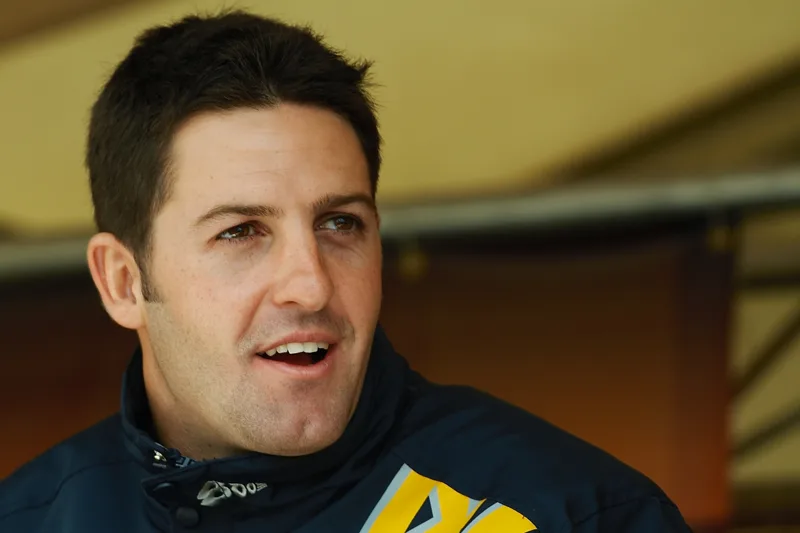
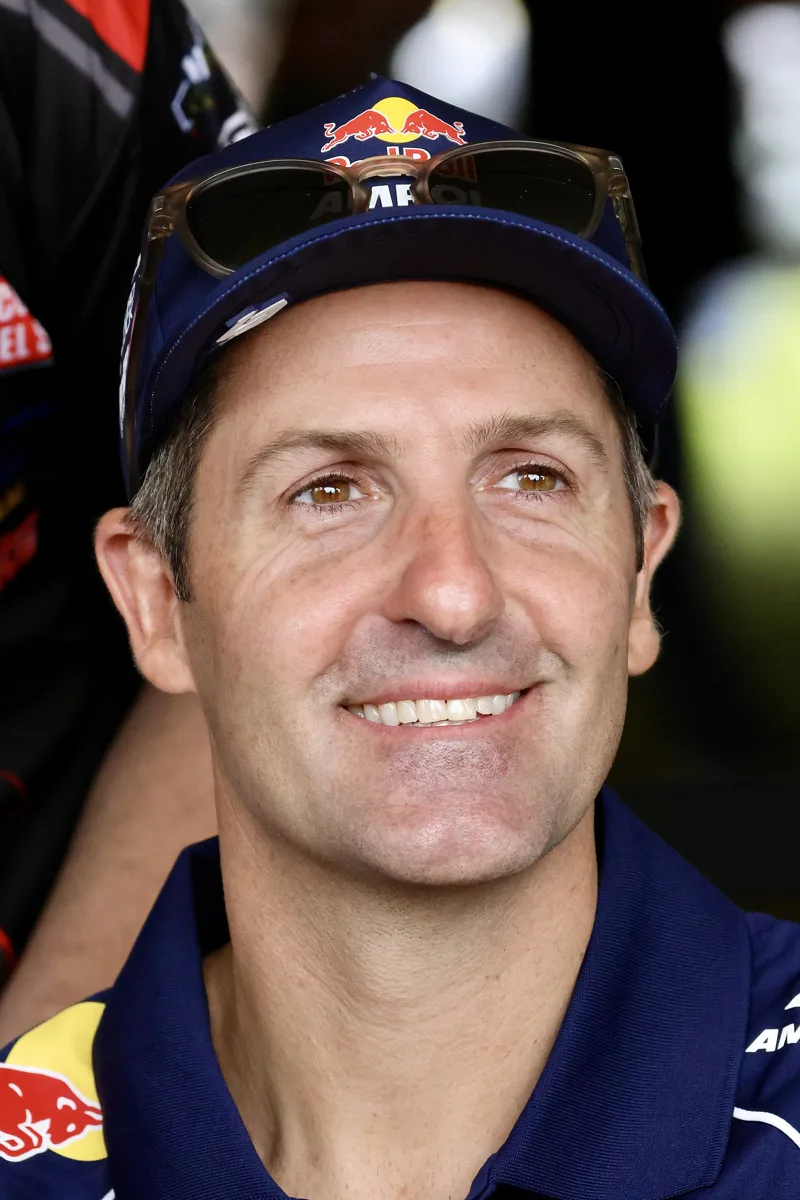
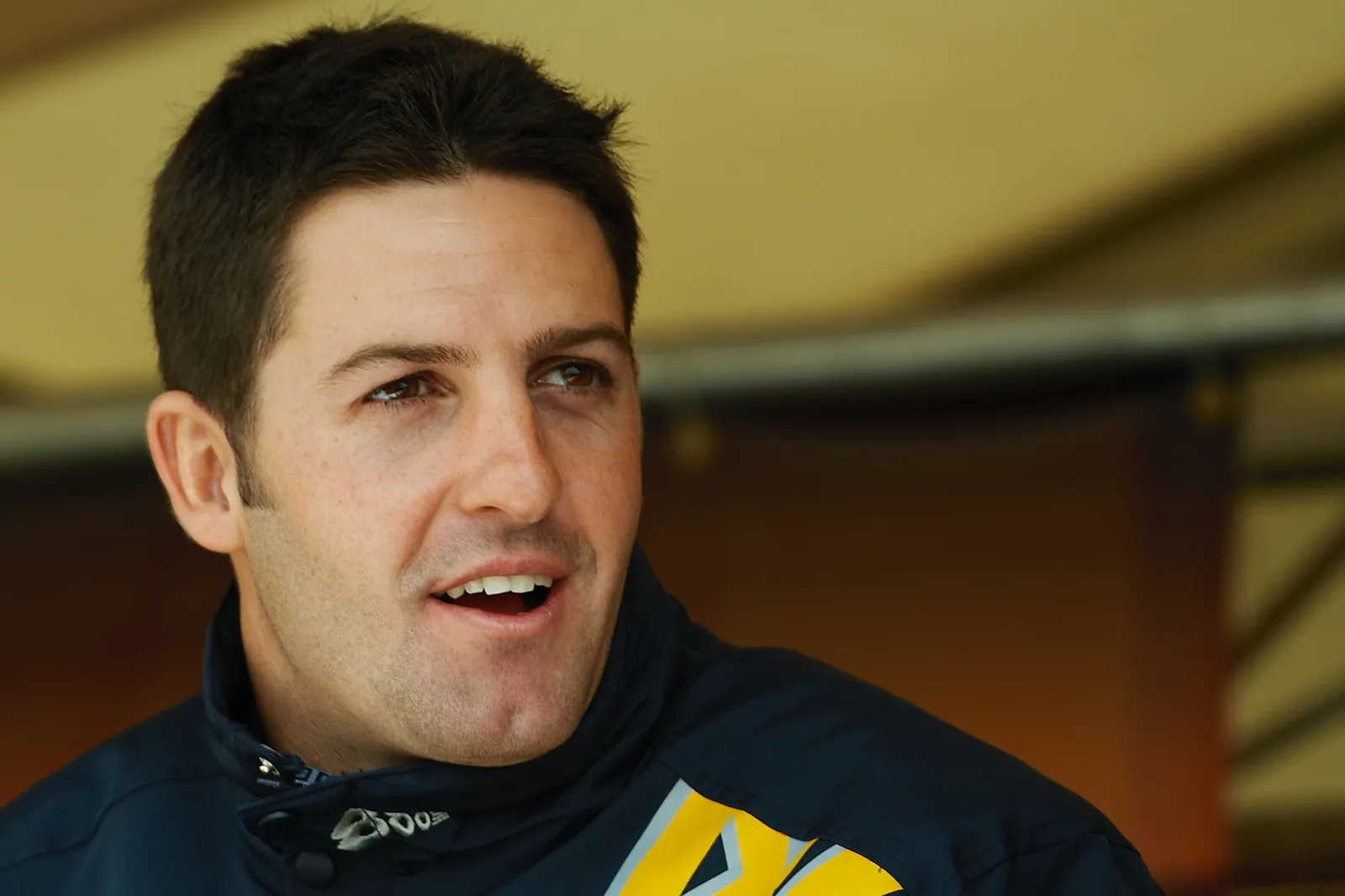
Jamie Whincup took his fifth title at the 2013 finale in Sydney, a result that matched the record for most titles. His Triple Eight team also took its fourth straight teams' championship, in a 36-race season that introduced the New Generation cars.
Whincup's fifth title came in the 2013 season, the 15th running of the V8 Supercars championship. The year brought in the New Generation cars, which had been developed since 2008 to cut running costs, and Nissan and Mercedes-Benz joined the grid.
What was the 2013 V8 Supercars Championship?
The series was sanctioned by the FIA as an international motor racing championship. It was the 17th series in which V8 Supercars had contested Australia's leading touring car title, and the calendar stretched across Australia, New Zealand and the United States.
Holden teams ran the VF Commodore, which took over from the VE, and Ford kept racing its FG Falcon. Nissan and Mercedes-Benz were new to the grid, which gave the 2013 field more variety than the years before.
Whincup held his drivers' crown, and Triple Eight Race Engineering retained the teams' title for a fourth year in a row. The championship went to the final round at Sydney Olympic Park, where Whincup clinched a fifth title that equalled the record.
Whincup's fifth title came in a season of cheaper cars, new manufacturers and four different winners in one New Zealand weekend.
What was the New Generation V8 Supercar?
The idea grew out of a 2008 working group that examined the category's long-term future. It found that, in the fifteen years since only two manufacturers had been allowed, the cost of building and running a competitive car had roughly doubled, with some estimates putting it as much as A$600,000 per car each season.
The new formula targeted running costs of A$250,000 a season. Control parts were introduced for the chassis, roll cage, differential, brakes, cooling, fuel systems and rear suspension, so teams no longer designed those items themselves.
Bigger fuel tanks were a deliberate move against economy racing, the tactic in which drivers nursed fuel late in races. Compulsory stops were built into event formats so that drivers could push flat out, and manufacturers could design their own aerodynamic aids, which had to pass parity testing so that no model held an edge.
Engine choices were open. A manufacturer could use a generic, re-badged engine developed by the category or build its own unit to a homologated specification, and it could develop that base engine during the season. None had taken the generic option when the season began. Every team built brand-new cars for 2013, and most of the older machines went to the V8 Development Series. The programme was renamed the New Generation V8 Supercar in November 2013.
Which teams and drivers changed for 2013?
Dick Johnson Racing lost the number 18 contract to Charlie Schwerkolt, dropping to two cars. Steven Johnson stepped back to a general manager role while racing in the Carrera Cup, and Tim Blanchard joined full-time with Jonny Reid in the second seat.
Ford Performance Racing grew to four cars by acquiring the number 18 contract, and Prodrive sold its FPR stake to Nash and French that January. Lucas Dumbrell Motorsport added a second car by buying the number 49 contract from Paul Morris Motorsport, with Dean Fiore and Scott Pye as its drivers.
Kelly Racing moved from Holden to Nissan Altimas and took the name Nissan Motorsport, which Gibson Motorsport had last used in 1991. James Moffat moved across from Dick Johnson Racing to replace Greg Murphy at the works team, and Michael Caruso left Garry Rogers Motorsport to take Karl Reindler's seat.
Shane van Gisbergen stepped away at the end of 2012 but came back in January 2013 with Tekno Autosports, replacing Michael Patrizi. Scott McLaughlin moved to Garry Rogers Motorsport full-time, and Maro Engel made his series debut with Erebus Motorsport, which fielded three Mercedes-Benz E63 AMGs without help from the German manufacturer.
What changed in the calendar and formats?
The calendar was released on 15 October 2012, holding 36 races across three countries. A non-championship race in Melbourne also took place to support the Australian Grand Prix, and the Circuit of the Americas hosted a round in May on its shorter national layout.
Pukekohe Park Raceway returned to the calendar in place of the Hamilton 400, which had been held for the last time in 2012. The track had been reconfigured to meet the FIA's Grade 2 standard, which it needed after being awarded International status in 2011. Sydney Motorsport Park was left off the 2013 list, and the Yas Marina event fell away when the Abu Dhabi support package grew to include GP2 and GP3 rounds.
The 60/60 Sprint format appeared at six venues. The Saturday race covered 120 km in two 60 km parts with a fifteen-minute break between them, and the Sunday races each covered 100 km.
The Enduro Cup was a new trophy for the three endurance races. Teams no longer had to field an international co-driver at the Gold Coast 600, and they could pair each driver with anyone they chose.
How did the season unfold early on?
Adelaide opened the title race with Triple Eight in front. Craig Lowndes took the first race after van Gisbergen, who had started from pole, made a bad getaway. Van Gisbergen then won the second race from pole by two seconds with Whincup behind him, and Lowndes' third place gave him a twelve-point lead.
Tasmania belonged to Brad Jones Racing, which won every race. Coulthard recorded his first V8 Supercar victory in the opener, Jason Bright won the second, and Coulthard added a second win in the third race. Lowndes lost his lead after tangling with van Gisbergen, and Whincup moved ahead on the podium.
New Zealand produced four winners from four races. Scott McLaughlin won his first race in the opener and became the youngest driver to win a V8 Supercar event. Whincup won race two after a chaotic start, Will Davison took the third for Ford, and Jason Bright claimed the fourth and the Jason Richards Memorial Trophy for the most points.
A fifteen-point penalty for an unsportsmanlike pass in race three cost Whincup ground, and Davison took the championship lead.
Which events shaped the middle of the season?
Barbagallo was a Triple Eight sweep. Lowndes won the Saturday sprint for his ninety-first career win, passing Mark Skaife's old mark of ninety. Whincup won the next two races and took back the lead from Davison, who had suffered a puncture in the opener.
At Austin, Whincup dominated, winning three of the four races. Coulthard denied him a clean sweep in the third race. Whincup then argued that unseen forces had produced a penalty for him, Coulthard and Lowndes over a safety car breach in race three.
Hidden Valley produced three winners in three races: Whincup, Mark Winterbottom and Craig Lowndes. David Reynolds claimed a second career pole there, and Tim Slade's Mercedes finished in the top ten in race one before a first-lap crash eliminated him in race three.
Townsville opened with a Ford one-two, with Will Davison ahead of Mark Winterbottom in the sprint. Holden took the Sunday race with Garth Tander leading James Courtney home, which was the team's first win since the 2011 Bathurst 1000.
At Queensland Raceway, Whincup took pole and won the sprint, while McLaughlin beat him in race two. Chaz Mostert then won the third race from second on the grid, and it was Dick Johnson Racing's first win since November 2010.
At Winton, James Moffat gave Nissan Motorsport its first win since 1992 in the sprint. Nissan's cars had run an E70 fuel blend, rather than the usual E85, to test how it balanced fuel economy between engines from different manufacturers, and that choice drew criticism.
| Event | Winner | Note |
|---|---|---|
| Adelaide (two races) | Craig Lowndes; Shane van Gisbergen | Lowndes won race one; van Gisbergen won race two |
| Tasmania (three races) | Fabian Coulthard, Jason Bright, Coulthard | Brad Jones Racing won every race |
| New Zealand (four races) | Scott McLaughlin, Jamie Whincup, Will Davison, Jason Bright | Four winners in four races |
| Barbagallo (sprint format) | Craig Lowndes, Whincup, Whincup | Lowndes reached his ninety-first career win |
| Austin (four races) | Jamie Whincup (three), Fabian Coulthard (one) | Whincup took most of the weekend |
| Hidden Valley (three races) | Whincup, Mark Winterbottom, Craig Lowndes | Three different winners |
| Townsville (two races) | Davison and Winterbottom; Garth Tander | Holden one-two in the Sunday race |
| Queensland Raceway (three races) | Whincup; McLaughlin; Chaz Mostert | First Dick Johnson Racing win since November 2010 |
| Winton (three races) | James Moffat; Winterbottom; James Courtney | Nissan's first win since 1992 |
| Sandown 500 (endurance) | Jamie Whincup and Paul Dumbrell | Lowndes and Luff, and Davison and Owen, finished behind |
| Bathurst 1000 (endurance) | Mark Winterbottom and Steven Richards | Quickest Bathurst 1000 on record |
| Gold Coast 600 (two races) | Craig Lowndes and Warren Luff; David Reynolds | Reynolds won his first career race |
| Phillip Island (three races) | Garth Tander; Craig Lowndes; Jamie Whincup | Tander won the 60/60 Sprint |
| Sydney Olympic Park (three races) | Jamie Whincup (race one); Shane van Gisbergen (final race) | Whincup sealed the title with a twilight win |
How was the title settled?
Whincup and Dumbrell still took the Sandown 500, even after a drive-through for wheelspin while the car sat on jacks during a pit stop. Their rivals Lowndes and Luff, and Davison and Owen, finished behind them. The result showed the pair could recover from a penalty in a long race.
The Bathurst 1000 went to Winterbottom and Steven Richards for Ford Performance Racing. Richards claimed his third win and Ford its first since 2008, and Whincup and Dumbrell finished second after Whincup and Winterbottom battled for the lead in the final stint.
That race lasted just over six hours, the quickest Bathurst 1000 on record, and it had only two safety car periods. One followed debris from a kangaroo strike at Griffins Bend, and the other came after Greg Murphy crashed heavily at Reid Park.
At the Gold Coast, Whincup and Dumbrell failed to finish the Saturday race, which put Lowndes at the head of the standings. Lowndes and Luff won that race from pole, and Whincup finished fourth on Sunday, which left Lowndes six points clear.
Phillip Island was decided by small margins. Garth Tander won the Saturday sprint, and Whincup moved back into the lead by finishing fourth. Going into the final round Whincup held a 20-point advantage over Lowndes.
At Sydney Olympic Park, Whincup won the twilight first race to clinch the title and finished on the podium in the second. Van Gisbergen won the season's final race, moving into the top five in the standings after his earlier collision with Coulthard on the last lap of race one.