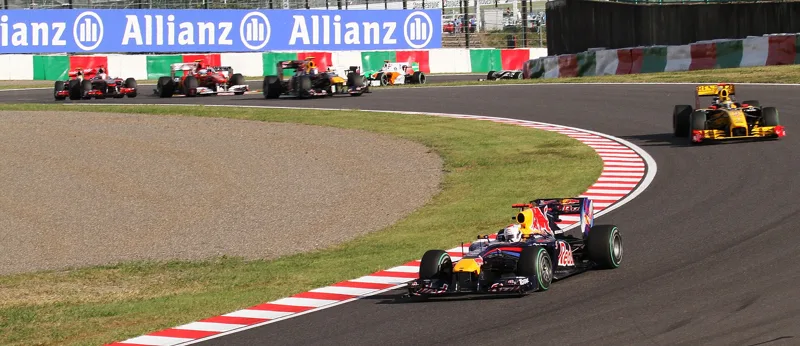
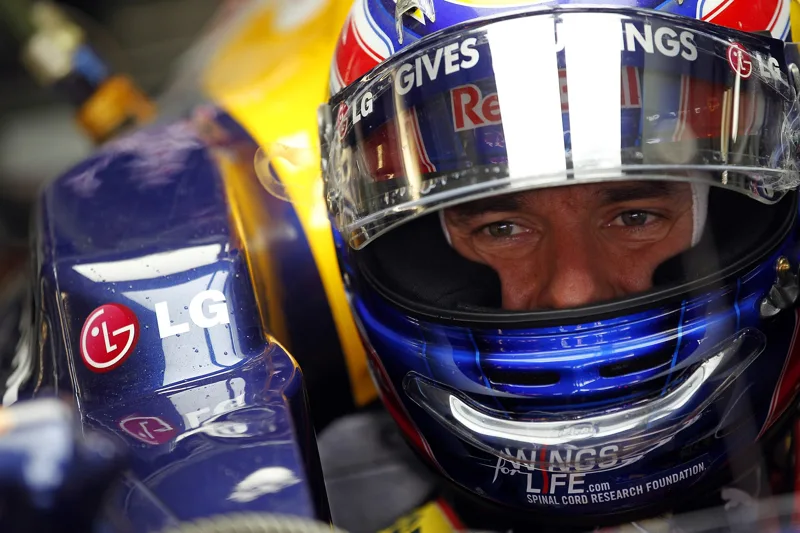
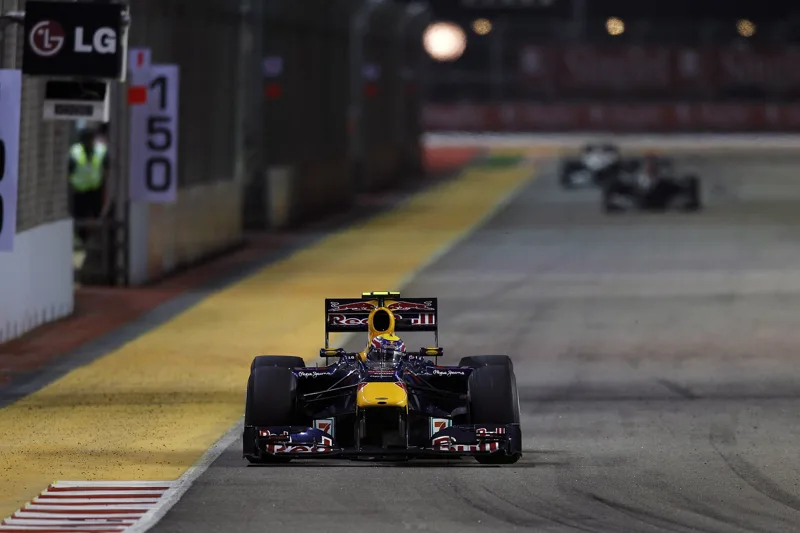
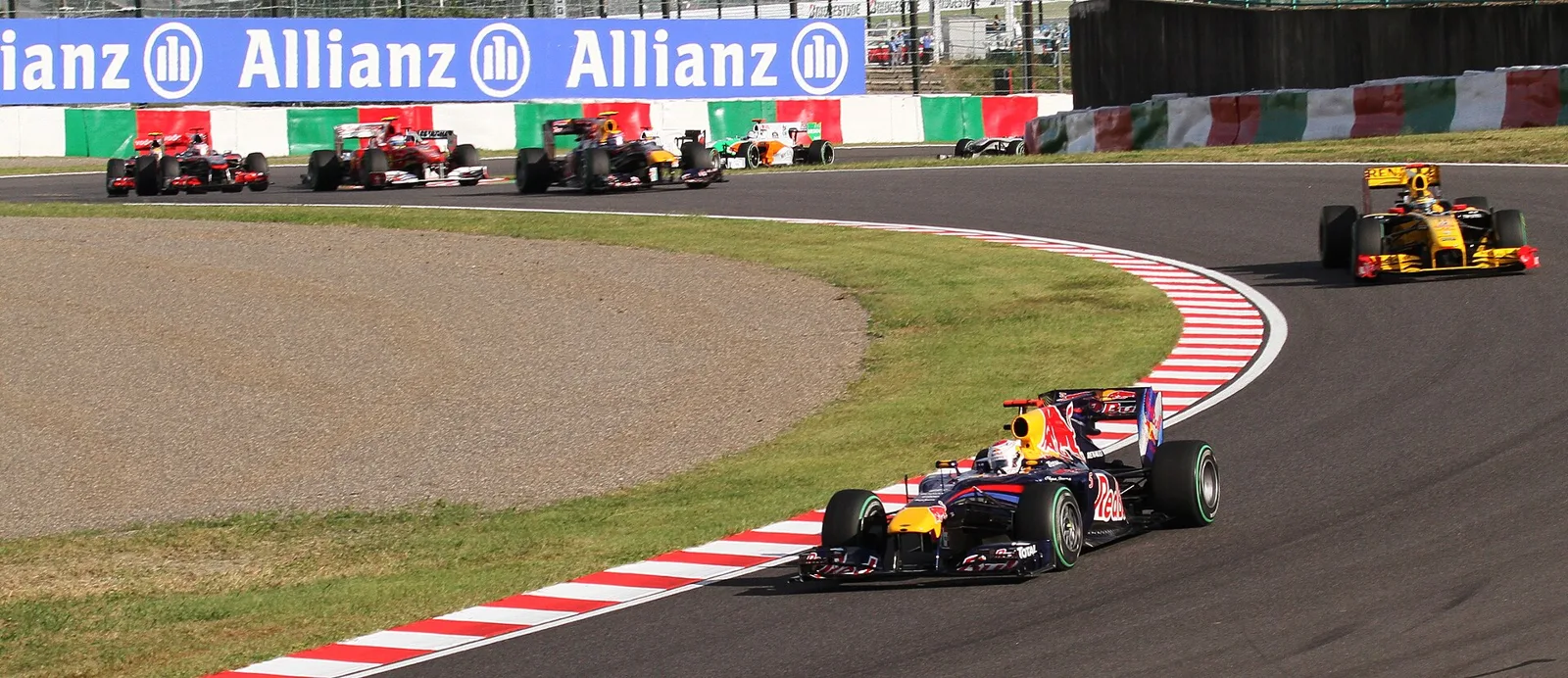
Mark Webber won at the Hungaroring after Sebastian Vettel was handed a drive-through penalty, with Michael Schumacher and Rubens Barrichello clashing late on.
On 1 August 2010, Webber crossed the line first at the Hungaroring, with Fernando Alonso second and Sebastian Vettel third after a drive-through for Vettel. The victory put Webber four points clear of Lewis Hamilton in the drivers' table, which made it his fourth win of the season.
Mark Webber won the 2010 Hungarian Grand Prix at the Hungaroring on 1 August 2010, his fourth victory of the season. Fernando Alonso finished second and Sebastian Vettel third, but Vettel's afternoon was reshaped by a drive-through penalty. The win also lifted Webber back above Lewis Hamilton in the drivers' table after Hamilton retired.
Where did the Hungarian race sit in the 2010 season?
The meeting was the twelfth event of the 2010 Formula One calendar, held at the Hungaroring on 1 August. Pedro de la Rosa picked up the last World Championship points of his career there. Red Bull had been the strongest team all weekend, and the front of the grid showed it.
Hispania's line-up had changed as well. Sakon Yamamoto was deputising for Karun Chandhok, partnering Bruno Senna. Derek Warwick joined the stewards for the second time that season, having previously taken the role at the Spanish Grand Prix.
A drive-through for Vettel and a late clash between two veterans shaped Webber's win at the Hungaroring.
How did practice set the scene?
Red Bull were quickest in the opening session, with Vettel and Webber both more than a second clear of Robert Kubica. The dusty surface caught out several drivers. Massa lifted through the stretch between turns three and four, where he had been injured in 2009, while Ferrari looked far slower than they had in Germany.
Hamilton, meanwhile, was hampered by an undisclosed technical glitch and frustrations with his car's balance, which left him eighteenth at one stage. Friday's second session produced a similar order. Vettel topped the timesheet, Alonso was half a second back, and Webber sat third ahead of Massa. Petrov was fifth, a second behind Vettel and a tenth faster than Kubica, and Hamilton climbed to sixth after a set-up change that suited him better.
Other problems surfaced too. Kovalainen spent most of the session stuck with hydraulic faults, a common complaint among the new teams, while Alonso took a chunk out of a kerb late on. Force India were fined 5,000 euros after another tyre mix-up, when Paul di Resta ran a set of tyres belonging to Vitantonio Liuzzi's allocation.
Who took pole position in Hungary?
Vettel took pole with the quickest time of the final part of qualifying, with Webber alongside him on the front row. Vettel was over a second ahead of Alonso in third. It was Red Bull's eleventh pole from twelve attempts this year, and it reopened the debate over flexible front wings.
Webber had been fastest in the second part, with Alonso third, and Vitaly Petrov was a surprise fourth for Renault. That result confirmed that his practice pace had been genuine.
The hour-long session stayed dry. Kamui Kobayashi was knocked out in the first part after running out of track in traffic on his last lap. He also skipped the scrutineering weighbridge altogether, and a five-place grid penalty left him on the last row alongside Yamamoto. Timo Glock led the new teams in the first part, narrowly beating Kovalainen.
Hamilton profited from Button's early exit in the second part to qualify fifth, behind Massa. Rosberg was sixth and Petrov seventh, a tenth ahead of Kubica at the end of the session.
Television pictures showed the Red Bull and Ferrari front wings sitting lower to the tarmac than those of their rivals. McLaren and Mercedes asked the FIA to clarify the rules, which set off a debate that carried on after the race.
How did the race start?
Alonso passed Webber for second at the first corner, while Vettel began to stretch his lead at close to a second per lap. Several drivers had forecast that as much as seventy percent of the result would be decided at that first corner, because the circuit is tight and twisty.
Jaime Alguersuari's race lasted a single lap, because coolant from the Ferrari engine in his Toro Rosso covered the first sector. Petrov took fifth from Hamilton at the first corner but handed it back on the next lap, as he could not get his tyres up to temperature. Kobayashi made up ground from 23rd to 16th.
How did the safety car change the race?
A safety car came out on lap fifteen after Vitantonio Liuzzi lost his front wing in a collision at turn eleven. Most of the leaders took the chance to pit while it was on track, and Vettel made the pit entry with only moments to spare.
The restart period was messy. Nico Rosberg pulled out of his garage with a loose right-rear wheel, which bounced through the Williams pit box and hit mechanic Nigel Hope, leaving Hope bruised. Renault released Robert Kubica in front of Adrian Sutil, who was heading for his own pit box, and Sutil's race ended in the collision. Renault were fined US$50,000 for the unsafe release, while Kubica received a ten-second stop-go penalty.
Webber was the exception among the leaders, staying out while the others pitted. Once Vettel had come in, Webber was the first car on the road. Red Bull devised a plan that would let Webber pit later and rejoin in front of Alonso.
Why was Vettel given a drive-through penalty?
Vettel broke Article 40.9 of the sporting regulations, a rule aimed at stopping strategic manipulation of the field. He had allowed the gap to the safety car to grow by over ten car lengths, and the stewards responded with a drive-through. Vettel was openly angry, believing the decision had cost him a victory he was in position to win.
Such penalties are seldom handed out in the modern era. The case recalled the controversial penalty Hamilton had picked up at Valencia. Vettel rejoined behind Alonso in third and then spent the rest of the race searching for a way past the Ferrari.
How did Webber build his lead?
Webber's plan was to push hard for as many laps as possible, building a gap big enough to stop without losing his position. The plan had been designed for second place, but it now offered a genuine shot at victory.
He stopped on lap 42 and rejoined five seconds clear of Alonso. The short, tight circuit meant backmarkers complicated matters, yet he kept his head and cruised home nearly twenty seconds in front. Vettel never got past Alonso and finished third, while Massa took fourth for Ferrari.
Further back, Renault retired Kubica's car, citing suspected damage from his clash with Sutil, to look after the machine. Hamilton's gearbox failed while he was running fourth, and that was the last retirement of the afternoon.
What happened between Schumacher and Barrichello?
Barrichello took his mandatory tyre change from fifth and switched to super-soft rubber, which left him eleventh behind Schumacher. Late on he drew close enough to attack on the main straight, but Schumacher moved to squeeze him toward the pit wall. Barrichello was almost into the concrete and had to dart across the pit exit, yet he came out ahead.
The stewards opened an investigation and gave Schumacher a ten-place grid penalty for the next race in Belgium. Derek Warwick, one of the stewards, suggested a black flag and disqualification could have been used if there had been more time to study the footage. Schumacher had previously received a black flag at the 1994 British Grand Prix, after ignoring a five-second stop-and-go penalty, and that brought a two-race ban.
Jackie Stewart described the move as one of the most blatant abuses of a driver he had witnessed. Niki Lauda, Eddie Irvine and Martin Brundle also criticised Schumacher. He defended himself after the race, but later accepted that he had been wrong and said sorry to Barrichello.
Who finished in the top places?
Webber won ahead of Alonso and Vettel, with Massa taking fourth for Ferrari. Petrov and Hulkenberg recorded the best finishes of their careers, in fifth and sixth. Schumacher's eleventh place left Mercedes without a point for the first time in 2010.
| Finish | Driver | Team | Detail |
|---|---|---|---|
| Winner | Mark Webber | Red Bull | Started second; won by nearly twenty seconds |
| Second | Fernando Alonso | Ferrari | Passed Webber for second at the first corner |
| Third | Sebastian Vettel | Red Bull | Pole sitter; drive-through penalty |
| Fourth | Felipe Massa | Ferrari | Qualified fourth behind Vettel and Alonso |
| Fifth | Vitaly Petrov | Renault | Career-best finish |
| Sixth | Nico Hulkenberg | Williams | Career-best finish |
| Retired | Lewis Hamilton | McLaren | Gearbox failure while running fourth |
Barrichello took the final points place in tenth after his late move. Button finished a lap down, ahead of De la Rosa and Kobayashi in the second BMW Sauber.
How did the new teams fare in Hungary?
The three new teams had a difficult afternoon, with Jaime Alguersuari out after one lap and Kovalainen having lost much of Friday to hydraulic faults. Lotus still brought both cars home, with Kovalainen and Trulli placed ahead of Glock. Lucas di Grassi finished for Virgin between the two Hispania cars of Bruno Senna and Sakon Yamamoto.
Hamilton's retirement was the final one of the afternoon, and for the first time in 2010 both cars from each of the three new teams reached the finish. Hydraulic problems had been a recurring theme for the new teams all season, so that result was a notable step forward for them.
What did the result change in the title race?
Webber moved four points clear of Hamilton at the top of the drivers' table, having come into the race third. The result also moved Red Bull to the top of the constructors' standings, eight points in front of McLaren. Vettel rose to third on 151 points.
Button and Alonso, in fourth and fifth, were both within ten points of Vettel's total. The race left the top of the drivers' table far more open than it had looked before the weekend.
Why did the Hungarian Grand Prix matter afterwards?
The race is best remembered for the Schumacher and Barrichello clash and the penalties that followed. It also reignited the front-wing debate, which had gripped the paddock in Budapest and led to repeated questions for the FIA, because the FIA said it would load the front wings of Red Bull and Ferrari more heavily at the following round in Belgium.
On the podium, Red Bull mechanic Darren Nicholls received the winning manufacturer's award. Commentators, former drivers and Jackie Stewart condemned Schumacher's actions, and one steward said a black flag could have followed had there been more time.