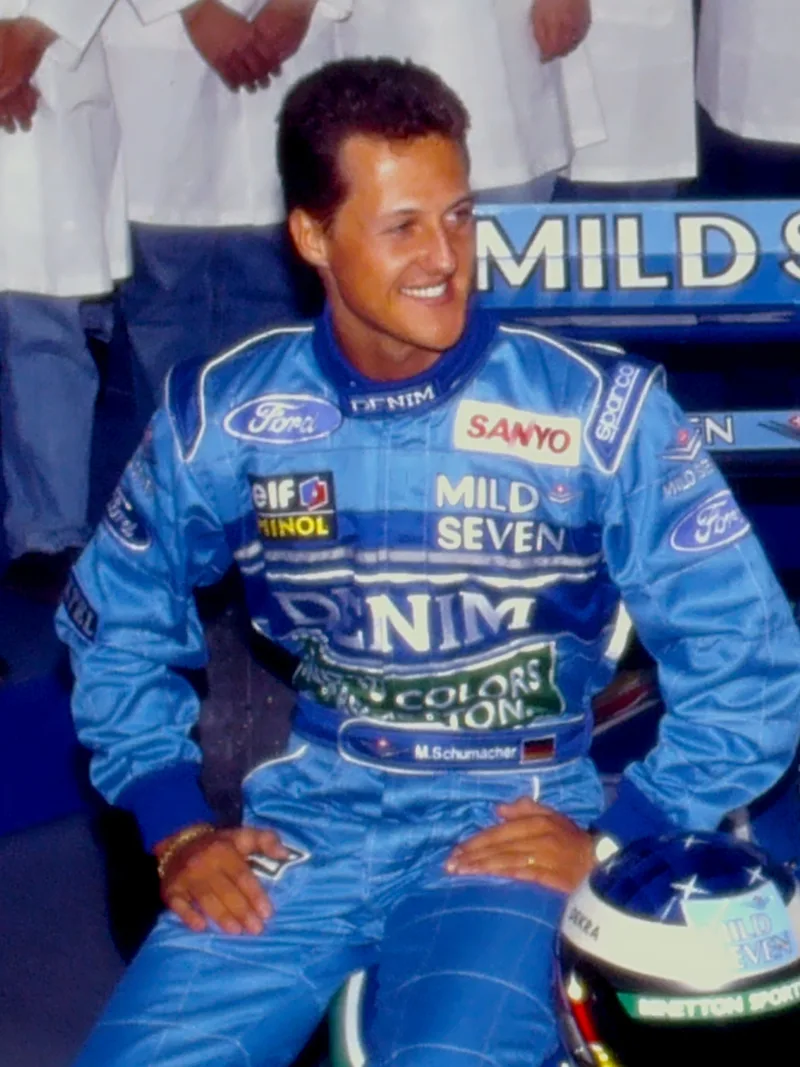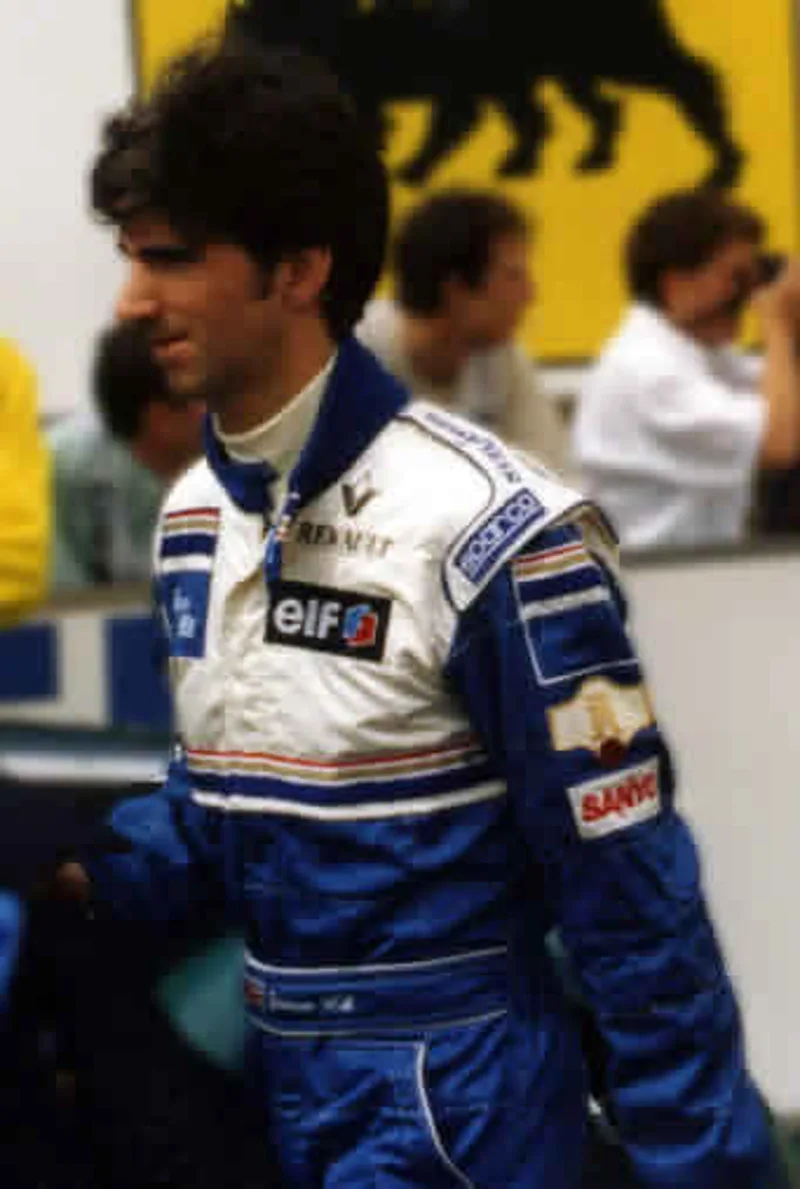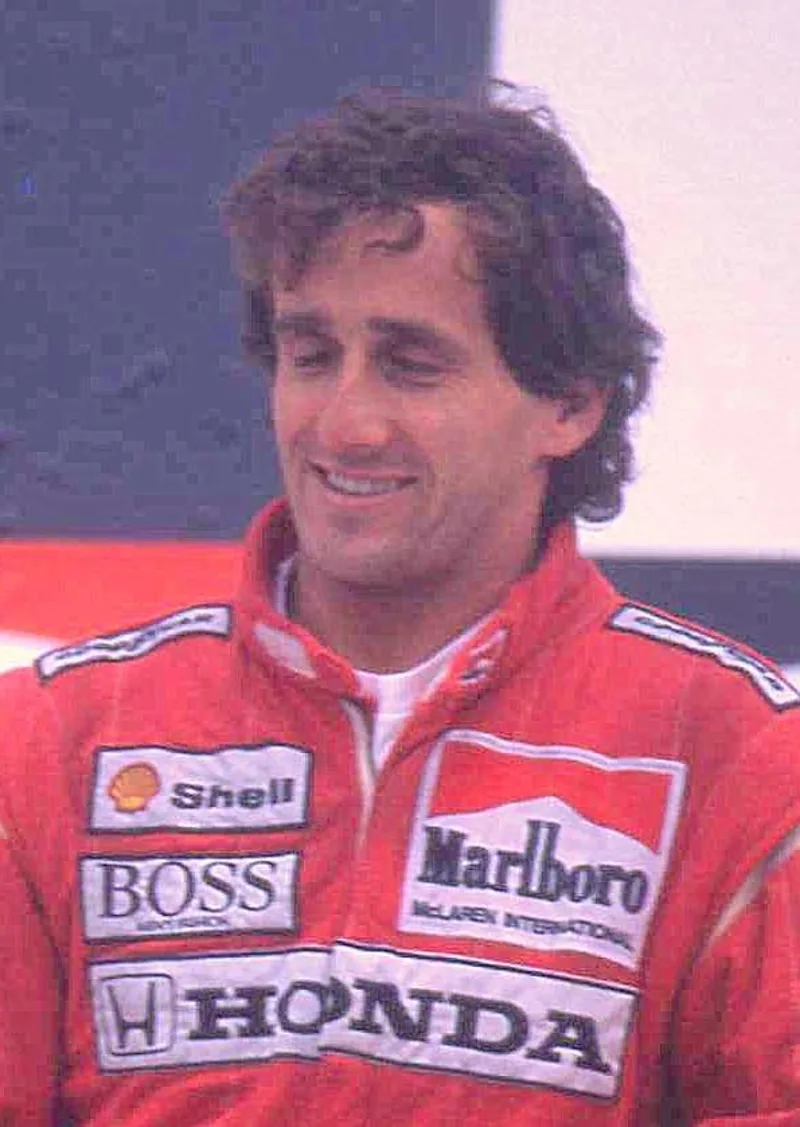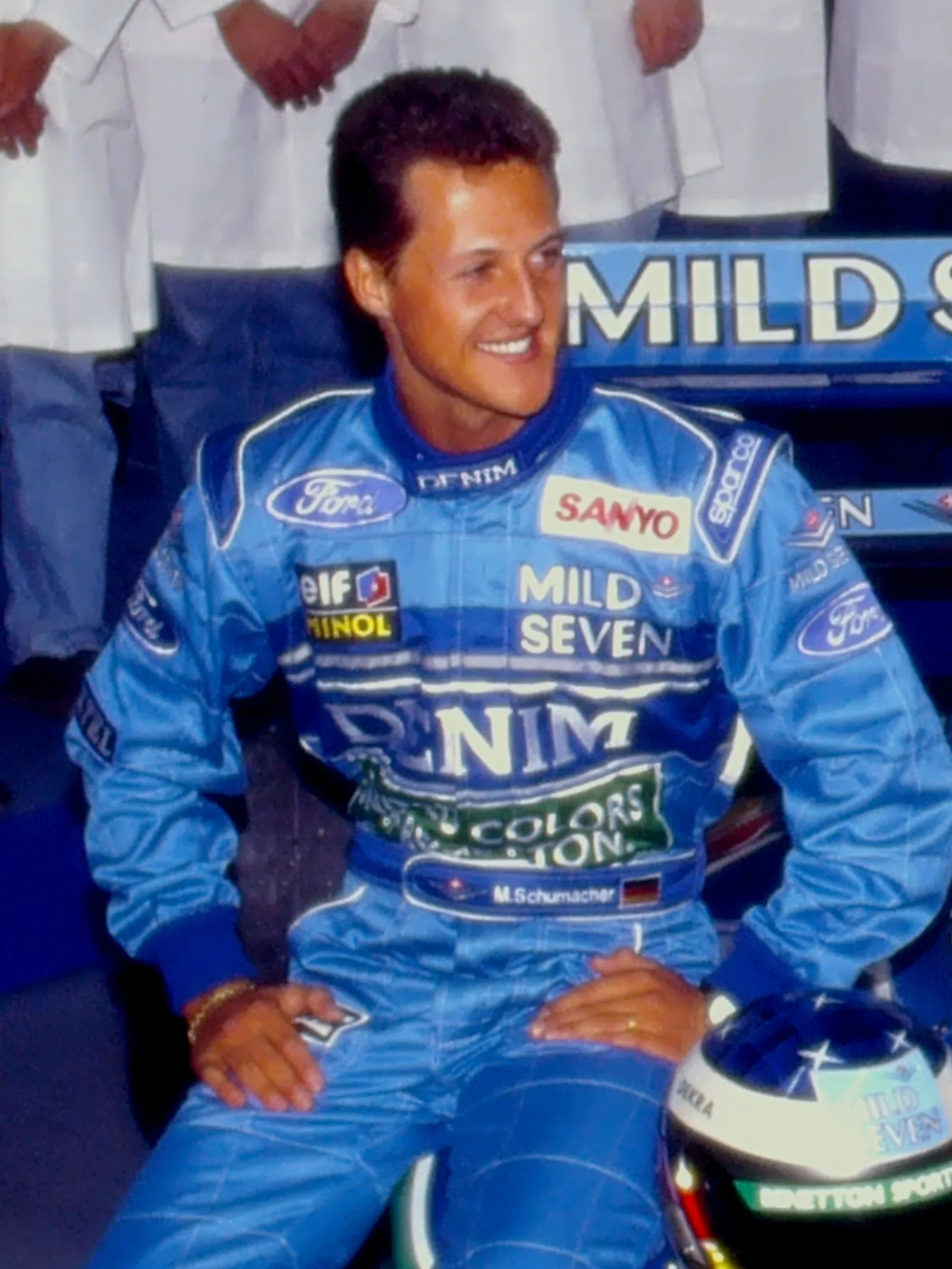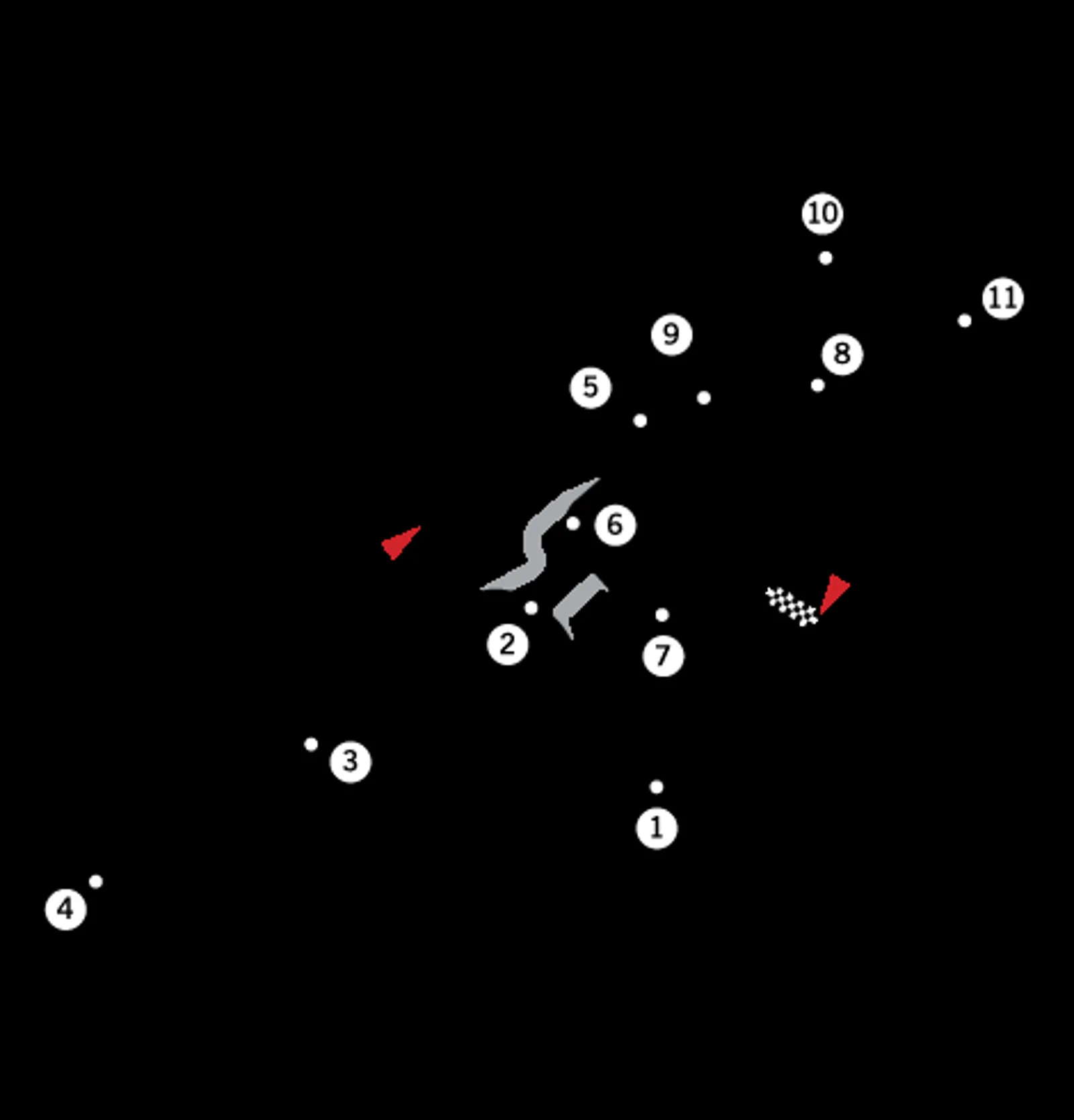
A dry afternoon at Aida, a Williams pole and a steady Benetton drive gave Michael Schumacher the Drivers' Championship with two races left.
The 1995 Pacific Grand Prix was held on 22 October 1995 at the TI Circuit in Aida, Japan, as the fifteenth round of the season. Michael Schumacher won the 83-lap race for Benetton from third on the grid, and the win confirmed him as the 1995 Drivers' Champion.
Michael Schumacher won the 1995 Pacific Grand Prix at the TI Circuit in Aida for Benetton, starting from third, and the win clinched his first Drivers' Championship with two races still to run. David Coulthard started from pole and finished second for Williams, with teammate Damon Hill third. It was also the last race for Jean-Christophe Boullion.
A race moved from April to October
The race had first been scheduled for 16 April 1995 as the third round of the season. The Great Hanshin earthquake had badly damaged the local infrastructure and communications, so the event was moved to October.
It was the second running of the Pacific Grand Prix, formally the II Pacific Grand Prix, and the remote circuit and the Japanese Grand Prix only one week later combined to keep the race-day crowd small. It was the fifteenth round of the season, and it followed a series of battles between Hill and Schumacher, most notably at the Belgian Grand Prix.
Schumacher won at Aida and clinched the title with two races to spare, while Hill was left with a third place and a row in parc ferme.
Why was the title battle still open at Aida?
Schumacher led the drivers' championship with 82 points, and Damon Hill was second on 55, 27 points behind. With 30 points still available across the last three races, Hill had a theoretical chance, but Schumacher needed only a fourth place to take the title.
Coulthard was third on 43 points, and Johnny Herbert and Jean Alesi were level on 40 each. Benetton led the constructors' table on 112 points, with Williams on 92 and 48 points still in play for the teams.
Pundits had been critical of Hill, saying he had not been forceful enough against Schumacher at the European Grand Prix. Martin Brundle told the press that Hill had to re-establish himself as a racer, and Schumacher said Hill had made half-hearted attempts to overtake him.
The FIA's World Motor Sport Council met on 19 October, three days before the race, to discuss driver etiquette and decided against new rules. The International Sporting Code would apply instead, which left drivers free to race as they wished, provided they did not deliberately put another driver in danger or keep blocking one on a straight.
Driver changes and the Williams favourites
Martin Brundle was replaced in one of the Ligier cars by Aguri Suzuki, who had been sharing that drive with him for the season. Jan Magnussen took over the McLaren seat while Mika Hakkinen recovered from an operation for appendicitis.
Ukyo Katayama returned to Tyrrell after missing the European Grand Prix through a crash at the Portuguese Grand Prix. Gianni Morbidelli came back to Footwork in place of Max Papis, and Bertrand Gachot returned to Pacific.
Gachot's return replaced Jean-Denis Deletraz, who had not kept up his agreed payments to the team. Pacific had planned to run the local driver Katsumi Yamamoto, but he was refused a Super Licence, and Forti's plan to replace Roberto Moreno with Hideki Noda collapsed for the same reason.
Williams were seen as favourites because their FW17 suited high-downforce tracks such as Aida. To try to match them, Benetton fitted a revised rear suspension geometry to the B195 for the race.
How did qualifying set the grid?
Coulthard took his fourth consecutive pole with a time of 1:14.013 in his Williams, with Hill beside him on the front row, two-tenths of a second behind. Schumacher qualified third after steadily reducing the downforce on his Benetton over both days of qualifying.
Schumacher's final run came at the end of the second session and forced Coulthard out of the pit lane to cover him. Coulthard therefore used an extra set of slick tyres, which left him with two sets of new rubber for the race, against three for Schumacher.
Hill started from the dirty side of the track with only two new sets of tyres. Berger took fourth despite going into the gravel late on, while Alesi was fifth and Irvine sixth, his best grid place of the season.
Magnussen qualified 12th in his first race after making no mistakes in either session. Suzuki, Katayama, Morbidelli and Gachot qualified 13th, 17th, 19th and 24th, and the entire grid was covered by 7.392 seconds.
Practice and the warm-up
Both practice sessions ran for 1 hour and 45 minutes in dry weather. Schumacher set the fastest time in the first, 1:16.057, three-tenths quicker than Hill and Coulthard, who were second and third.
The Ferraris were fourth and fifth in the first session, with Berger ahead of Alesi, and Mark Blundell was sixth. Coulthard was quicker in the second session, at 1:15.730, with Hill second in the Williams, three-tenths behind.
In the second session Irvine was fourth in the Jordan, seven-tenths behind Coulthard, with the Ferraris third and fifth and Alesi ahead of Berger. Benetton were sixth and seventh, with Schumacher ahead of Herbert, and Frentzen and Boullion were eighth and tenth for Sauber.
Barrichello was ninth in the Jordan, two seconds off the pace. In the 30-minute warm-up Coulthard was fastest at 1:16.831, with Boullion second for Sauber and Hill third in the other Williams.
Panis completed the top four in a Ligier, eight-tenths behind Hill. Hill then drove the spare Williams along the inside of the start-finish straight to clean the dusty side of the track, while Schumacher damaged his race car and finished eighth.
How did the race unfold after the start?
Coulthard held the lead into the first corner, while Hill made a poor start and Schumacher tried to pass him around the outside. Both drivers ran wide, and Alesi slipped through into second, so Coulthard led Alesi by 2.8 seconds at the end of lap one, with Hill three-tenths further back.
The race started at 14:00 JST in dry weather, with an air temperature of 21 degrees C (70 F). The circuit was remote and hard to reach, and only 15,000 spectators attended, a small crowd made smaller by the Japanese Grand Prix taking place one week later.
Bertrand Gachot retired with a gearbox problem on lap two. Suzuki and Boullion both spun off, and Boullion blamed Pedro Lamy for weaving in front of him in the Minardi.
Schumacher passed Berger for fourth on lap five and tried again at Hill on the lap 11 hairpin, but Hill held firm. Coulthard was pulling away by more than a second per lap, and by lap 18 his lead was 14 seconds.
The first stops came on lap 18. Schumacher rejoined in fourth, behind Coulthard and the cars that had not yet stopped, with Alesi seventh and Hill tenth after his own stop.
Extra time was lost when Hill's refuelling valve stuck, making his stop almost twice as long as Schumacher's. Blundell pitted on the next lap, and Hill passed Frentzen on lap 22. On the same lap Alesi passed Irvine at the hairpin, and Hill touched the rear of Irvine's car, causing minor damage.
Irvine made his stop at the end of lap 25, which left Hill free to chase Alesi without traffic. Coulthard, who was scheduled for three stops, changed to two by staying out six laps longer and taking on more fuel than planned at his first stop.
A lighter fuel load for Schumacher, because of his different strategy, meant he began to lap faster than Coulthard. He made his second stop on lap 38, emerging just ahead of Alesi but more than twenty seconds behind Coulthard, and he began setting fastest laps.
Hill moved up to third during the second round of stops on laps 38 and 39. Berger, whose engine misfired throughout, passed Alesi at the hairpin for fourth on lap 45, and Coulthard made his final stop on lap 49, coming out 14 seconds behind Schumacher. Lapped traffic stopped him from making full use of his new tyres.
Schumacher made his third and last stop on lap 60 with a 21-second advantage, and he opened the gap to 15 seconds before winning after 83 laps. Magnussen, meanwhile, held Barrichello behind him until Barrichello passed on lap 37 at the hairpin, and Barrichello retired on lap 67 with an engine problem.
Magnussen finished tenth, a result that the year's Autocourse annual described as highly accomplished for a first race. Irvine, who had been heading for eighth, made an unscheduled stop on lap 72 and dropped to eleventh. Schumacher lapped both Ferraris in the closing stages, which left Ferrari with a disappointing day.
The finishing order at Aida
| Position | Driver | Detail |
|---|---|---|
| First | Michael Schumacher | Benetton, 83 laps, title clinched |
| Second | David Coulthard | Williams, 14 seconds behind the winner |
| Third | Damon Hill | Williams, held up by a stuck refuelling valve at his first stop |
| Fourth | Gerhard Berger | Ferrari, passed Alesi on lap 45 |
| Fifth | Jean Alesi | Ferrari, lapped by the winner in the closing stages |
| Sixth | Johnny Herbert | Benetton, took the last point |
Coulthard's second place and Hill's third gave Williams two of the top three spots, which kept its constructors' challenge alive. Frentzen, Panis and Blundell finished behind Herbert. Magnussen finished tenth after holding Barrichello off for much of the afternoon, and Irvine dropped to eleventh after an unscheduled stop on lap 72. In all, 17 of the 24 starters finished.
What did the result settle in the title fight?
Schumacher became the 1995 Drivers' Champion, and he was the youngest double champion in Formula One history. Hill could not catch his points total with two races left, and the title was settled at Aida, where Schumacher won from third on the grid.
Hill finished third, after the stuck refuelling valve had cost him time at his first stop, and the gap at the top was never closed.
Benetton confirmed its strength in the constructors' race too, with a result that kept its lead over Williams. Benetton had also changed the rear suspension geometry for the race, and the revised car was quick throughout the afternoon.
How did the post-race row develop?
Schumacher had a downshift problem after his last stop, and warning lights had come on in his steering wheel as he finished. He still praised the pit crew for a perfect first stop, and he said the team had not made a single mistake that season.
Off camera in parc ferme, Schumacher and Hill renewed their argument from the Belgian Grand Prix over how much blocking was acceptable. Schumacher told Hill that he was unhappy with his driving, particularly his moves on the first lap and on lap eleven, where Schumacher felt Hill had brake-tested him.
Hill refuted the claims. He said that both drivers were free to race as they liked, provided it was not deliberately dangerous, and he could not see what he had done wrong at the end of the back straight. He found Schumacher's complaints extraordinary.
He added that he believed he was a better, stronger driver than the year before.