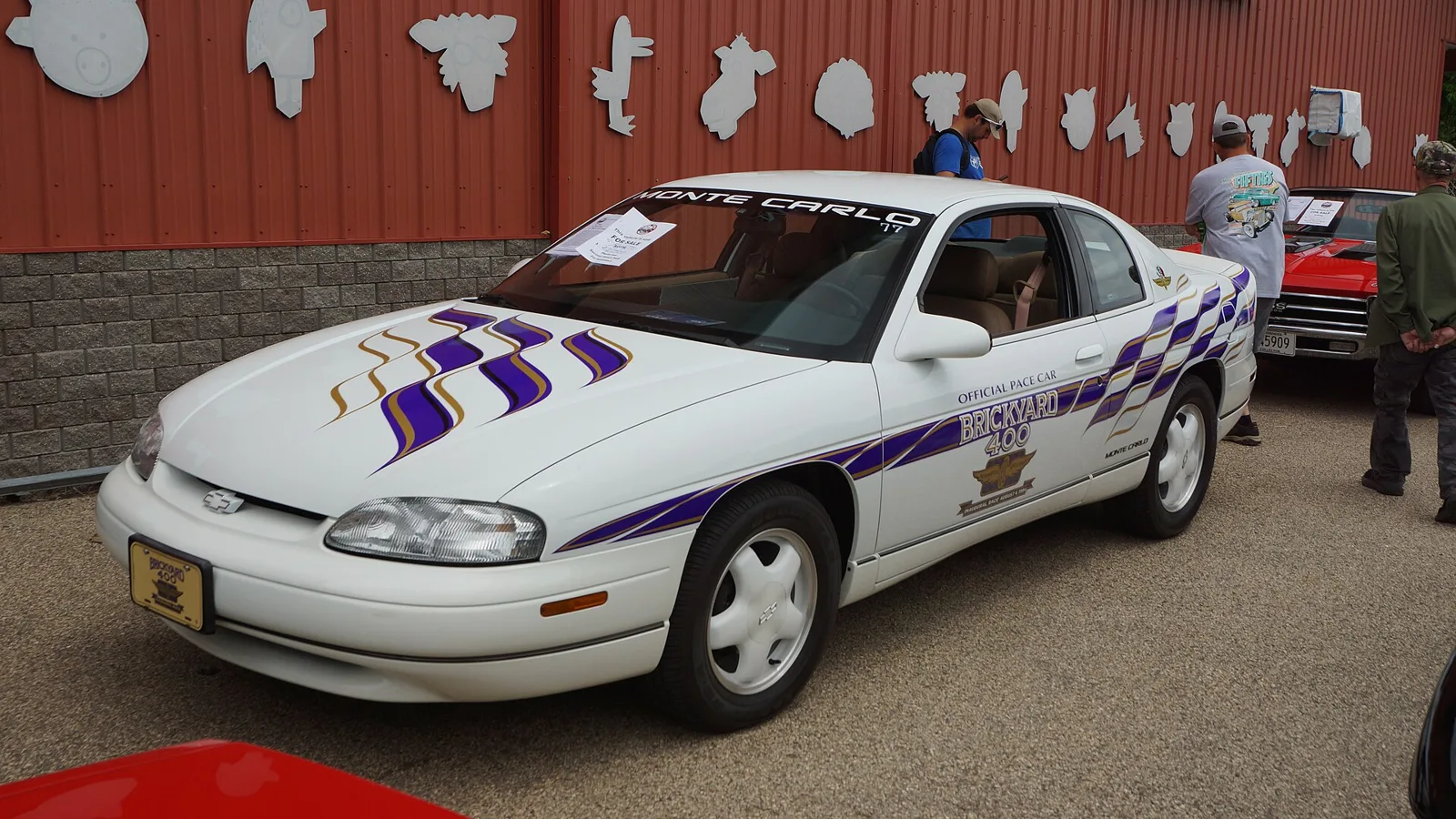
A hometown favourite, a late tyre failure for the leader and a feud between two brothers shaped the first stock car race on the Speedway's famous oval.
The 1994 Brickyard 400 was the first NASCAR stock car race at Indianapolis Motor Speedway, run on 6 August 1994. Jeff Gordon won by 0.53 seconds from Brett Bodine after Ernie Irvan suffered a late tyre failure. Dale Earnhardt climbed from the back of the field to fifth.
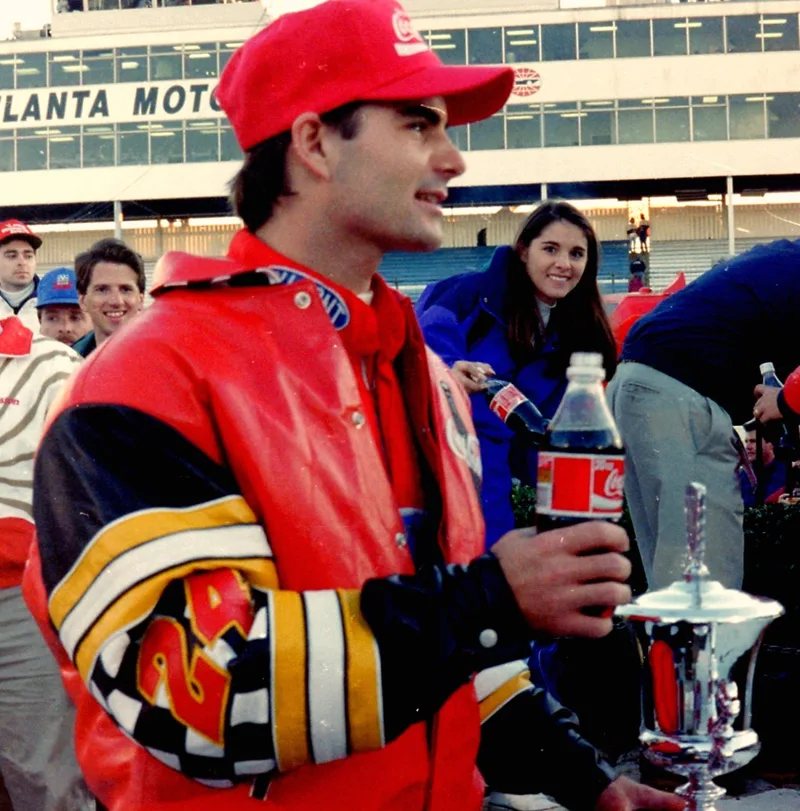
The 1994 Brickyard 400 brought NASCAR stock cars onto the oval at Indianapolis Motor Speedway for the first time. Jeff Gordon, who once lived in nearby Pittsboro, won in front of a hometown crowd, and the result reshaped the championship battle that season. The race was held on 6 August 1994 at a track that had, until then, hosted only the Indianapolis 500 each year.
What was the Brickyard 400?
The Brickyard 400 was a Winston Cup event held at Indianapolis Motor Speedway on 6 August 1994. It was the 19th race of the 1994 Winston Cup Series season and the eighth race of the Winston Transcontinental Series, which ran on the same weekend. Jeff Gordon won, and the event marked NASCAR stock cars running on the Speedway's oval for the first time.
Before this race, the Indianapolis 500 was the only event the track staged each year. The purse of $3.2 million was a NASCAR record at the time, and the winner's share was $613,000. The only other race there was a meet held in September 1916, so the 1994 event broke a long tradition at the venue.
The first stock car race at Indianapolis gave Jeff Gordon a hometown win and handed Dale Earnhardt the points lead for the rest of the season.
How did a NASCAR race come to Indianapolis?
The Speedway opened in 1909, and the first Indianapolis 500 followed in 1911. Through the 1980s and early 1990s, speculation grew about whether the sport's most popular series could race there. The idea became more concrete when A. J. Foyt filmed a Craftsman tools commercial at the track on 24 September 1991 and took a few laps in a NASCAR stock car with Speedway president Tony George.
Talk had been building since the 1980s, and the 1991 and 1992 events turned that talk into a plan. The Speedway board voted in December 1991 to pursue a second race at the venue. Nine top Winston Cup teams tested at Indianapolis on 22-23 June 1992 in what was effectively a feasibility check. Tony George and NASCAR president Bill France Jr. announced the inaugural race on 14 April 1993, and ABC agreed to broadcast it live. An official open test followed on 16-17 August 1993 with 35 teams.
Ontario Motor Speedway, which had mimicked Indianapolis's layout, closed in 1980 and was a point of reference for the new race.
Who qualified for the first Brickyard 400?
A record 86 cars attempted to qualify, and only 43 could start. Pole qualifying was held on Thursday, 4 August 1994, with each car making a single lap. H. B. Bailey made the first attempt, which made him the first stock car competitor to run a qualifying lap at the Speedway, though his speed was among the slowest of the day.
Dale Earnhardt briefly held the provisional pole before Rick Mast set a new stock car lap record and took the top spot. Jeff Gordon qualified third, while Geoff Bodine and Bobby Labonte filled out the top five. Geoff Brabham qualified 18th in his first NASCAR race, and Joe Nemechek qualified 21st after crashing his primary car in morning practice.
Second-round qualifying was held on Friday, 5 August. The draw order was reversed for that round to keep the session fair. Terry Labonte re-qualified after a poor first attempt and ended up fastest of the day. A. J. Foyt qualified 40th, the last car to make the field on speed, and Lake Speed and Harry Gant were admitted as provisional starters after falling short on time.
Several well-known names missed out or only just made it. Danny Sullivan started 26th in his only Winston Cup start. Dick Trickle missed the field by 0.037 seconds. Geoff, Brett and Todd Bodine all made the field, The sport also carried the memory of losses: Neil Bonnett was fatally injured at Daytona on 11 February 1994, and Alan Kulwicki and Davey Allison had died in aviation accidents in 1993.
What happened during the race?
Jim Nabors sang the national anthem, and Elmo Langley drove the Chevrolet Monte Carlo pace car. Four F-16 jets from the 181st Fighter Group flew overhead. Rick Mast led Dale Earnhardt into turn one, but Earnhardt brushed the outside wall on the first lap and dropped down the order.
Jimmy Spencer crashed in turn three on lap 10 and became the first retirement. A. J. Foyt ran out of fuel on lap 46. Earnhardt steadily moved forward through the field during green-flag pit stops.
Brett Bodine caused the biggest flashpoint on lap 100, when he spun his brother Geoff in turn four during a restart. Geoff hit the outside wall and collected Dale Jarrett. Geoff suggested afterwards that the move was deliberate, and Brett later admitted it. The brothers feuded for nearly two years.
Geoff Brabham hit the outside wall on lap 130, and Jimmy Hensley was damaged while avoiding him. The leaders made their final scheduled stops during the caution. Rusty Wallace's pit crew completed a 15.9-second stop that was considered very fast at the time, and Wallace came out in the lead. Gordon and Ernie Irvan followed in second and third.
With 26 laps to go, Gordon passed Wallace for the lead. Irvan then moved into the lead as Gordon tucked in behind him to improve his handling. Gordon retook the lead on lap 156 of 160 after Irvan's right front tyre failed with five laps remaining. Gordon held off Brett Bodine over the final four laps and won the race.
What were the final results?
Gordon, then 23, won his second career Winston Cup race. He led a total of 93 laps and finished 0.53 seconds ahead of Brett Bodine. The race took 3 hours, 1 minute and 51 seconds, at an average speed of 212.396 km/h (131.977 mph).
| Specification | Detail |
|---|---|
| Race date | 6 August 1994 |
| Laps | 160 |
| Winner | Jeff Gordon, 93 laps led |
| Margin of victory | 0.53 seconds over Brett Bodine |
| Race time | 3:01:51 |
| Average speed | 212.396 km/h (131.977 mph) |
| Lead changes | 21 among 13 drivers |
| Entries and starters | 86 entries for 43 starting positions |
| Total purse | $3,213,849; winner's share $613,000 |
| Fifth place | Dale Earnhardt, who had dropped to last early on |
| Ernie Irvan | 17th, a lap down |
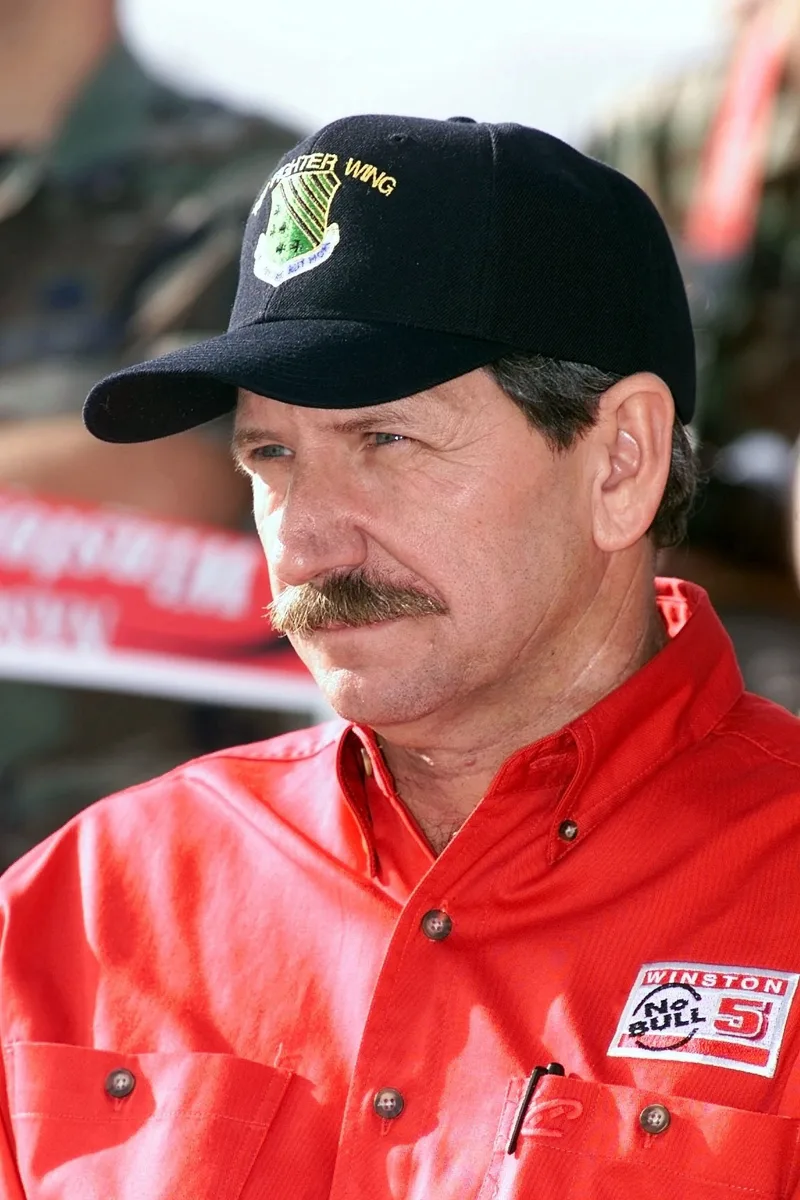
Earnhardt's fifth-place finish, after a poor start, was the result that mattered most for the title.He took the points lead and never gave it up, going on to a record-tying seventh championship.
How did the race affect the 1994 championship?
Before the race, Ernie Irvan led the points with 2,739 points, and Earnhardt was 16 points behind him. Earnhardt's recovery moved him to the top, and he finished the race 2,883 points, with Irvan 27 points behind. Rusty Wallace, who had briefly led after the final stops, came home fourth.
Irvan's luck changed quickly. He finished 17th and a lap down, then two weeks later suffered a serious crash at Michigan that left him with a near-fatal head injury. He recovered and returned to racing in late 1995, finishing second in the 1996 Brickyard 400.
Brett Bodine's second place was the last top-five finish of his career. It was also the best result at the Speedway for car owner Kenny Bernstein.
How did the race fit into the 1994 season?
The Brickyard 400 counted towards the Winston Cup standings, and it also counted towards the Winston Transcontinental Series. Mike Chase led the Transcontinental points as the field gathered.
The championship picture was tight. Ernie Irvan led the points with 2,739 before the race. Goodyear and Hoosier were both used in the tyre war, and twelve cars running Hoosier tyres qualified, led by Geoff Bodine.
What did the pre-race testing show?
Private manufacturer testing ran through the summer of 1994. Ford teams tested in late June, and Sterling Marlin led the first week. In the second week Ernie Irvan turned the fastest unofficial lap at the Speedway, with Rusty Wallace close behind him. A. J. Foyt came out of retirement to shake down and test a number 50 Ford, then went on to take part in the race itself.
Davy Jones turned a lap in early July but wrecked his primary car afterwards. Chevrolet and Pontiac teams took to the track in mid-July, and Danny Sullivan blew an engine during that running. An official open test had also been held at the track in August 1993, with 35 teams taking part.
The lead changed hands 21 times among 13 drivers. Gordon was the driver who spent the most time in front, leading 93 laps across the race, and his margin at the finish was only 0.53 seconds. Brett Bodine closed in during the final four laps, but Gordon held on to win by 0.53 seconds with a hometown crowd cheering him on.
What did the race mean for the Speedway?
The race was said to have helped bankroll the formation of the Indy Racing League. The Indianapolis 500 kept its place as the track's headline event, and the stock car race added a second event to the venue's calendar.
A. J. Foyt's final Winston Cup start came in this race. He tried to enter three more races afterwards, including the 1995 and 1996 Brickyard 400s, and did not qualify for them.
Who broadcast the race?
ABC Sports carried the race live on television. Paul Page hosted, Bob Jenkins handled play-by-play, and Benny Parsons provided colour commentary. Practice and qualifying were covered by ESPN with the same crew. On radio, the IMS Radio Network carried the race on more than 450 US affiliates, with Mike Joy calling play-by-play and Ned Jarrett as analyst.