A 12-point title margin decided at Atlanta, a pit fire that changed safety rules and the end of the first tire war.
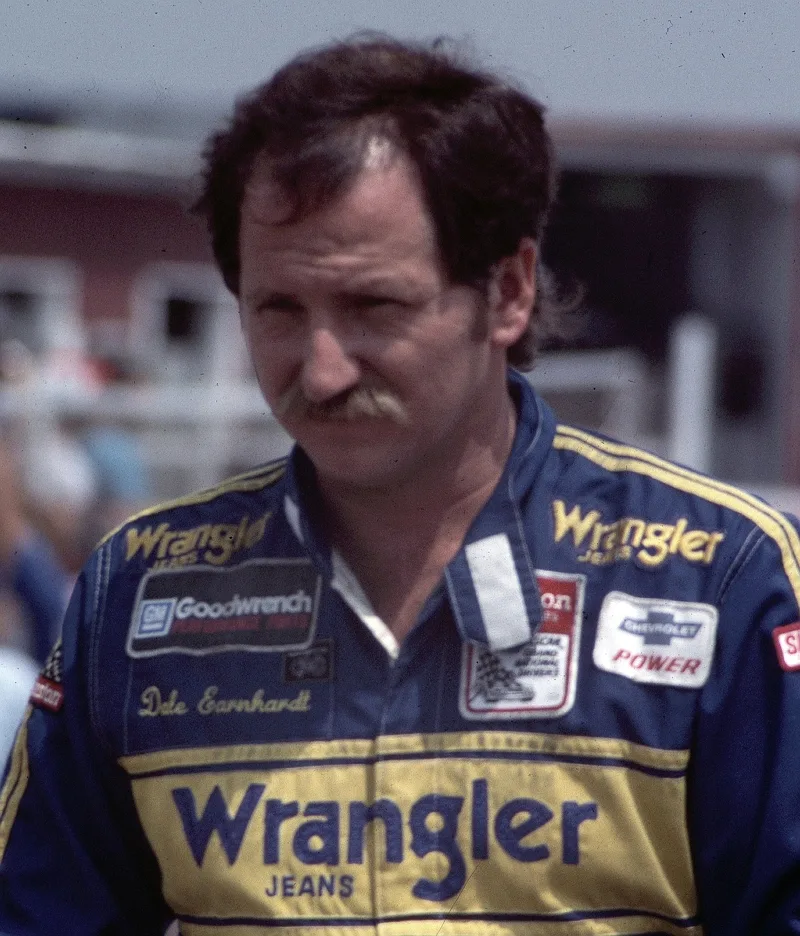
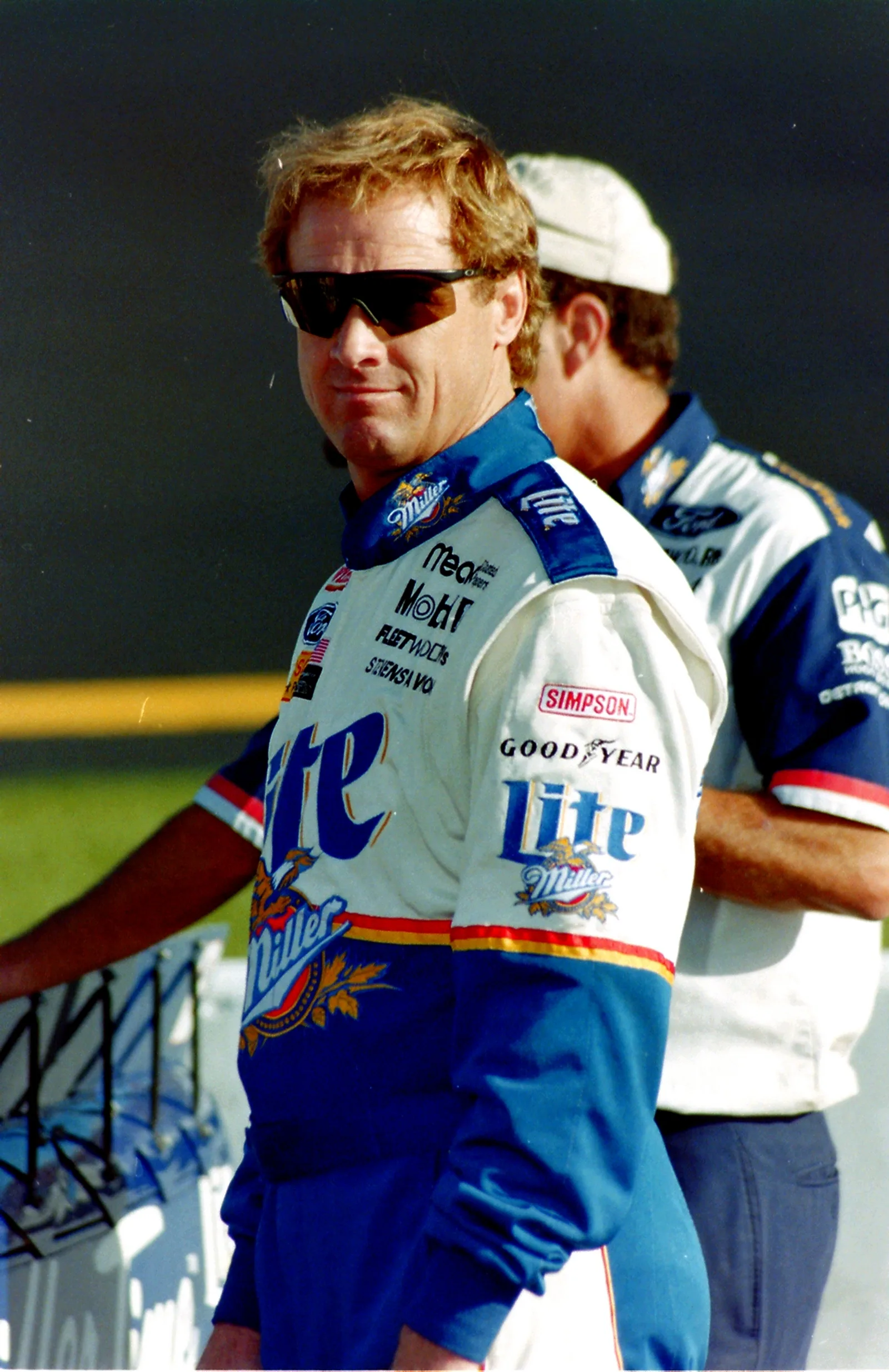
Rusty Wallace of Blue Max Racing won the 1989 NASCAR Winston Cup championship by 12 points over Dale Earnhardt, his only title. Wallace finished 15th in the Atlanta finale, enough to take the title, and Dick Trickle was named Rookie of the Year.
The 1989 title came down to a 12-point margin, with Dale Earnhardt the runner-up after a final race at Atlanta. It was the first year that every Winston Cup race had flag-to-flag coverage, and it closed the first tire war between Goodyear and Hoosier.
Who won the 1989 NASCAR Winston Cup championship?
Wallace's title was settled on the final afternoon of the season at Atlanta, where he needed a strong finish to hold off Earnhardt. Dick Trickle, who replaced Mike Alexander at Stavola Brothers Racing early in the year, took the rookie award.
Wallace needed to finish 18th or better at Atlanta to clinch, and he went into the race proclaiming he would run as hard as he could. His problems, including a flat tire, dropped him to 33rd before he fought back to 15th.
It was Wallace's only championship. The title also gave Pontiac its first championship in the modern era.
A 12-point title for Rusty Wallace, decided on a single 15th-place finish at Atlanta.
How did the 1989 season open at Daytona?
The Busch Clash on February 12 was won by Ken Schrader, who drew the pole for the invitational. Both events were run at Daytona that week. The Gatorade 125s on February 16 saw Schrader and Darrell Waltrip take the poles, while Terry Labonte won the second qualifier.
Jody Ridley stepped in for Bill Elliott, who had injured his wrist in a practice crash.
The Daytona 500 on February 19 went to Waltrip, who stretched his fuel for 53 laps to take the win. It was his first Daytona 500 victory after 17 attempts.
Why did the Richmond race move to March?
The Pontiac Excitement 400 at Richmond was scheduled for the weekend after the Daytona 500, but snow fell and blanketed the speedway. The race was postponed a month and run on March 26, when Rusty Wallace won and Richard Petty failed to qualify.
Petty had qualified for 513 consecutive races, and the failure to make the Richmond field ended that streak. It was the first time he had missed a race since 1971, and it led to a rule change that protected former champions in later seasons.
How did the tire war change the spring races?
Goodyear debuted its new radial tires at North Wilkesboro during the First Union 400 on April 16, and Dale Earnhardt won the race on them. That was the first time the radials had been used in a race, and the move to radials marked a turning point for the sport's tire supply.
Hoosier left NASCAR after the Winston 500 at Talladega on May 7, when it could not sell enough tires to remain economically viable. That race ended the first tire war.
The Talladega race was won by Davey Allison, and it was the first race for the new Chevrolet Lumina. Robert Yates Racing also took its first win in the series that day.
Which drivers won the summer races?
Darrell Waltrip won the Coca-Cola 600 on May 28, and he was the first driver to take the Lumina to victory lane. Kyle Petty drove the No. 42 car owned by Rick Hendrick, and Waltrip had already won the Daytona 500, so this win earned him a $100,000 bonus for two Winston Million races.
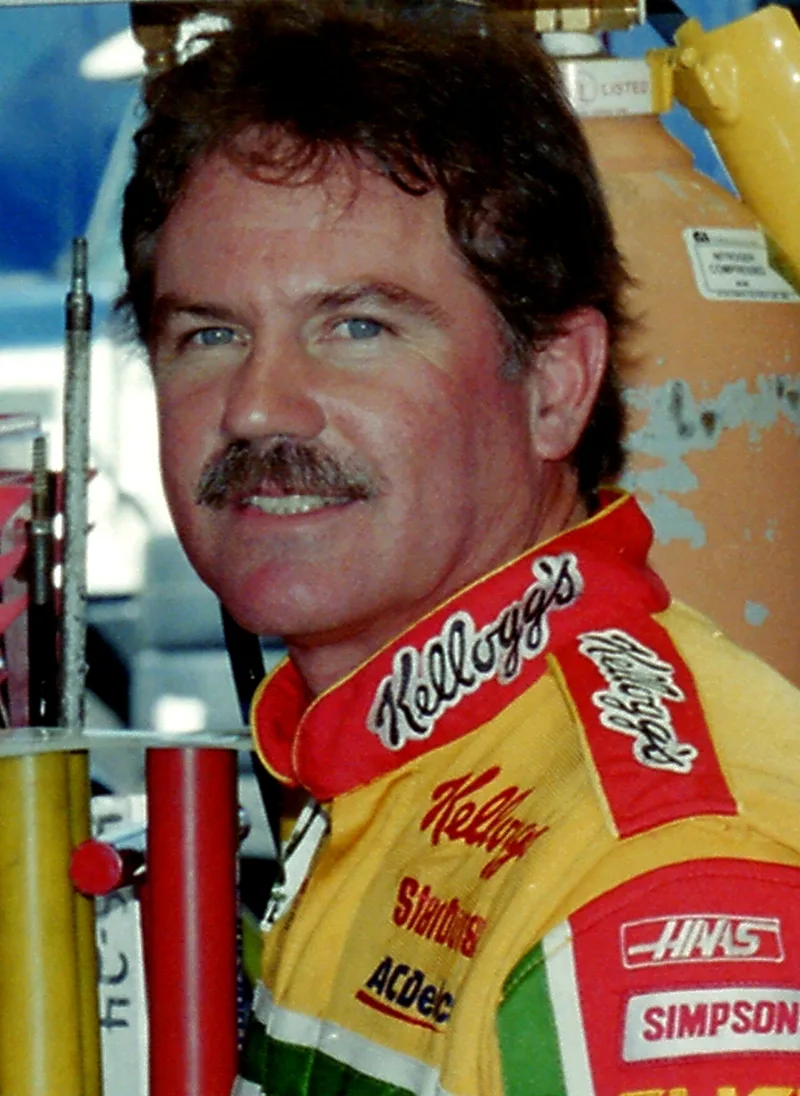
Dale Earnhardt won the Budweiser 500 at Dover on June 4, and Terry Labonte won the Miller High Life 500 at Pocono on June 18. That Pocono race was one of the few telecast on pay-per-view, and it was the first win for Junior Johnson's team using a Ford since 1969.
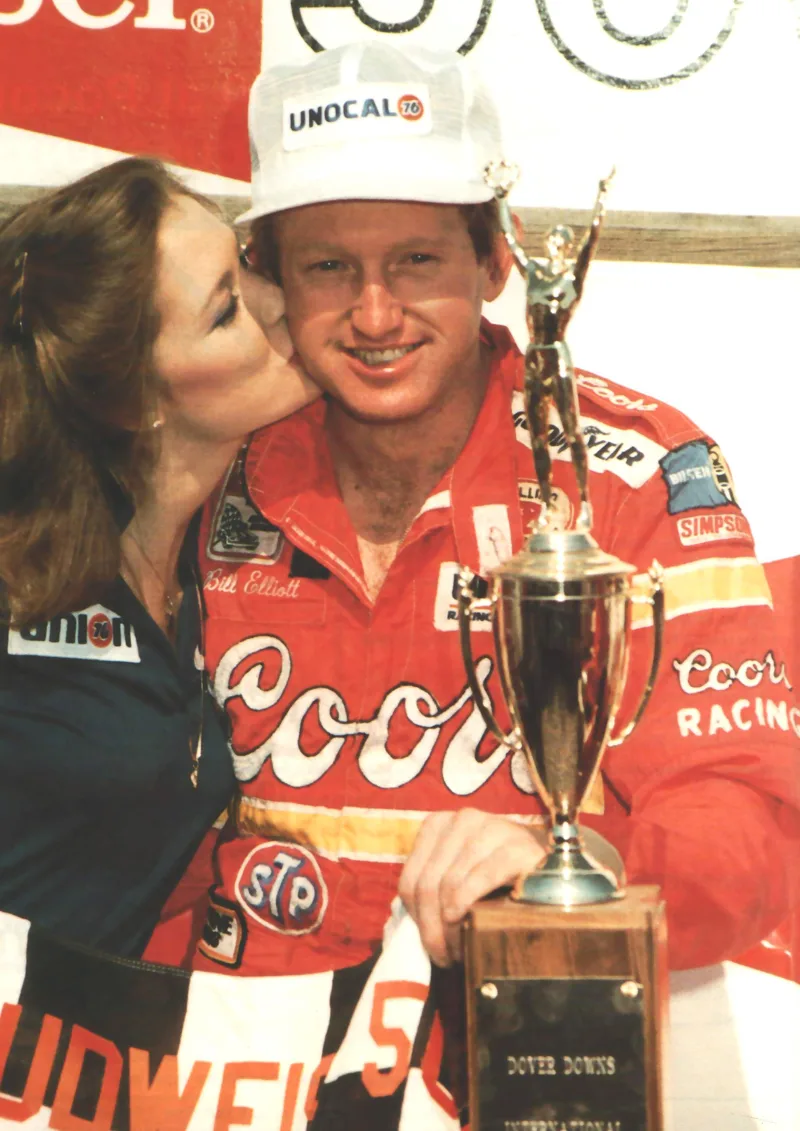
Bill Elliott won the Miller High Life 400 at Michigan on June 25, and he won the AC Spark Plug 500 at Pocono on July 23, which tied him with Tim Richmond for the most wins at Pocono.
Davey Allison won the Pepsi 400 at Daytona on July 1, the first time ESPN aired that race. Labonte also won the Talladega DieHard 500 on July 30, his final win with Junior Johnson before a long gap.
What happened at Atlanta and Charlotte in the autumn?
The autumn was defined by the Atlanta Journal 500 and the team troubles that came before it. Earnhardt lost the points lead at Charlotte when his camshaft broke in the All Pro Auto Parts 500 on October 8, a setback that changed the shape of the season.
Earnhardt won the Atlanta Journal 500 on November 19, leading 294 of 328 laps, but Wallace finished 15th and took the title by 12 points. Mark Martin's engine blew on lap 224, and his fire ended his title hopes.
The race was also marred by a fatal crash. Grant Adcox struck the wall on lap 203 and suffered a heart attack and severe head injuries, and he died shortly afterwards.
Why did the pit fire at Atlanta change NASCAR rules?
The Motorcraft Quality Parts 500 at Atlanta on March 19 saw a pit fire that injured crew member Robert Callicutt. Callicutt suffered second-degree burns over 40 percent of his body, and Richard Petty was forced to drop out after the fire.
The fire led to new rules on crew fire protection and new gas can nozzles designed to stop leakage. ABC and ESPN pit road reporters were also required to wear fire-protected suits for future telecasts.
What was the Unocal 76 Challenge in 1989?
Wallace was the first to collect the Unocal 76 Challenge bonus, which rewarded winning from the pole. It was the first claim on that bonus in the series. He won the Goodwrench 500 at North Carolina Motor Speedway on March 5, after a rollover along the way.
Bonus money added at the season-ending banquet brought Wallace an additional $22,800 for that win from pole. The bonus showed how much sponsors were willing to invest in headline prizes that season.
What happened at The Winston all-star race in May?
The Winston, an annual all-star race for previous winners and champions, ran on May 21 at Charlotte. As the white flag came out, Wallace sent Darrell Waltrip spinning from the lead, and the move set off a fight between crew members in the pits before Wallace reached victory lane.
The race was a memorable event for the crews involved, and the all-star format was still settling into the schedule. The incident ended with a clear winner, though the aftermath lasted much longer than the race itself.
How did the Banquet Frozen Foods 300 open the road-course era?
The inaugural Banquet Frozen Foods 300 ran on June 11 at Sears Point Raceway, where Wallace won the pole. Ricky Rudd won the race, and the new event was a first step toward Winston Cup road-course racing. The event was held on a road course.
Mark Martin rolled his car during the race because a new tire changer had fitted only two of the five lug nuts. Martin rejoined the field and finished 31st, five laps down, which showed the speed of the team's recovery.
What happened at Holly Farms and Phoenix in the autumn?
The Holly Farms 400 at North Wilkesboro on October 15 was run after rain postponed the event. Dale Earnhardt was awarded the pole because qualifying was cancelled, and Geoff Bodine won the race after Earnhardt and Ricky Rudd touched on the final lap.
A father-and-son crash also knocked Richard and Kyle Petty out of that race. Richard finished 32nd, the last-place finish of his career, while Kyle ended the day in 31st.
The Autoworks 500 at Phoenix on November 5 was won by Bill Elliott, but the race is remembered for two Hendrick Motorsports cars entered to film footage for the 1990 film Days of Thunder. Bobby Hamilton led 100 laps from the front before an engine blew.
What happened at Darlington, Richmond and Dover in September?
The Heinz Southern 500 at Darlington on September 3 was won by Dale Earnhardt. Darrell Waltrip had a chance to win the Winston Million there, but he hit the wall early in the race and finished 22nd, which ended that hope.
At Richmond on September 10, Wallace won the Miller High Life 400 after Bill Elliott had won the pole. Lake Speed returned to the No. 83 car there after sitting out five races with injury, and Lennie Pond retired after that race.
The Peak Performance 500 at Dover on September 17 was won by Earnhardt, but the race was briefly red-flagged after a crash involving Neil Bonnett. Bonnett broke his sternum in that incident and was forced to sit out the next three races.
How did the Goody's 500 and Bristol races play out?
The Goody's 500 at Martinsville on September 24 was unusual because Hurricane Hugo affected the area. Jimmy Hensley won the pole as a substitute driver, because Earnhardt and others could not reach the track in time to qualify. That was an unusual way to start a race.
Darrell Waltrip won the Goody's 500, and it was his last Cup win with Hendrick Motorsports. Tommy Ellis substituted for Bonnett in the No. 21 car for the next two events.
At Bristol on August 26, Waltrip won the Busch 500, and Richard Petty failed to qualify for the race. It was the fourth time Petty had missed a race that season, and it was the last such failure before his retirement in 1992.
What were the key results of the 1989 season?
| Race | Winner | What it meant |
|---|---|---|
| Daytona 500 | Darrell Waltrip | First Daytona 500 win after 17 attempts |
| Goodwrench 500 | Rusty Wallace | Won the first Unocal 76 Challenge from pole |
| First Union 400 | Dale Earnhardt | First win on Goodyear radial tires |
| Coca-Cola 600 | Darrell Waltrip | First driver to take the Lumina to victory lane |
| Miller High Life 500 | Terry Labonte | First Ford win for Junior Johnson since 1969 |
| Pepsi 400 | Davey Allison | First ESPN broadcast of the race |
| Busch 500 | Darrell Waltrip | Petty failed to qualify, his fourth DNQ of the season |
| Atlanta Journal 500 | Dale Earnhardt | Wallace finished 15th to win the title by 12 points |