A late-race chase, a missed gear at Arnage and a rival baulked on the final lap made 1933 one of the narrowest finishes Le Mans has seen.
The 1933 victory went to an Alfa Romeo driven by Tazio Nuvolari and Raymond Sommer. Chinetti and Gunzberg were the runners-up, and the margin was barely 400 metres. Sommer had done most of the driving, and the final lap was decided by a missed gear change.
The 11th Grand Prix of Endurance, run in 1933, ended with one of the narrowest finishes the race has seen. Tazio Nuvolari and Raymond Sommer won in an Alfa Romeo 8C-2300 MM-LM, beating Luigi Chinetti by barely 400 metres after 24 hours of racing. Sommer had done most of the driving, but the win went to Nuvolari, who took the flag after a last-lap contest with Chinetti.
What did the 1933 regulations change?
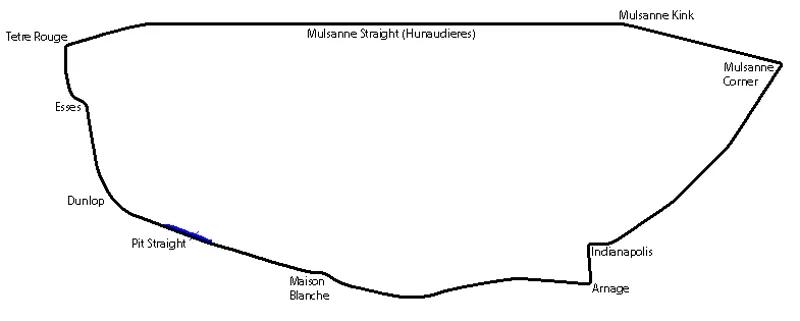
The ACO kept improving the track. Yellow paint marked a centre line down the Hunaudieres Straight, and reflective markers, early forerunners of cat's eye reflectors, lined the approach to each corner for night driving. A small chapel went up beside the circuit so that spectators could attend mass on Sunday morning.
Shell held the fuel contract that year and offered four choices: an ordinary fuel, a premium grade, straight benzole, and a 70/30 mix of premium fuel and benzole. The ACO raised the supercharger equivalence factor to 1.4 and reset some class distance targets, mostly for the smaller engines.
A crowd of fifty thousand people came to the circuit on the Saturday, and Col Lindsey Lloyd, vice-president of the British Auto Club, was the honorary starter.
A race won by barely 400 metres, and a last lap that a backmarker's swerve turned into the decisive moment.
Who entered the 1933 race?
The initial list held 41 entries, but thirteen were withdrawn before race-week. Only four works teams arrived: a Tracta, three Aston Martins, a Riley and a Singer. None was likely to challenge for outright victory, so the privateer Alfas were the main threat.
Alfa Romeo had withdrawn its works team at the end of 1932, but privateers ensured a strong presence, with nine cars entered. The Sommer and Chinetti pair, who had won in 1932, were the organisers of Alfa racing in France, and this year they drove in separate cars. Sommer ran a Mille Miglia four-seater with an oversized fuel tank that allowed 27 laps between refills, and he persuaded Tazio Nuvolari, the European champion, to co-drive. Nuvolari came with Pirelli tyres.
Chinetti was hired by the Russian emigre Philippe de Gunzberg, who raced under the name Philippe Varent, to prepare and co-drive a corto 8C. Chinetti was offered a bonus of 60000 francs if the car won. Louis Chiron was back with an 8C-2300 Le Mans, partnered by Franco Cortese, because Rudolf Caracciola had broken his leg at Monaco earlier in the season.
Guy Moll, the rising French-Algerian star, drove an Alfa that had belonged to Louis-Dreyfus, and he was joined by Guy Cloitre. Odette Siko and Louis Charavel drove a 1768cc supercharged 6-cylinder Alfa, and Andre Rousseau took a smaller 1742cc GS saloon.
What were the Bugatti, Duesenberg and British entries?
Bugatti had entered six cars but only two arrived. Guy Bouriat's former works Type 50 was entered again, though he had been killed a month before Le Mans in the Picardy Grand Prix. His co-driver Pierre Bussienne was joined by Marie Desprez. Czaykowski and Jean Gaupillat ran the unsupercharged 1.5-litre Type 51A.
The biggest car in the race was an unexpected entry: a Duesenberg SJ with a 6.9-litre straight-eight, supercharged for racing. Only 36 were built. Prince Nicholas of Romania drove it with the Paris dealer Joseph Cattaneo, who had twice been entered as co-driver in the Stutz without ever getting to drive.
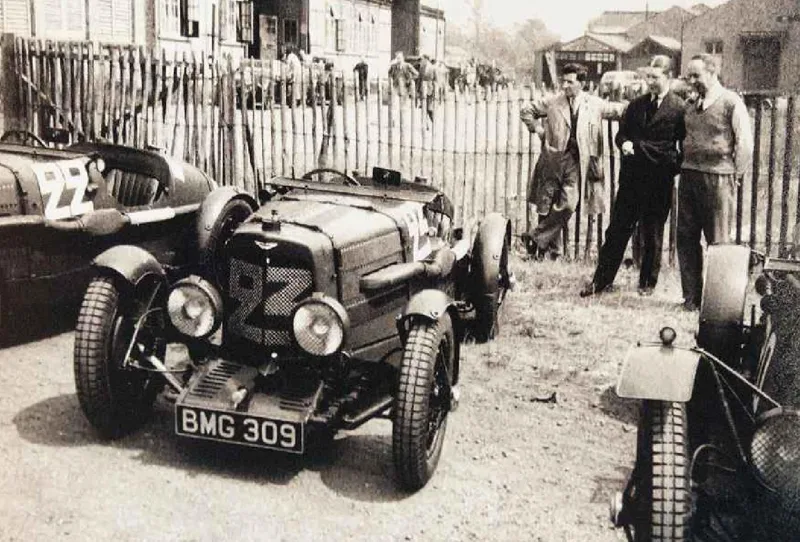
The British cars filled the middle of the field. Aston Martin had been bought out by the shipping millionaire Sir Arthur Sutherland, which gave it financial security, and it came with three works cars. Riley made its first appearance at Le Mans, with a 1.1-litre twin-cam engine producing 50 bhp. Singer had its Nine Sports, with a 972cc engine producing 31 bhp, and MG brought its supercharged C-type Midget.
Clement-Auguste Martin's Equipe de l'Ours team had bought up the MCO models after Amilcar left racing, and it updated them for the Biennial Cup. Jean de Gavardie had won the Bol d'Or a fortnight earlier, and he ran his 1094cc six-cylinder car with his brother, while Buquet and Clouet drove a 1074cc four-cylinder car. The smallest car in the field was an Austin 7 hybrid, which Charles Metchim had prepared in the works garage, and he hoped it would become the first 750cc car to finish the race.
How did practice and the opening hours go?
In practice the Bentley had clutch trouble, but Jean Chassagne, the long-serving Le Mans driver, was on hand to help get it repaired in time. Most cars used Dunlops. Nuvolari fitted Italian Pirellis to Sommer's Alfa, and Chiron and Danne ran Belgian Engleberts.
Brian Lewis got the quickest start in the Alfa Romeo, but by the end of the first lap the Alfas of Sommer, Chiron, Chinetti, Lewis and Moll were ahead of the Duesenberg, a Bugatti and the Bentley. Sommer broke the lap record several times in the first hour and built a lead of two minutes over Chiron, with Chinetti and Moll behind.
By the end of the second hour Sommer had lapped the rest of the field, except the three Alfas running ahead of him. He pitted after two and a half hours and 27 laps, handing the car to Nuvolari. Chiron's stop was held up by a jammed starter, so Nuvolari led by four minutes at 7pm.
How did the night unfold?
Just as darkness fell, the Duesenberg was disqualified after it came in for its first fuel stop a lap early. That moved Bussienne's Bugatti up to fifth. The other Bugatti retired when its battery went flat and could no longer power the headlamps.
Through the night the order became fixed. Sommer led Chiron and Cortese by two laps, with Chinetti and Gunzberg a further two laps back. Moll's Alfa had been running well and got as high as fourth, but constant vibration broke the battery terminals and stopped his co-driver on the circuit. Moll was later disqualified after officials saw a new fuse being taken out to the car.
At 2am Sammy Davis brought his Aston Martin into the pits with front suspension trouble, and an hour was lost replacing the springs. The big Bugatti, which had been running fifth, began to suffer water pump problems and lost a lot of time in the pits.
Nuvolari did not like driving at night, so Sommer carried on in the darkness until just before dawn. At the halfway point the four Alfas were still well clear, and Sommer had completed 118 laps.
What happened on the Sunday morning?
At 4.30am Nuvolari brought the lead Alfa in with a broken fender and a leaking petrol tank. The repair cost two laps and let the other Alfas overtake, and the lead then changed between the Alfas of Chiron and Cortese and Chinetti and Gunzberg, with each car gaining an advantage at its pit stops.
A short shower fell just before 7am. On the fast approach to Indianapolis, Odette Siko lost control, and her car struck trees, rolled and caught fire. She was taken to hospital.
Nuvolari was now driving very quickly and passed Gunzberg around 7.30am. By 8am he had reduced Cortese's lead to three and a half minutes, and he passed him on the pit straight before 9am. At 10am Cortese somersaulted off the road after Indianapolis when a wheel bearing collapsed, and the chassis was too misaligned to continue.
Other cars were falling out too. The little Austin of Metchim lost a steering link and retired, and Roger Labric parked the Lorraine-Dietrich with irreparable clutch trouble. The Riley of Peacock and van der Becke kept running like clockwork and climbed to fourth by midday. That run gave them a solid margin in the lucrative Index prize.
How was the last lap decided?
Nuvolari took over from Sommer again at midday, but time was lost fixing a broken fender. The hard driving had taken its toll, with a cracked radiator mount, a split exhaust and fading brakes. The fuel tank leaked badly and was sealed with chewing gum, as the MG team had done, and even Arthur Fox's mechanics helped.
These delays let Gunzberg close the gap and take the lead, but Nuvolari charged after him, passed the amateur driver and made his final fuel stop at 2.45pm. With forty minutes left, both cars pitted and Chinetti took over for the final stint. Chinetti took the lead with eight minutes to go.
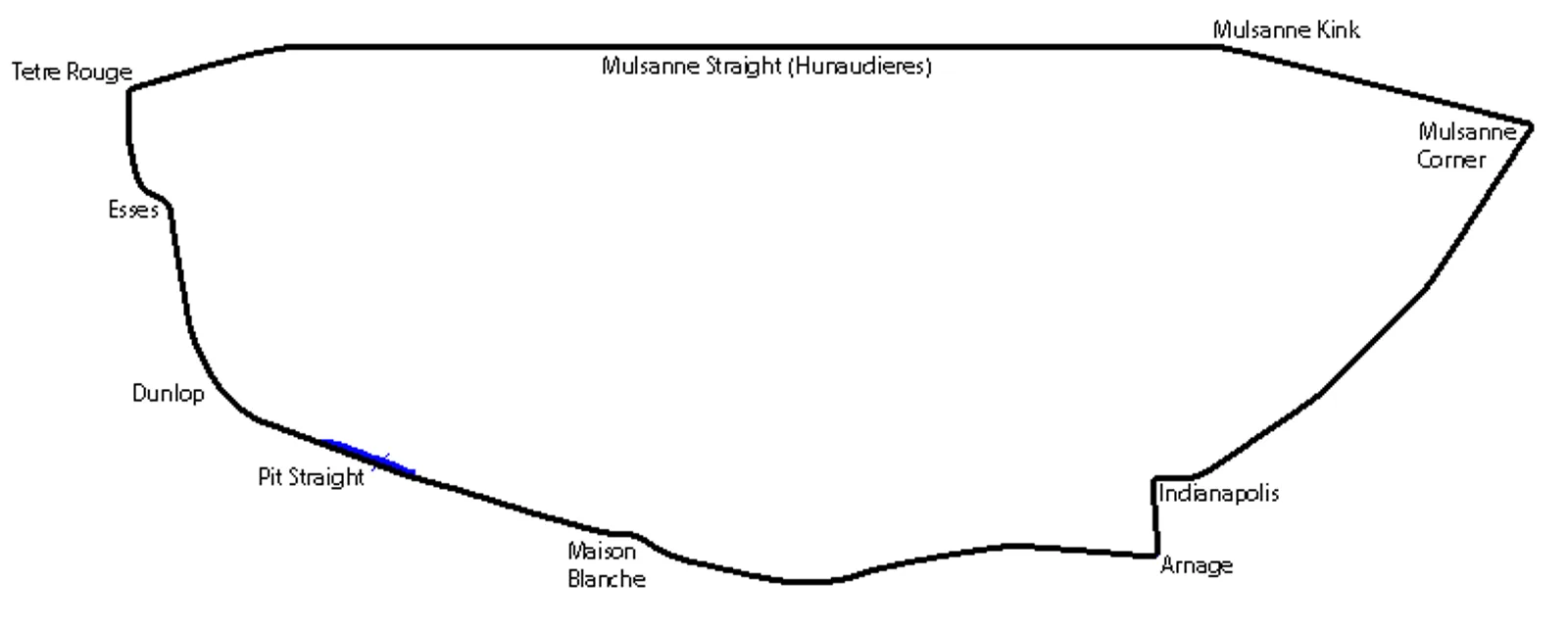
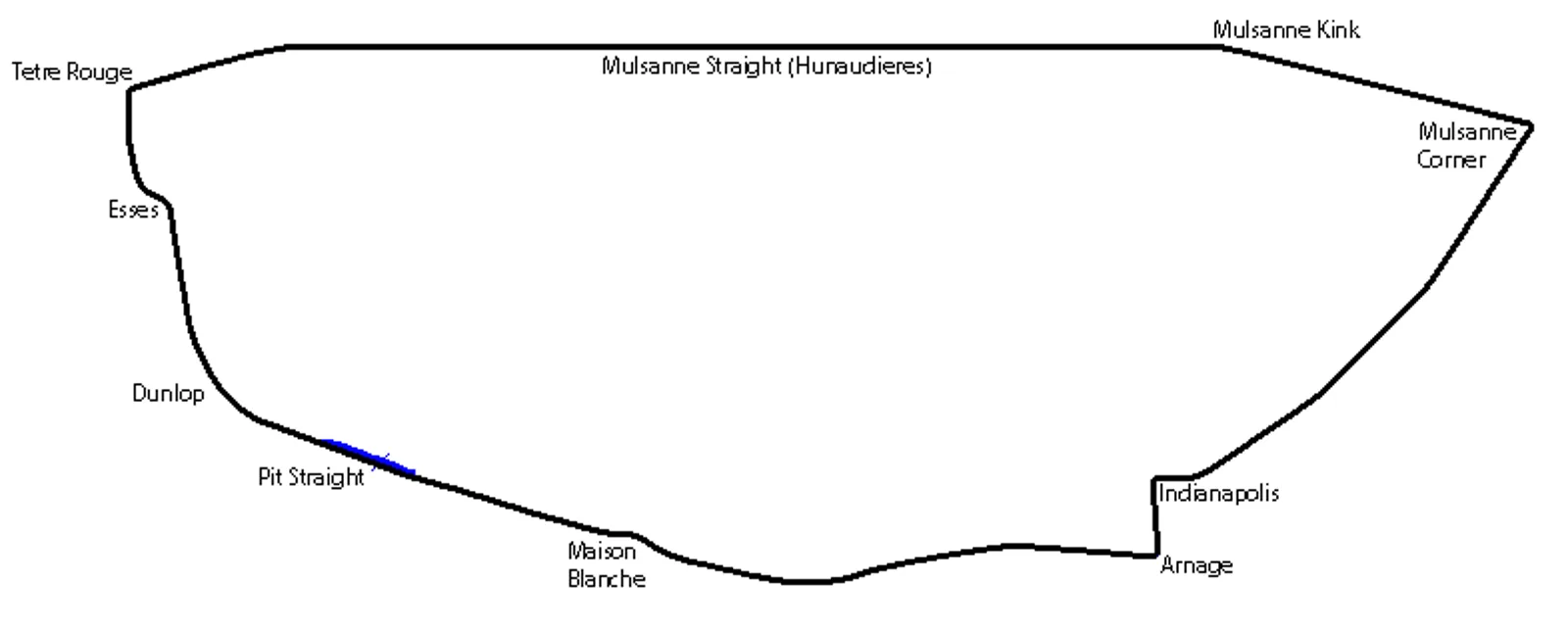
On the last lap the lead changed three times. Nuvolari used his speed to pass on the Hunaudieres straight, and Chinetti repassed him under braking for the Mulsanne corner. Under pressure, Chinetti then missed a gear change at Arnage and ran wide, and Nuvolari took the advantage through the corner.
The two cars caught backmarkers coming out of White House. When Nuvolari went past, the Alfa saloon of Francois Paco pulled out to follow him, straight into Chinetti's path. Chinetti had to brake hard and was baulked, and Nuvolari took the flag barely 400 metres ahead.
Official figures from the 1933 race
| Item | Detail |
|---|---|
| Dates | 17 and 18 June 1933 |
| Winners | Tazio Nuvolari and Raymond Sommer, Alfa Romeo 8C-2300 MM-LM |
| Winning margin | Barely 400 metres |
| Distance covered | 3,144.04 km (1,953.62 mi) |
| Average speed | 131.00 km/h (81.40 mph) |
| Fastest lap | R. Sommer, 146.39 km/h (90.96 mph) |
| Entries | 41, with thirteen withdrawn before race-week |
Why did Bentley's era end at Le Mans in 1933?
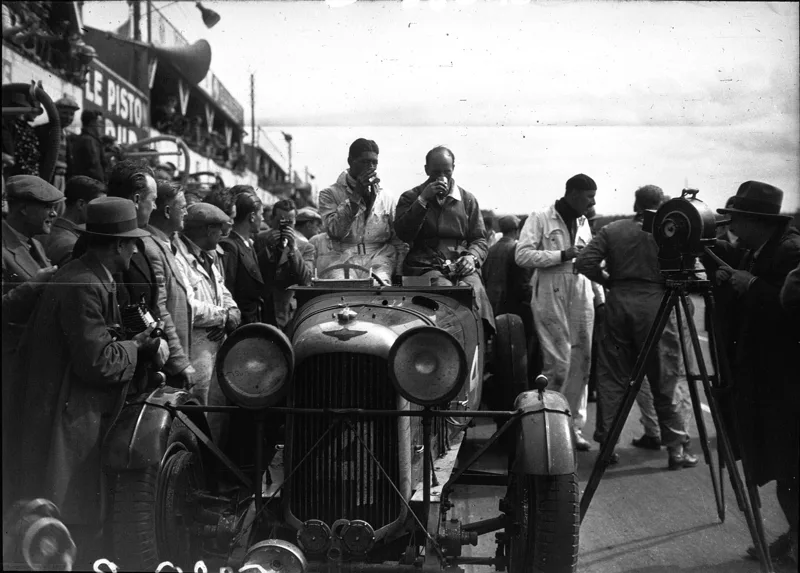
Bentley had won the race five times, which was half the races to date. Its last appearance ended early when Louis Gas drove his Bentley into the fence on the first racing lap, two hours in, and the damage was too severe to continue. It was the end of an era for the team that had dominated Le Mans in the 1920s.
Other teams also said goodbye. SARA had entered the first eight races, and its best finish had been fourth overall in 1927, but this year it missed its target by only 15 km, two laps, and never returned. Seventy years later Bentley came back to Le Mans as part of the Volkswagen Group and won outright in 2003.
It was a violent year in motorsport. At the secondary Monza GP, held on the day of the Italian Grand Prix, Campari and Borzacchini collided and crashed in the second heat. Czaykowski, who had won the first heat, was racing for the lead in the final when he crashed fatally just beyond the earlier accident.
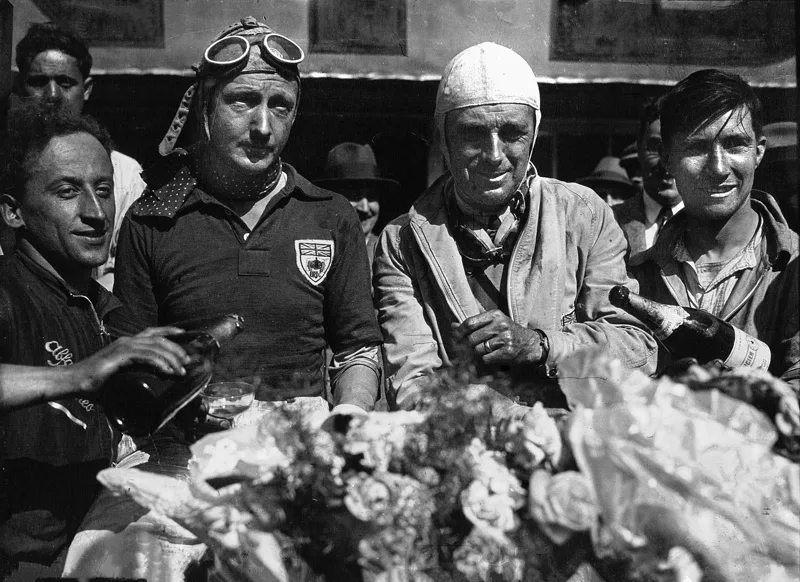
Sommer won the Biennial Cup, and Chinetti collected his bonus. Both leading cars averaged more than 130 km/h (81 mph), the first pair to do so in the race.
A fortnight later Chinetti and Chiron won the Spa 24 Hours together, while Sommer finished second in the car he had driven at Le Mans, sharing it with the veteran Henri Stoffel. Early in 1934 Nuvolari broke a leg in a minor Italian race. He raced with his leg in plaster, but he never returned to defend his Le Mans win.