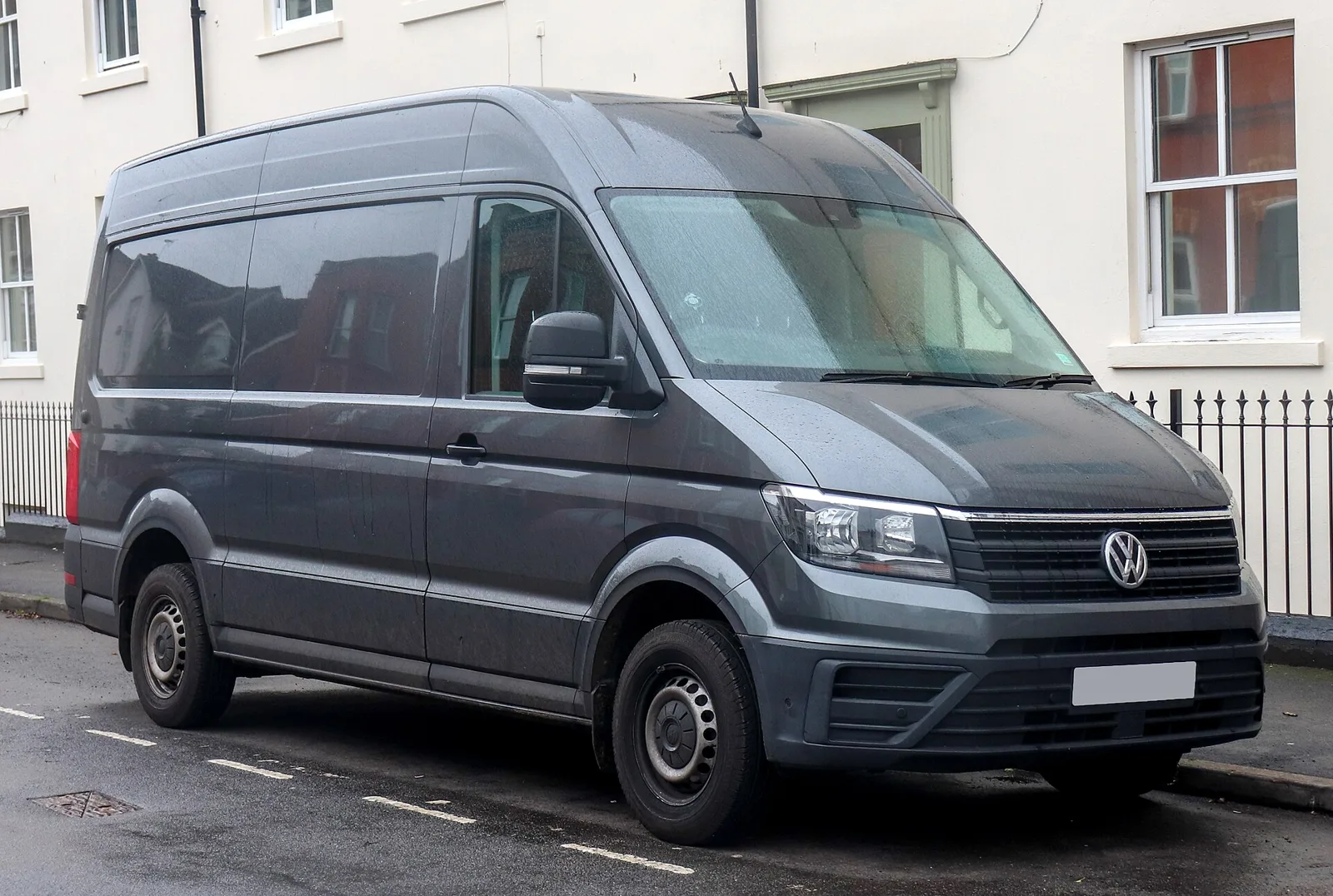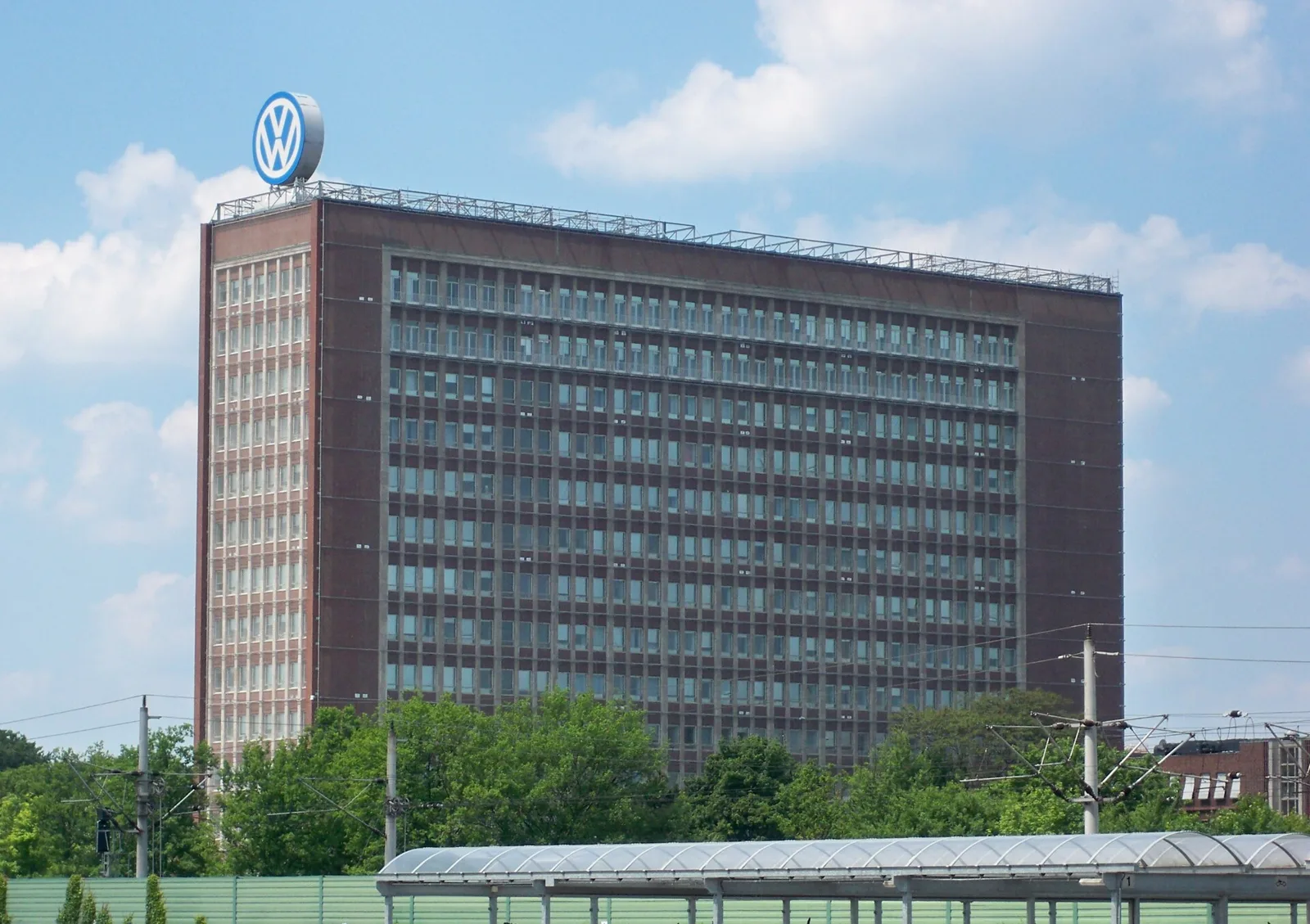
Reports name Emden, Hanover, Zwickau and Audi's Neckarsulm as possible closures, with more than 47,796 German jobs at risk.
Reports say Volkswagen is considering closing four German plants: Emden, Hanover, Zwickau and Audi's Neckarsulm. The restructuring plans could put over 47,796 jobs at risk in Germany and up to 100,000 globally. An earlier plan in October 2024 cited delayed electric-car investment and falling Chinese sales.
On 26 June 2020 a white Golf R Estate with a 2.0-litre petrol engine rolled off the line in Zwickau. It was the 9,512,001st combustion-engined vehicle the plant had built, and it ended 116 years of petrol and diesel assembly in the town. Volkswagen then turned the factory over to electric cars. According to reports, Zwickau is now one of four German plants the group is considering closing.
The reported shortlist also takes in Emden, Hanover and Audi's Neckarsulm site, and estimates of the jobs affected run above 47,796 in Germany and as high as 100,000 worldwide.
Which German factories is Volkswagen reportedly considering closing?
Reports name four plants: Emden, Hanover, Zwickau and Audi's site at Neckarsulm. Estimates for the restructuring put the jobs at risk at more than 47,796 in Germany and as many as 100,000 across the world.
The idea is not new. In October 2024 the plan reported was to shut three or more German plants and cut jobs, as delayed investment in electric cars and a drop in Chinese sales put pressure on the business.
The plant that built its last combustion-engined car in June 2020 is now reportedly on a closure list.
Why is Volkswagen under so much pressure?
Two causes stand out: electric-car investment that arrived late, and falling sales in China. Volkswagen runs three joint ventures there, FAW-Volkswagen, SAIC Volkswagen and Volkswagen Anhui. China became the group's largest market in the 2010s, but sales there have declined significantly in the 2020s.
The group is enormous. In 2024 it ranked second among the world's automakers by sales, first among European Union companies and first among car makers by revenue. It has held the biggest market share in Europe for more than two decades and came 11th on the 2024 Fortune Global 500 list. It operates in roughly 150 countries, with 100 production facilities across 27 countries.
Older figures show how much capacity that implies. As of 2019 Volkswagen had 136 production plants and about 670,000 employees, turning out more than 26,600 vehicles and major components a day.
The diesel scandal sits in the background. In 2015 Volkswagen was found to have used defeat devices to mislead environmental regulators about nitrogen oxide emissions, and the US Environmental Protection Agency said on 18 September 2015 that the software had been fitted to diesel models on American roads between 2009 and 2015. The company was fined more than US$30 billion (EUR 26.8 billion).
Who owns Volkswagen, and who has a say?
Wolfsburg, in Lower Saxony, is the headquarters. Since the late 2000s the group has been a listed company run as a family business: it belongs to Porsche SE, and the Porsche-Piech family owns half of Porsche SE while controlling all of it. Lower Saxony's state government has 12.7 per cent of the shares and, by law, 20 per cent of the votes.
How did Volkswagen collect so many brands?
Volkswagen began in Berlin in 1937, set up to make the car that became the Beetle, and was incorporated in Wolfsburg. After the war the British government handed the company back to the German state in 1948, and former Opel chief Heinrich Nordhoff ran it. From there it bought its way into a multi-brand group, one marque at a time.
| Brand | When Volkswagen got it | How |
|---|---|---|
| Audi (Auto Union) | 1965 | Bought from Daimler-Benz on 1 January 1965; merged with NSU in 1969 |
| SEAT | 1986 | 51 per cent on 18 June 1986, 75 per cent by December, full ownership in 1990 |
| Skoda | 1991 to 2000 | 30 per cent in April 1991, 60.3 per cent in December 1994, full ownership on 30 May 2000 |
| Bentley, Lamborghini, Bugatti | 1998 | Added together as prestige marques |
| Scania | 2008 | Controlling interest, now through Traton (89.7 per cent held since 2013) |
| Ducati, MAN | 2012 | Control acquired |
| Porsche | 2009 to 2012 | 49.9 per cent in December 2009, the rest on 1 August 2012 for EUR 4.5 billion |
The Beetle era gave way in the 1970s to a new generation of front-wheel-drive cars, the Passat, Polo and Golf, with the Golf becoming the bestseller. Expansion abroad began on 30 September 1982 with a cooperation agreement with SEAT in Spain, and three prestige marques, Bentley, Lamborghini and Bugatti, arrived in 1998. Smaller purchases followed: the assets of the coachbuilder Karmann out of bankruptcy protection in 2009, with a plan to restart production at its Osnabruck plant in 2012, and 90.1 per cent of the Italian design house Italdesign Giugiaro in 2010. In 2015 Volkswagen joined BMW and Daimler in buying Nokia's Here digital maps division for EUR 2.8B.
The Porsche deal took longer than planned. A full merger was scheduled for 2011, but on 8 September 2011 the companies said it could not be done in time, pointing to legal risks that could not be quantified, among them a criminal investigation of the holding company's earlier management team. Volkswagen announced in July 2012 that it would buy the remaining half for EUR 4.5 billion, partly to avoid tax of as much as EUR 1.5B that would fall due if it waited past mid-2014.
Not every move stuck. Volkswagen bought 19.9 per cent of Suzuki in January 2010, then lost an arbitration case and sold the stake back; Suzuki paid US$3.8 billion (EUR 3.4 billion) in September 2015. From 2002 to 2007 the car business was also split into two Brand Groups, one built around Audi with SEAT and Lamborghini, the other around Volkswagen with Skoda, Bentley and Bugatti.
What is the story behind the Zwickau plant?
Zwickau is in Saxony, in the Mosel district, and its car-making history is older than Volkswagen's. Horch was founded there in 1904 and Audi in 1909, which made the town the cradle of the Saxon motor industry. After the war the East German state took over the old Audi and Horch works and built the Trabant on the site.
Volkswagen was the first large West German company to build a completely new plant in Saxony. The Zwickau-Mosel plant dates its founding to 26 September 1990, although mass production of the Polo Mk2 had already begun in the Mosel factory on 21 May 1990, followed by the Golf Mk2 on 15 February 1991. That Mosel site was built by East Germany between 1978 and 1982. A much larger Volkswagen factory, finished in 1993, replaced the old Trabant works in the town centre, and only the historic Audi building was kept. It now houses the August Horch Museum.
Since 1990 about 6 million Volkswagens have been delivered from the plant. The record year was 2010, with 250,000 vehicles and 1,350 Golfs and Passats leaving the line each day. Zwickau also built bodies for the Phaeton and the Bentley Continental GT, which were painted elsewhere, and has produced bodies for the Bentley Bentayga since 2017 and the Lamborghini Urus since 2018.
From combustion to electric
In 2019 the factory was converted completely to electric cars, and the last combustion-engined car, that Golf R Estate, followed in June 2020. The Audi Q4 e-tron went into production there in 2021, the first time Audis had been assembled in Zwickau since the war. Employment has fallen: the plant had about 8,000 people in spring 2019 and 6,500 as of October 2026.
What would the closure list mean for Audi?
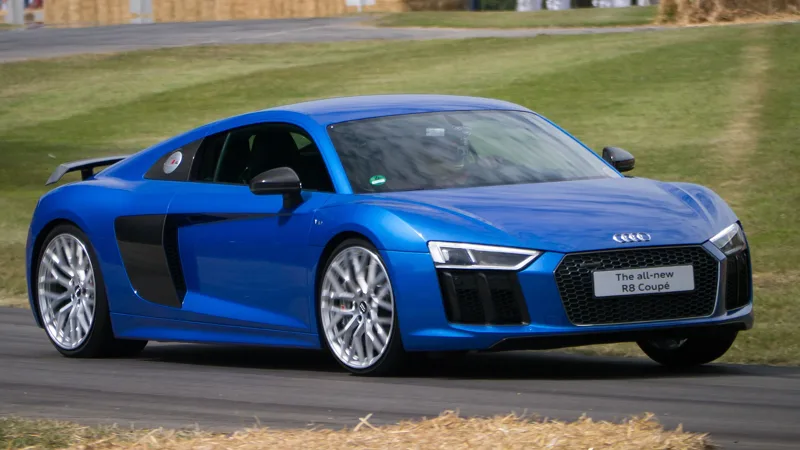
Audi is a wholly owned Volkswagen subsidiary, headquartered in Ingolstadt, Bavaria, and builds cars in nine production facilities worldwide. One of them, Neckarsulm, is on the reported list. The plant makes the larger Audi models, the A6 and A8, and is home to Audi Sport GmbH, which develops and builds the R8 and the RS performance range.
The four rings on an Audi badge date from 1932, when Audi joined forces with Horch, DKW and Wanderer, creating Auto Union. By 1938 the DKW brand held 17.9 per cent of the German car market while Audi managed only 0.1 per cent, and after the last few Audis were delivered in 1939 the name was absent from showrooms for over two decades. Volkswagen relaunched it in 1965 with the F103 series.
Neckarsulm's heritage stretches back to NSU, the motorcycle giant of the 1950s that turned to small cars and then to rotary engines based on Felix Wankel's ideas. NSU's Ro 80 of 1967 was well ahead of its time in aerodynamics, weight and safety, but teething troubles with the rotary engine ended its independence, and in 1969 it merged with Auto Union, which led to Audi NSU Auto Union.
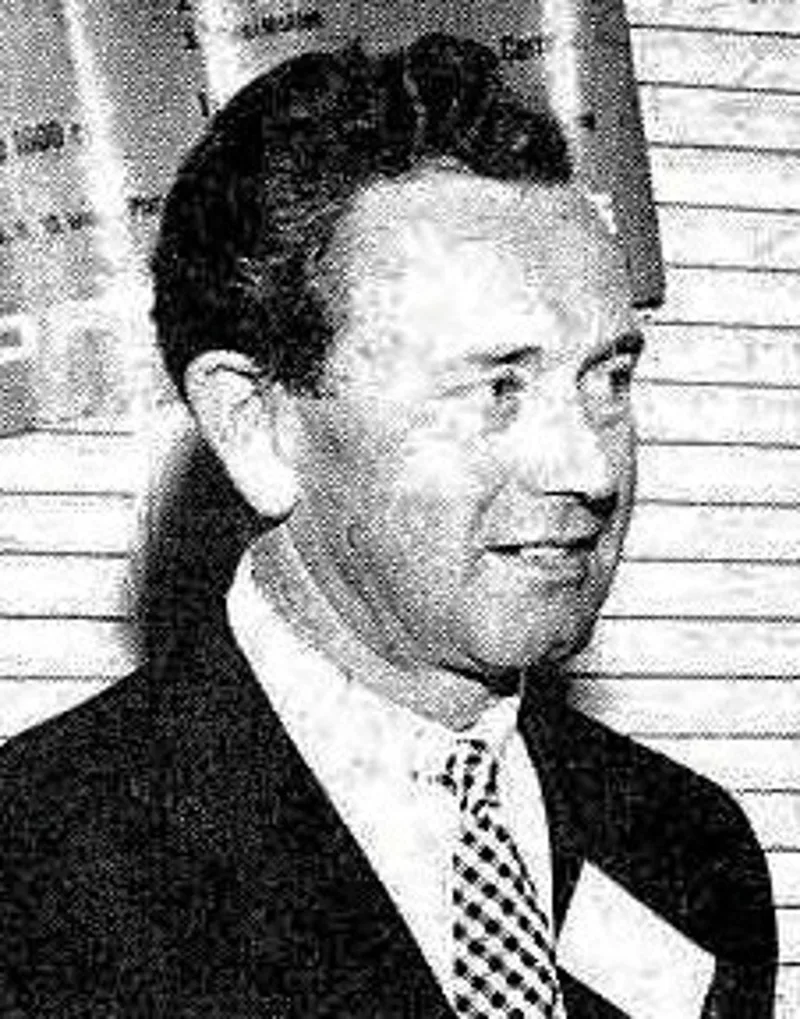
Audi's own revival is a story in itself. Daimler-Benz sold Auto Union to Volkswagen, which bought half in 1964 and the rest about eighteen months later. At first Volkswagen was hostile to the idea of Audi as a standalone brand, and its chief, Nordhoff, forbade further product development. Engineers under Ludwig Kraus built the first Audi 100 in secret anyway. When shown a finished prototype, Nordhoff approved it, and the car launched in 1968 to great success.
What about Porsche, Bugatti and the rest of the portfolio?
Porsche has been a wholly owned Volkswagen subsidiary since 1 August 2012, making it the second German wholly owned subsidiary after Audi. No Porsche site is on the list. Elsewhere in the portfolio, the group agreed in 2021 to merge Bugatti with Rimac Automobili into a joint venture, Bugatti Rimac, and handed its 45 per cent share to Porsche AG. Porsche sold that holding in 2026 to a group of investors headed by HOF Capital, a firm based in New York.
The group also sells Cupra and Jetta cars, Ducati motorcycles, Volkswagen Commercial Vehicles, and heavy trucks through Traton, whose marques are International, MAN, Scania and Volkswagen Truck and Bus. Software and technology products are sold under CARIAD. In early 2024 Volkswagen began looking for partners among international technology companies to set up AI labs and build digital prototypes of products and functions.
What does it mean if you own or want a Volkswagen Group car?
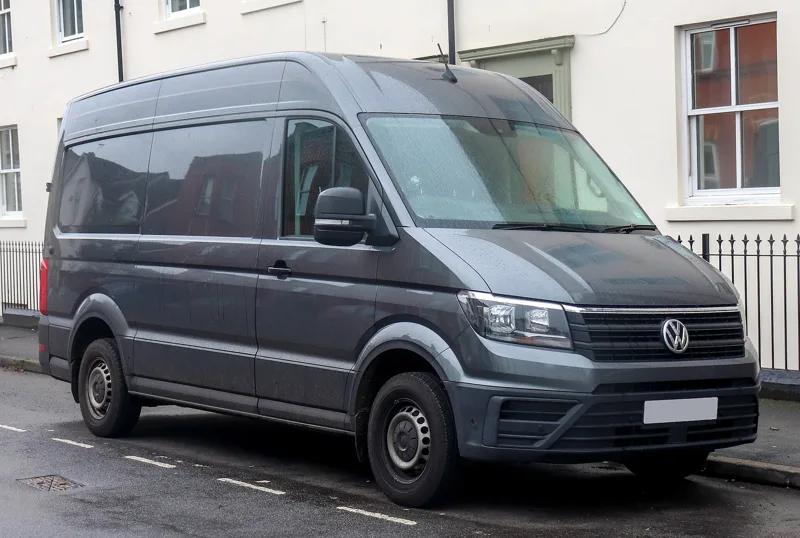
The cars tied to the named plants include the Audi Q4 e-tron from Zwickau, the Audi A6 and A8 from Neckarsulm, and the Bentayga and Urus bodies that Zwickau supplies.
To see where any Volkswagen Group car was assembled, look at the 11th character of its 17-digit Vehicle Identification Number. That position holds the factory code, which is assigned only to plants that produce complete vehicles, not to component factories.