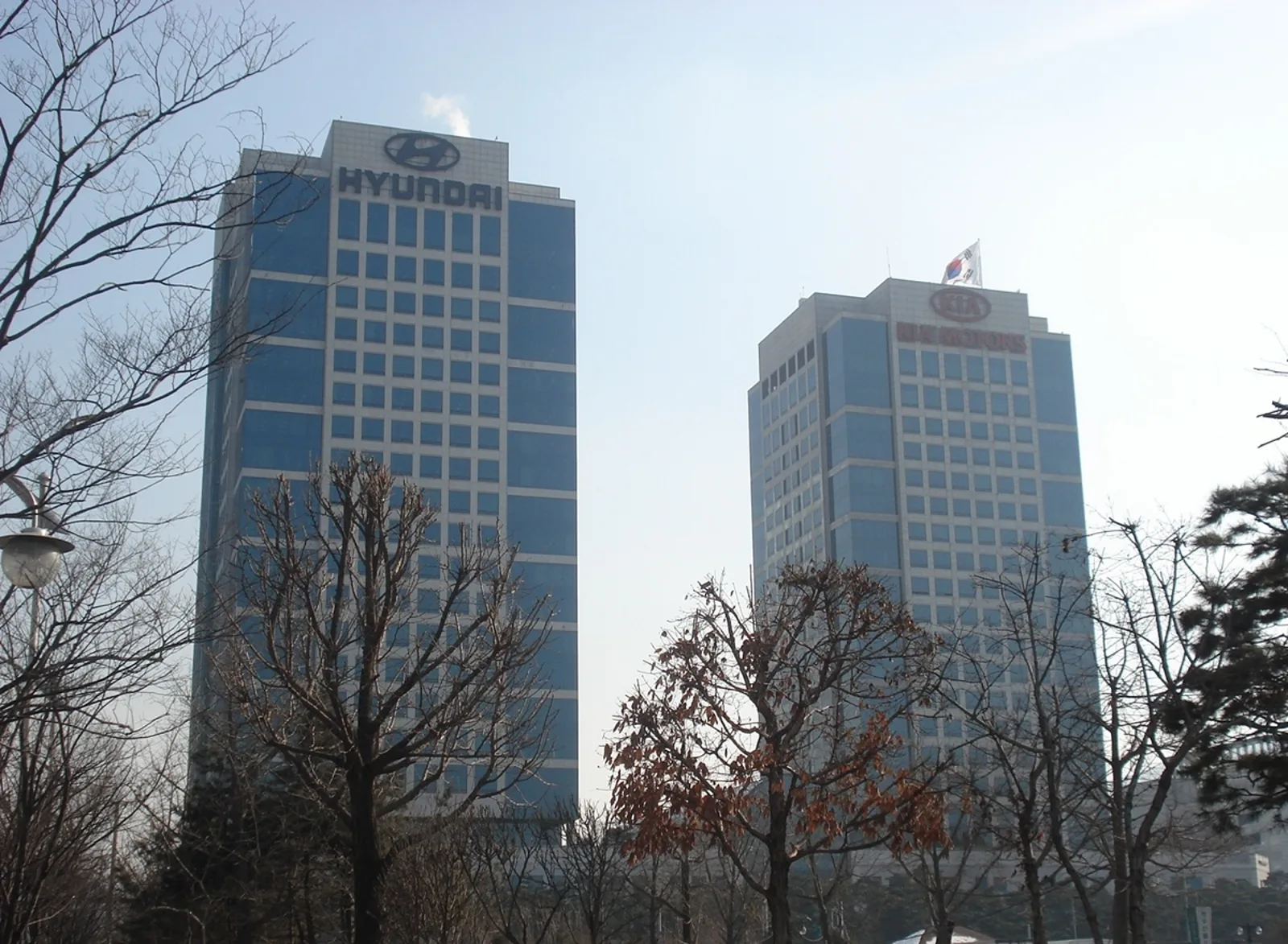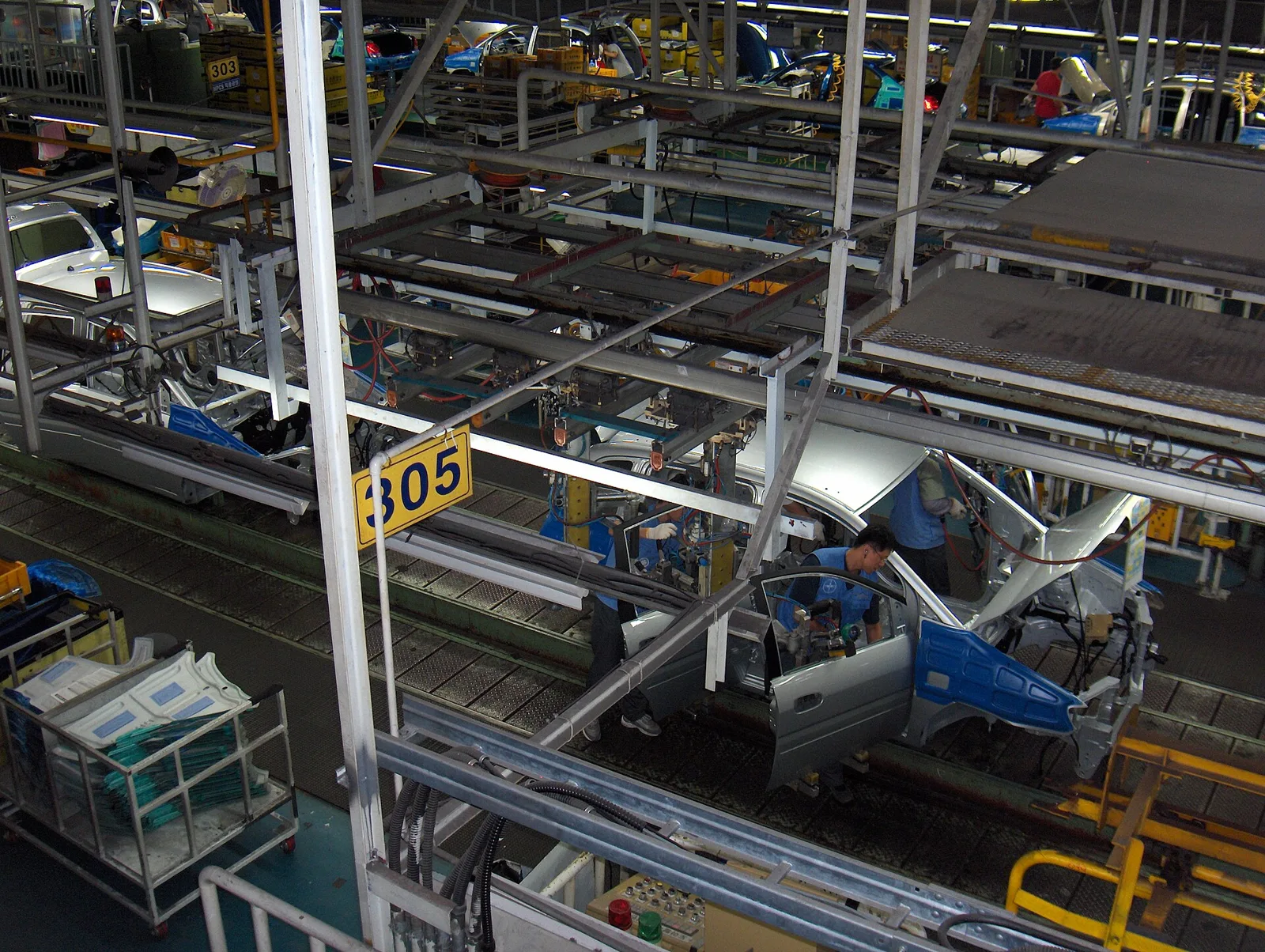
Assemblers working under foreign licences, a founder who started with a repair garage and a Daewoo that GM bought for $1.2 billion in 2002.
South Korea began with assemblers working under foreign licences after a 1962 government policy, then moved to its own designs with the Hyundai Pony in 1975. Daewoo's cars led exports until GM bought it for $1.2 billion in 2002 and renamed it GM Korea.
In August 1955 a businessman named Choi Mu-seong and two of his brothers bolted a modified jeep engine into a body made from the sheet metal of an old oil drum and discarded military jeep parts. They called the result Sibal, which means a new start. It is usually counted as the first South Korean car, and the industry that grew from it now ranks fifth in the world by unit production and by export volume.
The route from that oil-drum special to the present ran through foreign partners, government protection, a founder who had once repaired cars on a 3,000 won loan, and one of the most dramatic corporate collapses in Asia. Hyundai, Daewoo and GM Korea tell it from three angles.
Which South Korean car brands are there?
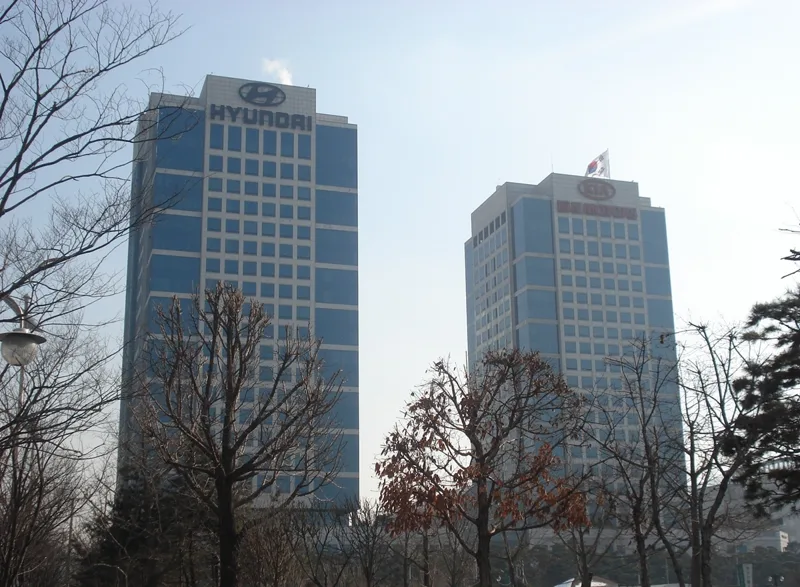
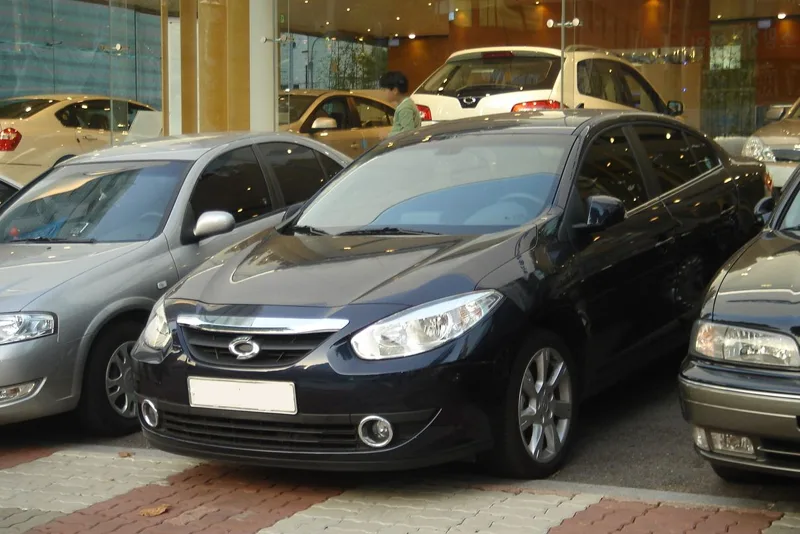
The main South Korean makers are Hyundai Motor Group and its affiliate Kia, GM Korea and Renault Korea. Older names that shaped the story include Daewoo, Asia Motors, SsangYong and Samsung Motors, which were bought, merged or renamed along the way.
Those older firms matter because almost none of them started as independent designers. Early on the industry merely assembled parts imported from foreign companies. It was only later that South Korea became one of the most advanced car-producing countries in the world, first exceeding one million units a year in 1988 and building numerous in-house models in the 1990s.
The first Korean car was built from an oil drum and discarded jeep parts.
How did the Korean car industry begin?
The Korean car industry began with a handful of assemblers created after a 1962 promotion policy from the government. Overseas carmakers could operate in the country only through joint ventures with local firms, so the first domestic makers were built around licences and imported kits.
Three firms appeared in 1962. Kyeongseong Precision Industry became Kia Industry and began assembling cars with Mazda. The Ha Dong-hwan workshop line led to what became SsangYong. The third, Saenara Automobile, was set up with technical help from Nissan and was the first with modern assembly facilities. Asia Motors followed in 1965 and Hyundai Motor Company in 1968, with Ford's technical cooperation. All were assemblers, importing parts from overseas partners. A government plan of 1965 set a goal of 90 per cent local content by 1967, while the Shinjin Corona launched in 1965 contained 20 per cent.
In the 1970s the targets rose. In 1974 the government set a goal of half a million vehicles a year, and in 1975 a further Act supported small and medium firms in the car trade. After the 1979 energy crisis and the recession that followed, the government stepped in again in 1982 with a rationalisation policy to stop excessive competition between Hyundai, Kia, GM Korea and Asia Motors, and it postponed liberalising imports.
Who was Chung Ju-yung?
Chung Ju-yung (1915-2001) founded the Hyundai Group, one of South Korea's biggest chaebol conglomerates. He was born into a poor family in what is now North Korea, started as a labourer, and began his working life with cars by running a repair garage in 1940.
His early path was bumpy. He became a dock worker at Incheon at 18, then a delivery man and bookkeeper at a rice store, and the owner handed him that store in 1937, only for him to lose it in 1939 when the Japanese colonial government limited the rice shops that Koreans could own. Forced to look elsewhere, he started the A-do Service Garage on a 3,000 won loan. Within three years it had grown from 20 employees to 70, until in 1943 the colonial authorities forced it to merge with a steel plant. He went home with 50,000 yen in savings.
After Korea's liberation in 1946, Chung launched Hyundai Auto Service and Hyundai Construction Company in Seoul. During the North Korean invasion of 1950 he fled to Busan, kept the firm busy with contracts from UN forces and the Korean transport ministry, and rebuilt in Seoul when the city was retaken. In 1972 he founded Hyundai Shipbuilding & Heavy Industries, with its headquarters at the Ulsan shipyard. He introduced the Hyundai Pony in 1976 and the Excel in 1986. He ran for president in 1992 and lost, with a personal fortune estimated at $4 billion, and died on 21 March 2001 at the age of 85.
How did the Hyundai Pony turn assembly into engineering?
The Pony was the first Korean-developed car, built in 1975, but it was assembled from an international kit of help. Hyundai hired George Turnbull of British Leyland as vice-president, and the result was a joint effort among suppliers across several countries.
Design came from Italdesign, the engine and transmission from Mitsubishi, body technology from Perkinson, body moulding from Ogihara Mold Company and a machine press from France, with funds from Barclays Bank and France Suez.
Exports began almost at once. Between 1976 and 1982 the Pony went to South American countries including Colombia, Venezuela and Ecuador, the first home-developed Korean car sold abroad, and a distributor in Costa Rica began selling the Pony pickup in 1977. The car was also imported to Britain.
What went wrong for Hyundai in America?
Hyundai's Excel sold well in the United States from 1986 and then damaged the brand's reputation. It set a record for sales by a new brand in its first year, with 126,000 cars, largely on price. But quality was poor, and as faults emerged sales dropped sharply and dealers began giving up their franchises.
Rather than leave the world's largest car market, Hyundai began in 1998 to invest heavily in quality, design, manufacturing and research, and backed its American cars with a warranty of ten years or 100,000 miles. By 2004 it had tied with Honda in a J.D. Power survey of initial brand quality, second in the industry behind Toyota. Meanwhile its in-house models had begun in 1989 with the Sonata, which still carried many Mitsubishi designs and parts. Cumulative exports to the United States passed one million in 1990. Its ScoupeTurbo won at Pikes Peak in 1992, the Elantra was named Best Car of 1993 in Australia and the Accent took a Canadian Best Buy award in 1995.
What was Daewoo Motors?
Daewoo Motors was a South Korean carmaker that traced its history to a Japanese-era firm founded in Incheon in 1937 as National Motors, took the Daewoo name in 1982 when the Daewoo Group bought it, and was sold to General Motors in 2002.
The lineage ran through several owners. National Motors became Saenara Motor in November 1962, assembling the Datsun Bluebird PL310. Shinjin Industrial bought it in 1965 and partnered with Toyota. When Toyota withdrew in 1972, Shinjin formed a joint venture with General Motors, called GM Korea, selling a rebadged Holden Torana as the Chevrolet 1700. It was renamed Saehan Motors in 1976, and Korea Development Bank took over management that year. In 1982 the Daewoo Group gained control and from January 1983 the company became Daewoo Motor Co.
Until 1996 every Daewoo was based on a General Motors model. The 1986 LeMans, based on the Opel Kadett E, was sold nearly worldwide under many names. Italian designers followed: Bertone drew the Espero of 1990, and Italdesign styled the Lanos, introduced in late 1997 as the first authentic Daewoo product after the joint venture with GM ended in 1992. The Nubira, Leganza and Matiz came next. The Matiz, designed by Fabrizio Giugiaro from his 1992 Lucciola concept, became the company's best seller for four years.
In Europe, Daewoo started selling in 1995 with competitive prices, fixed-price dealerships and free servicing for three years. By 1996 it held a 1 per cent share of the British new-car market, with some 20,000 sales. The Matiz won Car of the Year in Italy three times running, in 1998, 1999 and 2000.
Daewoo also expanded across the world. It set up Uz-DaewooAuto in Asaka, Uzbekistan in August 1992, bought a plant in Craiova, Romania in 1994, invested in Poland's FSO in 1995 and bought 50.2 per cent of the Czech truck firm Avia in 1998. It owned a share of AvtoZAZ in Ukraine from 1998 to 2003 and assembled cars in Taganrog, Russia.
The expansion was too fast. Daewoo took over SsangYong in 1998 after the Asian financial crisis and sold it again in 2000. By 1999 the whole Daewoo Group was in financial trouble. Hyundai, together with DaimlerChrysler, Ford and a GM-Fiat alliance, were all candidates to buy the car division, and General Motors won it in 2002 for $1.2 billion. Tata Motors bought the spun-off Daewoo Commercial Vehicle in 2004.
What is GM Korea?
GM Korea is the South Korean subsidiary of General Motors and the country's third-largest automaker. It grew from the remains of Daewoo Motors, which GM bought out in 2001 and 2002, and was renamed from GM Daewoo in 2011. It operates three manufacturing facilities for the home market and export.
The new company, GM Daewoo Auto & Technology, began operations on 17 October 2002. GM and its partners Suzuki and SAIC held 66.7 per cent with US$400 million of investment, and Korea Development Bank and other Korean creditors held the remaining 33.3 per cent for US$197 million. The deal excluded 15 plants. By 2010 GM owned 82.9 per cent, SAIC 9.9 per cent and the creditors 7.2 per cent.
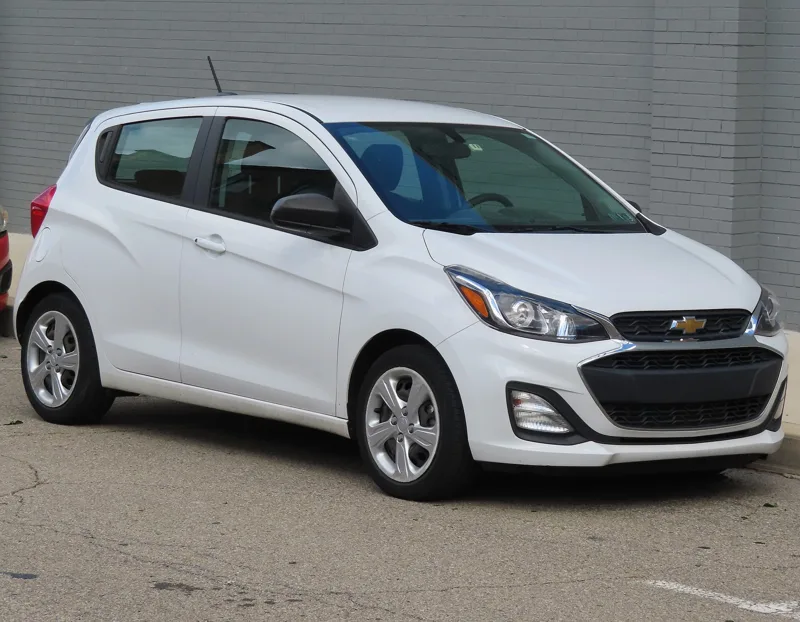
Its cars were sold around the world under other badges. The 2002 Daewoo Lacetti, developed in Korea, became a GM world car. The Winstorm SUV of 2006 was also sold as the Chevrolet Captiva, Opel Antara and Holden Captiva, with a diesel engine licensed from VM Motori, and in 2008 the company built more than 1.9 million vehicles including CKD kits. The Matiz became the Chevrolet Spark in 2009. On 20 January 2011 General Motors said that GM Daewoo would become GM Korea from March, citing the unit's higher standing in its global operations. Most Daewoo cars were rebadged as Chevrolets.
Retrenchment followed. From 2014 GM halted Chevrolet sales in Europe, India and East and South Africa, markets supplied largely by GM Korea, and in 2017 it sold Opel and Vauxhall to PSA Group, which led to the closure of the Gunsan plant. GM Korea's Vietnam plant went to VinFast in 2018. In February 2020 GM announced it was leaving all right-hand-drive markets, and the Holden brand ended that year. In April 2022 the Bupyeong 2 plant closed. The Spark and Malibu were due to be discontinued in South Korea by August 2022, and the Bolt EV and EUV were discontinued there on 1 December 2023.
The South Korean makers compared
| Maker | Started | Early partner | Later fate |
|---|---|---|---|
| Hyundai | 1968 | Ford | Acquired Kia in 1998 |
| Kia | 1962, as Kia Industry | Mazda | Acquired by Hyundai, 1998 |
| Daewoo Motors | 1937, as National Motors | Toyota, then General Motors | Sold to General Motors, 2002 |
| Asia Motors | 1965 | Not named | Merged with Kia, 1999 |
| SsangYong | Ha Dong-hwan line, 1962 | Not named | Renamed 1986; Daewoo took over 1998 |
| Samsung Motors | 1994 | Not named | 70 per cent sold to Renault, September 2000 |
Where this went next
The industry's attention turned to North America. Hyundai completed an Alabama assembly plant worth a billion dollars in 2005, which made it the sixth Asian automaker to build a United States factory, and a twin plant at West Point, Georgia, was due to open in 2009 to build Kia cars.
Dependence is the current worry. Despite its lead in rechargeable battery production, South Korea imports more than 60 per cent of its battery material, most of it from China, which leaves its makers exposed to trade tensions and shocks in the region. At GM Korea the story moved in the opposite direction, from expansion to consolidation, with Cadillac sales reaching a record 28,000 units in 2017 before the plant closures that followed.