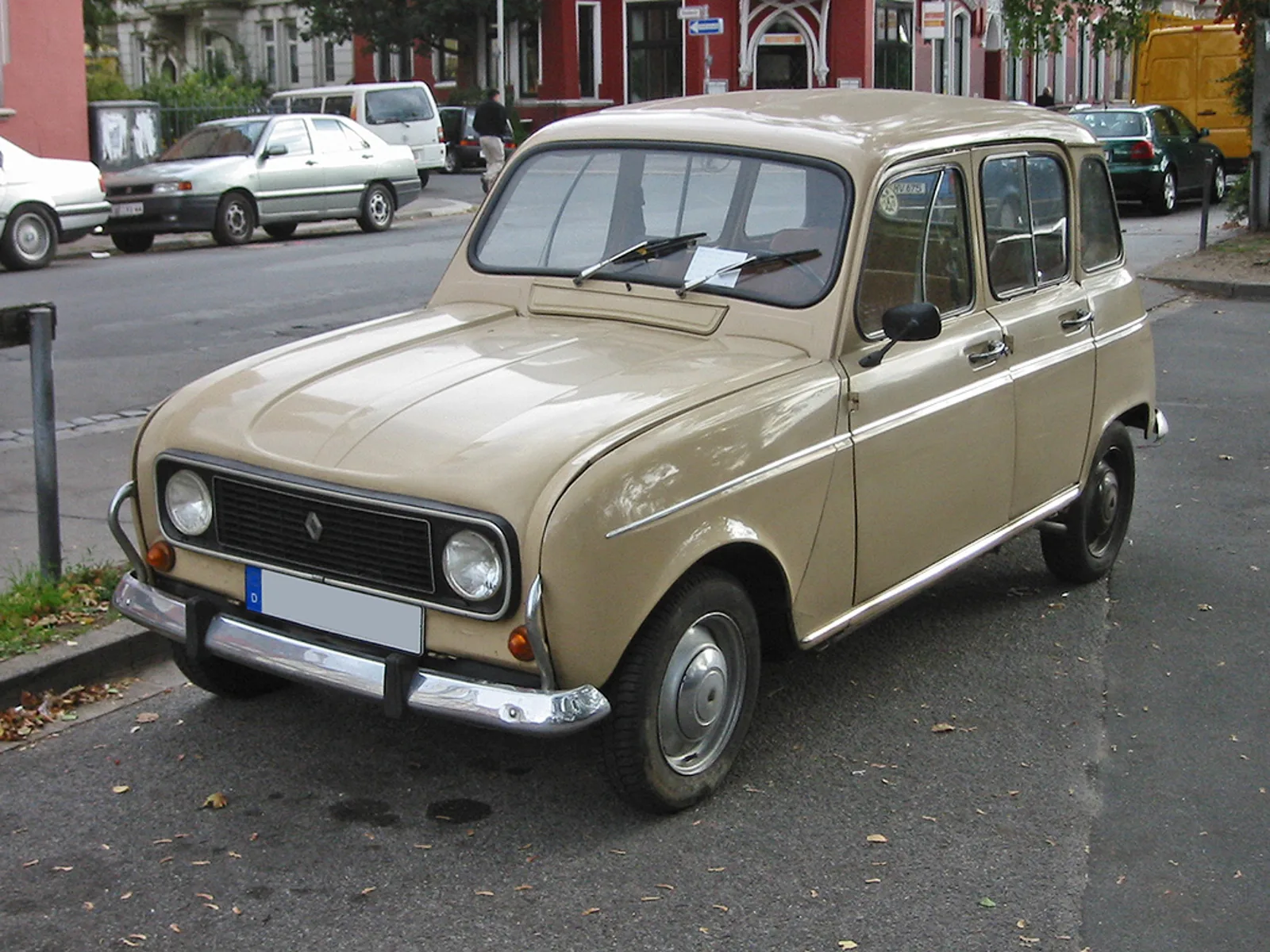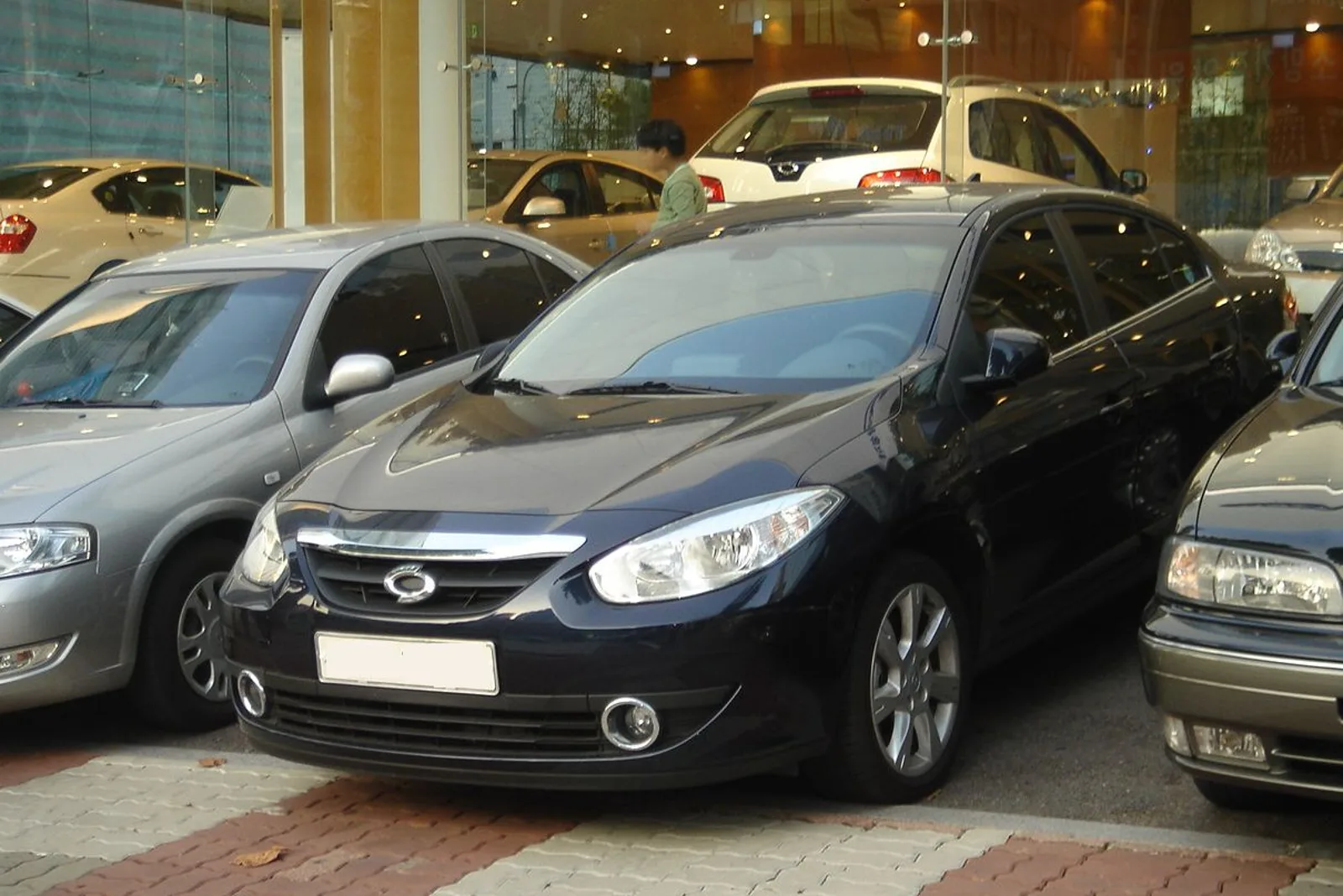
How a Samsung car project became Renault Samsung Motors, rode out sales slumps and an electric push, and emerged as Renault Korea in 2024.
Renault Korea is a South Korean carmaker headquartered in Busan. It began in 1994 as Samsung Motors, was bought by Renault in 2000 and became Renault Korea in 2024. Its Busan plant can build 300,000 cars a year, and Geely now holds a minority stake.
Renault Korea is a South Korean carmaker based in Busan, where its single assembly site also sits. It began life in 1994 as Samsung Motors, a project of the Samsung chaebol, and has since passed through the Renault Samsung Motors name to the present Renault Korea identity adopted in April 2024.
The company's story falls into two halves. Its first years were driven by Samsung's ambitions in cars, and a 2000 takeover by Renault turned it into an export-minded arm of the French group. Later years brought falling sales, a shift towards crossovers and electric cars, and a 2022 partnership with the Chinese carmaker Geely.
How did Samsung start building cars?
Samsung chairman Lee Kun-hee saw the car industry as the culmination of several others, and the group wanted to use technology from across its businesses. The new carmaker, Samsung Motors (SMI), was established in 1994 and incorporated in 1995, with technical help from Nissan. Construction of the Busan factory began in March 1995.
Lee's first target had been Kia, but rival bidders and legal limits ended that plan, and Hyundai eventually acquired the carmaker. He then decided to build a carmaker and, alongside it, a truck manufacturer, Samsung Commercial Vehicles, which was set up in Daegu in 1996 with backing from Nissan Diesel through Samsung Heavy Industries.
Nissan was then in dire financial straits, yet it supplied the engineering help that SMI relied on. Early planners recalled that partnerships were first considered with Volkswagen, BMW or Honda. The Nissan link later became one reason Renault took a major stake, since Renault had become a major shareholder in Nissan itself.
A Samsung car project that Renault bought in 2000 and that now builds Renault and Geely-based models in Busan.
How did the Asian financial crisis affect Samsung Motors?
The Asian financial crisis hit soon after Samsung Motors began operating, and Samsung moved to sell off SMI along with other non-core subsidiaries. Daewoo Motors was among the first interested buyers, but it was itself bought by GM as the crisis deepened. Hyundai was also considered, though rivalry between the Samsung and Hyundai groups blocked that route.
Sales had begun in 1998, only shortly before the crisis reached the country. The company was therefore put up for sale while it was still establishing itself.
Talks with Renault started in December 1998. The French automaker then acquired 70% for US$560 million in September 2000, while Samsung kept its truck arm, which went bankrupt at the end of 2000.
How did Renault take control in 2000?
Renault bought 70% of the carmaker in September 2000 for US$560 million, after talks that had begun in December 1998. The company was renamed Renault Samsung Motors (RSM), with Samsung retaining a minority ownership, and the carmaker became a subsidiary of the French manufacturer.
The first car built at Busan, the SM5, became the foundation of the turnaround. Journalists attribute the recovery to its success in taxi fleets, which gave the model credibility with the rest of the customer base. Sales started rising that year.
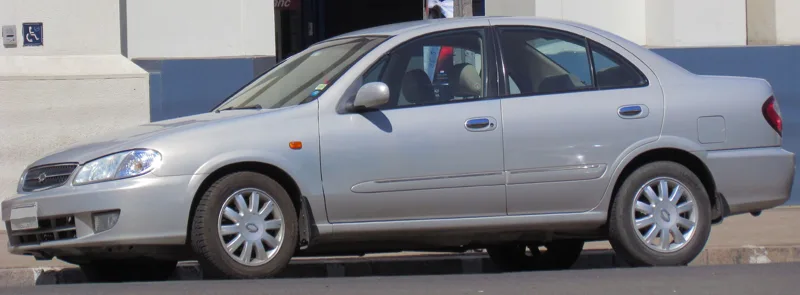
From 1998, RSM had also sold cars in Chile, using the SQ5, which was the forerunner of the current SM5 in that market.
What did Renault change in the 2000s?
Under Renault the range was rebuilt. The SM3 came in 2002, followed by the SM7 in 2004 and the QM5 crossover in 2007. Over time the company moved from a Nissan-based architecture to one based on Renault, and as part of the group it became export-oriented.
Renault lifted its holding in 2005 with a further 10% bought from creditors. On 26 June 2009 the two companies agreed to renew Renault's right to use the Samsung trademark on its products until 2020,.
The 2009 slogan, Discover the Difference, followed the trademark renewal. The company described it as a statement of what sets its products apart.
Why did sales fall in the 2010s?
Sales fell sharply through the 2010s as Hyundai and Kia, the dominant automakers in South Korea, applied growing pressure. RSM sales dropped 27% in 2011 and then 41% in the first half of 2012, so the company set out to revive itself.
Renault cut its Busan staff by 15%, roughly 800 people, and co-funded a US$160 million Nissan Rogue export programme with Nissan. The investment aimed to improve production output, and revised versions of the SM3 and SM5 were presented.
The QM3 crossover, based on the Captur, arrived in 2013. By late 2015 cumulative sales since 2000 in South Korea had reached 1.5 million units. In 2016 the company introduced the SM6, a mid-size model closely related to the Talisman, and the QM6 crossover.
The Clio and the Master arrived in 2018. By 2019 production and sales were declining again, and the company started an early retirement plan to reduce its workforce, which increased tension with labour.
How did the electric push start with the SM3 Z.E.?
The company's electric story began in 2012, when it introduced an electric version of the SM3, the SM3 Z.E., imported from Turkey. Assembly moved to Busan in October 2013, and the car became the leading electric vehicle in South Korea by sales that year, with a 58% market share.
The electric range was widened with the Twizy, announced in 2016 and launched in 2017, and the imported Zoe, sold from 2020. In May 2016 the company also announced a project with local partners to develop a one-tonne electric light commercial vehicle with a range of 250 kilometres on one charge.
Why did the company drop most of its saloons?
The company dropped most saloons in 2019 to focus on crossovers. It ended production of the SM5 in June 2019, put the internal combustion SM3 and SM7 out of production at the end of that year, and introduced the XM3 crossover in March 2020.
The XM3 was a crossover with a coupe-like profile, derived from the Renault Arkana. Production of the Nissan Rogue was extended to March 2020 at a reduced capacity, as the company also sought more production orders from its parent.
What were the key dates in Renault Korea's history?
The company moved from a 1994 founding to a 2024 name change in a series of steps, most of them tied to changes of owner or partner. Samsung came first, then Renault, then Geely, and the table below sets the main dates out in order.
| Year | Milestone |
|---|---|
| 1994 | Samsung Motors founded |
| 1995 | Busan factory construction begins |
| 1998 | Car sales begin |
| 2000 | Renault buys a 70% stake; renamed Renault Samsung Motors |
| 2002 | SM3 introduced |
| 2013 | SM3 Z.E. assembly begins in Busan |
| 2019 | SM5 production ends |
| 2022 | Geely acquires a minority stake |
| 2024 | Renamed Renault Korea |
What happened to the Samsung name?
In August 2020 the company said it would not renew the Samsung trademark agreement, which ended that month. A grace clause allowed continued use of the name for two more years, and in March 2022 the company dropped it, adopting Renault Korea Motors as its trade name.
The process of changing the legal name followed by August 2022, and the brand became Renault Korea in April 2024, with the word Motors removed.
How did the Geely partnership reshape ownership?
Geely took a minority holding through a capital increase in December 2022, as part of a wider partnership with Renault. The company remains a consolidated subsidiary of Renault, which held a 52.9% majority stake once the capital increase was completed, while Samsung's share through Samsung Card fell from 19.9% to 13.1%.
The partnership began in January 2022, when Renault and Geely agreed that the South Korean plant would build vehicles based on Geely's Compact Modular Architecture platform, initially for the domestic market, with output expected to begin by 2024. Renault announced in May 2022 that a Geely unit would take 34.02% of Renault Korea Motors via a capital increase.
Samsung is planning to divest its remaining shares.
Where is the Busan plant and what does it build?
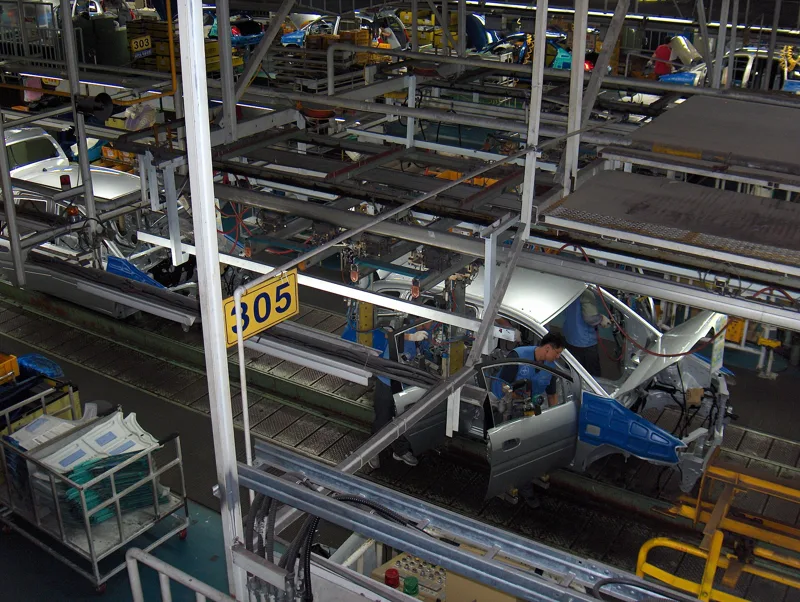
The Busan car plant occupies a site in the Sinho industrial zone and has been producing since 1998. Its footprint is 1,650,000 square metres, and it can build 300,000 cars a year. Its single line can produce several models at once, and the site is divided into seven production shops.
Its production shops handle pressing, bodywork, paint, bumpers, final assembly, al-casting and engines. A 20-MW solar plant on the Busan site was completed in March 2013, as a joint venture with Korea East-West Power and KC Cottrell, and it provides energy to the plant and nearby houses.
What does the Giheung research centre do?
Renault Technology Korea sits at Giheung, close to Seoul, and ranks among Renault's biggest engineering centres, behind only the Technocentre at Guyancourt. Its roots lie in 1997, when it opened as the Samsung Motors Technical Centre, and it took its present name in 2017.
Its design arm began as the RSM Design Centre at the end of 2002, and in early 2013 it was renamed Renault Design Asia, taking on oversight of Renault's Asian design work.
A vehicle testing centre opened in Daegu in November 2018, developed with the city authorities and a parts promotion body, Korea Intelligent Automobile Parts Promotion. Electric, self-driving and connected cars can be tested there, and in May 2023 the company said it planned an EV research facility inside the Busan complex.
Where are Renault Korea's offices?
The company's main offices were in the HSBC Building in Seoul's Jung District from 1995 until 2013. In January 2013 the company moved to a purpose-built facility, the RSM Tower in Gasan-dong, Seoul, and in December 2017 most management functions moved to Yeoksam-dong.
Some offices and car maintenance activities stayed at the RSM Tower, and there are additional administrative offices in Busan.
How has the brand badge changed?
The brand has used several badges. Renault Samsung Motors first had a corporate logo adapted from the Samsung Group's logo, and a marque badge called the eye of the typhoon. Imported models from 2017 wore Renault's diamond instead of a Renault Samsung badge.
The eye of the typhoon was redrawn in March 2022 as a flatter, two-dimensional mark that served as both the marque and corporate logo. In April 2024 it unified imported and locally built models under the Renault diamond, and the SM6 kept the eye of the typhoon until it was discontinued in October 2024.
A Hangul version of the Renault Life font family was built for the company in 2016 by Sandoll Communications, in three weights. Park Ju-seong and Wi Ye-jin designed it under Lee Do-kyung.
How were the models named?
For years the names carried codes. The numbers 3, 5, 6 and 7 signalled size, and the letters SM stood for Samsung Motors or Samsung Motor Sedan. Crossovers used QM, which stood for Quest Motoring. The naming gave a quick guide to each car's size class.
Imported models from 2017 kept their original names. In March 2020 the XM label was first used for a locally built crossover, and in April 2024 most products were merged into the Renault scheme, which ended the system except for the QM6 and SM6.
Who led Renault Korea?
Jerome Stoll led the company from 2000 to 2006, followed by Jean-Marie Hurtiger from 2006 to 2011 and Francois Provost from 2011 to 2016. Park Dong Hoon led it from 2016 to 2018, Domnique Signora from 2018 to 2022, and Stephanie Deblaise from 2022 to 2025.
Nicolas Paris has been in the post since 2025.
What models does Renault Korea sell now?
The current lineup is short: the Filante crossover SUV, the Grand Koleos built on a Geely Xingyue L base, and the Scenic E-Tech electric crossover. The Grand Koleos was introduced in June 2024 and is sold as the Koleos in export markets, while the Filante arrived in January 2026.
The Grand Koleos is heavily based on the Geely Xingyue L and Monjaro, and it uses Geely's Compact Modular Architecture platform. The Filante also uses that platform.
Which models have been retired?
Many former models were imported or assembled locally, including the Clio supermini of 2018, the Captur, the Master van and the Zoe electric supermini. Home-built models included the SM3, SM5, SM6 and SM7, along with the QM3, QM5 and QM6 crossovers.
The SM3 Z.E. was a small electric family car derived from the Renault Fluence Z.E. The Twizy electric microcar was imported and later produced locally, and the Arkana coupe-styled crossover also appeared in the former lineup.
Does Renault Korea build cars for other brands?
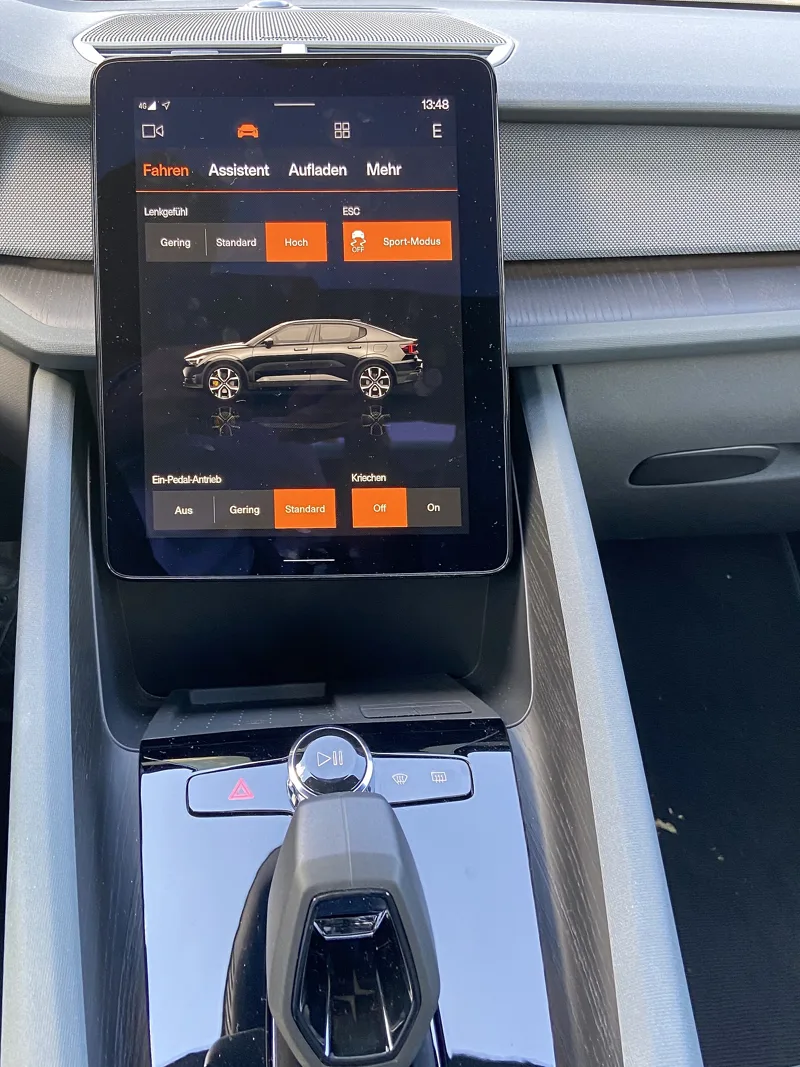
Yes. Under contract it has assembled models for Renault, Nissan and the Geely-affiliated Polestar. Contract work has covered several Renault and Nissan models over the years. The Polestar 4 started assembly in the second half of 2025, and the Nissan Rogue ran from 2014 to 2020.
Other contract work included the Nissan Sunny and Almera Classic from 2006 to 2013, the Renault Fluence from 2009 to 2019, the Renault Latitude and Safrane from 2010 to 2016, the Renault Scala from 2010 to 2013 and the Renault Talisman from 2016 to 2023.
Which markets bought the company's cars?
The company was export-oriented under Renault, but its sales were heavily concentrated in South Korea, where cumulative sales reached 1.5 million units by late 2015. Among markets outside South Korea, only Chile sold cars under the Renault Samsung Motors marque rather than as rebadged Renaults, as of 2013.
Chile's badging changed in 2015, when Renault replaced Renault Samsung branding entirely, and the cars took their global Renault names. The SM5, for example, became the Renault Latitude in that market.