The Model T factory, the Packard works, a bomber plant built on a farm and the vast Ford River Rouge complex, and what each became.
The Ford Piquette Avenue Plant produced the first Model T in 1908, the Packard Plant built luxury cars from 1903 to 1956 and closed in 1958, Willow Run built almost half of all B-24 Liberator bombers, and the Ford River Rouge complex combined steelmaking and assembly on one site from 1928.
In July 1908 a group of workers at a Detroit factory looped a rope around a Model N chassis and dragged it across the third floor on skids while others fitted parts as it passed. That crude experiment, led by Charles Sorensen, was an early step toward the moving assembly line that would transform the car industry.
Four Detroit-area factories carry much of that story: the Piquette Avenue Plant, the Packard Automotive Plant, Willow Run and the Ford River Rouge complex. Together they cover the birth of the Model T, the rise and ruin of a luxury maker, a wartime bomber factory built in a farm field, and a complex that turned raw materials into finished vehicles on one site.
Ford Piquette Avenue Plant, where the Model T began
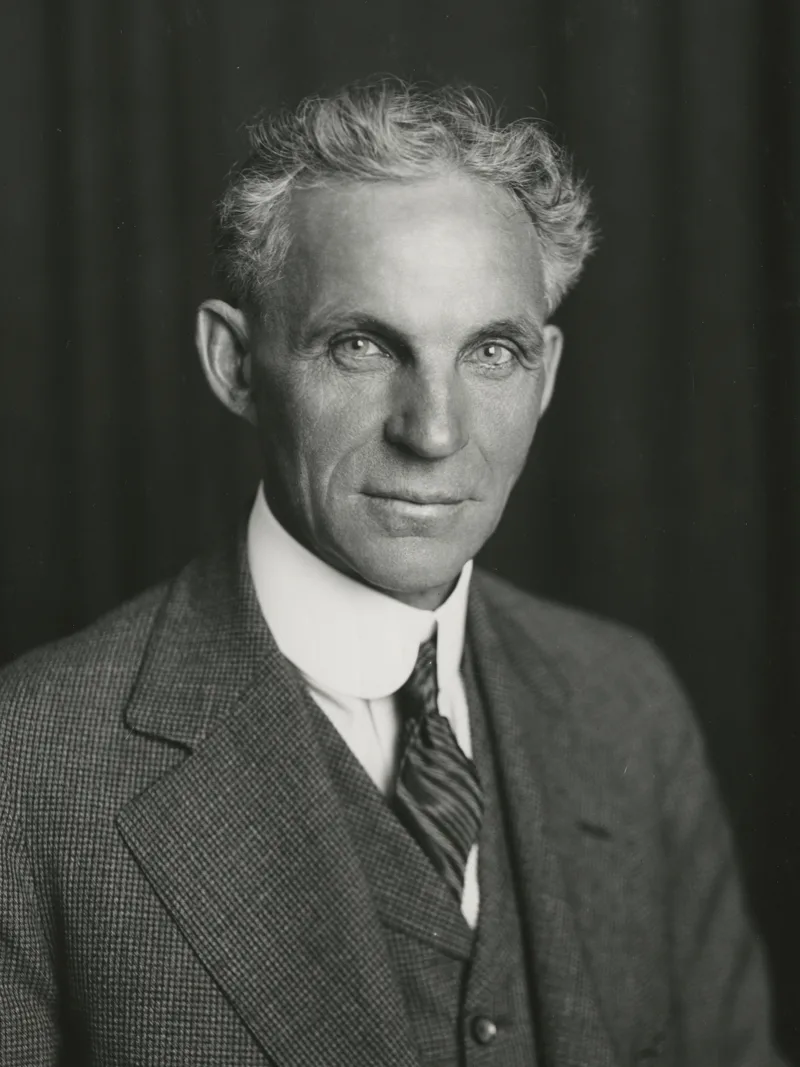
Ford Motor Company was formed on 16 June 1903 by Henry Ford, the coal merchant Alexander Malcomson and a group of investors. Its first car, the original Model A, was assembled in a rented wagon shop on Mack Avenue, which the firm soon outgrew. On 10 April 1904 it bought land off Piquette Avenue in the Milwaukee Junction area, started building on 10 May and moved in that October.
The architects, Field, Hinchman & Smith, modelled the three-storey building on New England textile mills, a common choice at the time. Its footprint is 402 feet (122.5 m) by 56 feet (17.1 m), with 355 windows and maple floors. After a fire destroyed the Olds Motor Works factory in March 1901, Henry Ford and the architects included a sprinkler system, which was rare in industrial buildings of the period. Firewalls, fire doors and fire escapes from that era are still there.
Between October 1904 and the end of 1909 the plant assembled eight models, starting with the B and C and ending with the T. Work was done by hand at fixed stations, women assembled the magnetos, and headcount swung between 300 and 700 with demand. Ford did not recognise unions, and was a member of an employers' association that kept most Detroit factories union-free until the 1930s. Many major components were bought in, including the running gear from the Dodge Brothers. That changed with a separate Ford Manufacturing Company, formed in 1906 to make engines and transmissions for the Model N.
In July 1906 Henry Ford bought out Malcomson, who had preferred expensive cars such as the Model K while Ford favoured cheap ones like the Model N. With uncontested control, Ford concentrated on cheap cars, and the success of the Model N made the company the biggest US car maker by the close of 1906, a position it kept for twenty years.
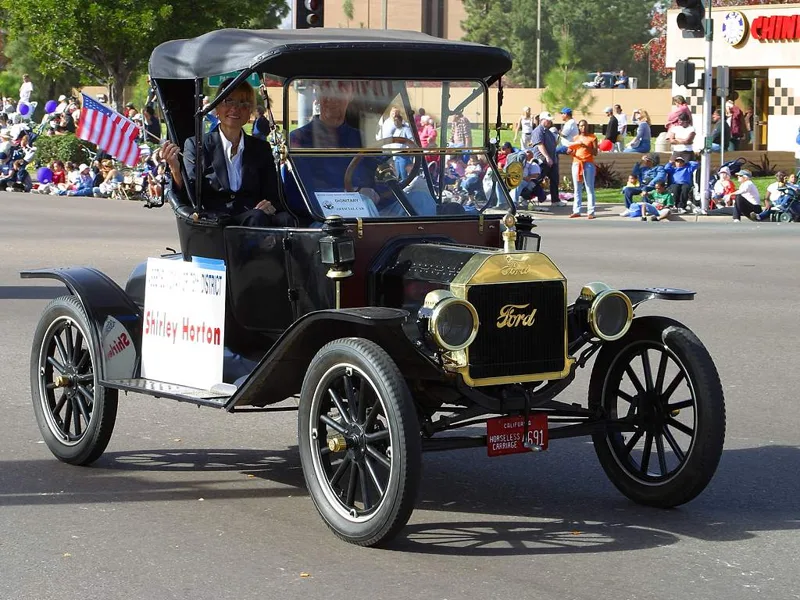
Design of the Model T began in January 1907 in a room on the third floor. The team was Ford with Joseph Galamb (draftsman), Childe Harold Wills (engineer) and C.J. Smith (machinist), and the car made extensive use of vanadium steel. Plans were revealed to dealers on 19 March 1908. On 4 June 1908 the factory completed 101 cars in a single day, an industry record, helped by interchangeable parts, and it did so without a moving line. The first production Model T was finished on 27 September 1908.
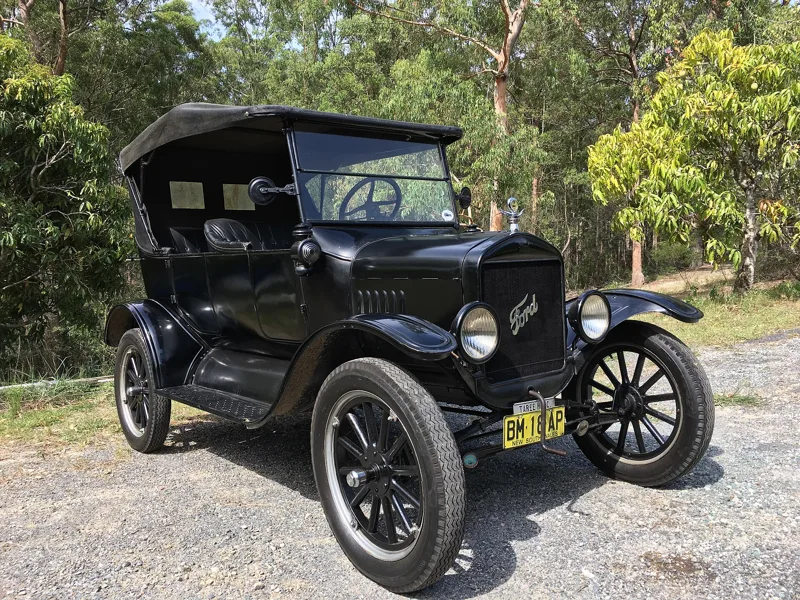
Demand was so heavy that on 1 May 1909 Ford stopped taking orders for two months. Most car production moved to the larger Highland Park plant by January 1910, and Piquette was fully vacated that October. The moving line was fully implemented at Highland Park from 7 October 1913. Over 15 million Model Ts were eventually built, and the earliest 14,000 American-built cars came from Piquette Avenue.
Studebaker bought the building in January 1911 and assembled cars there until 1933. The 1913 Studebaker strike, the car industry's first major labour strike, affected the plant. The building later passed to 3M in 1936, a work clothes supplier in 1968 and an investment company from 1989 to 2000. The Model T Automotive Heritage Complex bought it in April 2000 and has run it as a museum since 27 July 2001. It is the oldest purpose-built car factory that the public can enter, with over 40 early cars on show, and 31,018 people visited in 2018. It earned National Historic Landmark status in 2006.
Over 15 million Model Ts were eventually built, and the earliest 14,000 American-built cars came from Piquette Avenue.
The Packard Automotive Plant on East Grand Boulevard
The Packard Motor Car Company opened its Detroit plant in 1903 and made luxury cars there until 1956, apart from the war years. Albert Kahn Associates designed it with Trussed Concrete Steel products, and it was the first use of reinforced concrete for industrial construction in the American car industry. At the time it was considered the most modern car factory in the world. By 1908, when an enlargement for trucks was announced, it was already six times larger than when built.
The complex eventually covered 40 acres (16 ha) with 3,500,000 square feet (325,000 m2) of floor space, and at its peak employed 40,000 people, including skilled craftsmen in over eighty trades. During World War II production switched to war material, most notably the Packard V-1650 Merlin engine that powered the P-51 Mustang fighter built by North American. The factory closed in 1958, although other businesses kept using it as storage into the late 1990s. That decade also brought underground raves, and the city of Detroit claimed most of the property in 1994 over unpaid taxes.
The ruins became a destination. A Banksy mural discovered in 2010 sold for $137,500 in 2015. Films and television used the site, including Only Lovers Left Alive and It Follows, and an episode of The Grand Tour. Graffiti artists, urban explorers and scrappers also visited, and most of the wiring and other materials had been removed by the early 2010s. The concrete structure remained largely sound.
Ownership was messy. When 43 parcels were auctioned in September 2013 with a starting bid of $975,000, there were no takers. A second auction in October produced a top bid of $6,038,000 that was never paid. The Spanish investor Fernando Palazuelo bought the site for $405,000 on 12 December 2013 and planned six uses at an estimated cost of about $350 million over 10 to 15 years. By August 2016 no redevelopment had taken place, though a groundbreaking was held in May 2017 for the administration building. In October 2020 the original redevelopment vision was abandoned.
A Wayne County judge ordered the plant demolished on 7 April 2022 as a public nuisance. The Detroit council signed off a contract worth almost $1.7 million that July, and demolition began on building 21 on 27 October 2022 and building 28 on 24 January 2023. The city halted work in April 2023 after the owner paid the taxes needed to keep the privately owned sections, but demolition resumed on 4 March 2024. The city set out to clear the site with American Rescue Plan funds, and by late December 2024 all structural components had been razed except two adjacent sections along East Grand Boulevard that are slated for preservation, the administrative building 13 and building 27 facades. Building 22, where the Merlin engines were made, survives as the headquarters of an events company that spent $750,000 on renovation in 2014.
Willow Run, a bomber plant in a farm field
Willow Run, between Ypsilanti Township and Belleville, was built by Ford to make aircraft, above all the B-24 Liberator, a heavy bomber designed by Consolidated. Work began in 1940, production started in summer 1942, and the dedication plaque is dated 16 June. Ford first built components while Douglas Aircraft and Consolidated assembled the finished aircraft. Splitting the work proved difficult, so by October 1941 Ford had permission to build complete Liberators. The line ran until May 1945 and produced almost half of all Liberators.
The scale was extraordinary. Architect Albert Kahn designed a main building with 3.5 million square feet (330,000 m2) of floor space and an assembly line more than a mile (1600 m) in length, believed to be the biggest single-roof factory in the world. It ran more than 3,200 feet end to end and 1,279 feet at its widest point. Four turntables let the production lines make a 90 degree turn before final assembly. According to legend, this was so that Ford could pay taxes to Washtenaw County rather than Wayne County, though overhead views suggest avoiding the airfield taxiways was also a factor. Parts came from nearly 1,000 sources, Ford plants and outside suppliers alike, the workforce reached 42,500 and 8,200 workers were drafted each month, while an apprentice school trained up to 8,000 students a week.
Henry Ford refused government financing, preferring to have Ford build the plant and then sell it on to the government, which leased it back. Ford sold the land to the Defense Plant Corporation in July 1944. The start-up was hard. Ford staff were used to car mass production and found aircraft work difficult. The plant was nearly an hour's drive from Detroit, with wartime petrol and tyre rationing complicating the commute, and in one month Ford hired 2,900 workers but lost 3,100. A congressional committee in 1943 issued a highly critical report, saying the line too closely resembled an automobile line. Henry Ford was violently anti-union, and there were labor difficulties including a massive strike. He also refused on principle to hire women. The first Ford-built Liberator, a B-24E, rolled off the line in September 1942.
Housing was the other crisis. People drove 100 miles or took spare rooms in every town from Ann Arbor to Grosse Pointe, so the Federal Public Housing Administration built temporary housing. Willow Run Lodge opened in February 1943 with 1,900 rooms, space for 3,000. From June to December 1943 flat-top buildings provided homes for 2,500 families at Willow Run Village. By the end of 1943 six temporary projects sheltered more than 15,000 people, roughly the population of Ypsilanti. A separate community, Parkridge Homes, was built in 1943 for African-American workers after efforts to desegregate the other housing were rebuffed. It was designed by the architect Hilyard Robinson and its 80 units stayed in use until 2016.
The airport built with the plant is still active for cargo and general aviation, and is home to the Michigan Flight Museum. After the war Ford sold the plant to Kaiser-Frazer, and General Motors later bought it.
The Ford River Rouge complex
Henry Ford bought the River Rouge site in 1915 with plans for a bird sanctuary, but a federal request for warships changed that. The first building, Building B, was built for those orders, and the first products were Eagle-class patrol craft for the US Navy that were never deployed in World War I. Building them led to the widening of the river. The complex, completed in 1928 in Dearborn, was designated a National Historic Landmark in 1978.
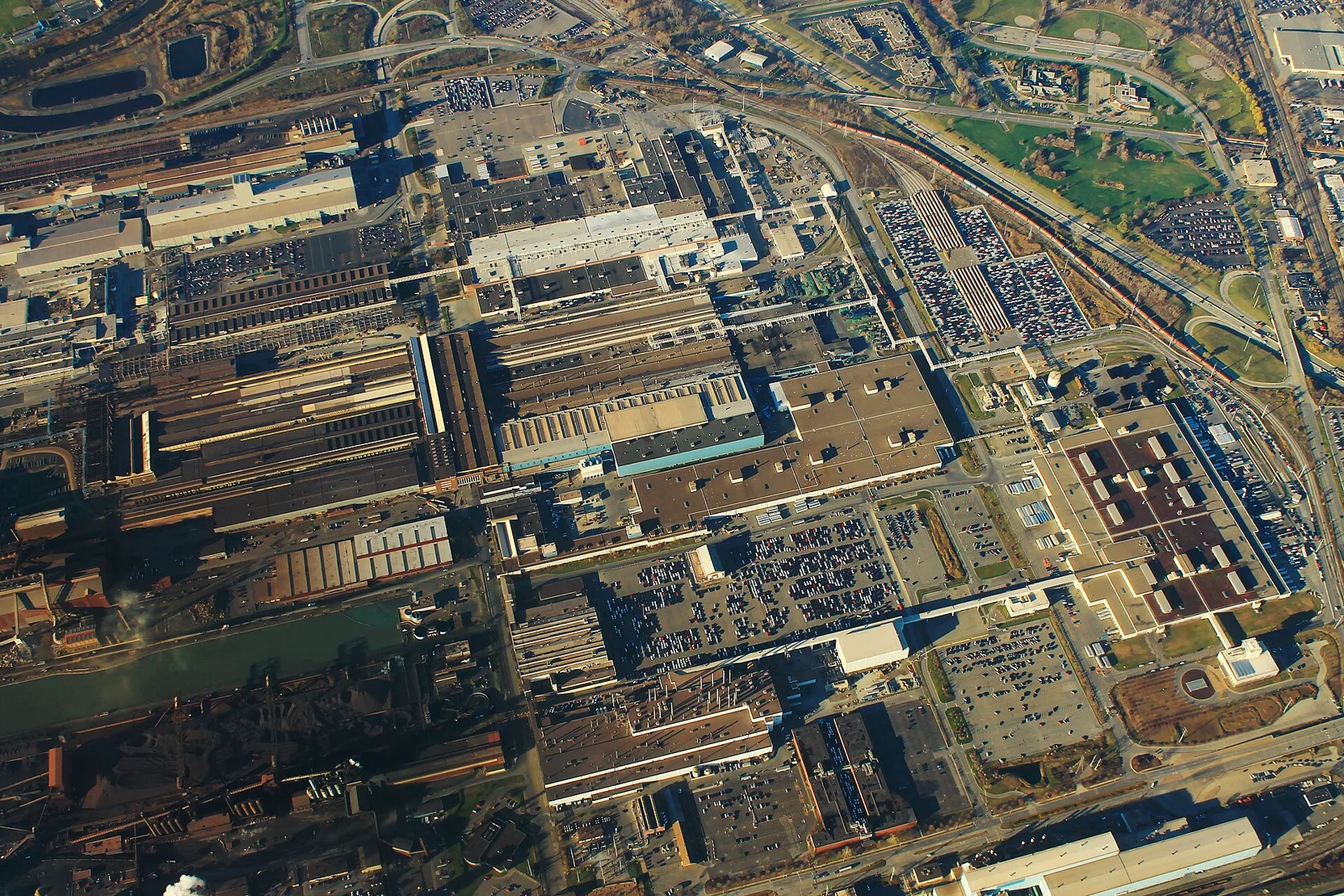
The Rouge stretches 1.5 miles (2.4 km) across and 1 mile (1.6 km) deep, with 93 buildings and factory floor approaching 16 million square feet (1.5 km2). It had its own docks, 100 miles (160 km) of interior railway, its own electricity plant and an integrated steel mill, so it could turn raw materials into running vehicles on one site, a textbook case of vertical integration. Albert Kahn designed some buildings, including the glass plant of 1925 and the tire plant completed on 30 January 1938.
| Plant | Opened | Known for | Today |
|---|---|---|---|
| Piquette Avenue | 1904 | First production Model T, 27 September 1908 | Museum since 2001 |
| Packard Automotive Plant | 1903 | Luxury cars, Merlin engines | Razed apart from two sections |
| Willow Run | 1942 | Almost half of all B-24 Liberators | Airport and flight museum |
| River Rouge | 1928 | Raw materials to finished vehicles | Still builds Ford F-Series trucks |
The Rouge made tractors from 1921 to 1927 and then the Model A after a five-month closure. It built most Model T parts, with the cars themselves assembled at Highland Park, and many vehicles were shipped as knock-down kits to branch plants. In World War II it produced jeeps, aircraft engines, tyres and armour plates. It made Mustang models for four decades, from 1964 to 2004, and the Dearborn Assembly Plant, formerly Building B, closed on 10 May 2004 with a red 2004 Mustang GT convertible as its last vehicle.
Employment at the Rouge peaked at around 100,000. In March 1932, after mass layoffs, 4-5,000 former workers marched in what became the Ford Hunger March. On 26 May 1937 members of the United Auto Workers planned to hand out leaflets and were attacked in the Battle of the Overpass. The union was officially recognised on 20 June 1941. African-American workers made up about a quarter of employees, and 65 percent by 1960. Tool and die makers there struck in September 2024 over contract disagreements.
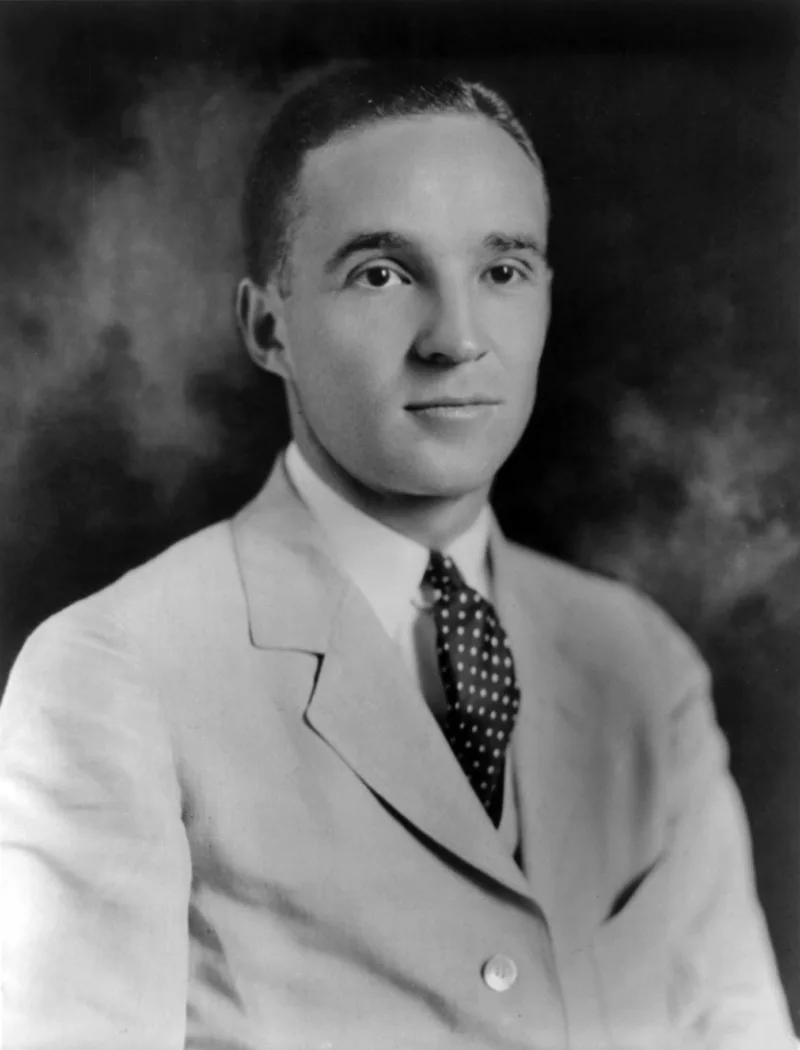
Visitors came early. Free bus tours ran from 1924 to 1980 and hosted about a million people a year at their peak. They resumed in 2004 with The Henry Ford, and 148,000 people took them in 2017. Edsel Ford backed an invitation to the Mexican muralist Diego Rivera in 1932, and his Detroit Industry Murals, studied at the Rouge, hang in the Detroit Institute of Arts, and Charlie Chaplin studied the plant for Modern Times. The design was copied abroad, inspiring Renault's Ile Seguin factory, Volkswagen's Wolfsburg and the Fiat Mirafiori plant, along with Hyundai's Ulsan complex.
The record is not all triumphant. On 1 February 1999 an explosion at the power plant killed six workers and left fourteen critically hurt, and Ford paid a $1.5 million fine without facing a criminal case. In 1999 architect William McDonough agreed to redesign the site, and the roof of the truck plant was planted with sedum across more than 10 acres (4.0 ha), part of an $18 million rainwater system that spared Ford a $50 million mechanical treatment facility. Rouge Steel was sold in 1989 and is now owned by Cleveland-Cliffs.
Where this goes next
In September 2020 Ford announced the $700,000,000 Rouge Electric Vehicle Center to build the F-150 Lightning, and President Joe Biden visited and drove one on 18 May 2021. The Lightning has been listed as a Rouge product from 2022 to 2025 alongside the long-running F-Series. At Packard, the two sections along East Grand Boulevard are slated for preservation, and the Piquette Avenue museum operates Wednesdays through Sundays.
Seeing these plants in person
Three of the four welcome visitors. The Piquette Avenue Plant at 461 Piquette Avenue shows over 40 early cars and Model T Serial No. 220, built in December 1908. The Rouge runs tours with multimedia presentations and a view of the assembly floor. Willow Run Airport is home to the Michigan Flight Museum. The Packard Plant is private property in the process of being cleared.