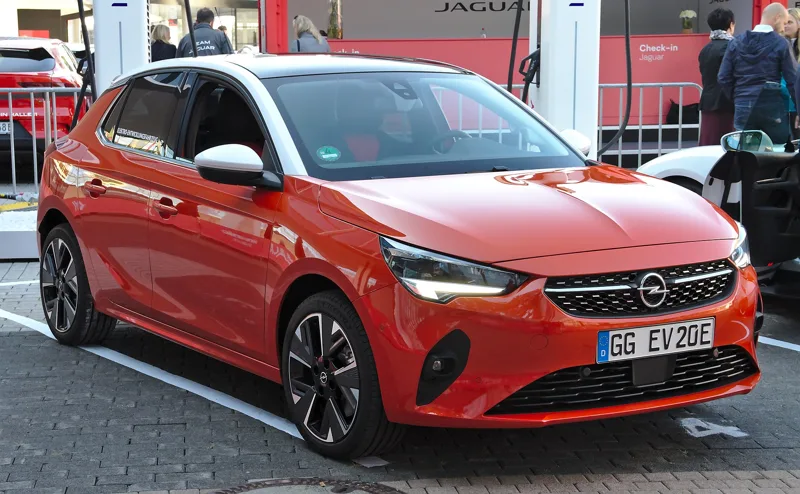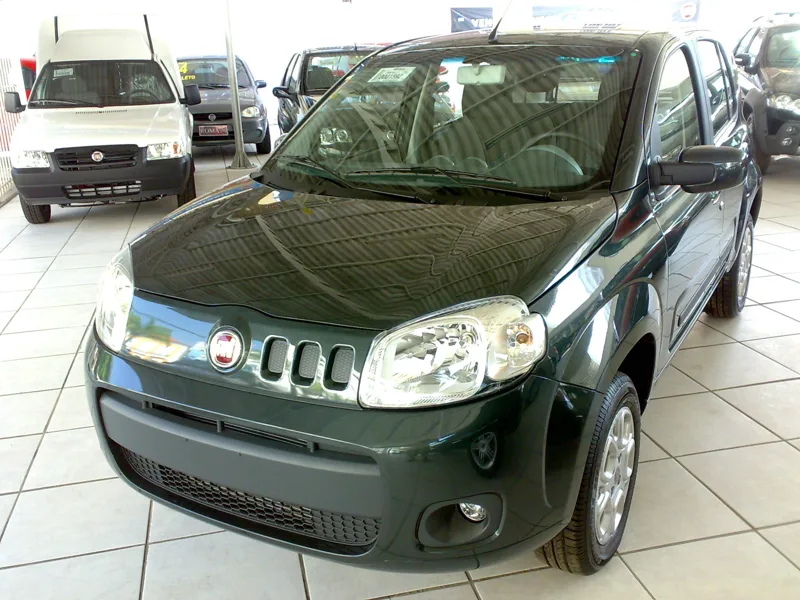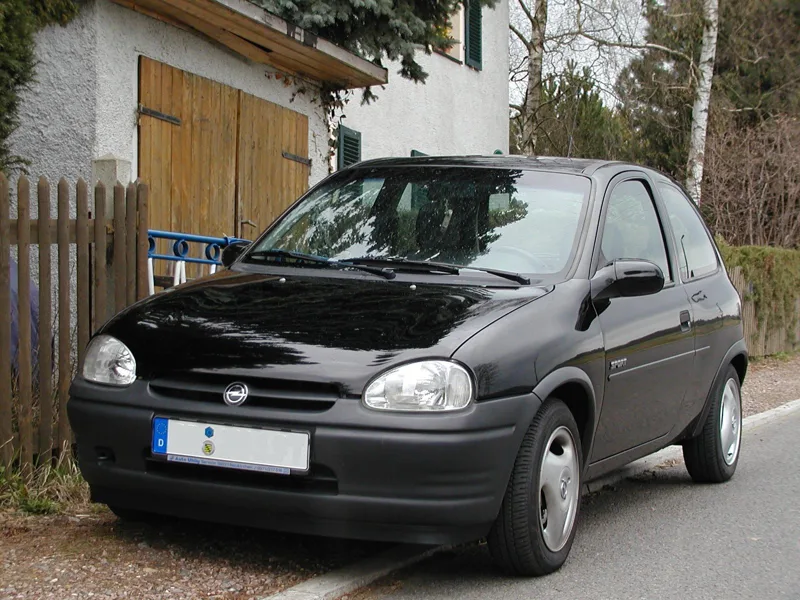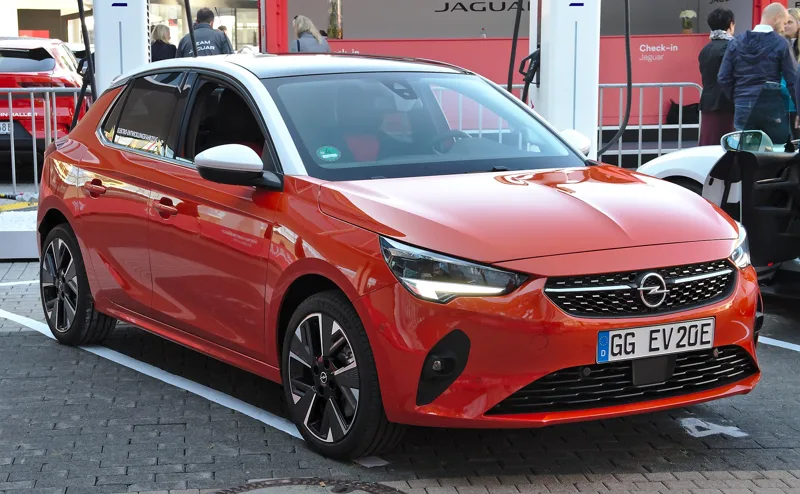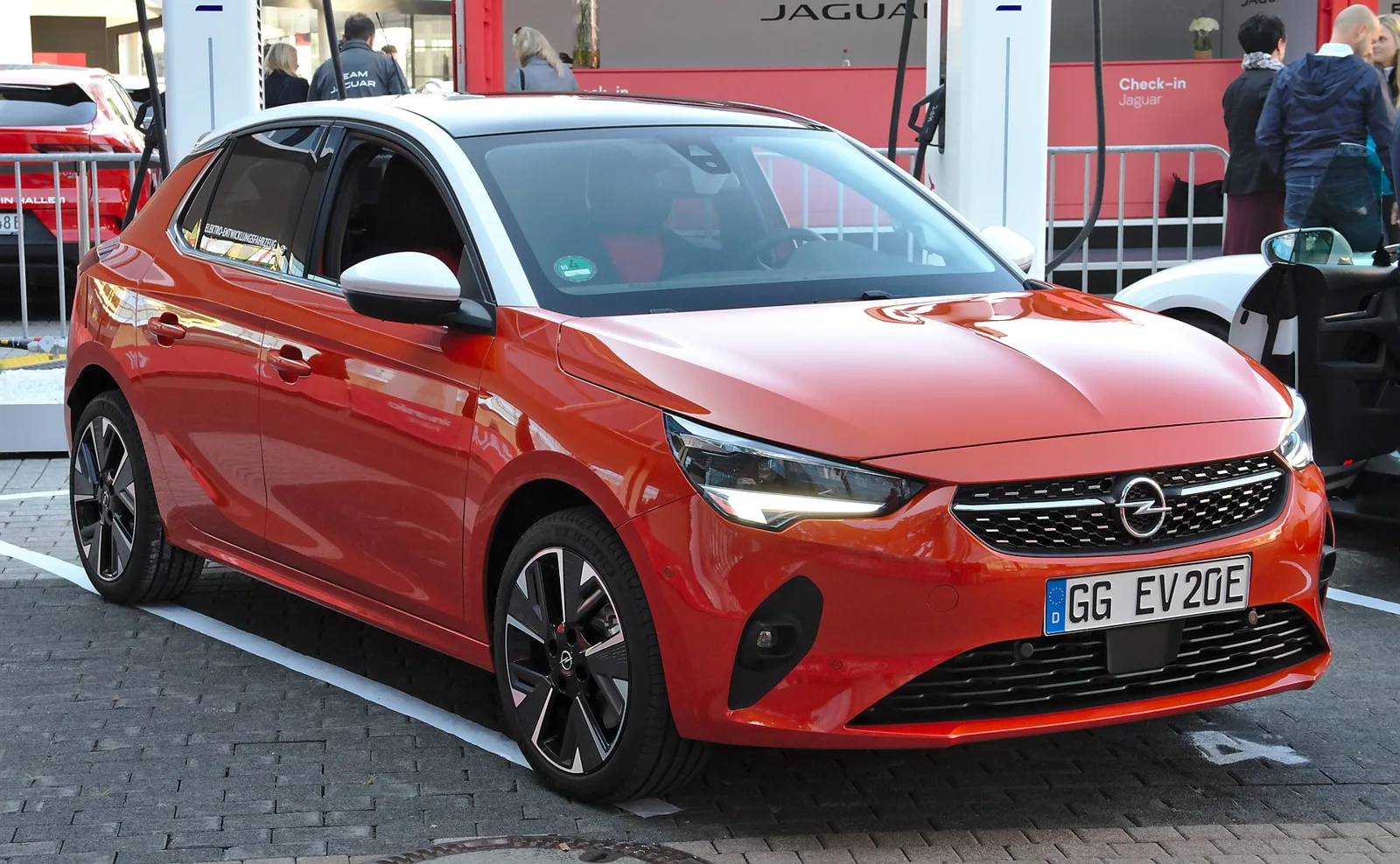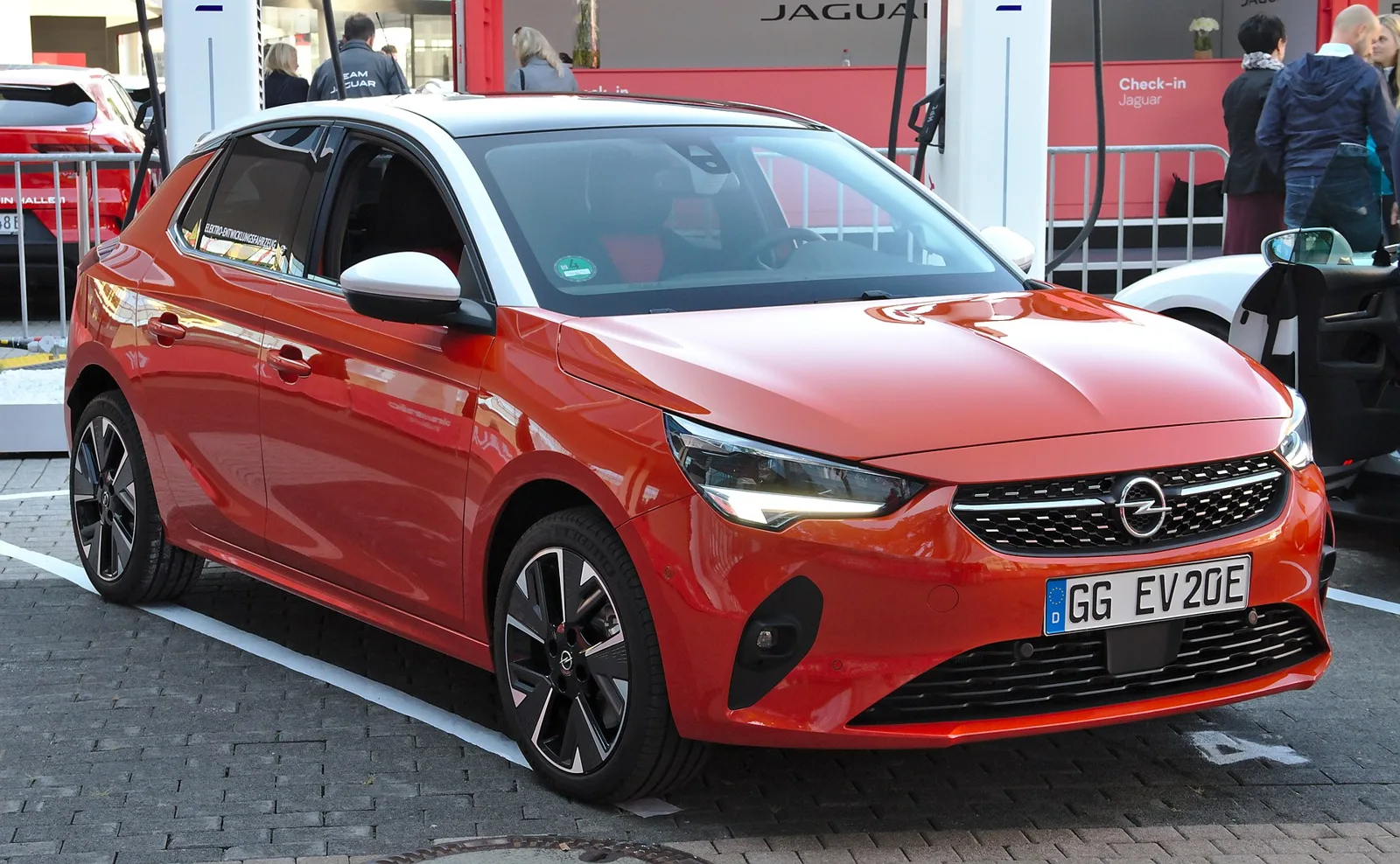
GM's Opel Corsa and Fiat's Giugiaro-designed Uno arrived within months of each other and both became long-running European small-car successes.
The Opel Corsa was a GM Europe supermini launched in 1982 that became the world's best-selling car in 1998 and passed 18 million sales by 2007. The Fiat Uno was a Giugiaro-designed supermini launched in 1983 that won the 1984 European Car of the Year title and was built in Brazil until 2014.
The Opel Corsa and the Fiat Uno were both superminis that arrived in the early 1980s and went on to sell in very large numbers. One came from General Motors' European arm, the other from Fiat, and both were designed to win buyers in the smallest and most competitive class. Set side by side, they show how two makers built long-lived small cars on very different foundations.
When did the Corsa and the Uno reach the market?
Opel introduced the Corsa in September 1982, preceded by a roadster concept car shown at Geneva half a year before. France, Italy and Spain received it first, since small cars took a big share of their sales, and the rest of Europe followed by March 1983.
The Uno was launched in January 1983 to replace the Fiat 127, and it was designed by Giorgetto Giugiaro of Italdesign. It was launched a month before the Peugeot 205, and it reached British showrooms in June 1983.
The Corsa became known as the Vauxhall Nova in Britain, where its arrival followed a seven-month union dispute over the car being built in Spain. Its name was changed in the UK because Corsa was thought to sound too much like coarser.
Two superminis from 1982 and 1983 that sold millions, one from GM Europe and one from Fiat with Giugiaro styling.
What engines did the two superminis offer?
The first Corsas used 1.0, 1.2 and 1.3 litre petrol engines rated 45, 55 and 70 PS, all initially with carburettors. The 1.0 and the early 1.2 used an Opel OHV engine that had served the Kadett for decades, while the rest used GM's Family I design.
The Uno began with 0.9, 1.1 and 1.3 litre petrol engines, and its badging indicated metric horsepower rather than capacity. A FIRE 1.0 arrived in 1985, and the Uno Turbo i.e. from April 1985 used a turbocharged 1.3 that made 105 PS.
Both makers added diesels. The Corsa received an Isuzu-built 1.5 turbo diesel in 1987, and the Uno offered a 1.7 naturally aspirated diesel and a 1.4 turbo diesel from 1986.
How did the two cars perform and sell?
The Corsa was briefly the best-selling car in the world, recording 910,839 sales in 1998. By 2007 more than 18 million had been sold globally, and it was assembled on four continents under five marques.
The Uno peaked at more than 40,000 British sales in 1988 and became one of the most produced automobile platforms in history, with over 8,800,000 built. Its production run in Italy ended in 1995 with 6,032,911 cars made.
Vauxhall Nova sales in Britain were strong, with nearly 500,000 sold over ten years. In 1989, its strongest year, the Nova ranked seventh among Britain's best-selling cars and shifted more than 70,000 units.
What awards did the two cars win?
The Uno took the European Car of the Year title for 1984, edging out the Peugeot 205 by a narrow margin. That success came early in its life and helped establish the Uno's reputation.
The Corsa's awards record is less prominent, but its sales success made it one of the defining superminis of its era. Its updates in 1987 and 1990 kept the model competitive against newer rivals.
The Uno's practical strengths included its interior space, fuel economy and ride and handling. Its drag coefficient of 0.34 was also a notable figure for a car of its size and price.
How did the cars change through their lives?
The Corsa received a light facelift in September 1987, with a new grille shared by hatchbacks and saloons. A rare Sport model was produced in 1985 to homologate the car for a British rally class, and a 1.6 fuel-injected GSi arrived at the 1987 Frankfurt show.
The Uno was facelifted in September 1989 with revised front styling and a tailgate that improved its drag coefficient to 0.30. A Tipo-derived 1.4 engine replaced the 1.3, and the Uno Turbo i.e. gained a Garrett turbine and better aerodynamics.
The Corsa's 1994 Corsa B replaced the Nova in Britain, while the Uno's European production ended in 1995. Both cars then continued in other regions, with the Corsa spreading to South America, South Africa and China, and the Uno continuing in Brazil until 2014.
How do the two cars compare side by side?
| Feature | Opel Corsa | Fiat Uno |
|---|---|---|
| Launch | September 1982 | January 1983 |
| Design | GM Europe design, built in Zaragoza | Giugiaro of Italdesign |
| Early engines | 1.0, 1.2 and 1.3 litre petrol, 45 to 70 PS | 0.9, 1.1 and 1.3 litre petrol |
| Hot version | GSi 1.6 with 101 PS | Turbo i.e. 1.3 with 105 PS |
| Awards | Not given | European Car of the Year, 1984 |
| Sales | 910,839 in 1998; over 18 million by 2007 | Over 8,800,000 built |
| Later production | Assembled on four continents | Brazil until January 2014 |
How did the Nova's advertising and motorsport work?
The Vauxhall Nova's 1987 television advert used the Ritchie Valens hit La Bamba, with computer-generated effects that let a Nova drive over vehicles in a busy city. A 1990 advert showed the car as a pet that jumped through a traffic jam, and the campaign ended with a nod to Wacky Races.
A Nova Challenge series ran inside the British Rallycross Championship between 1990 and 1993. During 1992 a Blue Peter presenter competed in that series for a feature on the show.
How did the Corsa B spread to new markets?
The Corsa B was unveiled in April 1993, and Holden launched it in Australia as the Barina in May 1994. It became the first Spanish-built car sold in significant volumes in that market.
There was no European saloon, but Brazil designed one for Latin American buyers, where saloons were preferred. The car was also introduced in South Africa and India, and Australia received a convertible sold as the Holden Barina Cabrio.
The Corsa also spawned the Opel Tigra coupe. In China the saloon and estate were built by Shanghai GM as the Buick Sail and Sail S-RV from 2001, and they were later renamed as Chevrolet models.
What safety problems affected the Corsa?
GM do Brasil called back 1.3 million Corsas from 1994 to 1999 after a fault in the seat belt fittings came to light, since a fastener could release in a crash. Two deaths were linked to the fault.
The Corsa Classic in its most basic Latin American configuration, with no airbags, received one star for adult occupants and one star for toddlers from Latin NCAP in 2011.
How did the Uno's global versions differ?
In Argentina the three-door Uno was built by Sevel from March 1989 until 2000, and 179,767 units were produced. The sedan, called Duna, and the Duna Weekend estate were made at Fiat's Cordoba plant, with more than a quarter of a million built.
The Brazilian Uno used a transverse leaf spring rear suspension derived from the Fiat 147, and it kept its spare tyre in the engine bay to free up luggage space. A 1.6 was added in 1989, and a sporting Turbo i.e. with 118 hp ran from 1994 to 1996.
The first series Uno was also built in Kragujevac, Yugoslavia, by Zastava from 1988 to 1994 as the Uno 45R. Only 2,620 examples were produced before the car was dropped, because its price sat above that of the Yugo.
How did Uno production move across Europe?
Polish production ran from 1994 to 2002 for Fiat Auto Poland, first at Bielsko-Biala and later at Tychy. Polish-made Unos were sold in Italy until 1997 as the Innocenti Mille Clip.
Fiat's Indian venture with Tata Motors began as a 50-50 joint venture in January 1997, after an abortive launch in 1996 when its earlier partner delivered only 617 cars of the 30,000 ordered.
Which buyer suits each car?
On the facts given, the Corsa suits a buyer who wanted a supermini that could be bought in many markets and body styles, while the Uno suits a buyer who valued Giugiaro styling and a long production history.
Corsa buyers could choose a hatchback, a saloon or a van in some markets, and the TR saloon was particularly popular in Spain and Portugal. The SR and GSi versions gave the range its sporting side.
Uno buyers had three or five doors, a diesel option and a turbocharged Turbo i.e. for performance. The car's practical packaging and interior space made it a favourite with family buyers.
Neither car is shown to be better overall, and no direct sales comparison is given for the two cars in the same markets. The choice depends on whether a buyer prefers GM's global supermini or Fiat's Giugiaro design.