From a Kragujevac cannon foundry to the Fica, the Yugo and a 2008 shutdown, the story of a Serbian car brand built on Fiat engineering.
Zastava Automobiles was a Serbian car maker descended from a Kragujevac military works founded in 1851. It built Fiat-based models such as the Fica and the Yugo, and its last Zastava-branded car rolled out in November 2008.
Zastava Automobiles was a Serbian and Yugoslav car manufacturer that grew out of a military arms works in Kragujevac. It became famous for the Fica and the Yugo, built largely on Fiat engineering, and it stopped making cars in 2008. Its factory now belongs to a Fiat successor company.
Where did Zastava begin?
The roots of the company lie in 1851, when the Vojno-Tehnicki Zavod, the Military Technical Institute, was founded in Kragujevac. A cannon foundry division followed in 1853, and by the late nineteenth century the works had grown into the Military Engineering Works, which later became known as Zastava Arms.
The firm expanded into firearms during the 1880s and steadily raised the complexity and quality of its output. That military heritage remained important, and it would later shape the company's relationship with the Serbian government.
A cannon foundry in Kragujevac built the Fica and the Yugo, then closed its car lines in 2008.
When did Zastava start building cars?
Zastava opened an automobile section in 1904, which at first offered repair services and made some car parts. In 1939 it began assembling Chevrolet military trucks, but production halted with the Axis invasion of Yugoslavia in 1941.
By then about 400 trucks had come out of the factory, and it employed a workforce of 12,000 men. The plant was renamed Zavodi Crvena Zastava, or Red Flag Factories, after the Second World War.
How did Fiat shape Zastava in the 1950s?
Workers were asked to vote on August 26, 1953, and 96% backed building cars. That year the Kragujevac plant assembled 162 Willys Jeeps, a sign of the car programme to come.
The partnership with Fiat was formalised on 12 August 1954, and three months afterwards the plant began assembling the Fiat 1400, the 1100 B and the AR-55 Campagnola, and the Fiat 1400 became its first assembled car.
Production grew quickly, from 1,044 vehicles in 1955 to 3,596 by 1958. During 1957 and 1958 the company built a supplier network, and it outsourced engine manufacture to the Rakovica-based 21. Maj works.
What was the Zastava Fica?
The Fica was the licence-built Fiat 600 that became Zastava's most famous product. The original Fiat 600 started as a 22 PS (16 kW) 633 cc car designed by Fiat engineer Dante Giacosa, and Zastava began building the Fiat 600D as the Zastava 750 in 1962.
The Zastava 750 used a 25 PS (18 kW) 767 cc engine and could reach 110 km/h (68 mph). A total of 923,487 were produced over about 30 years, from 18 October 1955 to 18 November 1985, with several engines and trim levels along the way.
Later the 750M arrived in 1970 with a new 767 cc engine and a thermostat-controlled pressurised cooling system. The sportier 750S followed in 1979 with updated controls and a 22 kW (30 hp) engine that raised the top speed to 120 km/h (75 mph).
Why were the 1300 and 1500 so well loved?
With the 1961 Fiat 1300 and 1500 came Zastava's 1300 and 1500 series, produced as both saloons and estates. They had all-round disc brakes, rear-wheel drive and up to 72 horsepower, and the car was Yugoslavia's favourite upmarket model.
Many people across the former Yugoslavia still remember the 1300 as Zastava's best car, nicknamed the Jugoslovenski Mercedes. The 1300 and 1500 reached 201,160 built units between 1961 and 1979.
The floorpan of the 1300 and 1500 became the basis for the Polski Fiat 125p, which the Polish FSO built from Zastava CKD kits. The Fiat 125 body was mated to the mechanicals of the Zastava, and the Yugoslav version was called the Zastava 125PZ.
How did Zastava grow in the 1960s?
By 1960 the plant turned out 13,719 units a year. The company then entered a new decade with the Fiat 1100 as a successor to the 1100 B, shown at Geneva.
Exports began in 1965, when 6,000 cars were sent to Poland. Output reached about 52,000 trucks and cars in 1967 and 53,000 in 1968, and a $10 million investment lifted annual capacity to 85,000.
In 1969 the Zastava Kamioni truck division split from the car company. It began building Om trucks rated between 2.5 and 4 tons, and it still makes trucks today through a partnership with Iveco.
What was the Zastava 101 and the 1970s range?
The 101 was a Fiat 128 based car with a 1116 cc, 55 hp front-wheel-drive engine, and Zastava built it in three- and five-door hatchback versions. It was nicknamed Stojadin, a pun on the number 101 and a folk term for a hundred woes.
The car was not loved by critics, but it sold well at home. Its moderate price, simple mechanics and cheap parts made it a favourite in a market with few alternatives.
How did the Yugo reach America?
In 1980 the Zastava 850 arrived with an 848 cc engine that could reach 125 km/h (78 mph). The same year the Zastava 102 became the Yugo 45, a shortened Fiat 128 with squarer styling that had been developed with Fiat engineers.
Zastava entered the British market in 1981, when 811 cars were registered. Sales rose to 3,101 in 1982, and Yugo was later exported to the United States, where it was marketed as the budget car of the day.
The Yugo was sold in North and South America and Western Europe, competing in the budget segment with Lada and Skoda. Its best years came in the late 1980s, when Zastava built around 230,000 cars a year for sale in 70 countries.
What was the Yugo Florida?
In 1988 Zastava released its first proprietary model, the Florida, known as the Yugo Sana in some countries. Its exterior was designed by Giorgetto Giugiaro, and its body shape resembled the Fiat Tipo of the same year.
The Florida was the final new design of the Yugo era. Production of the second series reached 29,950 cars before the company ran into the wars that followed, and it stopped in November 2008 along with the other Zastava models.
How did sanctions and war hit the company?
During the early 1990s the breakup of Yugoslavia caused supply problems, and exports became impossible under trade sanctions. Cars disappeared from most foreign markets after 1992, and production stopped in 1993, even though a waiting list for Yugos remained.
Sanctions were in force from 1992 to 1995 under the United Nations, and from 1998 to 2000 under the European Union and the United States. Several overseas arms were forced to stop trading, among them the British unit Zastava (GB) and the American importer of Yugos.
In 1999, during the Kosovo conflict, NATO struck the Kragujevac works, which also housed Zastava Arms, a supplier to the Serb government. Some car buildings were damaged and several workers were injured.
What happened to the company after 2000?
Vojislav Kostunica became president of Yugoslavia in October 2000, and the sanctions were lifted soon after, allowing exports to resume. By then production had fallen to 9 per cent of the pre-1990 capacity of 230,000 vehicles, with exports of around 4,000.
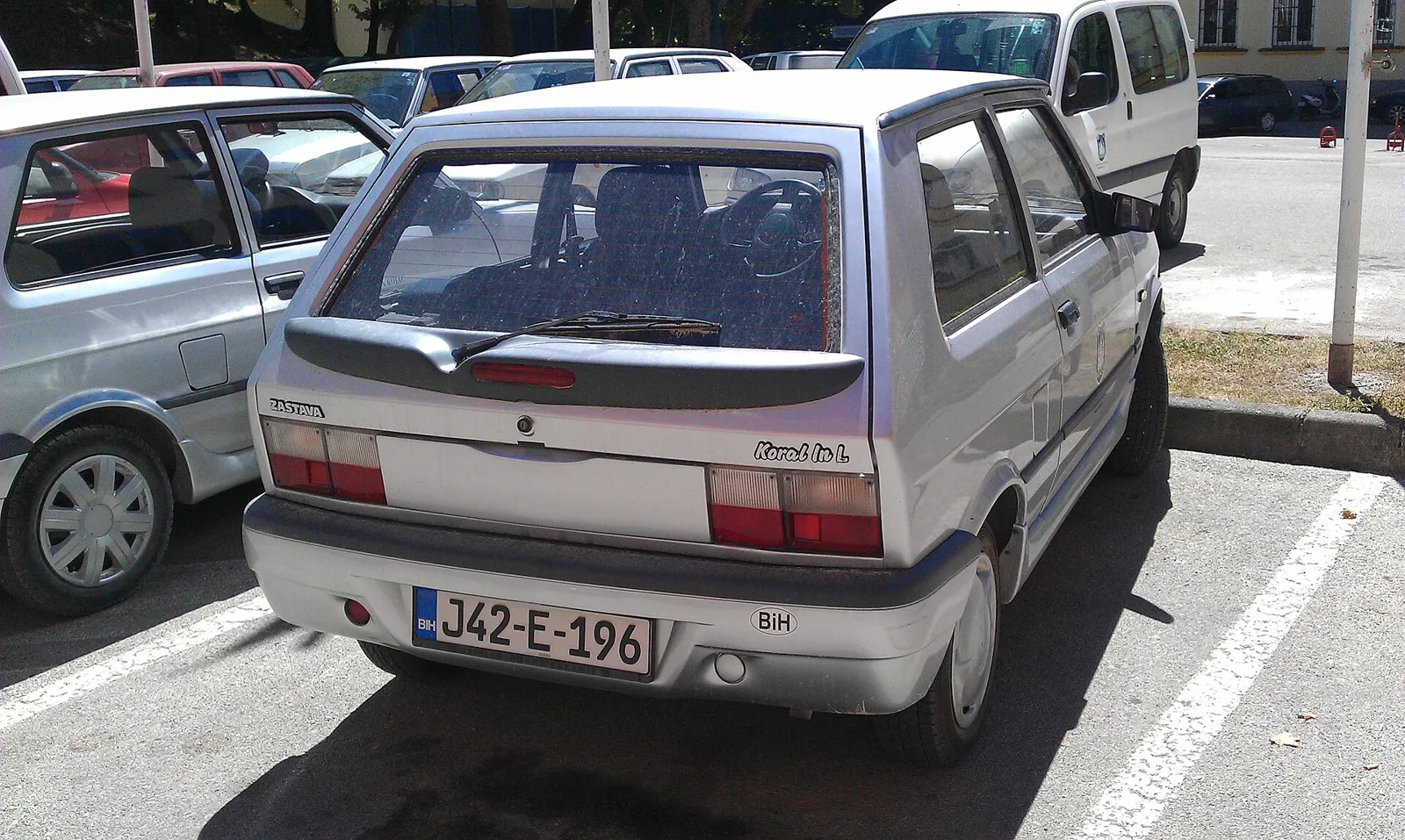
A $50 million reorganisation with the World Bank led to mass layoffs and an aim to privatise the company. Facelifted Yugos appeared at the Belgrade show in 2002, including the Zastava Koral IN, with a 1.1 litre 55 hp engine and Bosch injection.
Why did the Bricklin plan fail?
In 2002 Malcolm Bricklin, who had imported Yugos into the United States, signed a deal to bring Zastava products back to America. He intended to sell cars for less than $10,000 under the ZMW name, which stood for Zastava Motor Works.
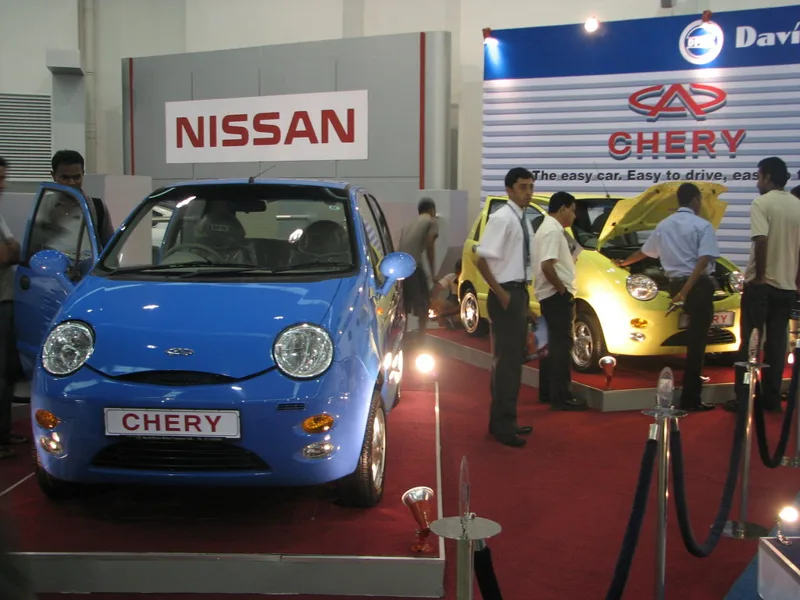
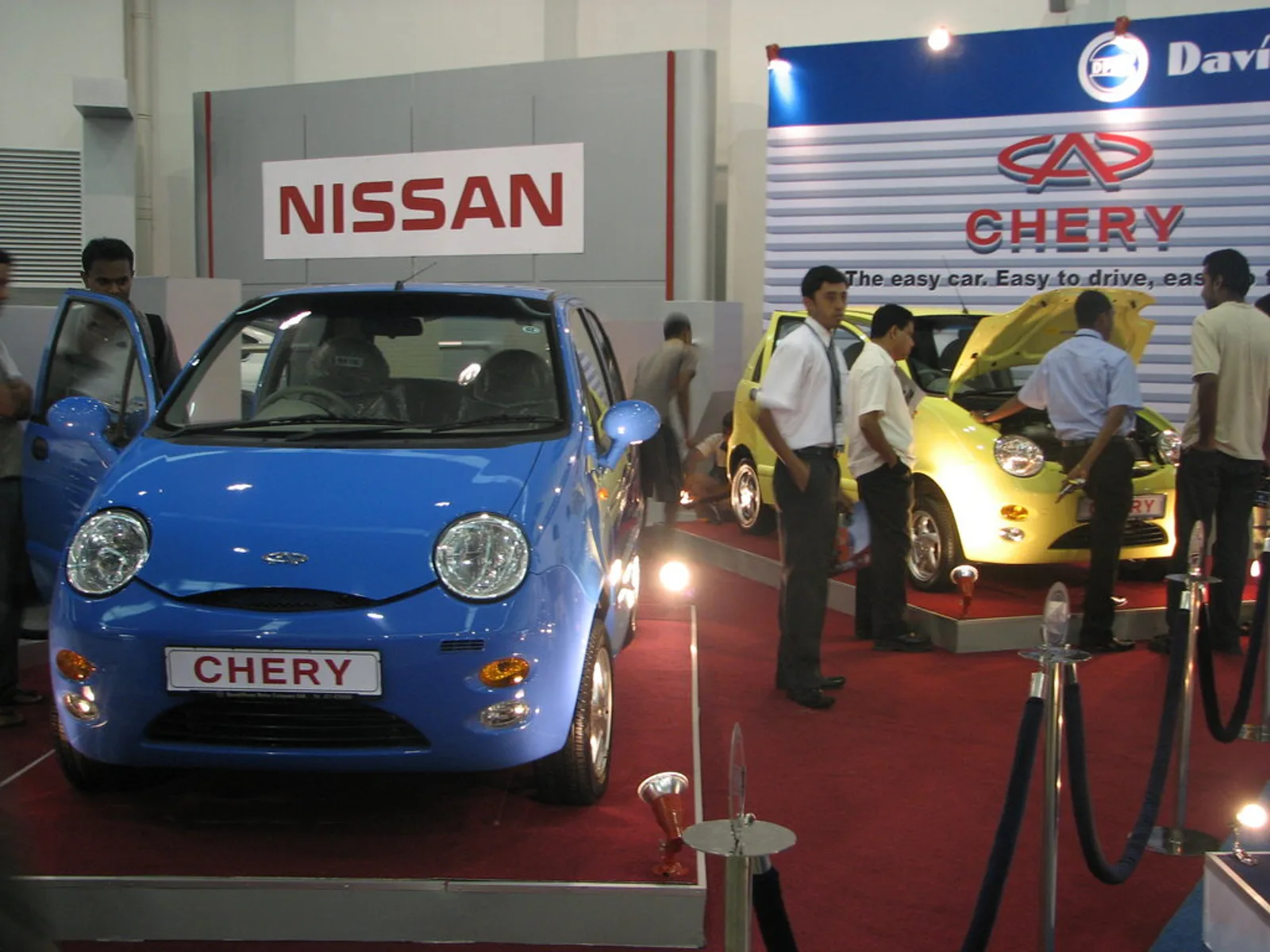
Even though a website announced the brand's arrival, by 2006 Bricklin's plans had changed, and he was importing cars from the Chinese maker Chery instead. The ZMW project was never realised.
What was the Zastava 10?
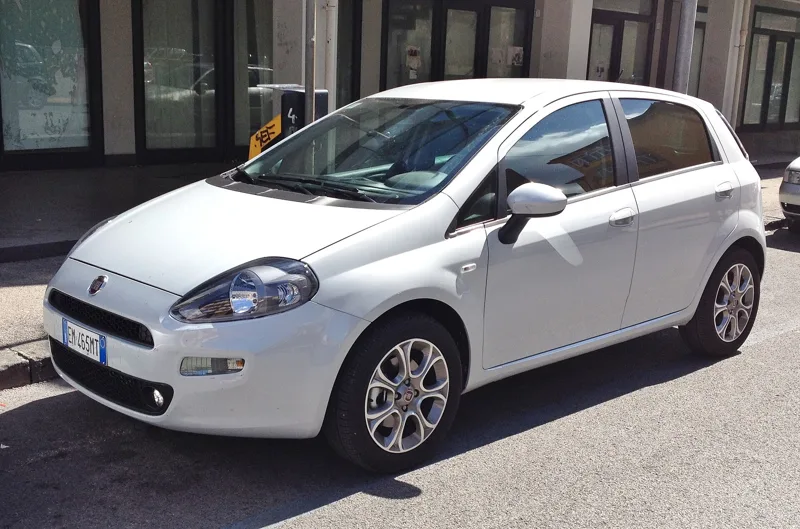
In October 2005 Zastava reached an agreement with Fiat to build the Fiat Punto for Eastern European markets, sold as the Zastava 10. The car was based on the Fiat Punto Mark 2b and offered dual front airbags, air conditioning and power windows.
It faced strong competition from the Volkswagen Polo at home, but it was priced attractively. As of December 2007 the Zastava 10 started at EUR 7,550 in Serbia, and in March 2007 it held 11% of the Serbian car market.
How did Zastava end car production?
Production of the Yugo, Skala and Florida ceased by 20 November 2008. The Zastava 10 continued briefly, with a modified front and a new name, Punto Classic, before the factory passed to Fiat.
On 7 May 2008 Fiat Group Automobiles signed a memorandum with the Serbian government to acquire the Kragujevac plant. The new company, Fiat Automobili Srbija, was to receive about 700 million euros of investment, with the government contributing 200 million. The final car rolled out on 21 November 2008.
What happened to Group Zastava Vehicles?
The group's four units were Zastava Automobiles, Zastava Trucks, Zastava INPRO and Zastava Special Automobiles. In May 2017 the parent entered bankruptcy before the Economic Court in Kragujevac. Its subsidiaries entered a bankruptcy procedure in 2018.
The group itself was auctioned and sold in March 2024. Its Serbian car legacy now lives on through the Fiat-built Kragujevac plant and the models the Fica and Yugo helped establish.
What are the key Zastava figures?
| Item | Detail |
|---|---|
| Founded | 1851 in Kragujevac, as the Military Technical Institute |
| Automobile section | 1904 |
| Zastava 750 (Fica) | 923,487 built, 1955 to 1985; 25 PS (18 kW), 767 cc |
| 1300 and 1500 | 201,160 built, 1961 to 1979; up to 72 hp |
| Peak production | 180,950 units in 1989 |
| Yugo 45 (Koral) | 750,000 built, 1980 to 2008 |
| Zastava 10 | 4,224 built, 2006 to 2008 |
| Last Zastava car | Rolled out on 21 November 2008 |
| Group bankruptcy | May 2017 |