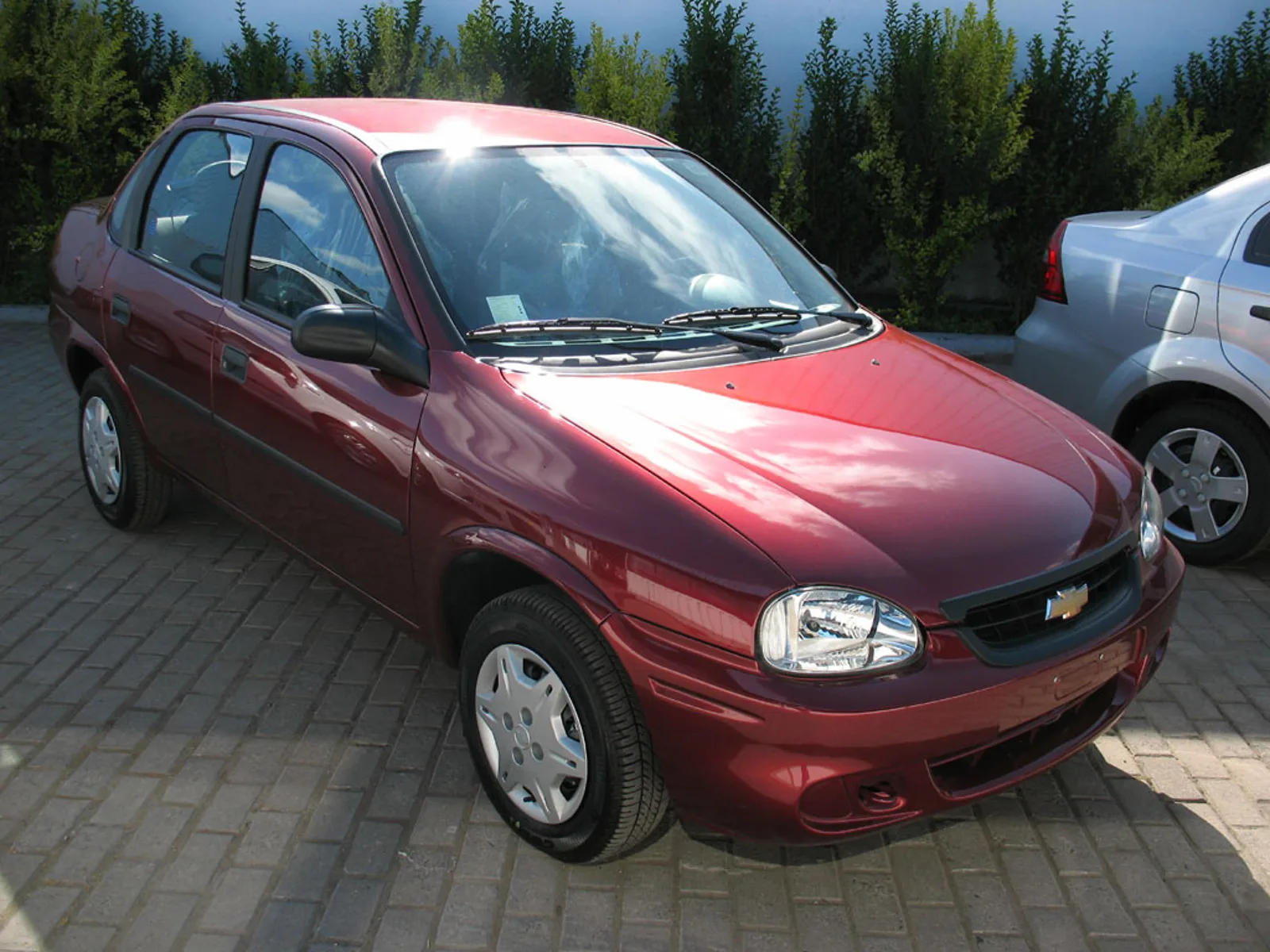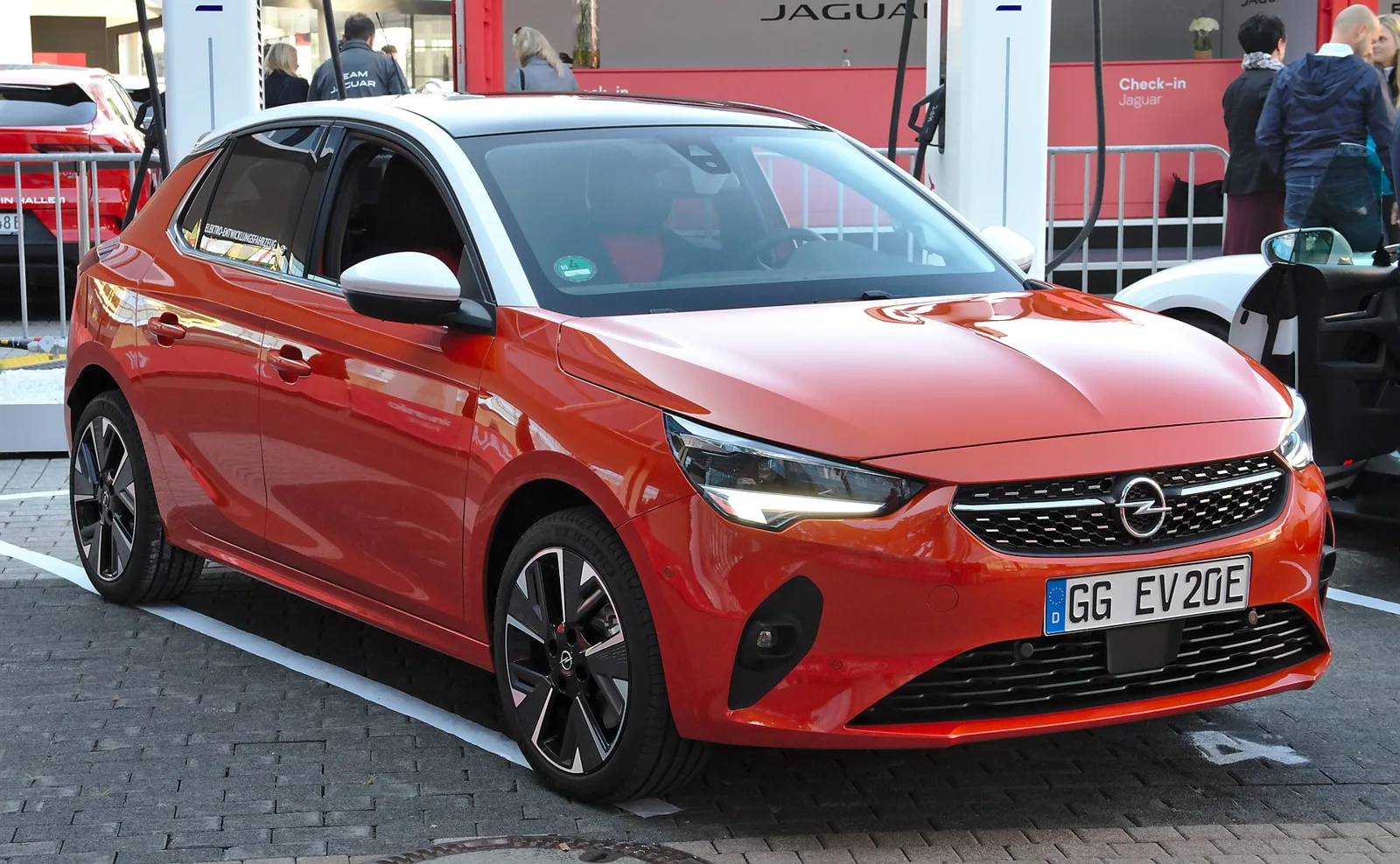
A front-wheel drive Opel from 1982 set against a Peugeot born in 1991 that was aimed at the Renault Clio: origins, engines, performance, sales and the buyer each suited.
The Opel Corsa and Peugeot 106 were front-wheel drive superminis from different makers, nine years apart. The Corsa arrived in 1982 and was the world's best-selling car in 1998. The 106 was launched in 1991 as an entry-level Peugeot and was aimed at the Renault Clio.
The Opel Corsa and the Peugeot 106 were two of Europe's most important superminis, and they were born nine years apart. The Corsa arrived in September 1982 as GM Europe's first entry into the supermini market, while the 106 appeared in September 1991 as the entry-level Peugeot below the 205. Both were front-wheel drive hatchbacks that sold in very large numbers.
This comparison looks at why the two were rivals, how each came about, the engines and trims they offered, their performance and motorsport records, their electric and Vauxhall variants, and which buyer each car suited on the facts available.
Why were the Opel Corsa and Peugeot 106 rivals?
They were rivals because they competed for the same buyers in the small car segment of Europe. The Corsa was built to take on the established superminis of its day, including the Fiat 127, VW Polo and Ford Fiesta, and it used the same transverse-engined, front-wheel drive layout that those cars had adopted.
The 106 was aimed squarely at the Renault Clio, a car that had started production a year before it. It was described as a more modern alternative to the slightly larger 205, and it sat beneath that car in Peugeot's range as the French brand's entry-level model.
The two cars were also linked by the cars that came before them. The Corsa filled a gap in GM's range that the rear-wheel drive Kadett C and Chevette had left, while the 106 followed Peugeot's own 100 line of small cars that began with the 104 in 1972.
One supermini conquered sales charts across four continents; the other took its sporting edge from a lightweight Rallye and a 16-valve GTI.
How did the two cars come about?
The Corsa was first launched in September 1982, after a two-seat roadster concept had been shown as a teaser at Geneva six months earlier. It went on sale first in France, Italy and Spain, markets where small cars made up between 34 and 43 percent of total sales. General Motors' internal code for the Corsa and Nova was the S-car.
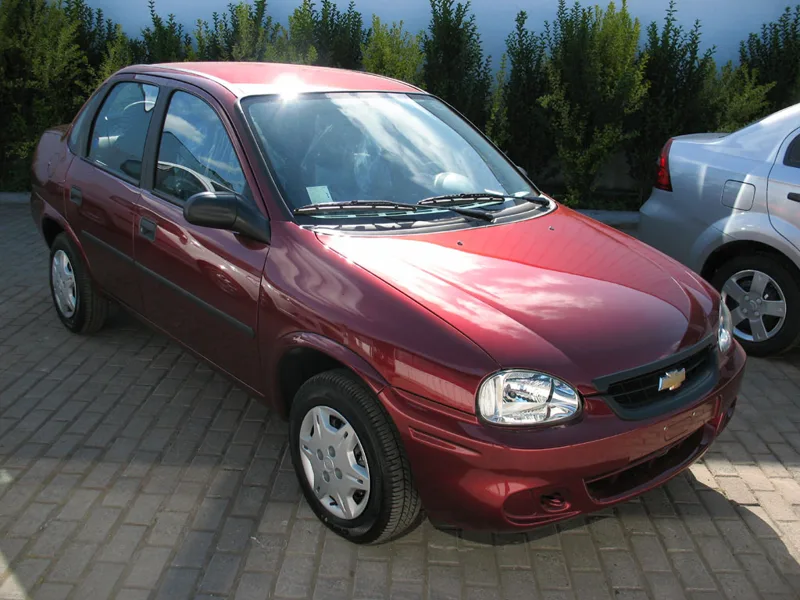
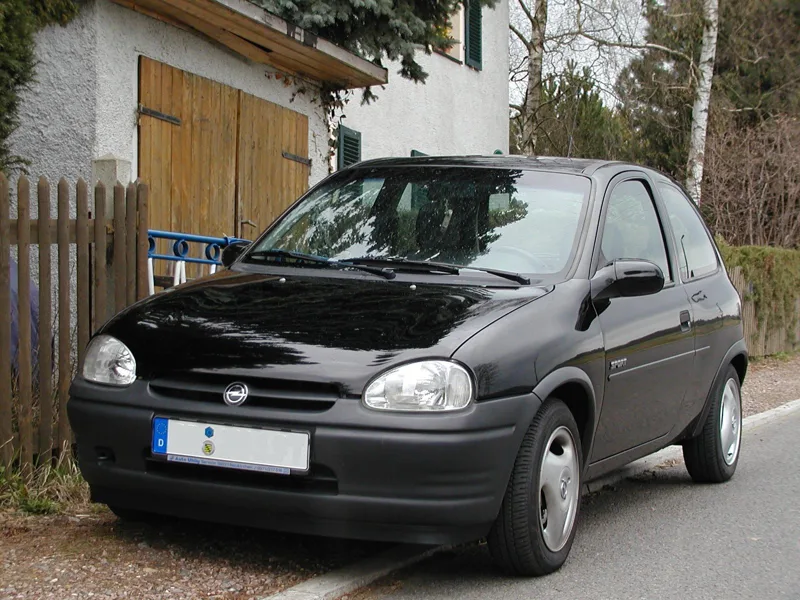
The Corsa was built in Zaragoza, Spain, and it began as three-door hatchbacks and two-door saloons. Four-door and five-door versions followed in 1984. The car had a long life and went on to become one of the most widely sold cars in the world, with over 18 million sold by 2007.
The 106 was launched in September 1991 as a three-door hatchback in continental Europe, two months before the United Kingdom. A five-door derivative followed in August 1992, and production ended in July 2003. It was a substantial development of the Citroen AX platform, and like the AX and the 205 it used MacPherson struts at the front.
Both cars inherited much from their platforms. The Corsa shared parts with the Astra and Kadett line, and the 106 shared its foundations with the AX. Those links meant each car could be built efficiently while still giving the maker a modern supermini.
What engines did the two cars use?
The Corsa's first petrol engines were 1.0 L with 45 PS, 1.2 L with 55 PS and 1.3 L with 70 PS. Early engines all used carburettors, and fuel injection came later, though never on the 1.0. A 1.5-litre turbodiesel from Isuzu, with 67 PS (49 kW), joined the range in 1987.
The 106's first engines were 1.0, 1.1 and 1.4 petrol units, with an economical 1.4 diesel added in August 1992. The 1.0 and early 1.1 cars had carburettors at first, but those were replaced by fuel injection after a year because of European emissions rules. In late 1994 the diesel gave way to a larger 1.5-litre unit with more torque.
Corsa engines changed through the 1990s. The 1.2, 1.4 and 1.6 petrol engines from the Family 1 range joined a 1.5 turbodiesel in the Corsa B, and a 1.0 three-cylinder and a 1.2 Family 0 economy engine arrived in 1997. Those choices made the range suit both economy-minded and performance-minded buyers.
The 106 saw its own engine changes. The 1996 update brought the 1.6 GTI, which took the place of the 205 GTI as Peugeot's hot hatchback. The GTI was the top model, while the rest of the 106 line stayed with smaller and more economical units.
Which car had the stronger sporting versions?
The Corsa's first sporting model was the 1985 Sport, which was built to homologate the car for the sub 1,300 cc class of Group A in the British Rally Championship. It produced 93 hp, reached 112 mph (180 km/h) and went from 0 to 60 mph in 8.9 seconds. Only 500 were made.
The Corsa GSi, introduced at the 1987 Frankfurt Motor Show, carried a 1.6-litre fuel-injected engine with 101 PS (74 kW) and a top speed of 186 km/h (116 mph). Its engine mapping was carried out by the Opel tuning specialist Irmscher, and a 1.4-litre version with 82 PS (60 kW) was sold in Britain as the Nova SRi.
The 106's most famous sporting model was the Rallye, which Peugeot marketed as offering fewer frills and more thrills. It had steel wheels, no power steering, no central locking and no electric windows, which kept its weight to 825 kg (1,819 lb). The S1 used a 1.3-litre engine rated at 100 PS (74 kW), and the S2 used a 1.6-litre with 103 PS (76 kW).
The 1.3 Rallye was described as a sprinter rather than a cruiser. It needed a noisy 4,000 rpm in fifth gear to hold 70 mph, but given enough road it could reach its redline in top gear at 115 mph. The GTI with 120 hp then took the sporting role after the facelift.
How did the two cars sell?
The Corsa was the best-selling car in the world in 1998, recording 910,839 sales. At the time it was assembled on four continents, sold under five marques and offered in five body styles.
The Corsa's British version, the Vauxhall Nova, sold well. Nearly 500,000 were sold in Britain over ten years, and the strongest single year was 1989, when it finished seventh in the national table with more than 70,000 sales. It was built in Spain, which caused a seven-month union dispute in Britain before its launch.
The 106's sales figures are not given here, and it was built for a shorter period than the Corsa. It was replaced in the Peugeot range by the 206 at the end of 1998, which left the 106 trimmed to the Zest versions and the GTI. The 106's own successor, the 107, arrived in June 2005.
How did the electric and Vauxhall variants compare?
Peugeot launched an electric 106 in 1995, built with Heuliez and using nickel-cadmium batteries from Saft. It had a top speed of 56 mph (90 km/h) and an official range of 100 km (62 mi), with a 20 kW (26 hp) motor whose nominal output was 11 kW (15 hp). Peugeot had expected 15,000 to 20,000 a year, but only 6,400 were sold between 1995 and 2003, most of them to the French Administration.
The Corsa's British variant was the Vauxhall Nova, which replaced the Chevette, production of which ended in January 1984. The Nova was sold in the UK only from April 1983 to March 1993. By February 2014 just 1,757 were still on British roads, which shows how quickly the car's numbers faded.
The 106 Electrique was a niche car, while the Nova was a mainstream seller. The two cars therefore served different purposes in their markets, and the electric version is best seen as a special case rather than a direct rival to the Corsa.
Which buyer suits each car?
On the facts given, the Corsa suits a buyer who wants a widely available supermini with a long run, a broad range of engines and a range of body styles that includes estate and van versions. The 106 suits a buyer who wants a French supermini with a sporting Rallye or GTI option and a sharper handling character.
A buyer who wanted a long-running and widely serviced car would look at the Corsa. Its volume, its range of trims and the Vauxhall Nova badge in the UK made it a common sight on European roads.
A buyer who wanted a more focused driving experience would look at the 106. The Rallye's lightweight specification and the GTI's 16-valve engine gave it a clear sporting identity, and its motorsport record in endurance racing adds to that story.
Neither car is shown to be better across the board. The Corsa has the documented sales record and the longer reach, while the 106 has the more focused sporting variants and the stronger link to rallying. The better choice depends on whether the buyer values volume and range or a sharper, lighter character.
Specifications at a glance
| Feature | Opel Corsa | Peugeot 106 |
|---|---|---|
| Launch | September 1982 | September 1991 |
| Production ended | Corsa A ran until 1993 in the UK as the Nova; Corsa B from 1993 | July 2003 |
| Body styles | Three-door, five-door, saloon, estate and van | Three-door and five-door hatchbacks |
| Drive layout | Front-wheel drive | Front-wheel drive |
| Launch engine | 1.0 L 45 PS, 1.2 L 55 PS, 1.3 L 70 PS | 1.0, 1.1 and 1.4 petrol |
| Sporting version | GSi, 1.6 L, 101 PS (74 kW), 186 km/h (116 mph) | Rallye S2, 1.6 L, 103 PS (76 kW); GTI 120 hp |
| Weight | No figure given | Rallye 825 kg (1,819 lb) |
| Electric version | No figure given | 106 Electrique, 6,400 sold |
| Sales record | 910,839 in 1998; over 18 million by 2007 | No figure given |
| Motorsport | Vauxhall Nova Challenge in British Rallycross, 1990 to 1993 | Nurburgring 24 Hours every year from 1993 to 2003 |