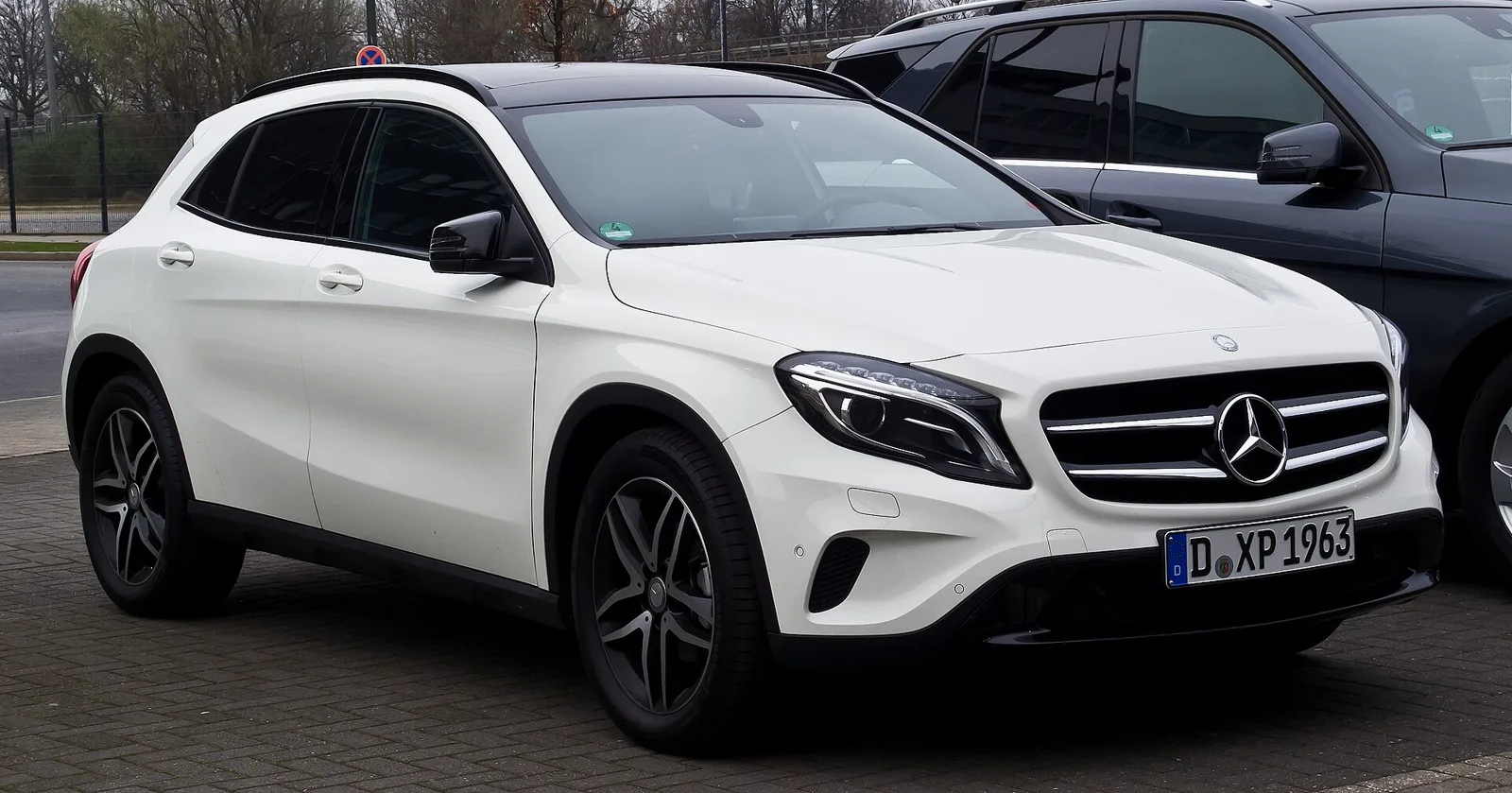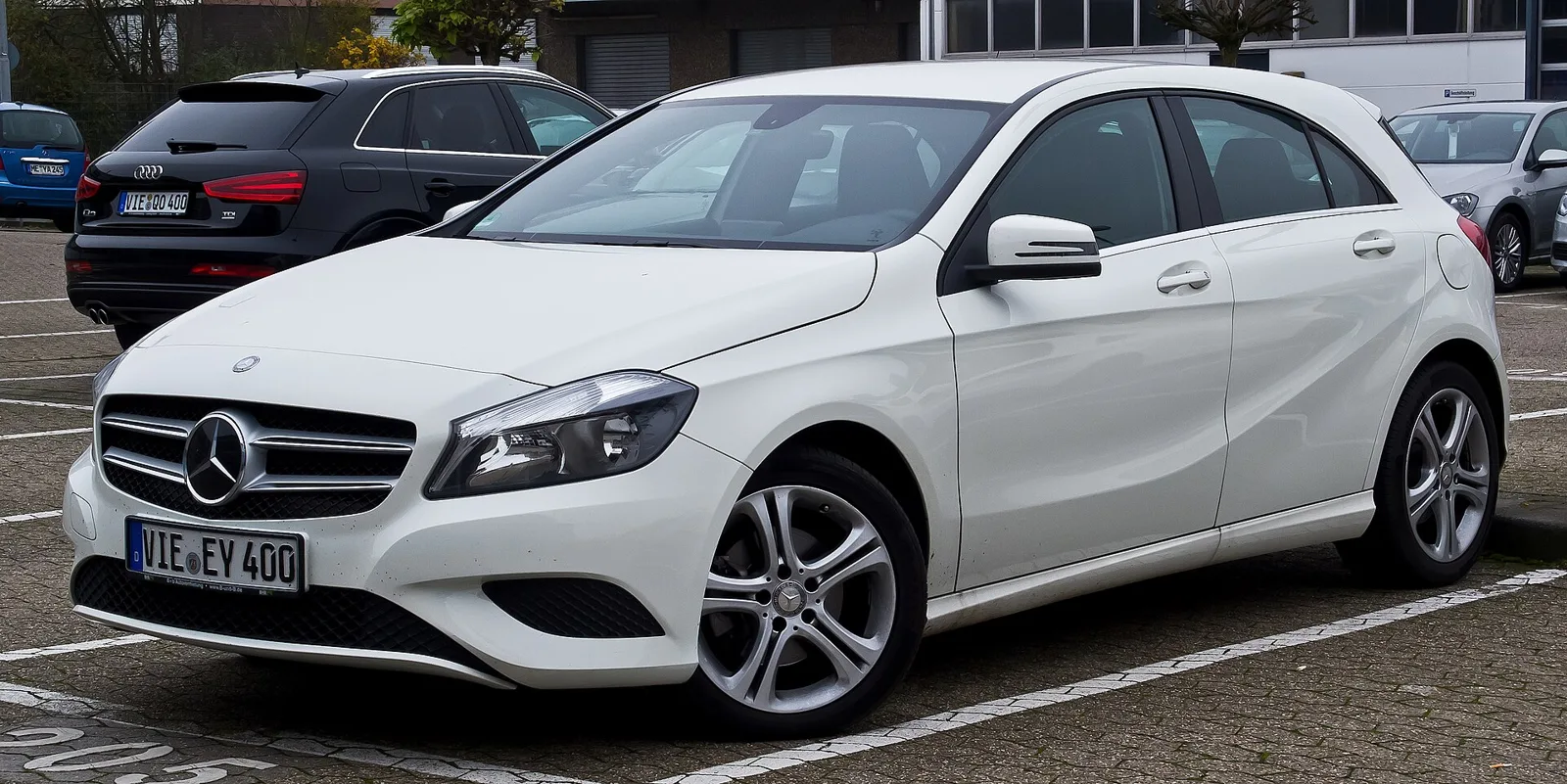
A front-drive five-door that moved up to the C-segment, drew 90,000 orders before the autumn of 2012 and carried a 381 PS four-cylinder A 45 AMG.
The W176 was the third-generation Mercedes-Benz A-Class, a five-door front-drive hatchback built from 2012 to 2018. It moved into the C-segment, took 90,000 orders by late 2012 and produced the A 45 AMG with 381 PS.
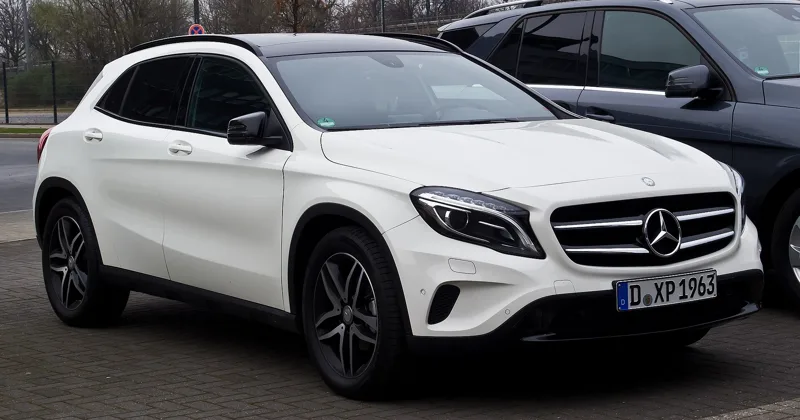
The Mercedes-Benz W176 was the third-generation A-Class, a five-door hatchback built from July 2012 to May 2018. It was the first A-Class to sit in the C-segment rather than as a supermini, and it arrived with a front-wheel-drive platform that could take several different powertrains. Its 2015 facelift brought the A 45 AMG performance car, which used a 381 PS (280 kW; 376 hp) turbo four.
Where did the W176 come from?
The W176 was shown at the 2012 Geneva Motor Show, and its design drew on the 2011 Concept A-Class, which had made its debut at the New York show. Early patent images had leaked in mid-2011. The production car went on sale in most countries from September 2012, and Japanese buyers had to wait until January 2013.
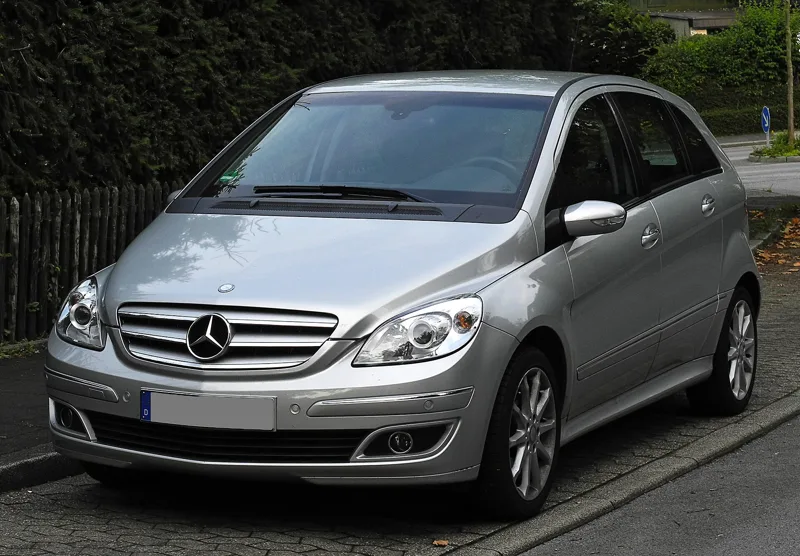
The A-Class was designed to be the more dynamic, younger alternative to the B-Class, which was the larger and more practical car in the range. The W176 was not offered with a three-door body, because demand for three-doors had shrunk and the car was too big for them to make sense.
A front-drive hatch that moved up a class, took 90,000 orders before winter and gave AMG a four-cylinder with 187.5 hp per litre.
Why did the A-Class move up a class?
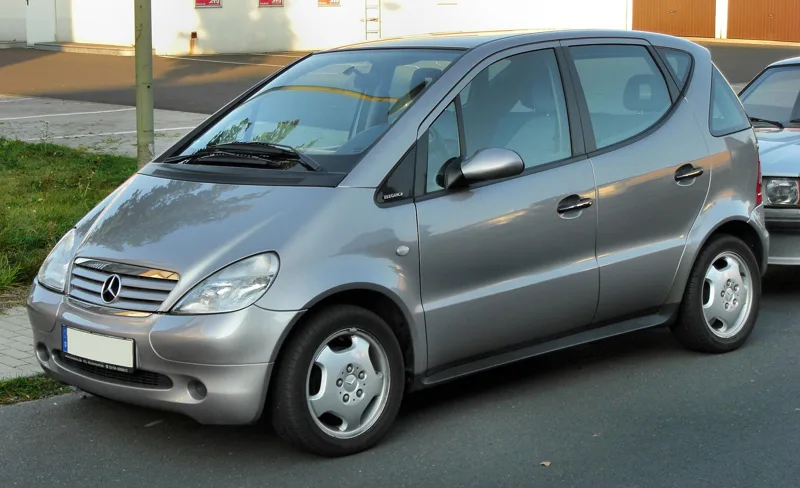
The W176 was the first A-Class classed as a C-segment car. Its predecessor had spent fifteen years as a supermini in the B-segment, and the move gave the new model more room and a more upmarket presence. Mercedes-Benz aimed it at younger owners who wanted a compact car with a premium badge.
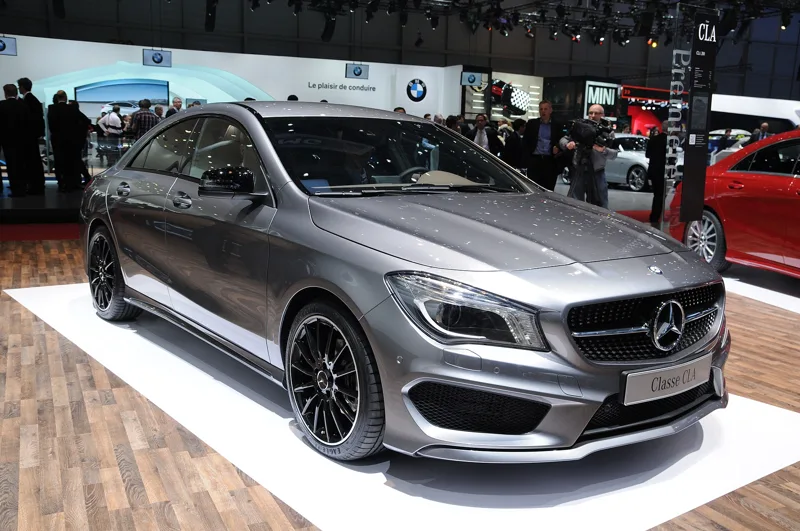
It was the second car to sit on the MFA architecture, following the W246 B-Class, which arrived in November 2011. The C117 CLA followed on the same architecture in January 2013. Because the B-Class offered petrol, diesel, battery and fuel cell options, the A-Class was built for petrol and diesel only.
How did the concept car shape the production model?
The production W176 kept most of the design of the concept, which had used a three-door body and an M270 four-cylinder petrol unit making 211 PS (155 kW; 208 hp). The concept also showed radar-based collision warning with adaptive brake assist, and it borrowed its exterior language from the F800 concept.
Mercedes-Benz's head of development explained that the MFA platform had room for a battery pack, a fuel cell stack, plus hydrogen and CNG storage tanks. That flexibility meant the same base could take internal combustion or electric drive, along with several body styles. Company material framed the A- and B-Class as the opening chapter of a new era.
How strong was demand at launch?
Pre-orders reached 40,000 in Europe by July 2012, a few days before production began. By late August the total had passed 50,000, and by mid-November Daimler's chief executive Dieter Zetsche reported 90,000 orders. Reuters noted that the figure was double the early orders for the Volkswagen Golf VII, which had launched at around the same time.
Production rolled into action on 17 July 2012 in Rastatt, and the company said the launch was the most successful in the brand's history. Demand was so strong that Mercedes-Benz signed a deal with Valmet Automotive in Finland to build more than 100,000 cars from 2013 to 2016.
Where was the A-Class built?
The W176 was initially built only at Rastatt in Germany. From late 2013 the Valmet plant at Uusikaupunki in Finland began producing it for particular countries, and the deal was later extended to cover the rest of the third-generation run. A later agreement with the same Finnish supplier covered the fourth generation.
Engines were made in a different place. The A-series BlueDirect four-cylinder units were built at Mercedes-Benz's engine plant in Koelleda, Germany. A plan to sell the car in Canada was discussed during the production run, but it was never taken forward.
How did the body change from the previous car?
The W176 grew by 490 mm (19 in) in length and 16 mm (0.63 in) in width. Height came down by as much as 7 cm (2.8 in), while the wheelbase stretched by 132 mm (5.2 in). The centre of gravity dropped by 24 mm (0.94 in) and the seating position by 174 mm (6.9 in), which was made possible by dropping the sandwich construction used before.
Aerodynamics improved as well. The drag coefficient fell to 0.26 from 0.31, which compared well with the Audi A3 and BMW 1 Series, both at 0.32. The roof spoiler hid the aerials and gave the roof extra structure, and LED light modules created a flare effect around the daytime running lamps. Full-LED lamps became available for the first time on an A-Class.
What was standard on the W176?
Standard equipment included climate control, cruise control with an adjustable speed limiter, automatic wipers and automatic headlights. Nappa leather trimmed the steering wheel, and the multimedia system had a CD player, digital radio, a USB input and an 8.0-inch colour display. Around six speakers were fitted, and Bluetooth allowed phone calls and audio streaming.
Apple CarPlay was available, and MirrorLink could project a phone's display onto the car's screen. Satellite navigation was offered as an option. Practical touches included a three-spoke multi-function steering wheel that adjusted for both reach and height, three-point belts on every seat and a rear seat that folded in a 60/40 split.
How safe was the W176?
The W176 came with nine airbags as standard in Australia, electronic stability control and autonomous braking. Attention Assist watched for driver drowsiness, and blind-spot alert was available. Pre-Safe was triggered by emergency braking, and Collision Prevention Assist worked between 7 and 250 km/h.
The system could detect a collision at speeds between 30 and 250 km/h, and it could spot stationary objects up to 70 km/h. A reversing camera, front and rear parking sensors, Active Park Assist and hill start assist completed the set. Euro NCAP awarded the model five stars after testing in 2014.
The electromechanical steering used a dual-pinion arrangement, and the electric motor sat on the steering gear. Countersteering and corrective steering functions helped stability, and Active Park Assist used the same steering system.
What trims did buyers choose in Europe?
In the UK and most markets at launch, the trims mirrored the B-Class, with SE, Sport, AMG Sport and a top AMG model. The SE had 16-inch alloys, comfort suspension, a 7-inch infotainment screen and Garmin navigation. The Sport added 17-inch wheels and restyled upholstery, while the AMG Sport brought firmer suspension, upgraded brakes and 18-inch alloys. The AMG Sport later became the AMG Line.
In Germany and some other countries the choice was Urban, Style and AMG Line. The Style came with 10-spoke 16-inch alloys and integral sports seats, while the Urban had a dual exhaust, 17-inch five-twin-spoke wheels and a leather gear shift. The A 250 Sport, designed by Mercedes-AMG, carried a diamond grille with a single slat, red calipers and Sport badging on its wings.
What did Australian buyers get?
Australia sold the W176 as the A 180, A 200, A 200 CDI and A 250 Sport. The A 180 used a 1.6-litre M270 DE16 with 17-inch five-twin-spoke alloys, a six-speaker sound system and climate control. The A 200 added 18-inch wheels, four-way power adjustable rear seats and an Artico and Larochette upholstery mix.
The diesel A 200 CDI came with a 1.8-litre OM651, or with the stronger 2.1-litre OM651 DE22 unit. The top A 250 Sport used a 2.0-litre M270 DE20 and added AMG sport suspension, perforated front discs, a panoramic power sunroof and privacy glass.
What was the A 45 AMG?
The A 45 AMG was the performance version, with a 2-litre turbo four rated 381 PS (280 kW; 376 hp) at 6,000 rpm and 475 N m (350 lb ft) of torque from 2,250 to 5,000 rpm. It used AMG Speedshift DCT seven-speed transmission with a Momentary M mode and 4MATIC all-wheel drive. Its front brake discs measured 350 by 32 mm and the rear 330 by 22 mm.
Its output of 187.5 hp per litre was the highest specific output of any four-cylinder passenger car when it arrived, and the Bugatti Chiron later matched it. The A 45 was also the basis of the CLA 45 and GLA 45. The car was first shown at the Geneva Motor Show, with sales from 8 April 2013 and German marketing from June 2013.
What changed in the 2015 facelift?
The facelift was revealed on 27 June 2015, with production starting in September. It changed the headlights and taillights to bring the car closer to the W205 C-Class, and it added a diamond-pattern grille, new bumpers and integrated tailpipes. Adaptive damping arrived for the first time, along with the Dynamic Select modes Comfort, Sport, Eco and Individual.
Diesels switched from the CDI badge to the d suffix, so the B 220 CDI became the B 220d. Higher trims received an 8-inch screen and optional ambient lighting. The all-wheel drive system gained a seven-speed dual-clutch with shorter third to seventh ratios. The A 45 gained a Dynamic Plus package with a mechanical locking front differential, which brought its 0 to 100 km/h time to 4.2 seconds.
Which engines and transmissions were offered?
Every W176 used a straight-four engine, in petrol or diesel form. The 1.5-litre diesels came from Renault. The A 180 BlueEFFICIENCY was available from launch, and it used start/stop, alternator management and low-rolling-resistance tyres to cut fuel use.
Most cars came with a six-speed manual, codenamed F-SG 310, which had a two-mass flywheel and oil ducts that improved shift comfort in cold weather. The dual-clutch 7G-DCT replaced the earlier continuously variable unit. It weighed 86 kg (190 lb), was 367 mm long and had a high first ratio of 7.99 to produce useful torque at low speed. Economy, Sport and Manual modes were offered, with steering-wheel paddles in manual.
Did the A-Class have memorable marketing?
For the launch Mercedes-Benz staged the A Rock concert series with the British band Placebo, running five shows between June and July 2012 in Paris, Rome, Zurich, Hamburg and Madrid. Mercedes-Benz Japan also made a short animated film called Next A-Class ahead of the car's arrival there.
The W176 collected a 2012 prize for the most beautiful car of the year. Around 100,000 enthusiasts from 52 countries cast votes through seven websites.
Specifications
| Specification | Detail |
|---|---|
| Production | July 2012 to May 2018 |
| Body | Five-door hatchback; no three-door version |
| Platform | MFA, front-wheel drive |
| Length and width change | +490 mm (19 in) length, +16 mm (0.63 in) width |
| Drag coefficient | 0.26, down from 0.31 |
| Boot | 341 litres (12.0 cu ft) boot, or 1,157 litres (40.9 cu ft) once the seatbacks are folded flat |
| A 45 AMG engine | 2-litre turbo four, 381 PS (280 kW; 376 hp), 475 N m (350 lb ft) |
| A 45 AMG gearbox | AMG Speedshift DCT seven-speed, 4MATIC |
| Manual gearbox | Six-speed, codename F-SG 310 |
| Dual-clutch | 7G-DCT, 86 kg (190 lb), first ratio 7.99 |
| Euro NCAP | Five stars, 2014 test |