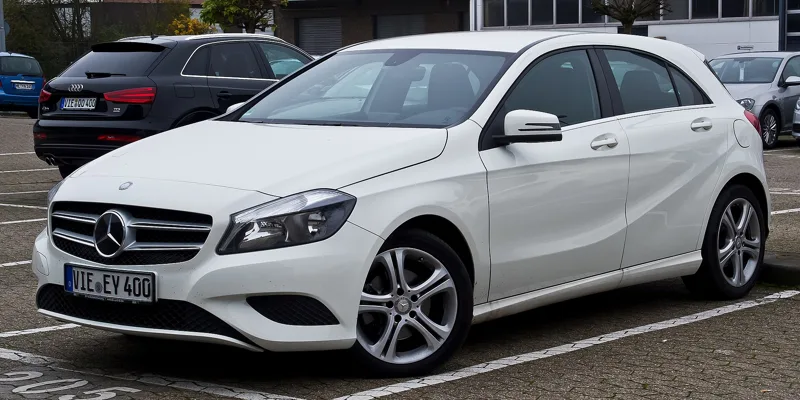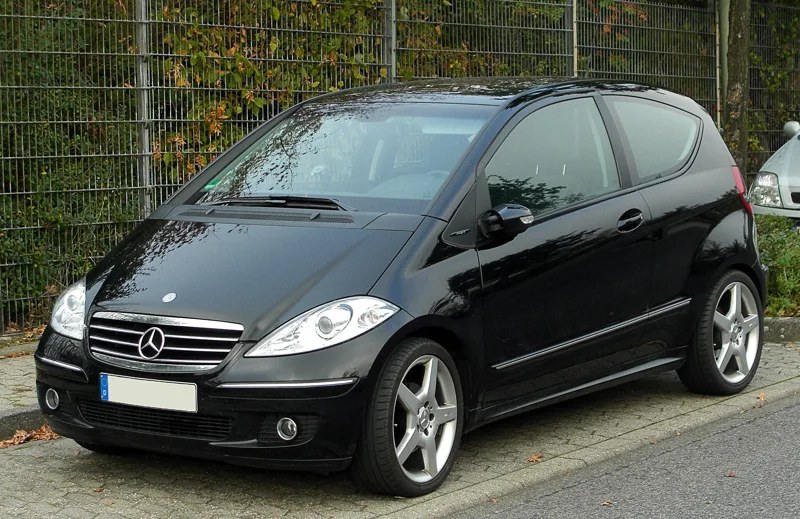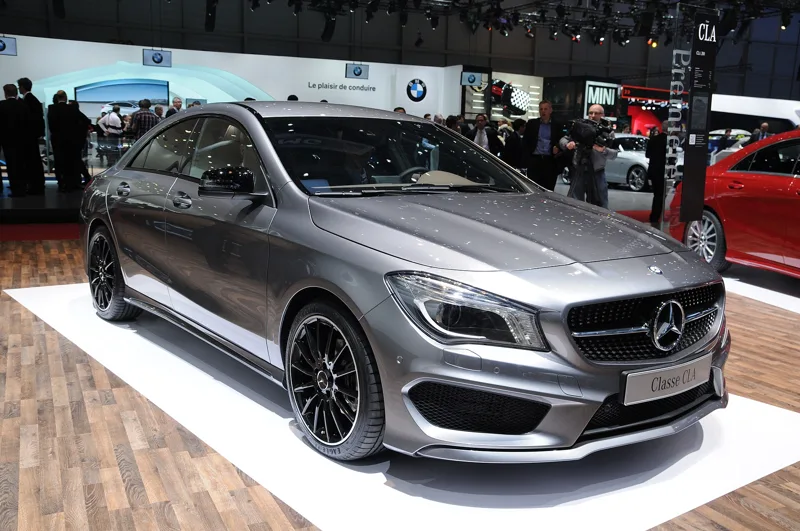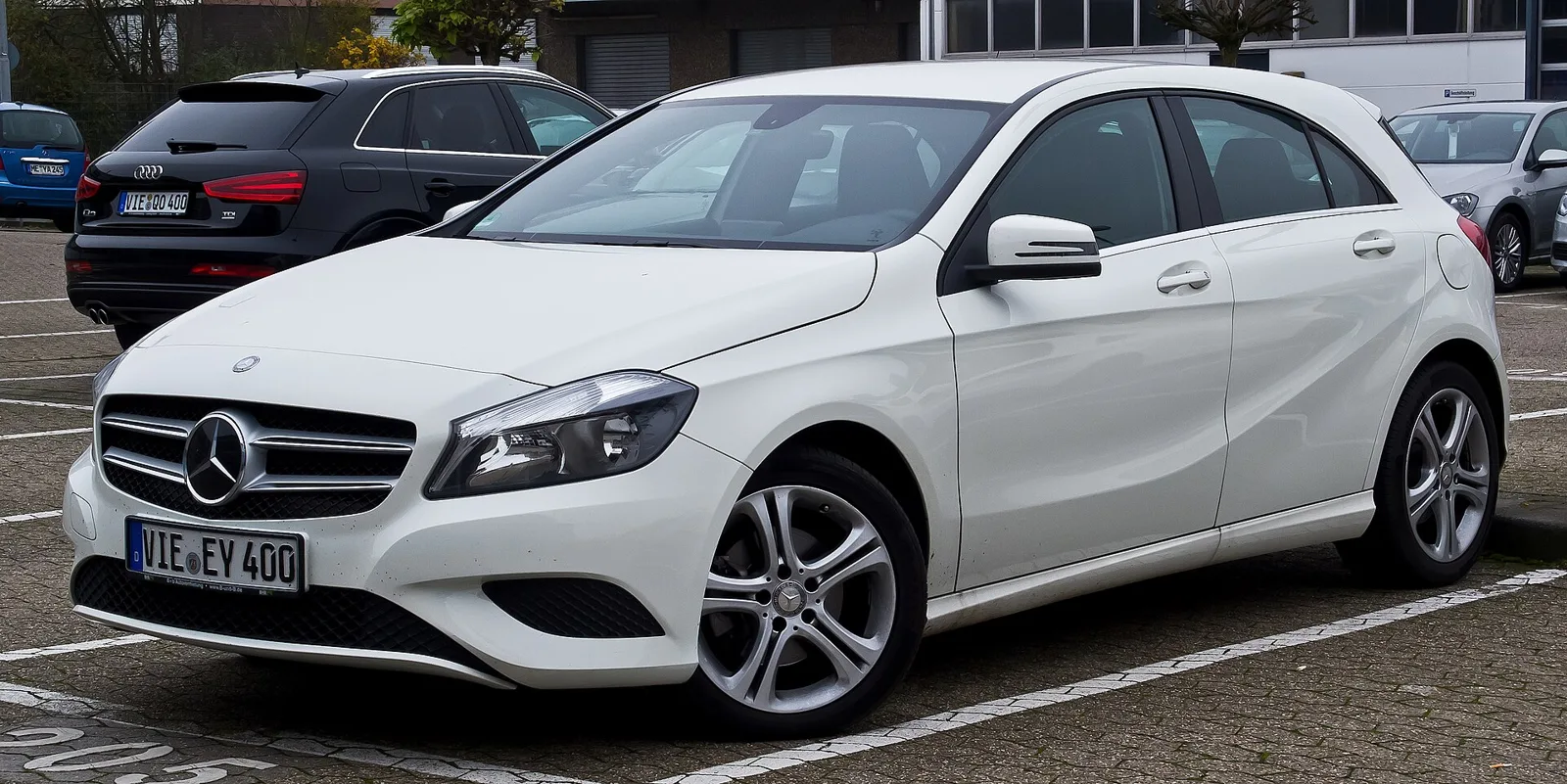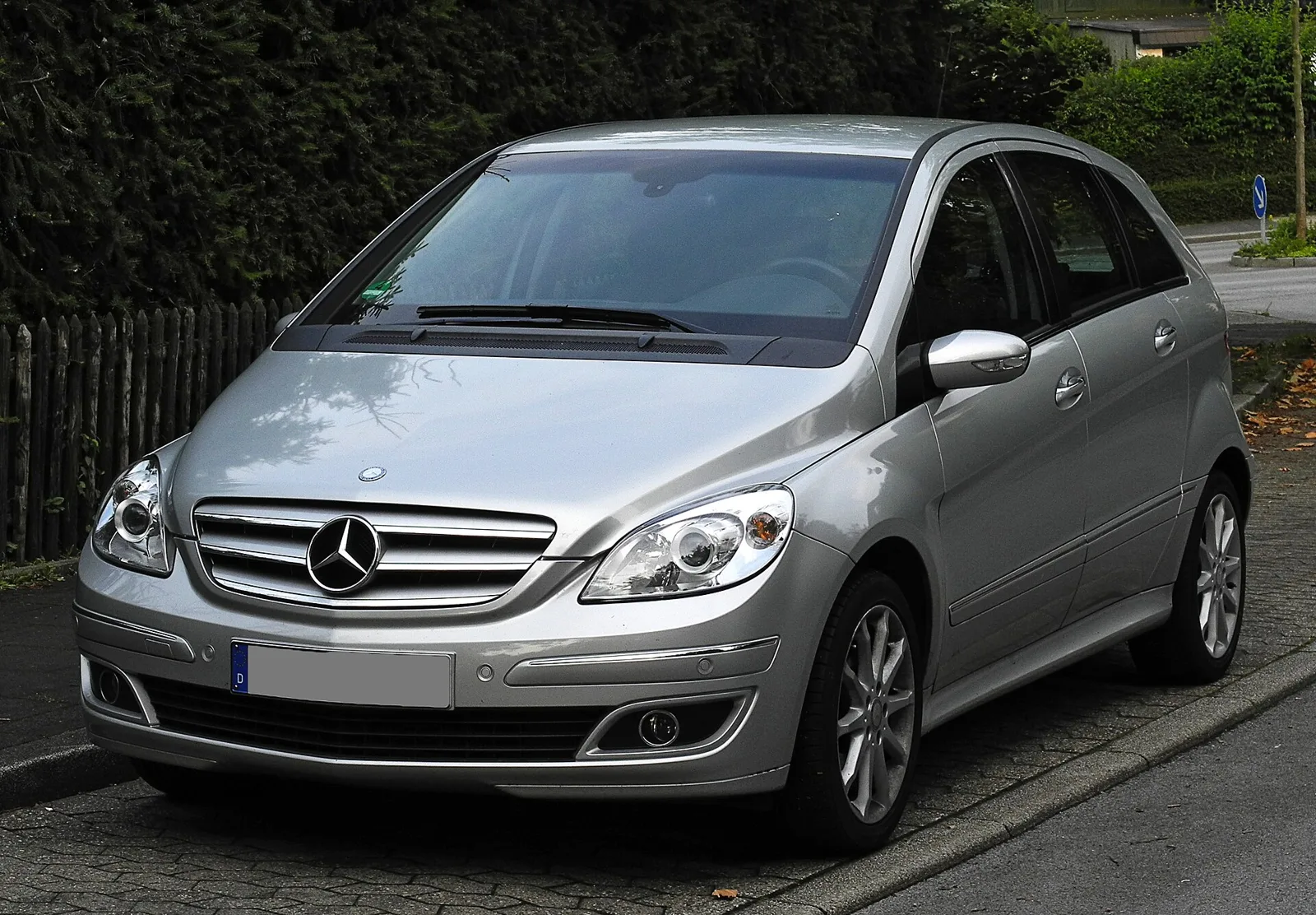
A compact van built on sandwich construction, with more than 700,000 delivered worldwide before production ended in June 2011.
The Mercedes-Benz B-Class, internally the T 245, was a compact van marketed from mid-2005 to mid-2011. It had five seats, a transverse front engine with front-wheel drive, and a sandwich construction carried over from its predecessor.
The Mercedes-Benz B-Class, known internally as the T 245, was a compact van that Mercedes marketed from mid-2005 to mid-2011. It seated five, placed its engine over the front axle, and more than 700,000 were delivered worldwide before production ended.
Where did the B-Class come from?
The B-Class was first shown at the Geneva Motor Show from 3 to 13 March 2005, with production starting that April and the official presentation on 4 June 2005. Mercedes said the car combined the advantages of several vehicle types, and the W 246 later succeeded it.
The car was sometimes called the W 245 as well as the T 245. Mercedes sold it as a Sports Tourer in the same way as the R-Class.
The B-Class took over the sandwich construction of its predecessor, with a transversely installed front engine driving the front wheels.
What did the 2008 update change?
The revised B-Class was presented at Geneva on 14 March 2008 and reached the market in June. The update focused above all on environmental compatibility, economy and comfort, and a two-part bumper, similar to that of the E-Class (series 211), marked the revised car.
The 500,000th B-Class was sold in June 2009. Daimler built a start-stop function for the B 150 and B 170, which were in strong demand. It cuts the engine at red lights, and pressing the clutch pedal fires it up again.
How well did the B-Class sell?
The Kraftfahrt-Bundesamt (KBA) registered 51,484 B-Class cars in Germany in 2007, a 24.0% share of the mini-van segment. That made the B-Class the most registered model series in its segment in Germany that year.
Worldwide, more than 700,000 vehicles were delivered between launch and the end of T 245 production. Germany was the largest market, with a share of around a third. Production ran out in June 2011, and the successor W 246 had already appeared in November.
How was the B-Class engineered?
The B-Class took over the sandwich construction of its predecessor, with a transversely installed front engine driving the front wheels. The batteries for a planned electric version were to sit under the raised interior floor. Relaxed California rules on zero-emission vehicles made that version unsaleable, so the cars were supplied with combustion engines only.
Unlike most front-wheel-drive cars, the engine and gearbox sit above the front axle rather than in front of it. The cylinder block leans about 60 degrees forward over the axle, with only the cylinder head ahead of it. The bulkhead is an inclined sliding floor, which lets the drivetrain slide beneath the floor in a serious head-on crash.
Because the floor sits high in the cabin, little extra room is needed between the bulkhead and the front axle. The width of the engine that is no longer there becomes extra deformation path in front of the axle.
Mercedes later gave up the sandwich construction with the third generation of its compact cars, presumably because the batteries had by then become smaller.
How much space did the B-Class offer?
Its length of 4.27 metres (14.0 ft) gave five seats and the room of larger saloons and estates. The boot held 390 litres, rising to 700 litres with the rear bench folded down to the lower edge of the windows. A further 65 litres sat under the inner floor, unless a spare wheel was carried.
That luggage space is larger than the Opel Zafira and VW Touran offer, despite smaller exterior dimensions. Child seats fit the outer rear seats with ISOFIX mountings. For the front passenger seat, baby seats and an automatic child-seat recognition system that deactivates the passenger airbag could be ordered at extra cost.
Which engines and fuels did the B-Class use?
The B-Class was offered with six different four-cylinder engines. The CDI designation marked diesels with common-rail injection and a turbocharger. From June 2008 the NGT variant was offered as a natural-gas car as standard, with a 54-litre petrol tank alongside a tank holding 16 kg of natural gas.
The B 200 Turbo was built until 31 October 2010, because cars built from 1 January 2011 had to meet Euro 5. Taking this unit out of the range saved development effort for the other engines, since it held just under two per cent of the market. All other engines met Euro 5.
According to the manufacturer, the B-Class was meant to carry fuel-cell technology further as the successor to the F-Cell A-Class. Large-series production was not yet planned with this model.
What standard equipment came with the B-Class?
From the March 2005 launch, the standard list included ISOFIX and TopTether child-seat anchorages in the rear, ESP, brake assist, a tyre pressure loss warning and TIREFIT with an electric air pump. Five three-point safety belts and an electronic immobiliser with radio remote control completed the safety kit.
The front seats were mechanically adjustable, and the rear bench split 1/3 : 2/3 with cushions that could be removed. The instrument cluster had a central multifunction display, an integrated clock and four round dials with chrome rings.
The February 2006 revision listed a diesel particulate filter for all CDI models, a chrome grip strip on the tailgate and an extra luggage compartment cover.
What equipment packages were offered?
The exterior chrome pack (code 900) added chrome trim to the radiator grille, door handles, side protection strips and fog lamp rings, along with body-coloured mirrors and sills. From 2006 it was standard on the B 200 CDI and B 200 Turbo, and otherwise optional.
The sport package (code 952) brought 17-inch alloy wheels with ten spokes, sport suspension and an oval stainless steel tailpipe. It also added a steering wheel with aluminium spokes, stainless steel pedals, an ARTICO and fabric "Maastricht" upholstery combination and a white-lit instrument cluster. Its contents and price varied by engine.
What safety equipment was standard?
Standard safety equipment included ABS, traction control, brake assist and ESP, plus airbags with head and thorax side bags for both front seats. Side airbags in the seat backs added head protection, the windscreen was laminated glass, and four disc brakes were fitted, with the front ones internally ventilated.
Active head restraints at the front adjust for height and tilt, and the rear outer seats had belt tensioners with automatic belt height adjustment. A warning tone sounds for an unbelted driver or passenger, and a tyre pressure loss warning and a selective damping system were fitted as standard too.
What comfort features did the cabin offer?
The cabin offered air conditioning with a dust filter, an air-conditioned and illuminated glove box and a rear window heated on a timer relay. Sun visors had make-up mirrors, and the driver's side had a glasses case in the roof lining.
The front armrest had a compartment, a 12-volt socket and a net in the passenger footwell. A cup holder sat in the tunnel trim, and a trip computer, a coin, pen and card holder in the glove box lid and a multifunction steering wheel completed the list. Door pockets at the front and rear held drink holders, and an outside temperature display and brushed aluminium trim on the dome, doors and centre console finished the cabin.
How did the luggage area work?
The load floor could be set on two levels and offered extra storage, and a roller blind covered the luggage area. Four tie-down eyelets secured loads, and the boot had bag hooks and lighting. The tailgate housed a surround and signal lamp.
A warning triangle, a jack, a first-aid kit and a TIREFIT set with an electric air pump were part of the standard kit.
Specifications at a glance
| Item | Detail |
|---|---|
| Seats | Five |
| Length | 4.27 metres (14.0 ft) |
| Boot | 390 litres; 700 litres with rear bench folded |
| Storage under inner floor | 65 litres, lost with a spare wheel |
| Petrol tank (NGT) | 54 litres |
| Natural-gas tank (NGT) | 16 kg |
| Market share, Germany 2007 | 24.0% of the mini-van segment |
| Production ended | June 2011 |
Why does the B-Class still matter?
The B-Class shows Mercedes' sandwich-built compact van at work, a design that a later generation of the compact cars dropped. Its engine position and planned battery floor show how electrification plans shaped the car before California changed the rules.