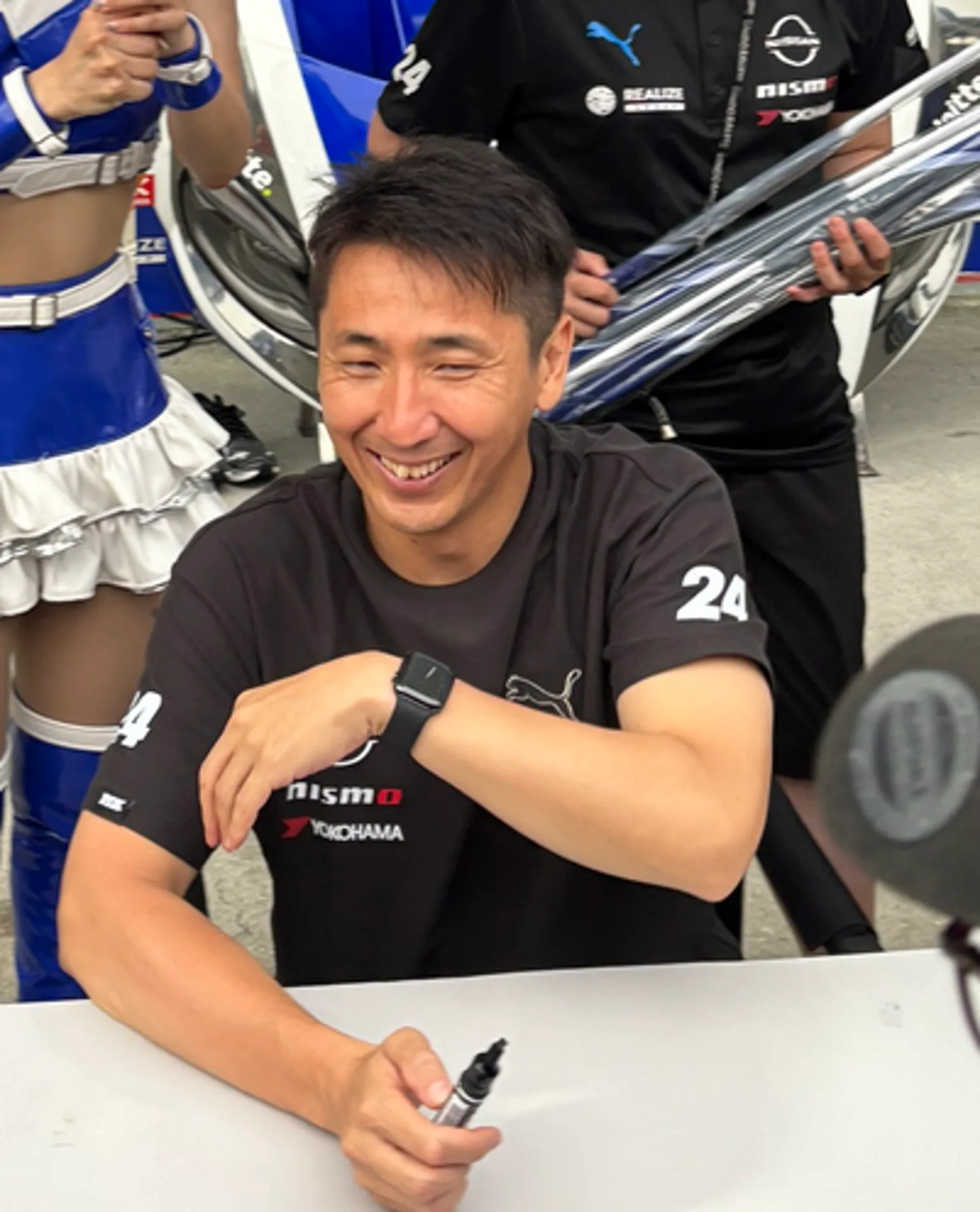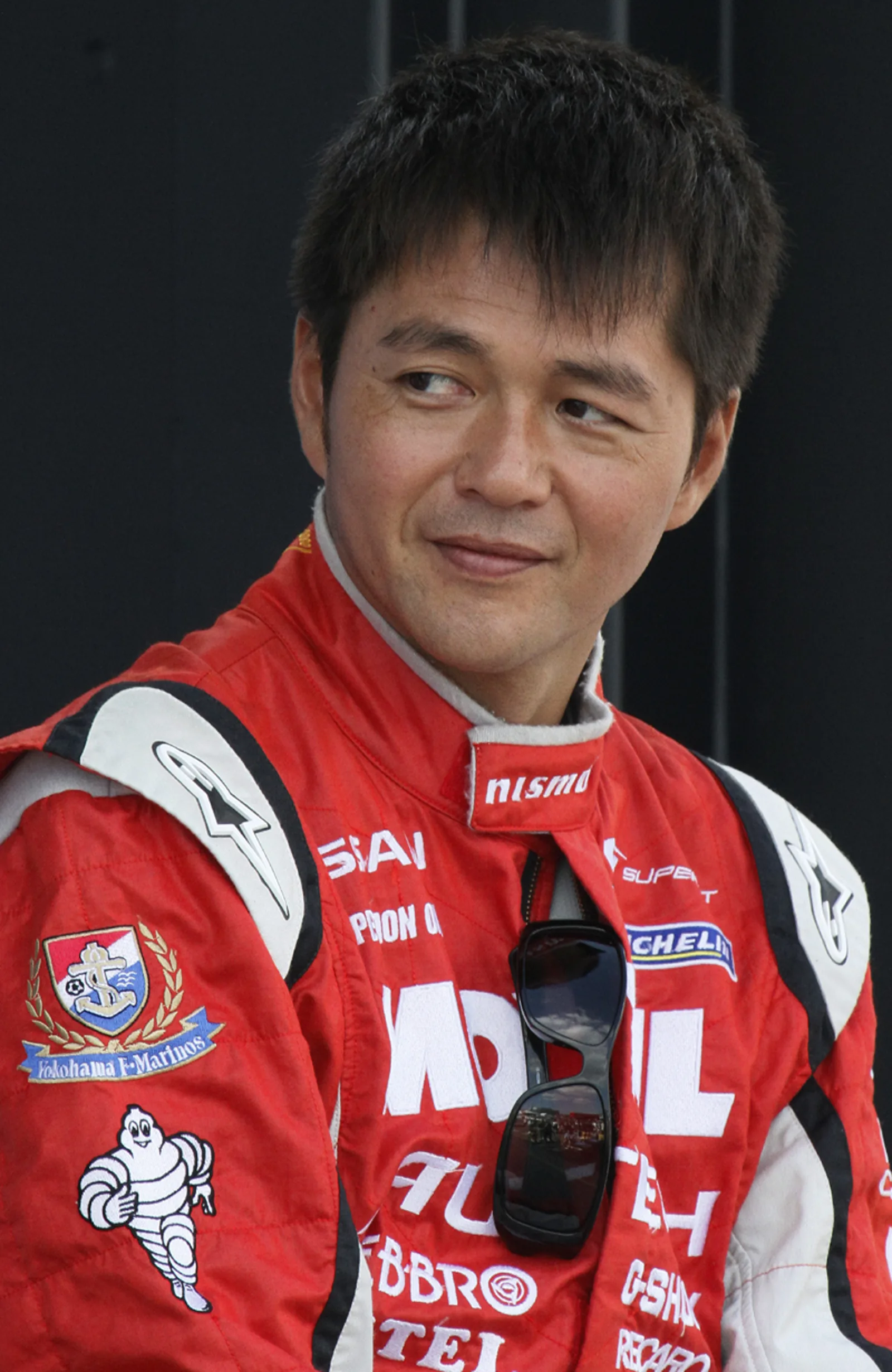
From Formula Nippon title fights and Nissan's GT500 years to a Formula One test, four Le Mans starts and a move into team management.
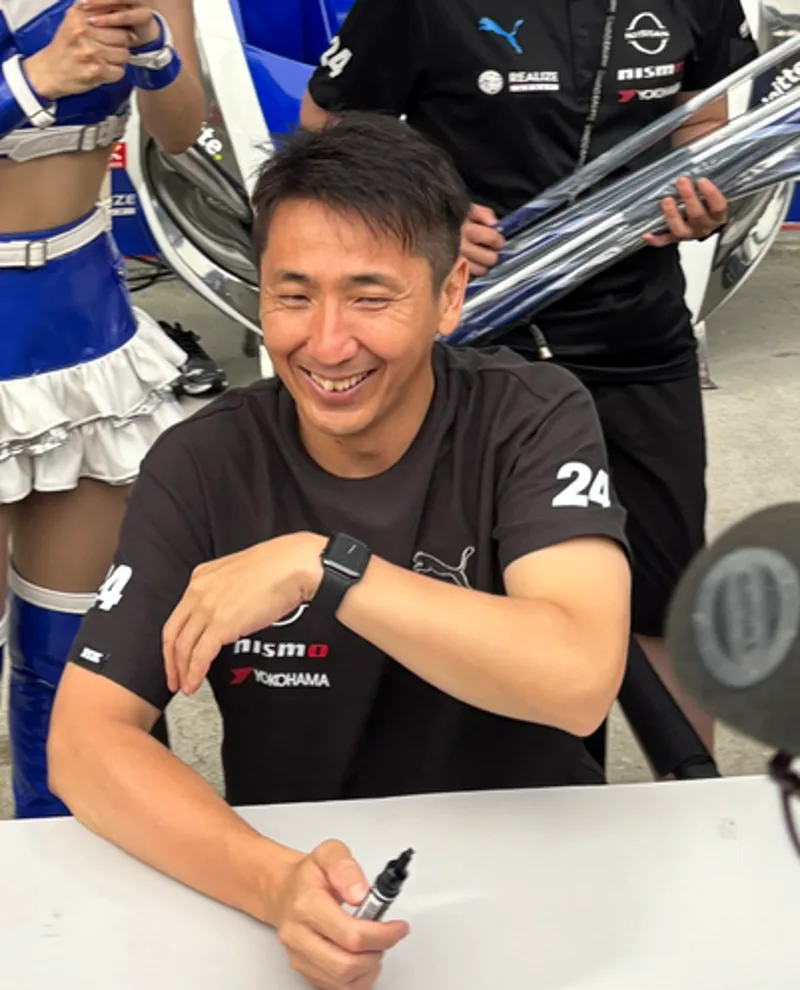
Motoyama, born in Tokyo on 4 March 1971, is a Japanese driver and team manager. He won four Formula Nippon titles and three Super GT GT500 championships, mostly with Nissan machinery. He later became team director of B-Max Racing Team.
Who is Satoshi Motoyama?
Satoshi Motoyama is a Japanese racing driver who later became a team manager. His reputation rests on Super GT years as a Nissan works driver and on a long run of wins in Formula Nippon, a category since renamed Super Formula. Across both series he won three GT500 championships and four Formula Nippon titles.
Born in Tokyo on 4 March 1971, he began karting at the age of 13, in 1984. He took the A1 class title at the All-Japan Karting Championship in 1986, then won the A2 class in 1987 and again in 1989.
Those karting results led him into single-seaters. His route then passed through touring cars and Formula Nippon before he settled into the Super GT field, where most of his famous results came.
Four Formula Nippon crowns, three GT500 titles and a career that moved from the driver's seat into team management.
How did he start out in Formula Three?
Motoyama moved from karts into the All-Japan Formula Three Championship in 1990. His first three seasons brought only limited success. Between 1993 and 1994 he had trouble finding sponsors, which meant part-time outings only. That early phase laid the groundwork for his later Formula Nippon years.
A switch to Dome Racing in 1995 lifted him to second in the standings. He won a single race that year, while Pedro de la Rosa took the other eight victories and the title.
What happened in his 1997 touring car season?
From 1995 through 1997 he also competed in touring cars, in the Japanese Touring Car Championship during the Super Touring period. In 1997 he won three races for Nismo and finished third in the standings. Both the results and the penalty are part of the record for that year.
The final round of that season, at Fuji Speedway, ended in controversy. After rival Osamu Nakako hit him, Motoyama returned to the track and spun Nakako into the protective barriers at the 100R corner. The penalty was a suspension from a Formula Nippon round and from the JGTC All-Star event at Motegi, plus a 500,000 yen fine.
When did he begin racing in the JGTC?
He first appeared in the All-Japan GT Championship in 1996, in the third round at Sendai Hi-Land Raceway. He drove a GT300 Nissan Silvia S14 owned by Kazuyoshi Hoshino, and he took pole position for his debut race. Those early starts set up the GT500 years that followed.
Moving to the top GT500 class in 1997, he paired with Hoshino in a Calsonic Nissan Skyline GT-R run by Team Impul. His results were 11th in 1997 and 12th in 1998, the second of which came after his switch to the Autobacs squad.
How did his Nismo years bring GT500 success?
In 1999 Motoyama moved to Nismo, the reigning champions, and drove a Pennzoil Skyline GT-R alongside Erik Comas, a former Formula One driver. In the fourth round at the Central Park Mine Circuit he took his first career GT500 victory.
That year he scored four podiums and finished third in the Drivers' Championship, behind Comas, who won his second straight title. He returned to Team Impul in 2000 and took a second win at Mine in the penultimate round.
In 2002 he returned to Nismo with German driver Michael Krumm as co-driver. The pair scored points in every round in 2003 and won the title in the number 23 Xanavi Skyline GT-R, sealing it with a third place at Suzuka.
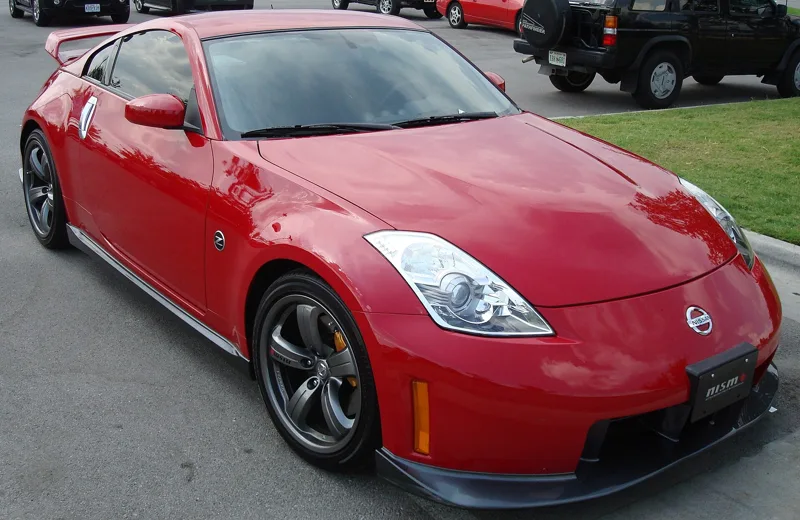
For 2004 he was handed a new car, the Nissan Fairlady Z33, and a new co-driver, Richard Lyons. Their first race together was the opening round at TI Circuit, where he ended a four-year winless run. Podiums at Sepang and Motegi, plus another win at Autopolis, delivered back-to-back GT500 titles for Nismo.
A single win in each of the three seasons that followed kept him in contention, and he finished third in 2005 and sixth in 2006. In 2008 he partnered Benoit Treluyer in the new Nissan GT-R. The pair won at Okayama and Autopolis, and they went on to win the championship, which made him the first three-time GT500 champion.
Why does 2003 stand out in his career?
In 2003 Motoyama became the second driver to win both the JGTC title and the Formula Nippon title in one calendar year. He joined Pedro de la Rosa, who had done the same in 1997. That double is one of the notable milestones of his career.
The season also brought personal loss. He had won the opening round at Suzuka and the round at Fuji, but he learned that his childhood friend Daijiro Kato had been critically injured at the MotoGP round at Suzuka. Kato later died of his injuries, and a week after that death Motoyama won at Mine for his third straight victory.
He clinched his third Formula Nippon championship that year, despite a late challenge from his Impul teammate Benoit Treluyer. He was grouped with his mentor Kazuyoshi Hoshino and former Formula One driver Satoru Nakajima as one of the few drivers to win three or more top Japanese formula titles.
How successful was he in Formula Nippon?
Motoyama made his Formula Nippon debut in 1996 with Aguri Suzuki's team, scoring his first podium at Sugo in the sixth round. He finished 10th in the championship that year and 11th in 1997. Three of those four titles came with Team Impul.
His breakthrough came in 1998 with Team LeMans. He won his first race at Mine, followed it with a win at Fuji where he also took his first pole, and then clinched his first title with a second-place finish at the penultimate round at Fuji.
His second title came in 2001 with Team Impul, after he trailed the leader by 22 points following four rounds. He won three of the following four rounds to take the lead, then secured the title with second place at Motegi. In 2002 he won five of the ten races and still lost the championship by two points to Ralph Firman.
The 2005 championship, his fourth, came with Team Impul and ahead of teammate Yuji Ide. His last Formula Nippon win came at Suzuka in 2007, his 27th in the category, and the category totals finished at four titles and 21 poles.
How did his later Nissan and Formula Nippon years unfold?
Motoyama's Formula Nippon form dipped after his 2005 title. In 2004 he moved to Team 5ZIGEN, won once at Sugo and finished sixth in the standings, his worst result since 1997. Each season reflected the changing fortunes of the teams he drove for.
He went back to Team Impul in 2005 and returned to winning form with three wins, at Sugo, Suzuka and the penultimate round at Motegi. The 2006 season was harder, with no wins for the first time since 1997 and fifth place in the standings from four podiums.
His final Formula Nippon season, in 2007, produced three wins, all of them at Suzuka. The final one of those was his 27th win in the category.
Did he try for a Formula One drive?
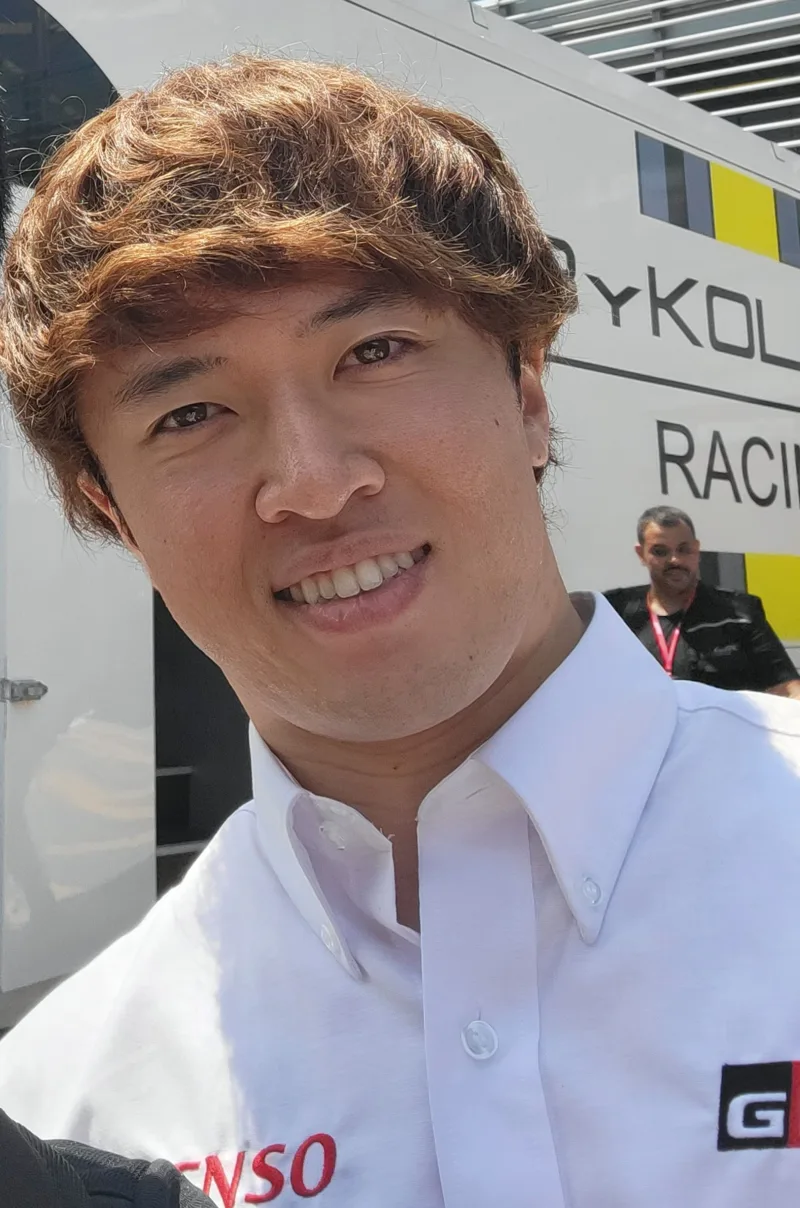
Motoyama did pursue Formula One. He was given a Friday test with the Jordan team before the 2003 Japanese Grand Prix at Suzuka, and in December 2003 he tested for the Renault team at Jerez. The pursuit did not produce a race start.
At Jerez he covered 69 laps, and his best was only two seconds off the pace set by Fernando Alonso, then Renault's lead driver. Even so, he could not secure a drive for 2004, and he abandoned the Formula One pursuit soon afterwards.
What did his Le Mans programme involve?
Motoyama has made four starts at the 24 Hours of Le Mans. His debut came in 1998 for Nismo and Tom Walkinshaw Racing, sharing a factory Nissan R390 GT1 that finished tenth overall. Those four starts span more than a decade.
In 1999 he drove the new Nissan R391 prototype with Erik Comas and Michael Krumm. The car ran as high as fourth before it retired after 110 laps with an electrical fault.
He returned in 2012 in the Nissan-powered DeltaWing for Highcroft Racing. After a collision with a Toyota in the Porsche Curves, he spent two hours trying to repair the car before he had to retire. His last Le Mans outing came in 2014 in the all-electric ZEOD RC, which was forced out after five laps.
What has he done since leaving the GT500 cockpit?
On 10 February 2019 he stepped away from driving for Nissan in GT500, and later that year he took an advisory role as Executive Advisor to the factory programme. He had made his final GT500 start on 11 November 2018 at Motegi, where he finished ninth.
Back in March 2018 he had become team director at B-Max Racing Team. In 2020 he returned to single-seaters for the final round of Formula Regional Japan at Autopolis, and he also contested a Super Formula Lights round at Fuji for B-Max.
In January 2021 he committed to full-time Super GT racing in the GT300 class with Team LeMans and Motoyama Racing. The best result of that season was 12th at Suzuka. He began 2022 with a fifth-place finish at Okayama, but his contract ended before the next round and Roberto Merhi took over the car.
How do his results compare across series?
| Season | Series | Result |
|---|---|---|
| 1995 | All-Japan Formula Three (Dome Racing) | Second, one win |
| 1997 | Japanese Touring Car Championship | Third, three race wins |
| 1998 | Formula Nippon (Team LeMans) | First title |
| 2001 | Formula Nippon (Team Impul) | Second title |
| 2003 | Formula Nippon (Team Impul) | Third title |
| 2003 | Super GT GT500 (Nismo) | Champion with Michael Krumm |
| 2004 | Super GT GT500 (Nismo) | Champion with Richard Lyons |
| 2005 | Formula Nippon (Team Impul) | Fourth title |
| 2008 | Super GT GT500 (Nismo) | Champion with Benoit Treluyer, third title |
| 2015 | Super GT GT500 (MOLA) | Last career win, Buriram |
| 2018 | Super GT GT500 (NDDP Racing) | Final GT500 race, ninth at Motegi |
| 2022 | Super GT GT300 (Team LeMans) | Fifth at Okayama before replacement |
What is his legacy in Japanese motorsport?
Motoyama's legacy rests on four Formula Nippon championships, three GT500 titles and a Formula Nippon record of 27 wins and 21 poles. In the wider history of Japanese top-level racing, he stands among the most successful drivers of all time.
His move into team management, first as a team director at B-Max Racing Team, shows how his career has carried forward since he left the GT500 cockpit. His experience across touring cars, single-seaters and sports cars remains a feature of his record.