Born from two Nissan motorsport departments in 1984, Nismo built road-going GT-R specials, raced across Japan and the world and later passed into a wider Nissan company.
Nismo is Nissan's performance and motorsport division, formed as a company in 1984 by merging two Nissan motorsport departments. It is known for tuned Skyline GT-R road cars and for racing in Japan, Europe and Formula E.
Nismo, short for Nissan Motorsports International, is the performance and motorsport division of Nissan. It was formed in September 1984 by joining two Nissan motorsport departments, and it sold tuned and limited-edition road cars alongside its racing. Its best-known products are the Skyline GT-R specials and the GT-R race cars that followed them.
The division's history covers six decades, from a 1964 racing push by Prince Motor Company to a 2022 merger that folded it into a wider Nissan business. This guide follows that path, covering the cars, the racing and the organisational changes.
Where did Nismo come from?
The story starts in 1964, when Prince Motor Company decided that motor racing could help its sales. Its debut came on 3 May 1964 with the Prince Skyline 2000GT, a car known as S54. Prince cars filled second to sixth places in that race, with only a Porsche 904 ahead of them, which gave the young programme an immediate reputation.
In 1984 Nissan combined two departments that had grown up in the 1960s. One was Oppama Works, a publication division responsible for privateer support, and the other was the Omori Works, which handled factory operations. The new company, Nissan Motorsports International Co., Ltd., was set up to focus on sports car racing, although it also supported teams in the domestic formula races.
A division that began as two departments inside Nissan and became the name behind its fastest road cars and its racing.
What did Nismo build before the GT-R era?
Nissan's first dedicated race car, the Skyline R32 with its GT-R badge, debuted in 1988. That year Nismo also built the Saurus for a one-make series. In 1989 the company developed a Skyline GT-R for racing and built the 500 evolution cars for road use.
The R34 was the first GT-R to be produced with a V-Spec version, and the R34 Z-Tune later became one of Nismo's most sought-after cars.
How did Nismo's parts and tuning business work?
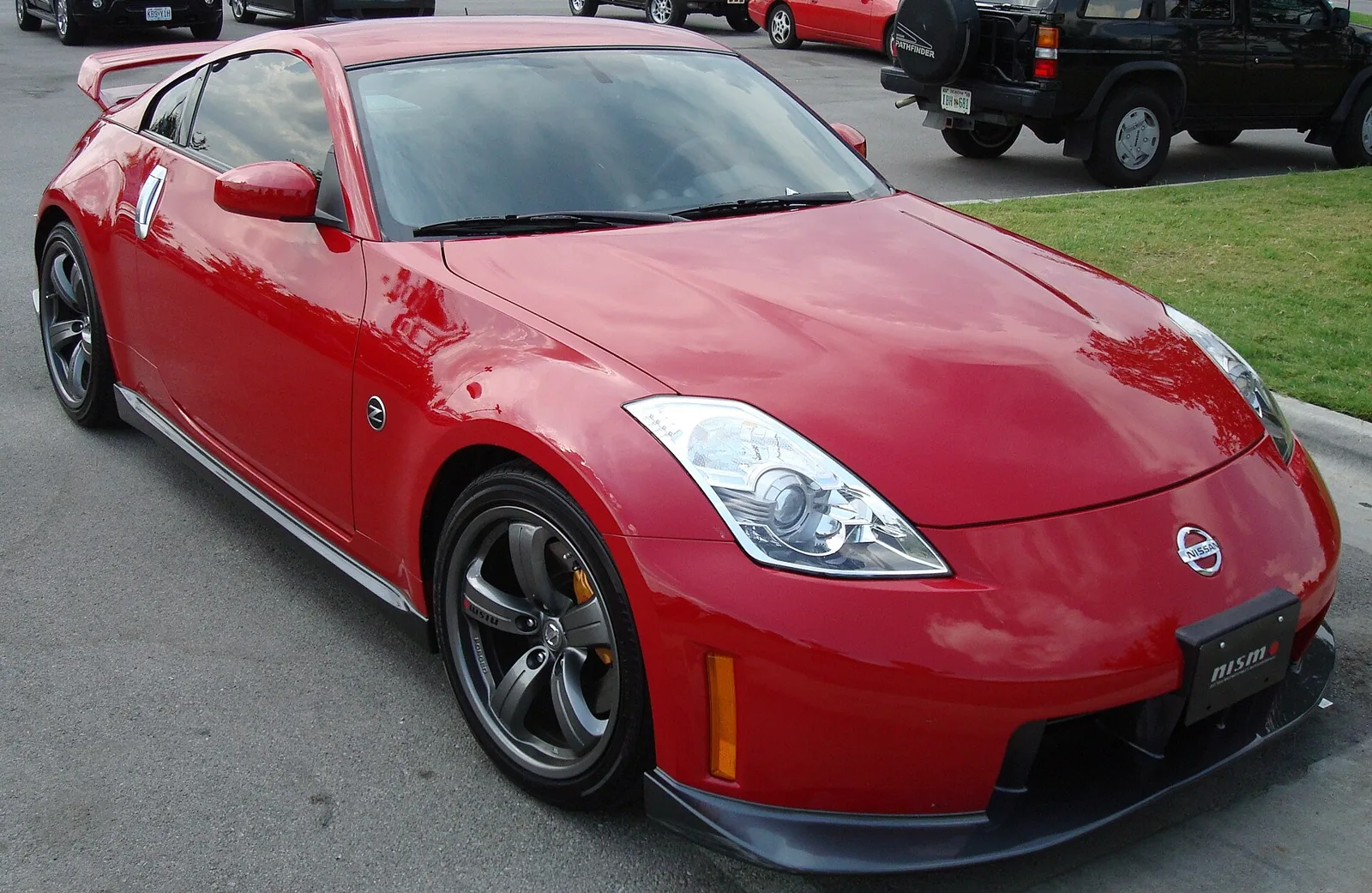
The division designs and makes aftermarket performance parts for Nissan cars, including aerodynamic pieces such as spoilers and diffusers, alloy wheels, and engine and suspension components. Most Datsun, Nissan and Infiniti models have had Nismo parts available, either in current production or as old stock.
Parts are not limited to the newest cars. Nismo sells camshaft billets, performance cams and pistons for the KA24E, an engine that powered a small pickup and the 1989 and 1990 240SX, a favourite of enthusiasts in North America. When criticism of the 2017 Infiniti Q60's exhaust sound arrived, Nismo made a tuned muffler available through dealers about six months after launch.
Japanese buyers could pick the V35 Skyline or the Z33 Fairlady in several tuning grades, from E-Type up to S1. A full track-spec Fairlady Z appeared at the 2005 Nismo Festival of Speed at the Fuji circuit, which the company used as a showcase for its ideas.
What special road cars did Nismo produce?
Nismo's first road car to carry its badge was the 1987 Skyline R31 GTS-R, a Group A model capped at 823 units. It was followed in 1990 by the Skyline GT-R Nismo, with 560 built. Both had weight-saving, aerodynamic and reliability work aimed at Group A competition.
The R34 Z-Tune marked the company's 20th anniversary in 2005. Because the R34 had been withdrawn in 2003, Nismo built only 20 cars, all from second-hand V-Spec cars that it bought back from owners with fewer than 30,000 km on the clock. Its engine was a 2.8-litre RB28DETT, and the car weighed 1,600 kg (3,527 lb). Rare examples can change hands for more than US$500,000.
Other special models included the R33 Skyline 400R and the S14 Silvia 270R. Both had extensive changes to drivetrain, suspension, brakes and bodywork, and very few were sold in 1997. The Pulsar GTi-R also appeared in 21 Nismo versions, each a complete build packed with the Group N parts then on sale.
How did Nismo perform in Japanese and North American racing?
Nissan's IMSA GT Championship involvement began in 1979, with the 240SX, 280ZX and 300ZX before entering the GTP class from 1985 with the ZX-Turbo and NPT-90. Geoff Brabham claimed four GTP drivers' crowns for Nissan from 1988 to 1991, and the 1992 Daytona 24 Hours also went to the company. Its success at Sebring came in 1989, 1990 and 1991.
In Japan the company competed in the All-Japan Sports Prototype Championship with prototypes including the R88C, R89C, R90C and R391. Nissan won the JSPC title in 1990, 1991 and 1992, although the team never won at Le Mans. Nissan also raced in the Japanese Touring Car Championship, and in the 1990s it competed in Supertouring with the Primera, and taking the 1999 British title with Laurent Aiello.
From 2013 Nissan entered the Supercars Championship in Australia, with Kelly Racing fielding four Altimas. Factory backing ended after 2018, although the cars continued in private hands in 2019.
Did Nismo race at Le Mans?
Nismo's Le Mans record is among the most frustrating in the division's history. The company entered an LMP1 hybrid, but it was unsuccessful and it ended the company's Le Mans involvement altogether. Earlier, the sports prototype programmes had never produced a win at the French event.
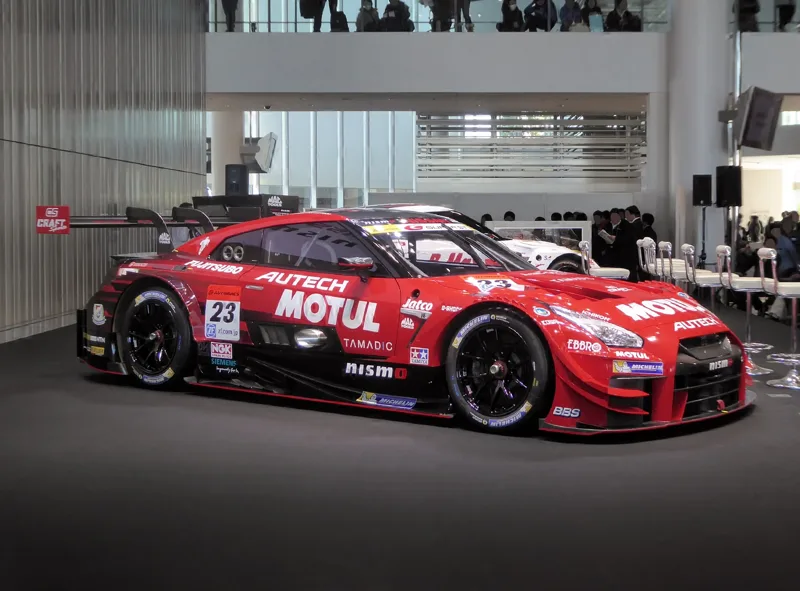
Nismo's endurance activity also covered the GT ranks. A 2009 GT1 entry used a GT-R developed by Nismo, and Michael Krumm and Lucas Luhr went on to take the 2011 GT1 drivers' title. Since 2011 Nismo has built the GT-R GT3, which has raced in the Blancpain Endurance Series, and it has also prepared production-class GT-Rs for the Nurburgring 24-hour race.
Nismo runs a shared pool of drivers called the Nismo Global Driver Exchange, which lets factory drivers race in major events such as Le Mans, Dubai and Bathurst's 12-hour race. From 2011 to 2016 Nissan also supplied LMP2 engines in the World Endurance Championship and the European Le Mans Series, working with teams such as Greaves Motorsport and OAK Racing.
What is Nissan's role in Formula E?
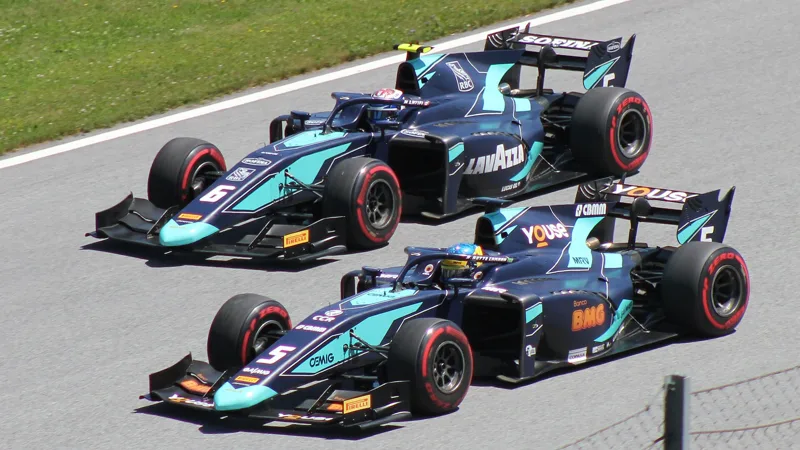
In the first Formula E season, DAMS raced as e.dams and partnered with Renault as Team e.dams Renault, winning the first Formula E team championship. Once Renault chose to concentrate on Formula One after 2017-18, Nissan took its place in the partnership, and the team became Nissan e.dams for 2018-19.
Nissan bought the e.dams team in April 2022 and entered the 2022-23 season as the Nissan Formula E Team. It is currently the only international racing series in which Nissan and Nismo compete. The team won the drivers' championship in 2024-25 with Oliver Rowland, and its line-up includes Norman Nato as a race driver.
How has Nismo changed in recent years?
In December 2021 Nissan announced that Nismo and its sister company Autech would merge into a new company, Nissan Motorsports and Customizing. The merger was completed on 1 April 2022, and Nismo ceased to exist as a separate company that month. The division's name and its products continued under the new structure.
The division also reached abroad. This October the division's first performance centre beyond Japan opened in Melbourne, Australia. Soon the range will add a hatchback Pulsar Nismo and an electric Leaf.
Where has Nismo appeared in popular culture?
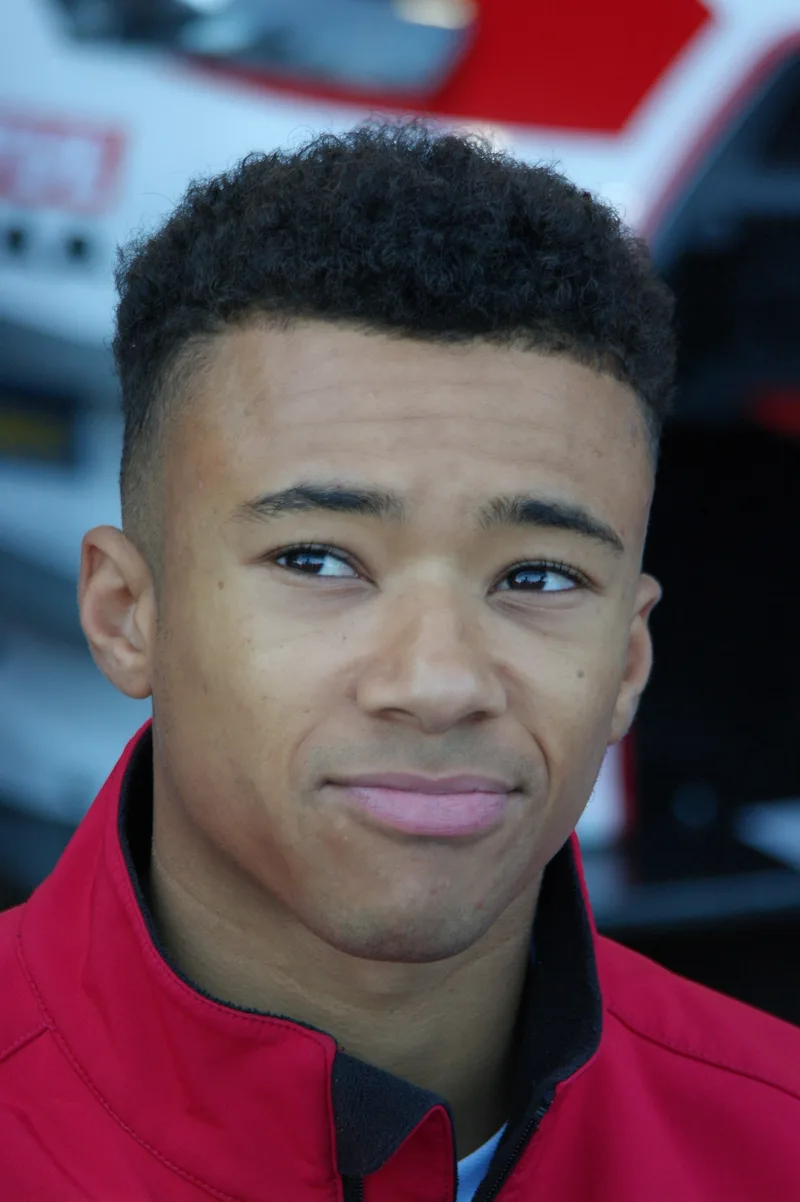
The Gran Turismo film leaned heavily on Team Nismo, and it centred on the real racing driver Jann Mardenborough. The film dramatised his career with the team and used many Nismo race cars, from the GT-R in Nismo and GT3 forms to the Ligier JS PX prototype.
Key milestones at a glance
| Year | Milestone |
|---|---|
| 1964 | Prince Skyline 2000GT starts the racing story on 3 May |
| 1984 | Nissan Motorsports International is formed in September |
| 1987 | Skyline R31 GTS-R, the first Nismo-branded car |
| 1990 | Skyline GT-R Nismo, of which 560 were produced |
| 2011 | GT-R GT3 development begins |
| 2022 | Merger into Nissan Motorsports and Customizing completed |
| 2026 | First performance centre outside Japan opens in Melbourne |