From Lancia and SEAT interiors to the Ferrari Style Center, the career behind the F12berlinetta, LaFerrari and Purosangue.
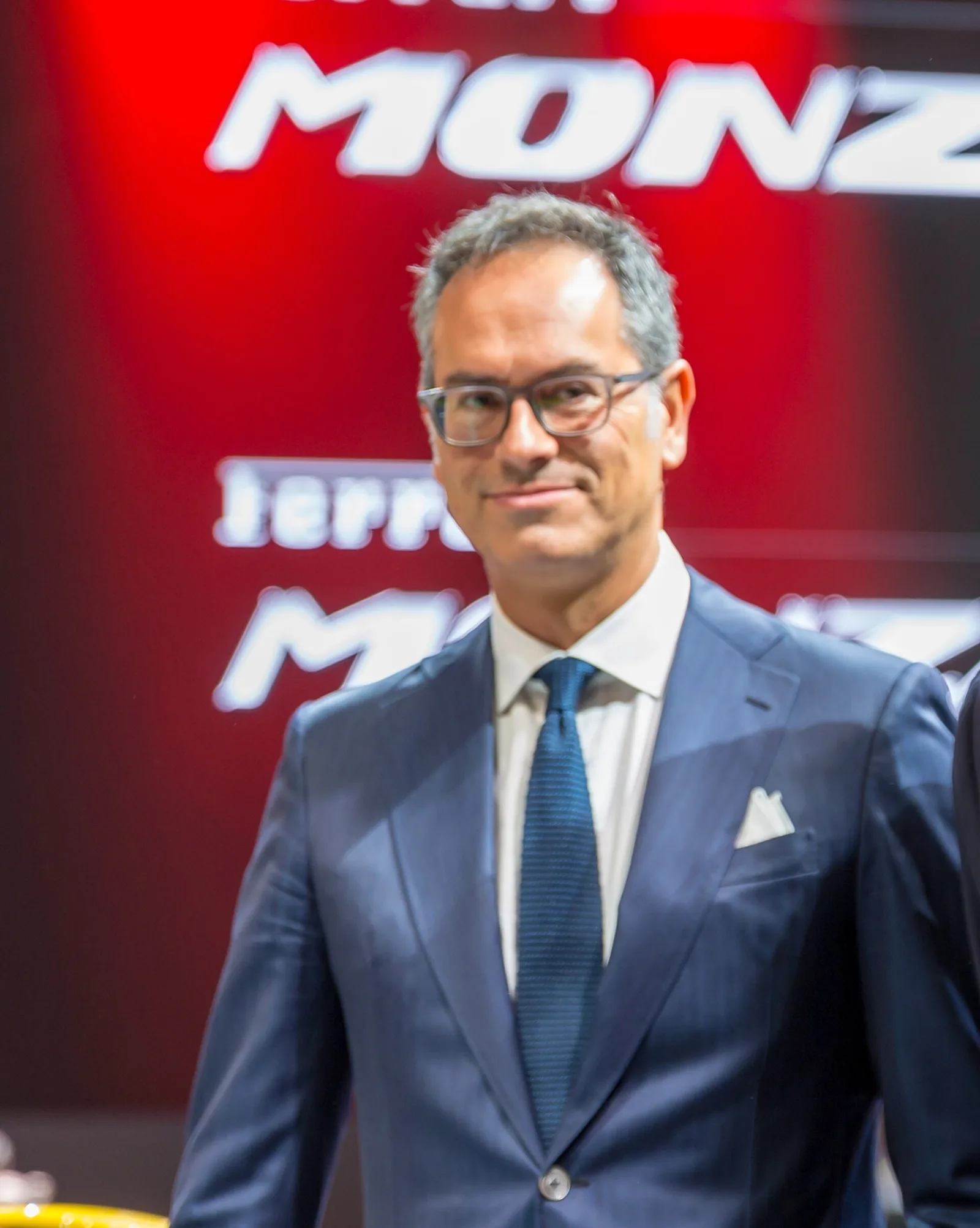
Flavio Manzoni is an Italian architect and automobile designer born in 1965. He has been Ferrari's chief design officer since January 2010 and has led the design of models including the F12berlinetta and LaFerrari. Earlier he worked on Lancia, SEAT and Volkswagen Group cars.
Flavio Manzoni is an Italian architect and car designer whose work has shaped Ferrari's road cars since 2010. He came to the brand's design leadership after years at Lancia, SEAT, Fiat and the Volkswagen Group, and he has since guided projects from the F12berlinetta to the Purosangue.
Where did Flavio Manzoni study and begin his career?
Manzoni was born on 7 January 1965 in Nuoro, Sardinia. He studied architecture at the University of Florence, specialising in industrial design. He joined the Centro Stile Lancia in 1993, and three years on he was given responsibility for the marque's interiors.
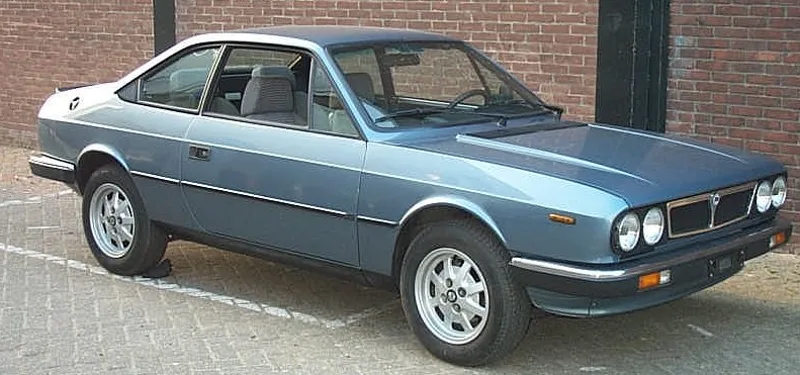
His early interior work included the Lancia Dialogos, the Lancia Thesis and the Maserati 3200 GT. Those projects gave him a grounding in how a car feels from the inside before he moved on to exterior and concept work.
An architect by training who spent years shaping Lancia, SEAT and Volkswagen cars before leading the design of Ferrari's road cars.
What did he design at SEAT and Lancia after 1999?
In 1999 he moved to Barcelona as Interior Design Director at SEAT. His work there covered production cars such as the SEAT Altea and SEAT Leon, together with the SEAT Salsa and SEAT Tango concepts.
In 2001 he returned to Lancia as Design Director. He led the Lancia Granturismo, the Granturismo Stilnovo and the Lancia Fulvia Coupe concept, which drew a strong response at the Frankfurt Motor Show in 2003. The production Lancia Ypsilon and Lancia Musa won the European Automotive Design Award in 2003.
What did his role at Fiat and Lancia involve?
In 2004 he became Director of Design across Fiat, Lancia and Fiat LCV. Under his direction, development started on the Grande Punto, the new 500 and the Fiorino and Qubo, which spanned small cars and light commercial vehicles.
How did his Volkswagen Group work take shape?
In 2006 Manzoni was one of several authors on L'automobile italiana, a book issued by Giunti Editore. That same year he switched to the Volkswagen Group, starting at Audi. By February 2007 he was artistic director of the group's north pole, where he set out to give the Volkswagen, Skoda, Bentley and Bugatti brands a new stylistic image.
His projects in that period included the Up! concept, the Scirocco and a restyle of the Volkswagen Golf, known as the Golf VI. The Golf Plus version was presented at the 2008 Bologna Motor Show. In 2007 he also joined the iF Award Product Design jury.
How did he come to lead design at Ferrari?
From 12 January 2010 Manzoni took over as Ferrari's director of design, succeeding Donato Coco. He set up an internal, complete and autonomous Style Center, a first in the brand's history.
The Ferrari FF was the first production car whose development he oversaw. The SA Aperta roadster followed at the 2010 Paris Motor Show. A year later, in 2011, he was honoured by inclusion in the Automobile Design Hall of Fame, housed at the National Automobile Museum in Turin.
What made the F12berlinetta important?
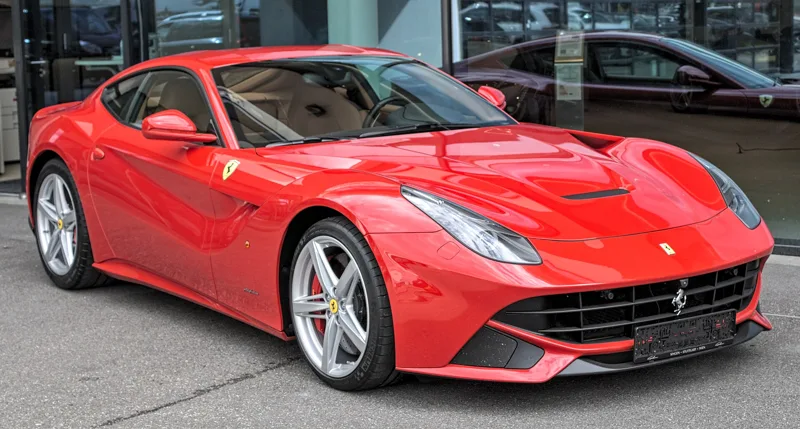
He presented the Ferrari F12berlinetta at the 2012 Geneva Motor Show. It succeeded the 599 GTB Fiorano and became the first Ferrari the in-house Style Center developed alongside Pininfarina. The car won him the Auto Bild Design Award for 2012 and the Golden Steering Wheel.
In May 2014 he accepted the Compasso d'Oro on behalf of Ferrari for the F12 Berlinetta, an award that recognises technology and design working together. The same award came again in 2016 for the FXX-K and in 2020 for the Monza SP1.
What were LaFerrari and the 458 Speciale projects?
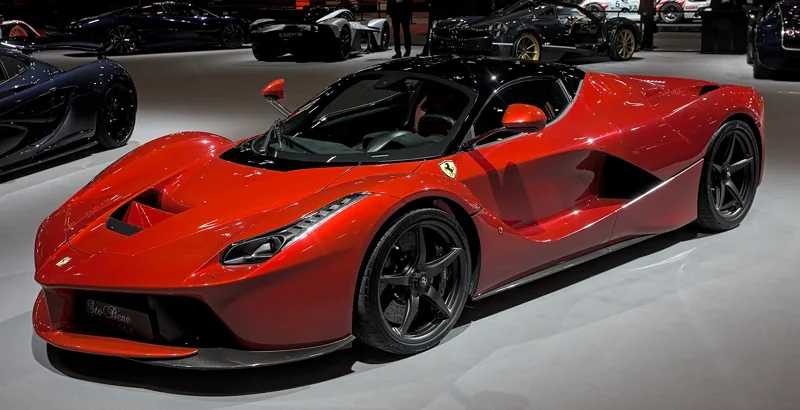
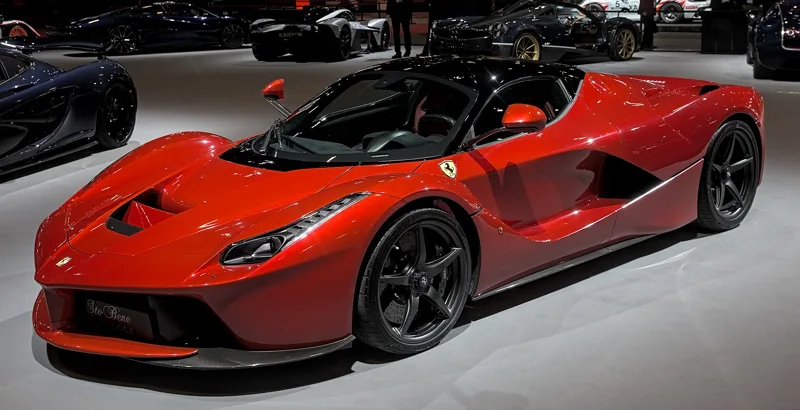
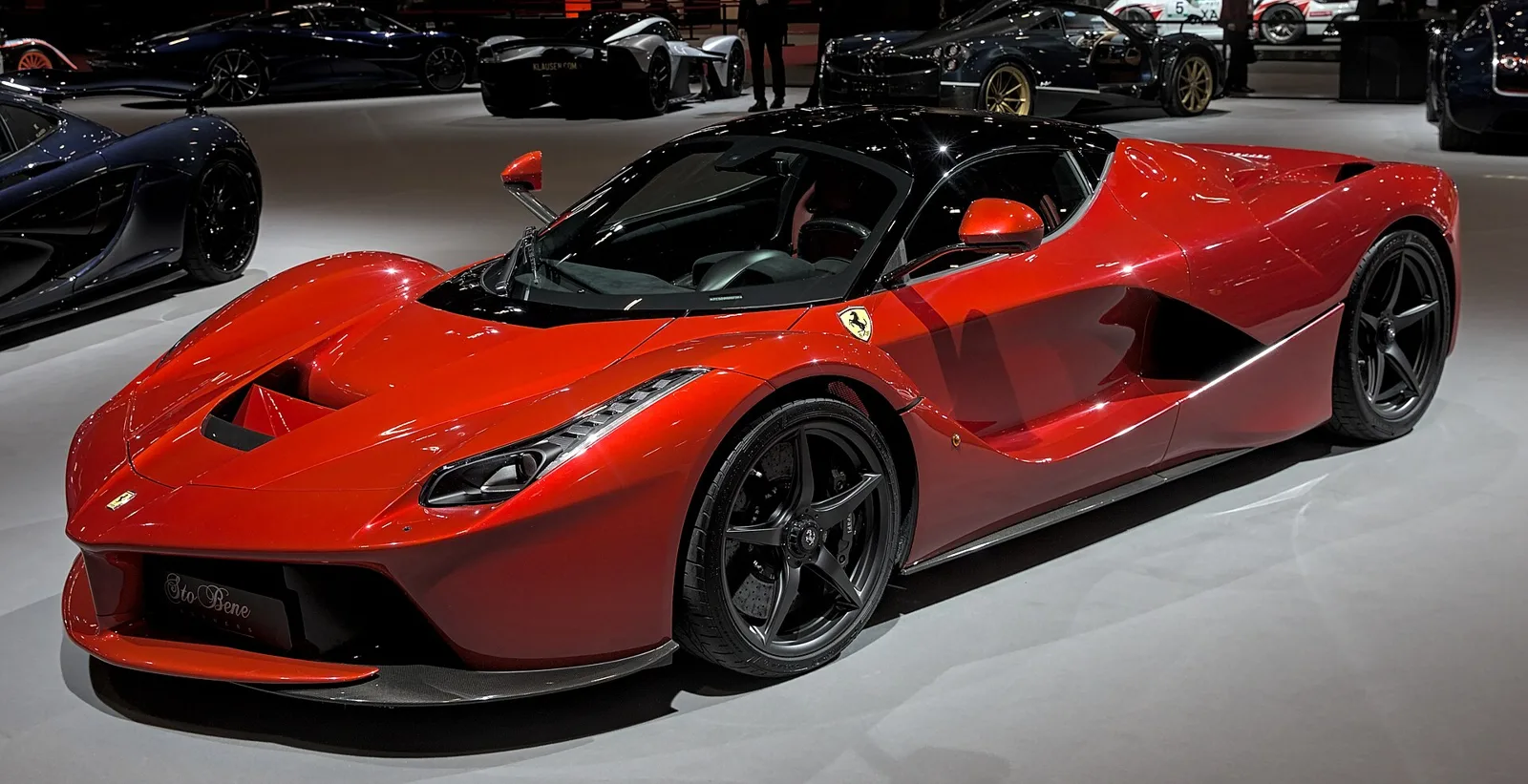
In 2013 LaFerrari arrived as the successor to the Enzo Ferrari, and it was the first hybrid car built at Maranello. He also led a redesign of the Ferrari 458 Speciale that cut weight and improved its aerodynamics.
What were the FXX-K and the J50?
In December 2014 the FXX-K was presented at Yas Marina Circuit in Abu Dhabi as the most powerful Ferrari ever. It was partly based on LaFerrari, but it was in fact a completely new car. Its design earned the Compasso d'Oro in 2016. The model later returned in an evolved form, the FXX-K EVO, shown in 2017.
In December 2016 the Ferrari J50 was shown in Tokyo. Designed by Manzoni with the Ferrari Style Center, it was a limited edition marking fifty years of Ferrari in Japan. It received a Red Dot Best of The Best award in 2017.
Which road cars followed in his later years?
His later work included the F12 TdF, the most extreme version of the F12berlinetta, and the GTC4Lusso, a sophisticated 690 HP four-seater coupe. The 488 GTB, the 488 Spider and the California T also came from the same period, with notable technical innovations.
In March 2017 the 812 Superfast appeared at Geneva, a design produced by the Style Center under his direction. In September 2017 the Portofino followed at the Frankfurt Motor Show. Later designs in the record include the 488 Pista and 488 Pista Spider from 2018, the F8 Tributo and SF90 Stradale from 2019, and the 812 Competizione from 2021.
Which models are credited to his design team?
The list below gives a selection of named designs, each with the year it was shown, running from 1998 to the Purosangue in 2022.
- Lancia Dialogos (interiors), 1998
- Lancia Thesis (interiors), 2001
- Lancia Ypsilon, 2003
- Lancia Musa, 2004
- Volkswagen Golf VI, 2008
- 2010: Ferrari SA Aperta
- 2011: Ferrari FF
- Ferrari F12 Berlinetta, 2012
- Ferrari LaFerrari, 2013
- Ferrari California T, 2014
- Ferrari FXX-K, 2014
- Ferrari GTC4 Lusso, 2016
- 2016: Ferrari J50
- 2017: Ferrari 812 Superfast
- Ferrari Monza SP1, 2018
- Ferrari Roma, 2019
- Ferrari 296 GTB, 2021
- Ferrari Purosangue, 2022
How does the Maranello Style Center work?
Manzoni directed the New Ferrari Style Center, built inside the production site in Maranello. Each of its four floors is dedicated to a different stage of the design process, and the top floor is used to present projects to the company. The centre sits inside the same production plant where the cars are built.
The building was inaugurated on 18 September 2018, with natural light and open spaces across its four levels. The Tailor Made department, the company's bespoke arm, is also housed there.
That September the Ferrari SP38 Deborah was on show at the Grand Basel event. Manzoni argued there that a car should be seen as a work of art, with nothing else competing for attention around it.
What honours has Manzoni received?
Manzoni has received several academic honours. On 28 June 2019 the University of Sassari gave him a degree of honour in modern philology and cultural industry, and he put forward a Lectio Doctoralis on the language of Ferrari design. The University of Florence followed on 28 May 2024 with an honorary degree in Design, awarded for his contribution to automotive design history.
His design honours include the Compasso d'Oro for the Purosangue, presented on 20 June 2024 in Milan. The Ferrari Styling Centre, which he leads, also received an award at the 2024 Turin Auto Show, held on 13 September. The event showed 50 of the most iconic models the company had produced, including the SF90 XX Spider, displayed statically next to a Purosangue, a 296 GTB and a classic 308 GTB. Manzoni also took part in the celebratory parade, driving the Ferrari Roma Spider.
Which design awards did his team win, year by year?
The Ferrari design team under Manzoni has collected a long run of international awards for its car models. The table shows the major prizes linked to his leadership, with the model that earned each one. Smaller prizes in the same run included the Red Dot Best of The Best for the FXX-K in 2015, the iF Gold Design Award for the FXX-K in 2016, and the Most Beautiful Supercar of the Year title for the Ferrari Roma in 2020. In 2019 the team also received the American Prize for Design from the Chicago Athenaeum. The LaFerrari won the Design Award Autoscout24 in Munich in 2013 and the Auto Design Award in Geneva in 2014, and the SP38 took a design award at the Concorso d'Eleganza Villa d'Este in Cernobbio in 2018. In 2013 he also received the Mamuthone ad Honorem award in Cagliari, a Sardinian honour, and in 2019 the Hublot Classic Fusion Ferrari GT was named watch of the year in Milan.
| Year | Model | Award |
|---|---|---|
| 2012 | F12berlinetta | Auto Bild Design Award, Hamburg |
| 2014 | F12berlinetta | Compasso d'Oro ADI, Milan |
| 2016 | FXX-K | Compasso d'Oro ADI, Milan |
| 2017 | J50 | Red Dot Best of The Best, Essen |
| 2019 | Ferrari Design Team | Red Dot Design Team of the Year |
| 2020 | Monza SP1 | Compasso d'Oro, Milan |
| 2024 | Purosangue | Compasso d'Oro ADI, Milan |
What else has Ferrari's design output included?
Design work under the Ferrari banner also reached watches and objects. For the partnership between Ferrari and Hublot, Manzoni designed the Hublot Classic Fusion Ferrari GT watch in 2019, inspired by the Gran Turismo world of the car brand. The same partnership produced the Techframe Ferrari 70 Years Tourbillon Chronograph, a Hublot clock from 2017.
Other objects in the record include the Madreterra, an oversized take on The Great JJ table lamp dating from 2014, and the Manifest Nuoro Jazz from 2020. The Montblanc Ferrari Stilema SP3 from 2023 also appears among them.
What did the Purosangue award recognise?
The Compasso d'Oro for the Ferrari Purosangue was presented at a Milan ceremony on 20 June 2024. The prize recognised the model's innovative design and the way it marries performance and aesthetics.
Manzoni accepted the award on behalf of Ferrari, with the emphasis placed on design as a driver of the brand's development.
How do the stages of his career connect?
The thread through Manzoni's career is the move from interiors to whole-car design. He started with the inside of Lancia and Maserati cars, took the interior role at SEAT, and then led design work at Lancia and Fiat before moving into the Volkswagen Group and, from 2010, Ferrari.
His name is therefore attached to a wide spread of models, from mass-market Fiat and Volkswagen Group cars to supercars, and to the Style Center he set up inside Ferrari. The awards in the table reflect that range, from road cars shown at Geneva and Paris to concept and limited-edition work.