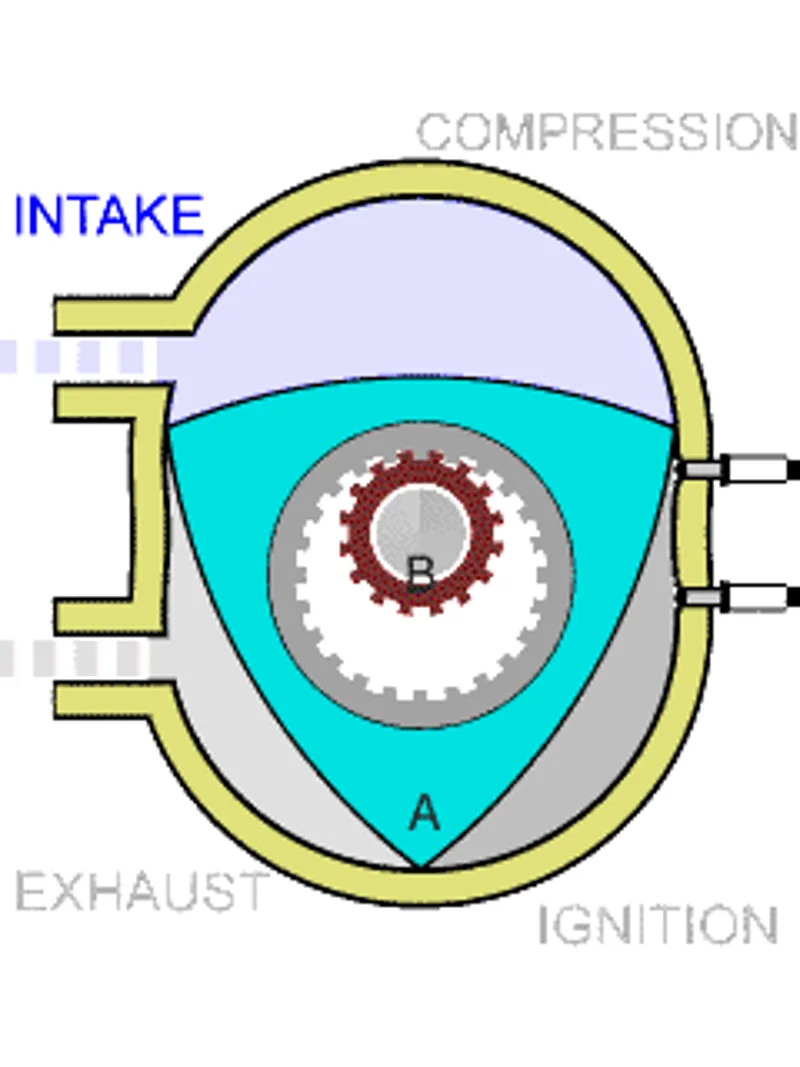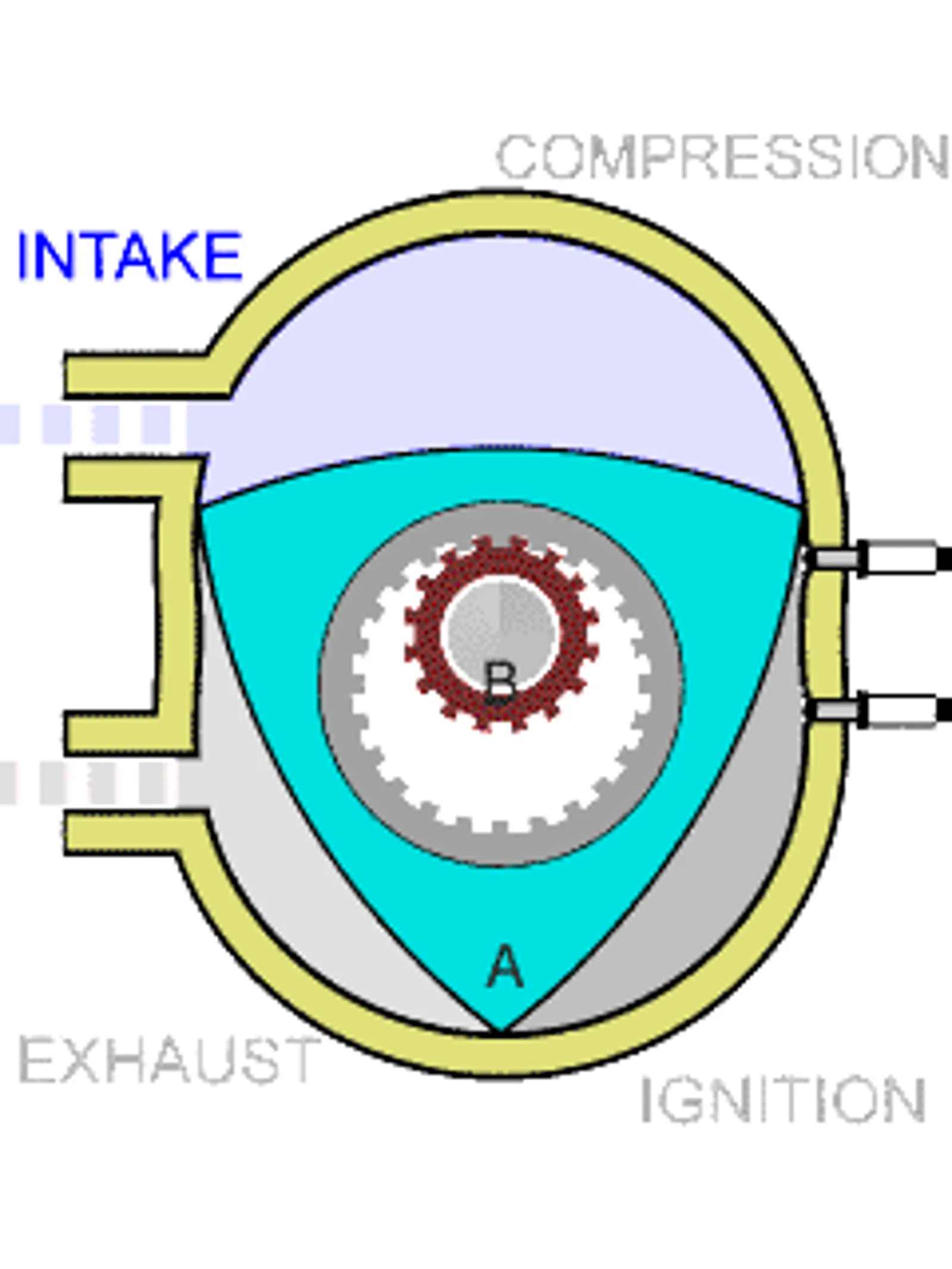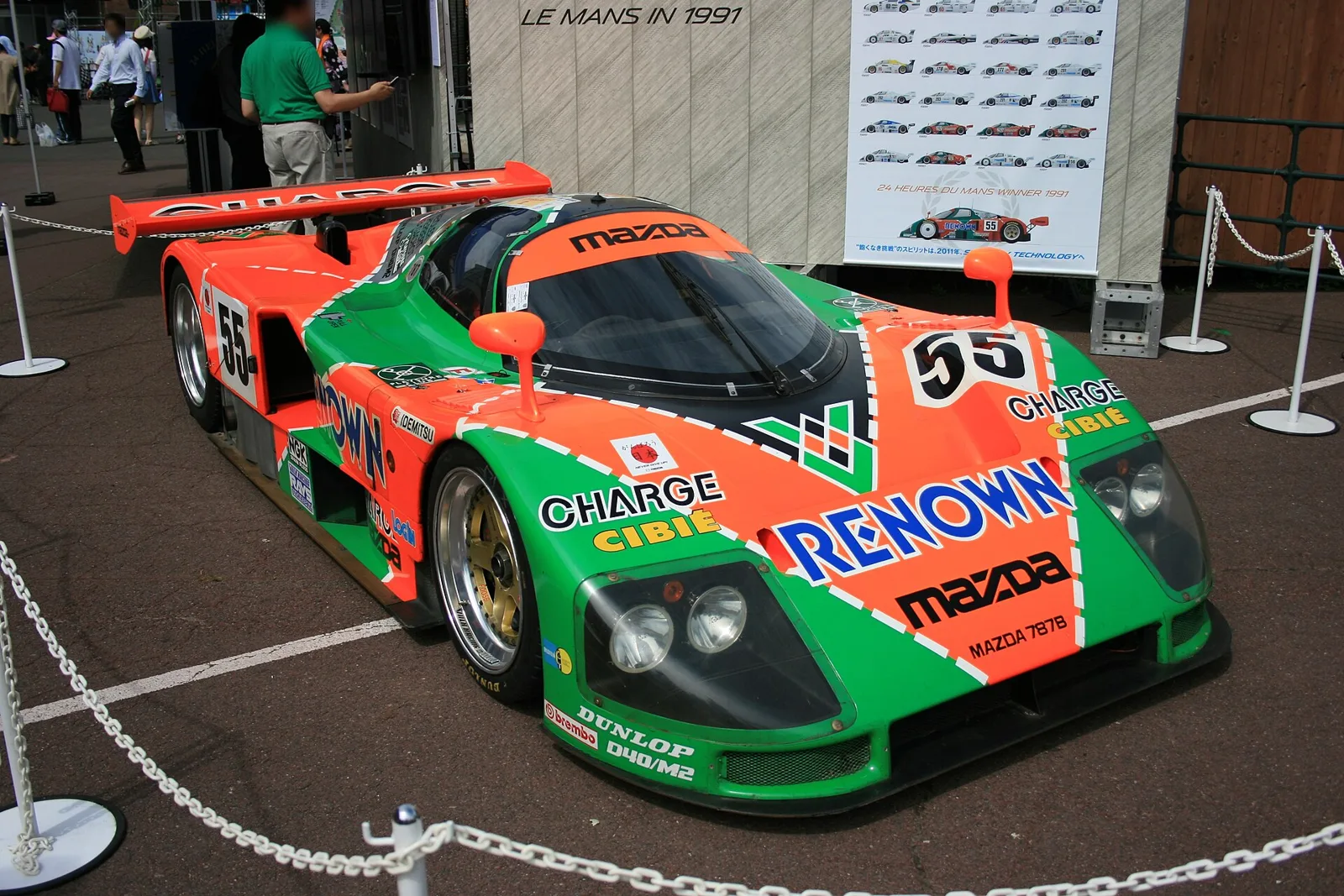
Mazda's Group C sports prototype, powered by a Wankel rotary engine, won the 1991 24 Hours of Le Mans and remains the only win by a non-reciprocating engine.
The Mazda 787B used a Wankel rotary engine and won the 1991 24 Hours of Le Mans for Mazda, the first Japanese manufacturer to win the race. It remains the only Le Mans winner powered by a non-reciprocating engine as of 2026.
Mazda built the 787 and its 787B derivative as Group C sports prototypes for three series: the World Sportscar Championship, the JSPC in Japan and Le Mans, over 1990 and 1991. Powered by Mazda's R26B rotary engine, the 787B won the 1991 Le Mans, the first win for a Japanese manufacturer at the race.
What was the Mazda 787 designed to do?
The 787 and 787B were designed to combine FISA Group C regulations with IMSA GTP rules. Both cars were the final rotary-engined racers in the World and Japanese series, and both ran the R26B. The pair was a deliberate blend of two rulebooks, which shaped how the cars were built.
Their single-lap speed trailed Mercedes-Benz, Jaguar and Porsche, but reliability kept the 787 and 787B in contention for their championships. Two 787s were built in 1990, and three newer 787Bs were built in 1991.
A Wankel rotary engine that won Le Mans in 1991, the first Japanese manufacturer win at the race.
How did the 787 evolve from the 767?
The 787 grew out of the 767 and 767B that Mazda had used in 1988 and 1989. The name 787 was meant to suggest a two-step gain over the 767, and Nigel Stroud, the designer, kept much of the earlier car's mechanics.
The biggest change was the replacement of the 767's 13J rotary engine with the new R26B. Its layout and displacement closely matched the old unit, yet the R26B ran three spark plugs per rotor where the 13J had two, plus ceramic apex seals and variable-length trumpets.
The custom engine could produce 670 kW (900 hp) at a redline of 10000 rpm, although it was limited to 700 hp at 9000 rpm for Le Mans to protect its longevity. The five-speed Porsche gearbox from the 767 was retained.
The radiator moved into the nose, where air passed under the bodywork and through it before leaving in front of the windscreen. At the radiator exit a Gurney flap boosted front downforce, and the carbon-and-Kevlar monocoque, made in the UK by Advanced Composite Technology, carried over from the 767 design.
What changed for the 787B in 1991?
The 787B's intake became continuously variable rather than stepped, raising torque to 608 Nm (448 lb-ft) at 6,500 rpm. An onboard ECU governed the telescopic intake, and revised suspension geometry made room for larger wheels and carbon ceramic brakes, which were a Mazda racing first.
Mazdaspeed decided that fuel efficiency was crucial to victory, so it cut the redline to 8,500 rpm and reduced output to 650 hp (485 kW). Emphasis went on high cornering speeds rather than top speed on the straights, and Jacky Ickx was appointed as an adviser to guide the team.
How did the 787s perform in 1990?
The first 787 raced in April 1990 at the Inter Challenge Fuji 1000 km in the All Japan Sports Prototype Championship, driven by Yoshimi Katayama, David Kennedy and Pierre Dieudonne. Tests at Silverstone and Estoril covered 4,700 km (2,900 mi) before the team headed to Le Mans.
Ickx was brought in to get the two 787s and an older 767B ready for the race. The two new 787s qualified 22nd and 23rd, which put them in front of the older 767B.
At Le Mans in 1990 the No. 201 car retired with an oil leak while leading its class, and the No. 202 car was lost to an electrical failure and fire two hours later. Engine heat was blamed for both failures, whereas the 767B reached the finish in 20th place in its class.
How did the 1991 season develop?
For 1991 Mazda ran three 787s, with the French Oreca team in charge of the world championship car. Oreca and Ickx persuaded FISA to let the 787s run at 830 kg rather than the standard 1000 kg for C2 cars.
A new 3.5-litre formula took effect in the world championship, which put cars with other engines, including the 787, into the C2 class. In Japan the 787s stayed in the GTP category, where they were the sole competitors.
The first new 787B raced at Suzuka, finishing sixth overall and fourth in C2. Later in the season Mazda finished fourth in the Japanese championship and fifth in the world championship.
How did the 787B win Le Mans in 1991?
The 59th 24 Hours of Le Mans was round four of the world championship and the first race at the new pit complex. Mazda entered three cars, including two brand new 787Bs, and the No. 55 car wore an orange and green livery for its sponsor Renown.
Mazda was not the favourite. Jaguar and Sauber entered older Group C cars for reliability reasons, and the three Mazdas started 19th, 23rd and 30th on the grid.
Team manager Ohashi decided to drop the conservative approach and told the No. 55 drivers to race as if it were a short sprint. The car's exceptional fuel economy in the Paul Ricard tests had made that change possible.
A Mercedes C11 spun and later pitted with a gearbox problem, and the 787B took the lead in the 22nd hour. The car completed 362 laps and 4,932.2 km, setting new records for the recently modified circuit.
Three Jaguar XJR-12s and a Mercedes filled positions two to five. Herbert kept driving the final stint, but dehydration meant he needed treatment at the circuit's medical centre and he did not make the podium. He later blamed some spaghetti he had eaten before his shift.
Apart from one blown headlamp bulb and a rear wheel bearing swapped as a precaution, the winning car ran without serious trouble. No. 18 finished sixth and No. 56 finished eighth.
What happened to the cars after Le Mans?
Once the race was over, the winning car, 787B-002, was taken out of service, and the other two cars kept racing. Mazda ended fourth in Japan and fifth in the world series, and its best result apart from Le Mans was third at the 1000 km Fuji race.
A final world championship outing for the 787B came at the 1991 430 km of Autopolis, where it took ninth and tenth. The season closed with Group C giving way to a 3.5-litre formula, and rotary engines were barred from 1992.
The following year Mazda fielded the MXR-01, built around the Jaguar XJR-14 with a Judd engine. It placed fourth at Le Mans in 1992 but otherwise made little impact.
What became of the winning drivers?
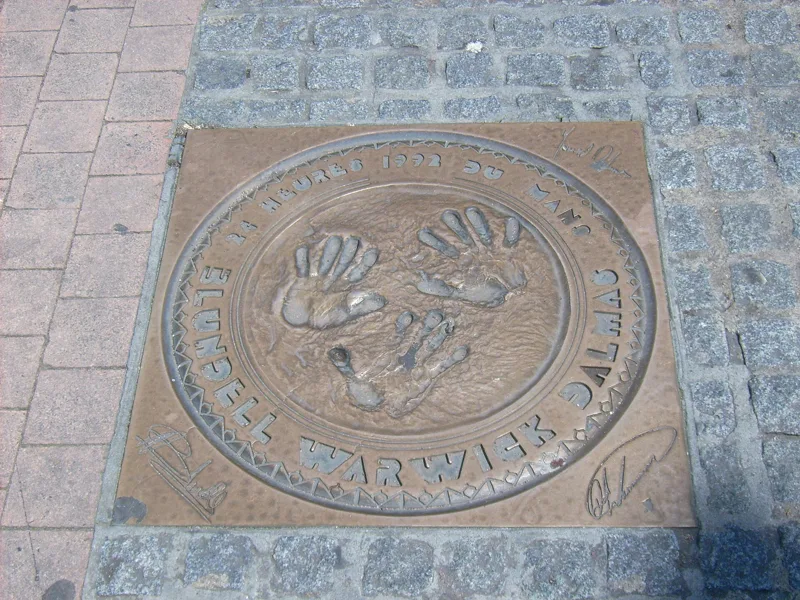
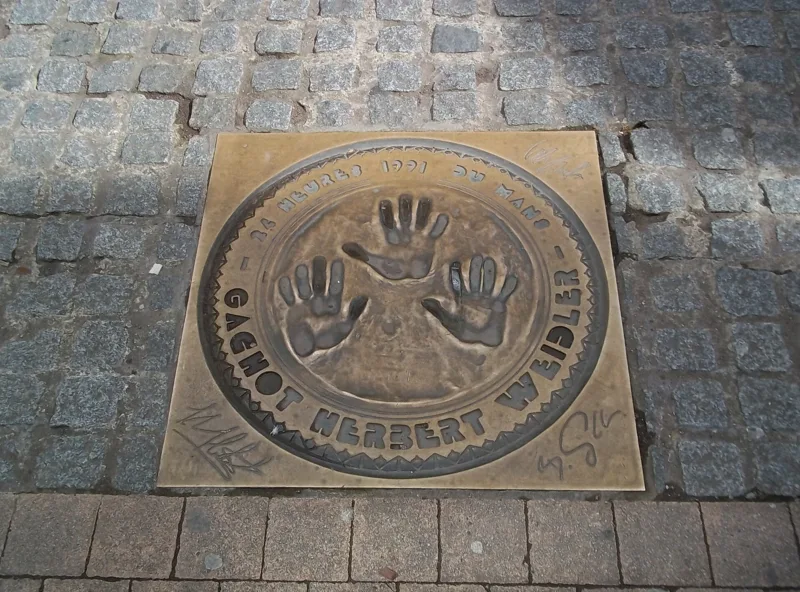
Herbert later won three grands prix in Formula One, quit the series in 2000, and went back to sports car racing. In August 1991 Bertrand Gachot received an eighteen-month jail term for using CS gas on a London taxi driver.
Michael Schumacher filled Gachot's place at the 1991 Belgian Grand Prix. Volker Weidler retired after a tinnitus diagnosis and handed his seat to Heinz-Harald Frentzen.
Pierre Dieudonne became sporting director at Oreca, while Yojiro Terada, who had raced at Le Mans since 1974, carried on running his Autoexe tuning business.
How has the 787B been remembered?
Enthusiasts of Mazda and the Wankel engine rate the 787B among the best-known race cars Japan has produced. It has appeared in the Gran Turismo, Forza Motorsport and Assetto Corsa series. Its appearances in video games and at historic events have kept it in view for enthusiasts.
Mazda keeps the winning car at its Hiroshima museum and built two replicas, one of which went to the Le Mans Museum. The 2008 Mazda Furai Concept carried the number 55 of the winning car.
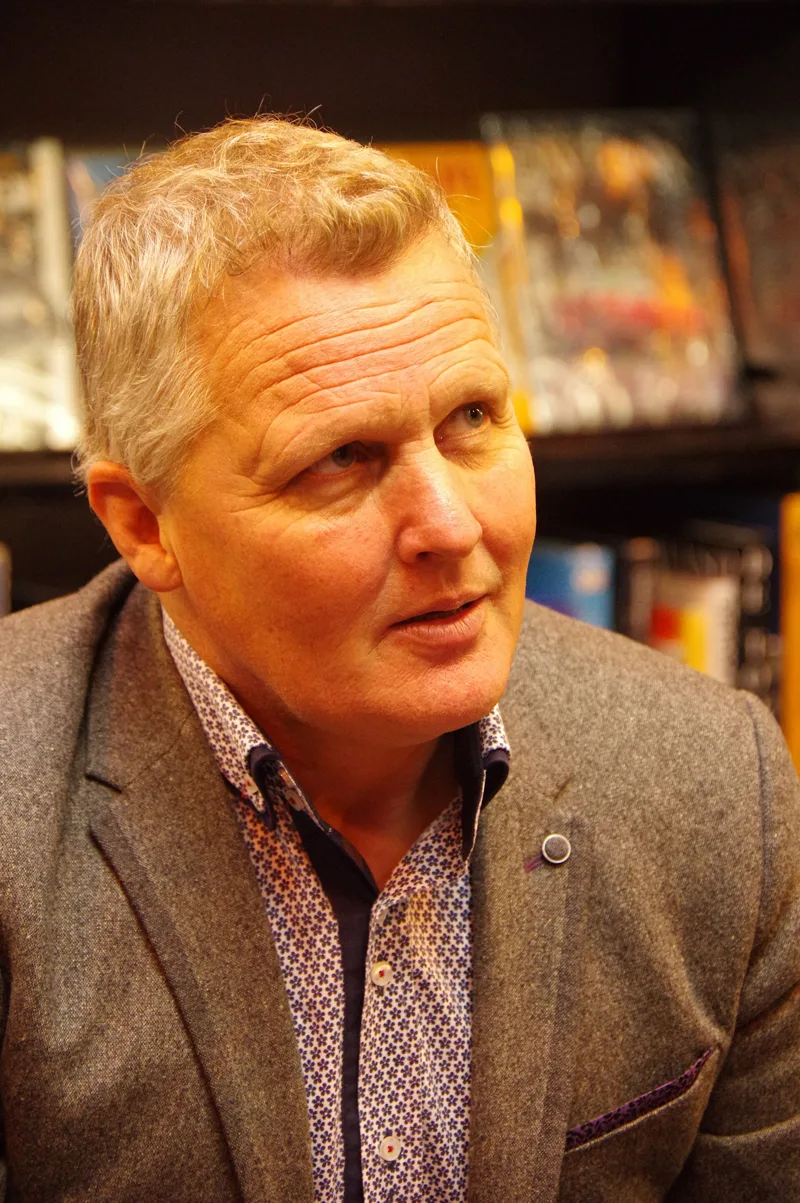
After a lengthy restoration, the winning car was demonstrated before the 2011 Le Mans race, with Johnny Herbert driving a lap of the circuit. Mazda revealed the LM55 Vision Gran Turismo concept in December 2014 as a tribute to the 1991 victory.